
Selecting the right badminton overgrip is a critical but often overlooked decision that directly impacts your control, comfort, and performance on the court. To find the ideal Yonex grip tape, you must evaluate your hand’s natural sweat level, your preferred handle thickness, and how frequently you play. Because a racket handle serves as your primary point of contact with every shot, matching the grip material to your specific physical needs ensures that your racket remains secure in your hand, even during intense rallies.
In tropical climates where humidity is high, a grip that works perfectly for one player might cause another’s racket to slip. By understanding the distinct characteristics of different Yonex grip categories—ranging from tacky polyurethane overgrips to highly absorbent cotton towel grips—you can make an informed choice that enhances your hold and prevents unnecessary wrist strain.
Identify Your Hand Condition and Sweat Level
Before browsing through different grip options, you must accurately assess how your hands behave during a typical badminton session. Some players naturally have dry hands that require a high level of surface tackiness to maintain a secure hold. Others experience moderate sweating, which can easily be managed by standard synthetic overgrips. For players with heavy perspiration, the handle can quickly become a slippery liability, requiring specialized moisture-wicking materials to prevent the racket from flying out of their hands during a smash.
Products mentioned in this guide
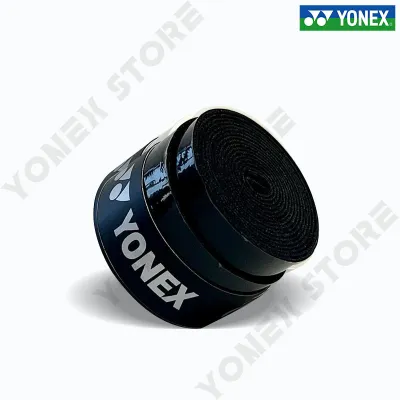
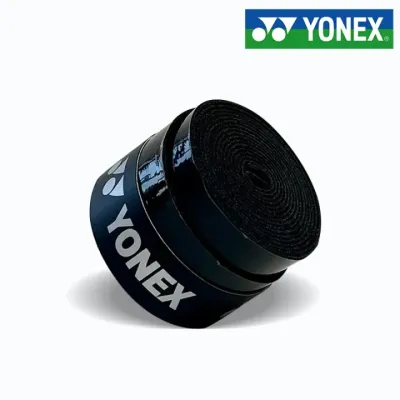
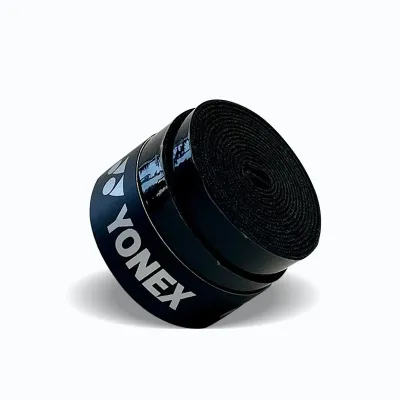
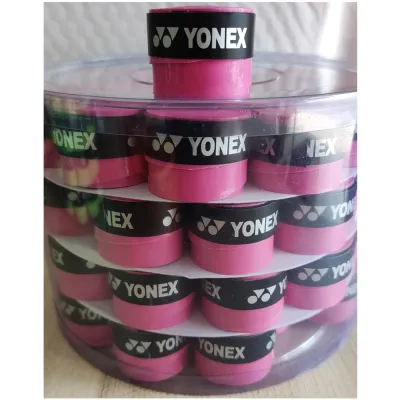
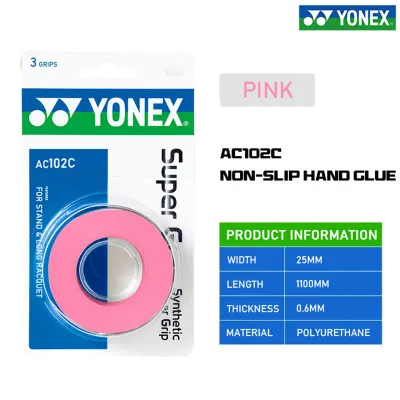
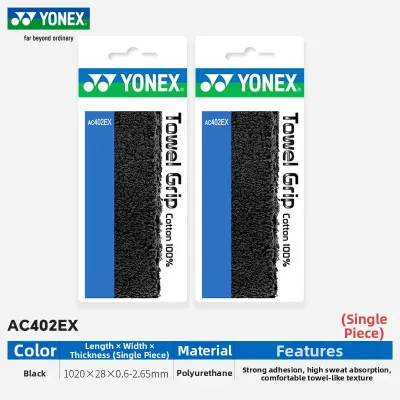
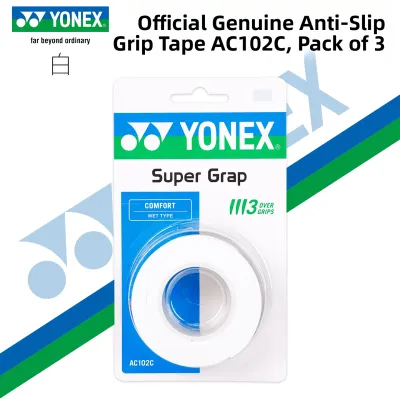
Prices are valid at publication and may change. Please refer to the product page for the latest price.
Beyond sweat production, your skin’s sensitivity and physical condition play a major role in your selection. If you are prone to developing painful blisters or calluses along your fingers and palm, you will likely benefit from a softer, more cushioned grip that minimizes friction. Conversely, players who prefer a highly tactile feel and want to sense the exact angles of the racket handle’s wooden bevels often opt for thinner, less padded options that offer direct feedback.
Environmental factors also heavily influence how a grip tape performs. In the Philippines, playing in a non-climate-controlled barangay sports hall or an outdoor court exposes you to intense heat and high humidity, which accelerates sweating and reduces the lifespan of standard tacky grips. If you primarily play in modern, air-conditioned indoor sports centers, your sweat levels may remain manageable, allowing you to prioritize surface tackiness and durability over extreme moisture absorption.
Match Yonex Grip Tape Variants to Your Needs
Yonex offers a diverse lineup of overgrips designed to cater to these varying hand conditions and playing environments. When selecting a grip, it is essential to verify the specific model numbers, material compositions, and exact thicknesses printed on the product packaging or listed by official retailers. Because tackiness, softness, and shock absorption are highly subjective experiences, starting with a single roll for testing is highly recommended before committing to bulk multi-packs.

For Balanced Feel and General Play
For players who experience moderate sweating and prefer a balanced, all-around feel, standard synthetic overgrips like the classic Super Grap series are the traditional choice. These grips are typically made from high-quality polyurethane, which provides a comfortable blend of surface tackiness, moderate durability, and basic shock absorption. They are designed to offer a secure, slightly sticky feel that helps you maintain a relaxed grip on the handle without needing to squeeze excessively.
When selecting an all-around overgrip, always check the product label for the standard thickness, which usually hovers around 0.6 millimeters. This thickness is ideal because it adds a layer of comfort and tackiness without significantly altering the original size of your racket handle. It allows you to feel the distinct bevels of the handle, which is crucial for executing quick grip transitions between forehand and backhand shots during fast-paced rallies.
However, standard synthetic overgrips have clear limitations. If you suffer from heavy hand perspiration or play in extremely humid, non-air-conditioned venues, the smooth polyurethane surface can quickly lose its tackiness once saturated with moisture. Additionally, if you require significant joint cushioning due to chronic wrist or elbow discomfort, these standard-thickness grips may not provide enough vibration dampening to protect your joints during high-impact shots.
For Heavy Sweating and Humid Conditions
If you struggle with wet hands or play in humid environments, you must choose between synthetic moisture-wicking overgrips and traditional cotton-based towel grips. Synthetic moisture-wicking options often feature tiny perforations or specialized textured surfaces designed to channel sweat away from your palm, maintaining a dry feel. Cotton towel grips, on the other hand, function like a standard towel, absorbing large volumes of sweat directly into the fabric fibers to ensure a slip-free hold.
While towel grips offer unmatched moisture absorption, they come with distinct trade-offs that you must consider. Because cotton is naturally thicker and heavier than polyurethane, wrapping a towel grip around your handle will noticeably increase the overall bulk and weight of the grip area. This added weight can shift the racket’s balance point slightly toward the handle, making the head feel lighter and potentially altering your swing mechanics and power generation.
Furthermore, towel grips lack the initial sticky tackiness of synthetic overgrips, relying instead on the natural friction of dry cotton. They also require more frequent replacement, as accumulated sweat can cause the cotton fibers to become stiff, rough, and unhygienic over time. When opting for these thicker, moisture-heavy grips, always monitor how the added bulk affects your hand comfort and racket maneuverability during play.
For Extra Cushioning and Comfort
Players who prioritize joint protection, blister prevention, or a plush, soft feel should look toward thicker, cushioned overgrip variants, such as the Excel line. These grips are engineered with enhanced shock-absorbing properties, often incorporating a foam backing or a thicker polyurethane layer. This design is particularly beneficial for players recovering from hand, wrist, or forearm fatigue, as it dampens the harsh vibrations transmitted up the racket shaft during off-center hits.
The primary trade-off with highly cushioned grips is the potential loss of tactile feedback. Because the thick padding rounds out the sharp edges of the wooden handle, the distinct bevels become less defined. This can make it more difficult to instinctively feel the orientation of your racket face, which may affect your precision during delicate net shots or rapid defensive blocks.
To avoid purchasing a grip that makes your handle too large to hold comfortably, always verify the exact thickness specifications on the packaging. A handle that is too thick for your hand size can prevent your fingers from wrapping around properly, forcing you to grip the racket too tightly. This constant muscle tension can actually increase the risk of developing tennis elbow or wrist strain, defeating the purpose of the added cushioning.
Factor in Your Playing Style and Frequency
Your playing style and how often you step onto the court should heavily influence both your grip selection and your replacement schedule. Casual players who play once or twice a month do not wear down their grips quickly, meaning a standard synthetic overgrip can last for several weeks before losing its effectiveness. However, competitive players or those who train multiple times a week will find that the friction and sweat from intense sessions degrade grip materials rapidly.
Your stroke mechanics also dictate the wear and tear your grip experiences. If you are an aggressive offensive player who frequently unleashes powerful smashes, you likely apply significant rotational force and squeeze the handle tightly at the moment of impact. This aggressive gripping style accelerates the friction-induced wear on the overgrip, leading to faster peeling, tearing, and thinning of the material, especially around the butt cap and the thumb placement areas.
Establishing a practical replacement framework is essential for maintaining consistent performance and hygiene. Rather than waiting for the grip to completely tear or unravel, look for early signs of degradation such as a shiny, slick appearance, a loss of surface tackiness, or a persistent sour odor caused by trapped sweat and bacteria. Replacing your overgrip regularly ensures that you do not have to compensate for a slippery handle by squeezing harder, which keeps your forearm muscles relaxed and your shots precise.
How to Apply and Maintain Your Overgrip
Properly wrapping your Yonex overgrip is just as important as choosing the right variant. To begin, always ensure you remove the clear plastic protective film from the surface of the overgrip before wrapping—a common beginner mistake that leaves the grip completely slick and unusable. Start wrapping from the bottom of the handle, securing the tapered end with a small piece of adhesive tape if provided, or overlapping it tightly to lock it in place.
As you wrap upward toward the cone, maintain consistent, moderate tension on the grip tape. Pulling too tightly will stretch the material thin, reducing its cushioning and durability, while wrapping too loosely will cause the grip to wrinkle, bunch up, or slip during intense rallies. Aim for a uniform overlap of about 2 to 3 millimeters on each turn to ensure a smooth, even surface that preserves the handle’s natural bevels. Once you reach the top of the handle, cut the excess grip at an angle and secure it firmly with the included finishing tape.
To extend the life of your overgrip and maintain hygiene, implement a simple post-play care routine. Avoid immediately throwing your racket into a tightly zipped, humid equipment bag after a sweaty session. Instead, let the racket handle air out in a well-ventilated room so the moisture can evaporate, preventing the growth of mold and bacteria. If you use a towel grip, consider brushing the fibers gently after they dry to prevent them from hardening into a stiff, uncomfortable texture.
Frequently Asked Questions (FAQ)
Can I use a Yonex overgrip on top of an existing replacement grip?
Yes, applying a thin overgrip directly over the original factory replacement grip is the standard practice for most badminton players. The base replacement grip provides the essential underlying cushion and protects the raw wooden handle from sweat damage, while the thin overgrip offers the desired surface texture and tackiness. However, you should avoid layering multiple overgrips on top of one another. Doing so will excessively increase the handle’s circumference, round out the bevels, and make it difficult to control your racket angles, ultimately hindering your stroke execution and increasing hand fatigue.
How do I know when it is time to replace my Yonex grip tape?
You can easily identify when your overgrip needs replacement by looking for clear physical and tactile signs of wear. If the surface of your synthetic grip feels smooth, slippery, or shiny rather than tacky, or if you notice visible peeling, tearing, or discoloration, it has reached the end of its lifespan. For towel grips, a stiff, rough texture or a persistent damp odor indicates that the cotton fibers are saturated with dried sweat and dirt. Playing with a degraded grip forces you to squeeze the handle much harder to prevent slipping, which can quickly lead to wrist fatigue or muscle strain.
Community discussion
Share your experience or ask a question. Comments are reviewed before publication.