
Selecting the right Yuhai inflatable boat requires a clear understanding of your intended water activities, passenger requirements, and the specific environmental conditions you will encounter. Whether you plan to cruise calm lakes, fish along coastal waters, or navigate slow-moving rivers, matching the vessel’s design, material, and capacity to your needs is essential for safety and performance. By evaluating your typical passenger load, transport capabilities, and total budget, you can identify a model that ensures longevity and reliability on the water.
Define Your Primary Boating Activities
Before choosing a specific model, you must define where and how you plan to use your inflatable boat. Calm inland waters, such as lakes, reservoirs, and slow-flowing rivers, present very different challenges compared to open coastal waters. For quiet recreation, simple paddling, or light photography in sheltered bays, a lightweight soft-bottom boat or an air-deck model provides sufficient stability and ease of use. These vessels are highly portable and can be deployed quickly without extensive setup.
If your primary goal is coastal fishing or island-hopping, you will face unpredictable swells, chop, and tidal currents. These conditions demand a more robust hull design, such as a rigid inflatable boat (RIB) or a heavy-duty model with an aluminum floor. A rigid structure helps the boat cut through waves rather than flexing over them, providing a safer and more comfortable ride. Additionally, fishing activities involve sharp objects like hooks, knives, and spiny fish, which require highly puncture-resistant materials and protective floor mats.
Products mentioned in this guide
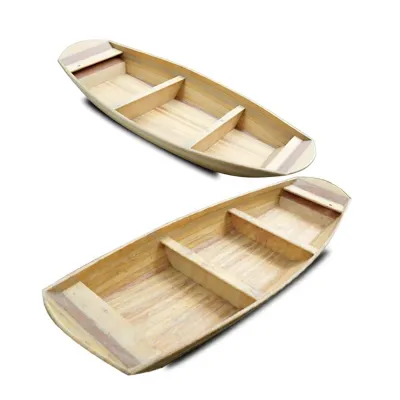
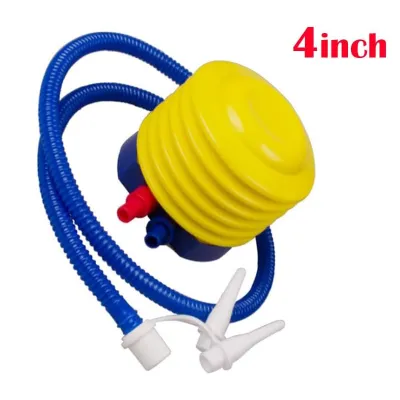
Prices are valid at publication and may change. Please refer to the product page for the latest price.
Local environmental factors and transport logistics should also dictate your choice. In tropical climates characterized by high temperatures, intense sunlight, and high humidity, materials degrade faster if not properly maintained. You must consider how you will transport and launch the vessel. If you drive a compact vehicle without a trailer or roof racks, a fully collapsible soft-bottom boat that fits into a trunk is the most practical choice. Conversely, if you have a utility vehicle or a trailer, a larger RIB or aluminum-floor model becomes a viable option, offering superior performance at the cost of portability.
Calculate Passenger Capacity and Weight Limits
Safety on the water is paramount, and water sports carry inherent risks that no equipment can fully eliminate. Proper maritime training, local weather awareness, and the consistent use of personal flotation devices (PFDs) are non-negotiable requirements for any boating excursion. Before purchasing, you must carefully calculate the total weight your boat will carry to ensure you never exceed the manufacturer’s safety limits.

To determine your required weight capacity, calculate the combined weight of all potential passengers, then add the weight of your gear. This gear includes fishing tackle, anchors, ropes, coolers, safety equipment, fuel tanks, batteries, and the outboard motor itself. It is easy to underestimate the weight of accessories; a full fuel tank and a four-stroke outboard motor can easily add a significant amount of weight to your payload. Exceeding the weight limit compromises the boat’s buoyancy, reduces maneuverability, and increases the risk of swamping in rough water.
You must also distinguish between the maximum legal capacity and the recommended comfortable capacity. A boat certified to carry five passengers may only comfortably accommodate three adults once you factor in gear, movement space, and stability. For activities like fishing, where casting and landing fish require physical movement, keeping the passenger count well below the maximum limit ensures a safer, more stable platform. Always locate the manufacturer’s capacity plate on the transom or inner hull to verify the maximum payload and maximum horsepower ratings before launching.
Compare Hull Designs and Material Durability
The construction of an inflatable boat directly influences its handling, stability, and lifespan. Soft-bottom boats, often featuring inflatable air-deck floors or wooden slats, are the lightest and most portable options. They are excellent for quick trips and calm waters but tend to flex in choppy conditions, which can feel unstable to inexperienced passengers. Aluminum floor models offer a middle ground, providing a completely flat, rigid standing surface that is highly durable and resistant to dropped gear, though they require more time to assemble and add significant weight.
Rigid inflatable boats (RIBs) feature a solid fiberglass or aluminum V-hull surrounded by inflatable collars. This design combines the buoyancy and stability of an inflatable boat with the tracking, speed, and wave-cutting capabilities of a traditional hard-shelled vessel. RIBs are the preferred choice for rougher coastal waters and high-speed transit, but they cannot be deflated into a carrying bag and must be stored on a trailer or davits.
Material durability is another critical factor, especially in tropical environments with high UV exposure and saltwater. Most inflatable boats are constructed from either PVC (polyvinyl chloride) or Hypalon (a synthetic rubber). PVC is lightweight, affordable, and easy to patch, but it requires regular application of UV-protectant sprays to prevent the material from becoming brittle under intense sunlight. Hypalon offers exceptional resistance to UV rays, saltwater, fuel spills, and abrasion, making it the preferred material for professional and long-term marine use, though it comes at a significantly higher price point.
When evaluating durability, pay close attention to construction details. Look for models with multiple independent air chambers; this ensures that if one chamber is punctured, the remaining chambers retain enough buoyancy to keep the boat afloat and allow you to return to shore safely. Additionally, verify that the seams are heat-welded rather than simply glued, as welded seams offer superior resistance to the high temperatures and humidity common in tropical regions. A reinforced transom is also essential if you plan to mount an outboard motor, as it must withstand constant engine vibration and torque.
Plan Your Budget and Check Package Inclusions
When planning your purchase, look beyond the initial price tag of the boat hull to understand the total cost of ownership. A complete, water-ready setup often requires several additional investments. If you plan to use a motor, the outboard engine itself will likely represent a significant portion of your budget, often costing more than the inflatable hull. You must also allocate funds for essential safety gear, including high-quality PFDs for every passenger, an anchor kit, a marine-grade whistle or horn, and a basic first-aid kit.
Evaluate what accessories are included in the base package of the model you are considering. Standard packages often include aluminum oars, a foot or hand pump, a carrying bag, and a basic repair kit. Some premium packages may also include seat cushions, under-seat storage bags, or a pressure gauge. If these items are not included, you will need to purchase them separately, which can quickly inflate your overall expenses. A high-pressure hand pump or an electric pump, for example, is highly recommended to ensure the boat is inflated to the correct operating pressure.
Long-term maintenance and storage costs should also be factored into your budget. To protect your investment, you will need specialized marine cleaning products, UV-protectant sprays, and potentially a heavy-duty boat cover if the vessel will be stored outdoors. If you choose a larger model that cannot be easily deflated and stored in a closet, you must consider the costs of a trailer, garage space, or marina storage. Regular maintenance, such as checking valves, patching minor scuffs, and servicing the outboard motor, is essential to prevent costly repairs down the road.
Verify Specifications and Warranty Before Purchase
Before finalizing your purchase, it is crucial to verify all product specifications to ensure the boat meets your safety and legal requirements. When shopping on online marketplaces or through third-party distributors, cross-reference the listed dimensions, weight capacities, and material specifications with the official manufacturer documentation. Discrepancies are common in online listings, and relying on inaccurate data can lead to purchasing a boat that is too small or incompatible with your outboard motor.
Upon delivery, conduct a thorough inspection of the package before taking the boat out on the water. Unpack the boat in a clean, dry, and flat area free of sharp objects. Inflate all air chambers to their recommended operating pressure using a pressure gauge, and let the boat sit for 24 hours. This test allows you to detect any slow leaks in the valves or seams before your first launch. Check that all advertised accessories are present and inspect the hull for any visible manufacturing defects, such as misaligned seams or loose transom mounts.
Finally, understand the warranty terms and the availability of after-sales support. In the Philippines, verify whether the seller provides local warranty service or if the boat must be shipped internationally for repairs, which can be prohibitively expensive and time-consuming. A reliable warranty should cover seam separation and material defects for a specified period. Knowing that you have access to replacement valves, patch materials, and professional repair advice locally provides peace of mind and ensures your boat remains seaworthy for years to come.
Frequently Asked Questions (FAQ)
Do I need to register my inflatable boat in the Philippines?
In the Philippines, registration requirements generally depend on whether the inflatable boat is motorized and how it will be used. Non-motorized inflatable boats used strictly for personal recreation in inland waters or close to shore typically do not require formal registration. However, if you attach an outboard motor or use the vessel for commercial purposes, such as tourism or commercial fishing, you must register the boat with the Maritime Industry Authority (MARINA) or comply with local municipal guidelines. It is always best to consult the nearest MARINA office or local coast guard station to verify the current regulations for your specific area and motor size.
Can I attach any outboard motor to an inflatable boat?
No, you cannot attach just any outboard motor to an inflatable boat. Every model has a strict maximum horsepower (HP) and motor weight limit specified on its capacity plate, which you must never exceed. Overpowering an inflatable boat can cause severe structural damage to the transom, lead to dangerous bow rise, or cause the boat to capsize at high speeds. Additionally, you must match the motor’s shaft length—typically a short shaft for most small to medium inflatables—to the height of the boat’s transom to ensure the propeller sits at the correct depth for optimal propulsion and cooling.
Community discussion
Share your experience or ask a question. Comments are reviewed before publication.