
To choose the right volleyball arm sleeves for floor burn protection, you must balance impact-absorbing padding, durable fabric coverage, and a secure, non-slip fit. Defensive specialists and liberos who frequently dive and slide on hard indoor courts need gear that shields the skin from friction while cushioning the forearms against heavy floor impacts. By verifying the padding material, measuring your arm for a precise fit, and selecting breathable, moisture-wicking fabrics, you can protect your arms without sacrificing your range of motion.
Understanding the Demands of Digging and Diving
Indoor volleyball courts in tropical climates like the Philippines can become hot and humid, making the court surface sticky or highly abrasive. When you dive or slide to save a ball, your forearms and elbows bear the brunt of the friction against the floor. This intense contact often leads to painful floor burns, which are superficial but highly irritating skin abrasions caused by friction.
Beyond friction, defensive plays also expose your joints to blunt force trauma. The sudden impact of your elbow or forearm hitting the hard court can cause deep bruising or joint discomfort. Padded arm sleeves act as a protective barrier, but they are designed to supplement, not replace, proper diving and rolling techniques. Developing correct form ensures you distribute your body weight safely, while the sleeves provide a reliable safety margin during high-speed defensive drills.
Products mentioned in this guide
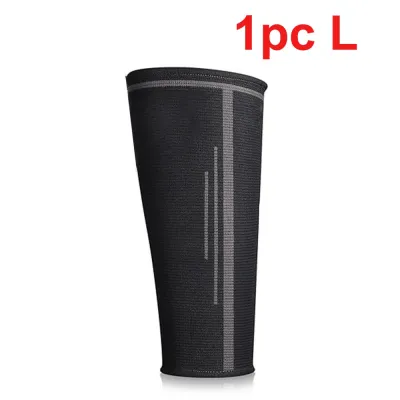
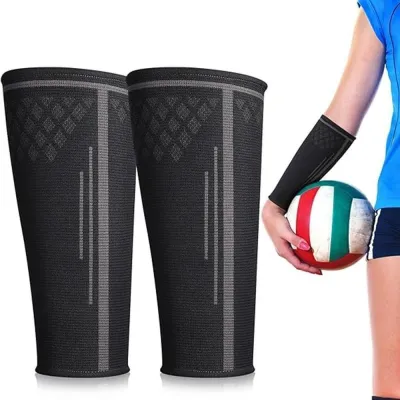
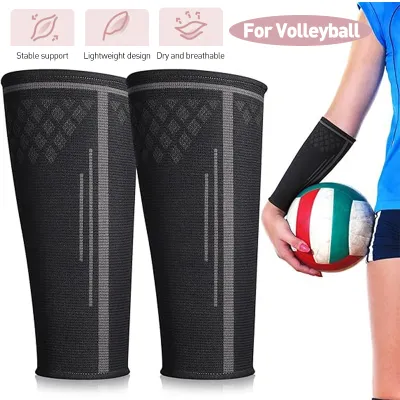
Prices are valid at publication and may change. Please refer to the product page for the latest price.
Key Features to Look for in Defensive Arm Sleeves
Selecting the right defensive arm sleeves requires looking closely at three main design elements: the padding material, the coverage area, and the fabric properties. These features must work in harmony to keep you comfortable and protected throughout a multi-set match.

While some sleeves focus solely on compression, defensive players need specialized designs that combine impact mitigation with abrasion resistance. Evaluating these features systematically ensures you invest in gear that withstands the rigors of floor-level play.
Padding Thickness and Impact Absorption
When evaluating padding, check the product labels or manufacturer specifications for high-density foam, ethylene-vinyl acetate (EVA), or gel inserts. EVA foam is highly valued for its lightweight shock absorption, while gel padding offers a more flexible, contouring feel that moves naturally with your arm.
Look for targeted padding zones that are strategically positioned over the elbow joint and the outer forearm, which are the primary contact points during a dig. The padding should cover these vulnerable areas completely without extending unnecessarily into the inner arm.
Be cautious of excessively bulky padding. While thicker padding might seem to offer more protection, it can restrict your elbow flexion and alter the feel of the ball during reception. Opt for low-profile, segmented padding designs that bend easily, allowing you to maintain a clean, consistent passing platform.
Coverage Area and Sleeve Length
Standard compression sleeves typically offer a thin layer of fabric designed for muscle warmth and mild scratch protection. For defensive specialists who frequently slide, extended or full-arm padded sleeves are much more effective, as they cover the arm from the mid-bicep down to the wrist.
To find the right size, measure your arm length from the lower bicep to the wrist crease using a flexible measuring tape. This measurement helps you verify that the sleeve will cover your entire forearm and elbow during dynamic movements.
A secure grip at both ends of the sleeve is critical. Look for sleeves equipped with non-slip silicone grippers or reinforced elastic bands at the bicep and wrist openings. Without a reliable grip, the sleeve can slide down during a dive, exposing your skin to the floor and causing distracting adjustments between rallies.
Breathability and Moisture Management
Playing volleyball in warm, humid environments means sweat is inevitable. When shopping for sleeves, check the fabric composition for moisture-wicking synthetic blends, such as polyester, nylon, and spandex. These materials pull sweat away from your skin to the outer layer of the fabric, where it can evaporate quickly.
Look for sleeves that feature integrated mesh panels or ventilation zones along the inner arm or elbow crease. These non-impact areas do not require padding, so adding mesh allows for maximum airflow and helps regulate your body temperature during intense training sessions.
Saturated, heavy sleeves can become a liability on the court. When fabric remains wet, it increases friction against your skin, which can lead to chafing and severe irritation. Choosing highly breathable fabrics ensures your sleeves remain lightweight and dry, preserving both comfort and grip.
Evaluating Fit and Compression for Court Mobility
Achieving the correct fit is essential for both protection and mobility. Light compression sleeves are comfortable for general wear but may slide around during high-impact plays. Firm compression is preferable for defensive players, as it keeps the padding securely in place and supports blood flow without restricting your movement.
Never rely on your standard t-shirt or apparel size when buying arm sleeves. Instead, use a measuring tape to find the exact circumference of your mid-bicep and the widest part of your forearm, then compare these numbers to the manufacturer’s specific sizing chart.
Once you receive your sleeves, perform a practical fit test at home. Put the sleeves on and flex your arms, mimic a passing platform, and swing your arms as if serving or spiking. The sleeve should feel snug and secure, but it must not cause numbness, tingling, cold fingers, or leave deep, painful indentations on your skin after you take it off. If you experience any of these symptoms, the sleeve is too tight and could restrict your circulation during play.
Maintenance and Care for Padded Sleeves
Proper care is vital to preserve the elasticity of the fabric and the integrity of the padding over time. Always check the care label on your sleeves before washing them. Most manufacturers recommend hand washing or using a gentle machine cycle with cold water.
Avoid using high heat from clothes dryers, as extreme temperatures can warp EVA foam, melt gel inserts, and degrade the elastic fibers in the fabric. Instead, hang your sleeves to air dry in a well-ventilated area away from direct sunlight. Refrain from using harsh detergents, bleach, or fabric softeners, which can break down the moisture-wicking treatments and weaken the seams.
Regularly inspect your sleeves for signs of wear and tear. Look closely at the seams for unraveling threads and check the padding for “compression set”—a condition where the foam remains permanently flattened and loses its cushioning ability. If the padding feels thin, lumpy, or if the sleeve no longer stays securely on your arm, it is time to replace them to ensure you remain fully protected on the court.
Frequently Asked Questions (FAQ)
Can I use standard compression sleeves instead of padded ones for digging?
Standard compression sleeves are excellent for keeping muscles warm and preventing minor scratches, but they offer very little protection against the hard impact of a gym floor. If your role on the team involves frequent diving, rolling, and floor-level defensive drills, you should opt for padded sleeves. The integrated foam or gel padding is specifically designed to absorb shock and prevent deep bruising, which standard fabric sleeves cannot do.
Do arm sleeves restrict arm movement when setting or spiking?
Properly fitted, high-quality padded sleeves are engineered to move dynamically with your joints. Segmented or flexible padding designs allow you to bend and extend your elbow fully without resistance. To ensure a sleeve will not hinder your setting or spiking, test your full range of motion during a fitting by mimicking your overhead setting motion and your full spiking arm swing. If the sleeve pulls tightly or limits your reach, try a different size or a more flexible, low-profile padding design.
Community discussion
Share your experience or ask a question. Comments are reviewed before publication.