
Finding the right workout gloves for women who are starting boxing training is not merely a matter of choosing a smaller size or a preferred color. Boxing is a high-impact sport where your hands, wrists, and forearms absorb significant kinetic energy with every strike. Because women generally possess different anatomical hand structures than men—such as narrower palms, shorter fingers, and smaller wrist circumferences—using generic or poorly fitted gloves can lead to hand fatigue, skin abrasions, or joint injuries. Selecting the perfect pair requires a balance of proper sizing, specialized padding, reliable wrist support, and materials that can withstand rigorous training environments.
Assess Your Hand Shape and Training Goals
Before browsing brands, it is essential to understand your unique hand anatomy and how it interacts with a boxing glove’s internal compartment. Most standard boxing gloves are designed around a unisex mold, which historically leans toward the bone structure and hand volume of average male athletes. For many women, this results in an oversized hand compartment where the palm area is too wide and the finger stalls are too deep. When you punch with a glove that is too spacious, your hand shifts inside the compartment upon impact, which misaligns your knuckles and reduces the efficiency of your wrist alignment.
Your primary training activities will dictate the specific features you need to prioritize. If your routine consists mostly of heavy bag workouts, your gloves will endure high-velocity impacts against dense, unforgiving surfaces. This scenario demands robust, shock-absorbing padding to protect your metacarpal bones. On the other hand, if you focus primarily on focus mitts or speed bag drills with a trainer, you will benefit from a lighter, more streamlined glove that offers crisp sensory feedback and allows you to move your hands quickly. For those advancing to sparring, a softer, high-volume glove is non-negotiable to ensure the safety of both your hands and your training partner.
Products mentioned in this guide
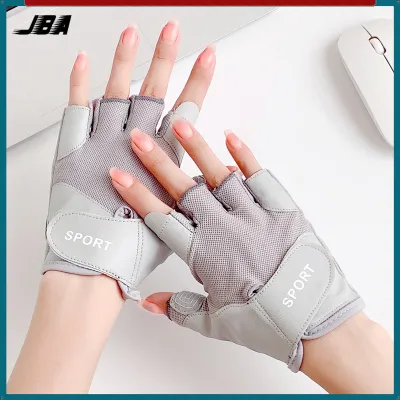
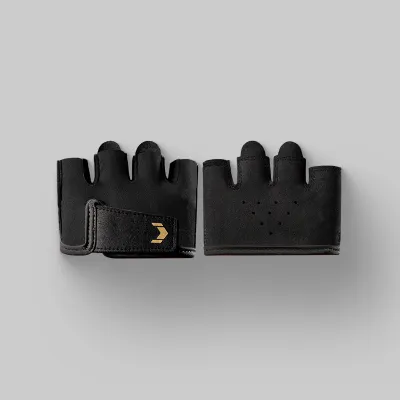
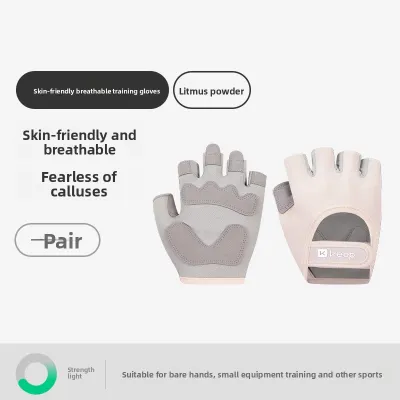
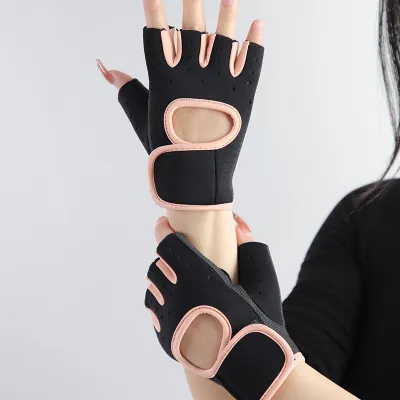
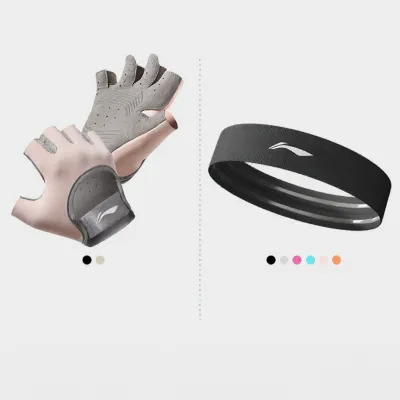
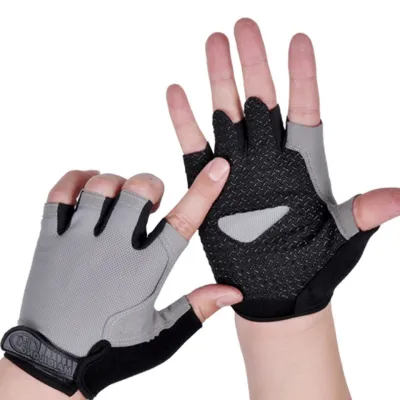
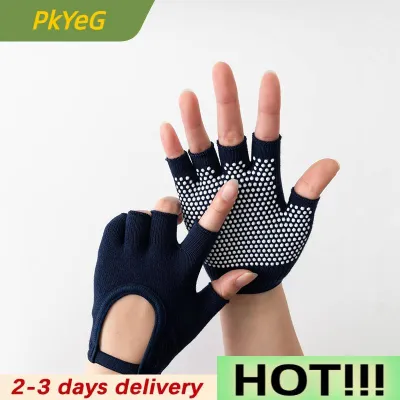
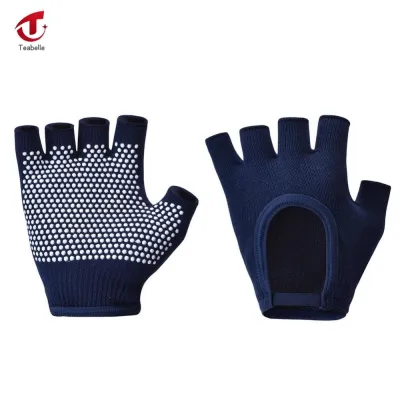
Prices are valid at publication and may change. Please refer to the product page for the latest price.
To establish a baseline for your search, take accurate measurements of your hands using a soft tailor’s tape measure. Wrap the tape around your dominant hand across the knuckles, excluding the thumb, while keeping your hand flat. This measurement gives you your hand circumference. Next, measure the distance from the tip of your middle finger down to the crease of your wrist to determine your hand length. Keep these two figures handy, as you will need to cross-reference them with the specific size charts of different manufacturers, rather than relying on generic small, medium, or large designations.
Choose the Right Weight of Workout Gloves for Women
One of the most common points of confusion for beginners is the ounce (oz) rating printed on the cuff of boxing gloves. This rating does not represent the overall physical size of the glove, but rather the weight of the protective foam padding packed into the knuckle area. Understanding this distinction is vital when selecting workout gloves for women, as the correct weight ensures you have enough protective barrier between your knuckles and your target.

For standard bag work, pad drills, and general conditioning classes, gloves weighing 10oz or 12oz are typically recommended for women. These weights offer a practical compromise, providing sufficient knuckle protection while remaining light enough to prevent premature shoulder fatigue during high-volume punching combinations. They allow you to focus on mastering proper punching mechanics, hand speed, and defensive transitions without feeling weighed down by excess bulk.
If your training transitions into sparring or heavy partner drills, you must switch to 14oz or 16oz gloves. Gyms globally enforce these higher weights for sparring because the thicker, softer padding significantly reduces the impact force delivered to your partner’s face and body, while also providing maximum defensive coverage when blocking incoming strikes. Even if you do not plan to spar, using a heavier 14oz glove during heavy bag sessions is an excellent way to build upper-body endurance and ensure maximum joint protection if you hit with substantial force.
Avoid the common misconception that women should automatically default to the lightest gloves available, such as 8oz options. While lighter gloves feel effortless during your first few sessions, they lack the necessary foam density to absorb the shock of repeated heavy impacts. If your body weight exceeds 60 kg (approximately 130 lbs), or if you possess natural punching power, a 10oz or 12oz glove should be your minimum baseline for bag work to prevent chronic knuckle bruising and wrist strain.
Evaluate Wrist Support and Closure Systems for Narrower Wrists
The wrist is the most vulnerable joint during boxing training, as it must remain perfectly straight to transfer the force of your punch safely from your forearm through to your knuckles. Because women often have narrower wrists and less forearm muscle mass than men, finding a glove that provides a secure, splint-like wrap around the wrist joint is critical for preventing hyperextension and acute sprains.
When comparing closure systems, you will primarily choose between hook-and-loop (Velcro) straps and traditional lace-up systems. Velcro straps are highly favored for fitness boxing and solo training sessions because they allow you to secure and remove your gloves independently. You can easily adjust the tightness between rounds or take off your gloves to grab water without needing external assistance. Lace-up gloves, conversely, offer a highly customized, uniform fit that molds perfectly to narrow wrists, but they require a coach or training partner to tie and untie them, making them less practical for solo workouts.
To ensure maximum wrist stability, look for gloves that feature wide, thick Velcro straps and extended cuff lengths. A wider strap distributes the tension over a larger surface area of your forearm, while an extended, rigid cuff acts as a structural stabilizer that prevents your wrist from bending or buckling upon impact. Some premium gloves incorporate dual-strap systems or reinforced parallel foam splints along the back of the wrist, which lock the joint into a neutral, straight position.
When trying on gloves, pay close attention to how the closure wraps around your wrist. The Velcro strap should pull tight enough to eliminate any internal gaps without cutting off your blood circulation or pinching your skin. If you find that you must pull the strap completely past the designated loop-and-hook receiver to make it feel secure, the glove’s cuff is too wide for your frame. This leaves dangerous play inside the wrist area, allowing the glove to shift and wobble when you land punches.
Check Padding, Materials, and Breathability for Humid Climates
The internal construction and outer materials of your boxing gloves directly impact their performance, comfort, and lifespan. This is especially true when training in tropical or highly humid environments, such as local gyms in the Philippines, where intense heat and sweat can rapidly degrade poor-quality gear.
The type of foam padding inside the glove determines how it absorbs impact over time. Multi-layer foam systems combine different densities of latex, polyurethane, and gel to provide progressive shock absorption, making them highly comfortable and protective for varied training. Alternatively, injection-molded foam (IMF) uses a single piece of pre-shaped foam that offers consistent density and excellent structural durability. IMF gloves are highly recommended for beginners because they maintain their protective shape exceptionally well under repeated heavy bag use.
For the outer shell, genuine leather (such as cowhide) remains the gold standard for durability, flexibility, and its natural ability to stretch and conform to your hand shape over time. However, high-quality synthetic leathers, such as microfiber or advanced polyurethane (PU), have become excellent, cost-effective alternatives. These synthetic options are highly resistant to moisture absorption, making them easier to wipe clean and less prone to waterlogging in humid conditions.
In hot, tropical climates, breathability is a major factor in preventing your gloves from becoming breeding grounds for bacteria and odor. Look for gloves that feature full mesh palm panels, perforated finger areas, and moisture-wicking inner linings. These features facilitate continuous airflow, helping to dry out the interior of the glove during and after your workouts. Some manufacturers also treat their inner linings with antimicrobial coatings, which help neutralize odor-causing microbes and extend the hygienic lifespan of your gear.
In the local market, high-quality synthetic gloves typically range from ₱1,500 to ₱3,500, making them an accessible entry point for beginners. Genuine leather options, while more of an investment at ₱4,000 to ₱8,000, offer unmatched longevity if you plan to train multiple times a week. Whichever material you choose, ensuring proper ventilation will protect your financial investment from the destructive effects of tropical humidity.
How to Test the Fit and Comfort Before You Commit
Investing in a pair of boxing gloves requires a physical fitting process to ensure they match your hand shape and training style. Before you make your final purchase, follow a systematic checklist to verify that the gloves offer a safe, comfortable, and functional fit.
First, always perform your fitting while wearing standard 180-inch hand wraps. Hand wraps are a non-negotiable safety component that protects the small bones of your hands and fills out the excess space inside the glove. Trying on gloves bare-handed will give you a false sense of roominess, and you will likely find the gloves painfully tight once you wrap your hands for an actual training session.
Next, check your finger placement inside the hand compartment. Your fingertips should lightly touch the top end of the glove without feeling bent, cramped, or compressed. If your fingers are forced into a curled position, the glove is too short and will cause painful nail damage during impacts. Conversely, if there is a significant gap at the fingertips, your hand will slide forward when you punch, leading to poor knuckle alignment and potential joint strain.
Perform a fist test by slowly clenching your hand. The glove’s natural curvature should allow you to make a tight, secure fist effortlessly, with your thumb resting comfortably and ergonomically across your index and middle fingers. If you have to exert continuous forearm strength just to keep the glove closed, or if the thumb position feels awkward and exposed, you run a high risk of jamming your thumb or fatiguing your hands prematurely.
Establish clear stop conditions during your fitting. If you experience localized pressure points along your knuckles, pinching around your thumb, or any tingling or numbness in your fingers after wearing the gloves for a few minutes, do not buy them. These minor discomforts will quickly turn into painful injuries under the force of high-impact bag work.
Basic Maintenance to Keep Your Gloves Fresh and Odor-Free
Proper post-workout care is essential to protect your investment and maintain hygiene, particularly in warm, humid climates where moisture-loving bacteria thrive. Developing a consistent maintenance routine will keep your gloves smelling fresh and prevent the internal foam from breaking down prematurely.
Immediately after every training session, use a dry microfiber cloth to wipe away sweat, dirt, and oils from the outer shell of your gloves. Never leave your damp gloves zipped up inside a dark, unventilated gym bag, as this creates an ideal environment for mold and bacteria to grow. Instead, loop them over the exterior of your bag or place them in a breathable mesh gear bag for transport. Once you return home, open the wrist straps as wide as possible and leave the gloves in a well-ventilated indoor space away from direct sunlight, which can dry out and crack the leather or synthetic outer shell.
For cleaning, use a damp cloth with a mild, diluted soap solution to wipe down the exterior. Avoid using harsh chemical cleaners, alcohol sprays, or submerging the gloves entirely in water. Soaking your gloves or washing them in a washing machine will ruin the internal foam structure and dissolve the adhesives holding the glove together. To keep the interior fresh, you can lightly spray a specialized, non-abrasive glove deodorizer or a mixture of water and tea tree oil inside, ensuring you wipe it dry afterward.
To combat high ambient humidity, insert moisture-absorbing accessories inside your gloves when storing them. Specialized glove deodorizers filled with cedar chips, activated charcoal, or silica gel packs are highly effective at drawing out trapped moisture from the deep toe-box of the glove. These inserts not only dry the interior quickly but also neutralize stubborn odors, ensuring your gloves are fresh and ready for your next training session.
Frequently Asked Questions (FAQ)
Can women just buy smaller sizes of men's boxing gloves?
While physically purchasing a smaller size of a men’s or unisex glove is possible, it rarely provides an optimal fit for women’s hands. Men’s gloves are scaled based on a wider hand profile, meaning a smaller size (like an 8oz or 10oz) will simply have shorter dimensions but may still retain a wide hand compartment and a loose wrist cuff. This structural mismatch allows your hand to slide around inside, leading to poor knuckle alignment, friction burns, and inadequate wrist support. Choosing gloves specifically designed for women, or unisex brands known for narrower profiles, ensures that the internal compartment, finger length, and wrist strap are properly proportioned to keep your hands secure and aligned.
Do I need separate gloves for heavy bag work and sparring?
For beginners, investing in multiple pairs of gloves is generally unnecessary. A high-quality, versatile 14oz or 16oz training glove is sufficient to handle heavy bag work, pad drills, and occasional light partner work as you build your foundational skills. However, as your training advances and you begin sparring regularly, you should invest in separate pairs. Heavy bag gloves require dense, impact-resistant padding that can withstand repeated high-velocity strikes without collapsing. Sparring gloves, by contrast, feature much softer, pillowy padding designed to cushion impacts and protect your sparring partner from cuts and concussions. Using your sparring gloves on a heavy bag will quickly compress the soft foam, ruining them for safe partner work.
Community discussion
Share your experience or ask a question. Comments are reviewed before publication.