
To select the right YINGFA goggles, you must match the lens profile and gasket design to your primary aquatic activity. Competitive training demands low-profile, hydrodynamic goggles with a secure dual strap to withstand explosive dives and turns. Regular fitness lap swimming requires mid-profile gaskets that prioritize comfort during extended sessions. Open-water swimmers need wide-vision lenses with mirrored coatings to handle intense tropical glare, while casual beachgoers and recreational swimmers benefit most from high-profile, soft-seal mask designs. By aligning these specific design features with your swimming environment and face shape, you can ensure a leak-free, comfortable swim.
Quick Guide: Matching YINGFA Goggles to Your Swim Profile
YINGFA has established itself as a highly reliable and cost-effective brand across the Philippines, favored by school swim teams, fitness enthusiasts, and competitive athletes alike. Known for delivering high-quality materials without the premium price tag of Western competitive brands, YINGFA offers a diverse lineup that caters to various skill levels and aquatic environments. Whether you are training in a highly chlorinated municipal pool in Metro Manila or swimming in the open coastal waters of Batangas, selecting the correct goggle profile is essential for performance and eye protection.
To help you identify the right style immediately, the table below maps the four primary swimming profiles to their corresponding goggle designs and key feature priorities:
Products mentioned in this guide
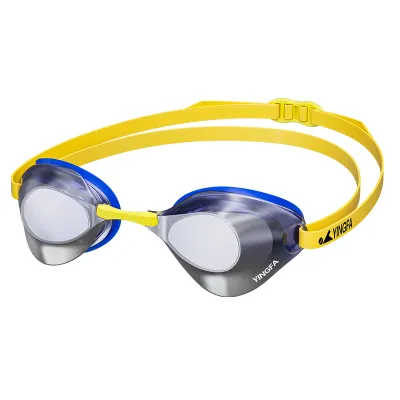
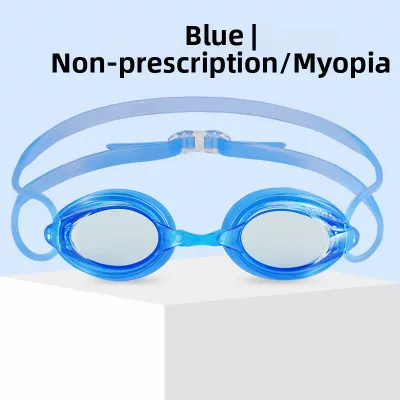
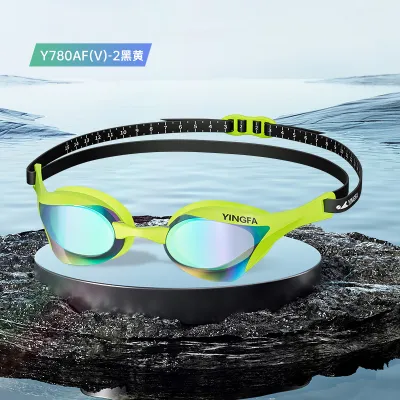
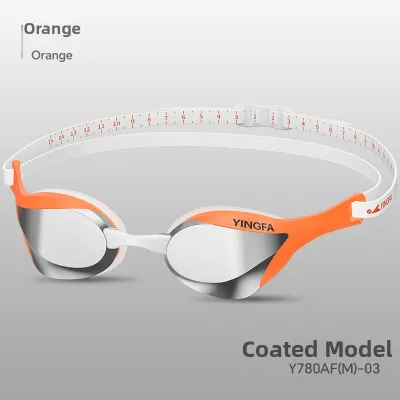
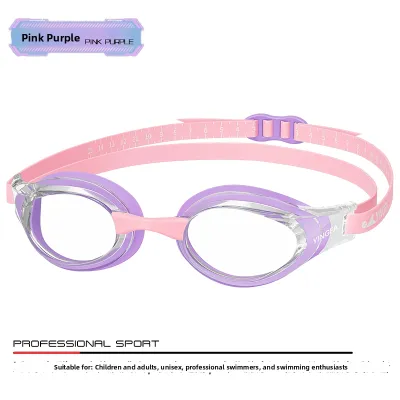
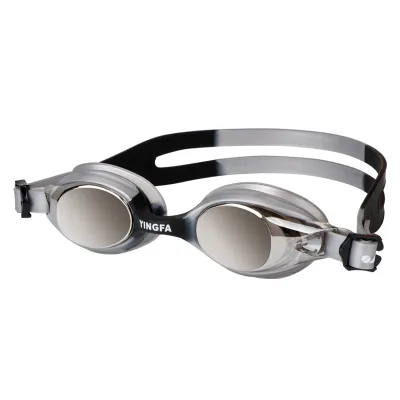
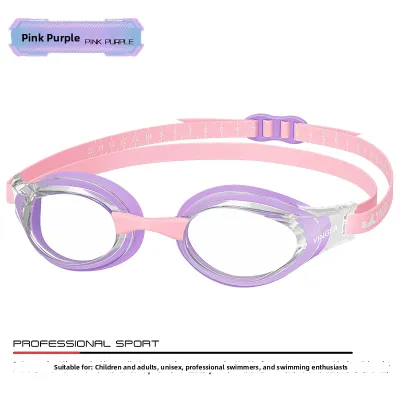
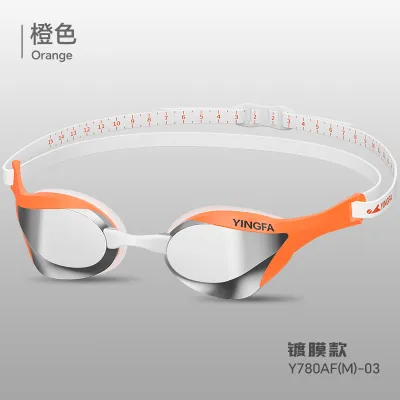
Prices are valid at publication and may change. Please refer to the product page for the latest price.
| Swim Profile | Recommended Goggle Type | Key Feature Priority | Ideal Environment |
|---|---|---|---|
| Competitive Training | Low-Profile / Racing | Minimal drag, dual strap, secure orbital fit | Indoor/Outdoor competition pools |
| Regular Lap Swimming | Mid-Profile / Fitness | Cushioned silicone gaskets, anti-fog, easy-adjust buckles | Covered or indoor fitness pools |
| Open Water & Triathlon | Wide-Vision / Mirrored | Panoramic view, high UV protection, glare reduction | Seas, lakes, and bright outdoor venues |
| Casual & Recreation | High-Profile / Mask-Style | Maximum comfort, flexible frame, easy fit | Resort pools, calm beaches, leisure play |
When shopping for YINGFA goggles, keep in mind that specific model numbers and colorways frequently rotate across local sports shops and online marketplaces. Rather than searching for a single elusive model name, you will achieve a much better fit by focusing on the core design specifications, lens shapes, and gasket materials detailed in this guide.
Key Features to Evaluate in YINGFA Swimming Goggles
Lens Shape and Profile
The physical shape of the lens determines both how much water resistance you experience and how much of your surroundings you can see. Low-profile lenses sit deep within the eye socket, minimizing the surface area that projects outward from your face. This design significantly reduces hydrodynamic drag, helping competitive swimmers shave fractions of a second off their times. In contrast, mid-profile and high-profile lenses sit further away from the eye, providing a wider, more natural field of vision at the expense of slightly increased water resistance.

Lens Tint and Coatings
Selecting the right lens tint is crucial for visual clarity and eye safety, especially under the intense tropical sun of the Philippines. Clear lenses are designed for low-light environments, such as indoor pools or evening swim sessions, as they let in the maximum amount of light. Tinted or smoke lenses provide moderate light reduction for overcast days or well-lit indoor facilities. Mirrored lenses feature a reflective outer coating that deflects harsh light and surface glare, making them indispensable for outdoor pools and open-water swimming. Always verify that the product packaging or listing explicitly states a certified UV protection rating to shield your eyes from harmful ultraviolet radiation.
Eye Cup and Seal Materials
The seal, or gasket, is the part of the goggle that rests directly against your skin to prevent water from leaking in. Most modern YINGFA goggles utilize high-grade silicone or thermoplastic rubber (TPR) for their seals. Liquid silicone gaskets are highly flexible, durable, and conform easily to the contours of the face, distributing pressure evenly. If you have sensitive skin or are prone to contact dermatitis, check the product specifications for hypoallergenic silicone labels to avoid irritation from prolonged exposure to pool chemicals and sweat.
Nose Bridge Adjustability
A secure seal depends heavily on how well the goggles span the bridge of your nose. YINGFA goggles generally feature either fixed, flexible self-adjusting nose bridges or interchangeable nose pieces of varying lengths (typically small, medium, and large). Fixed or self-adjusting bridges are convenient for casual swimmers because they require no setup, but interchangeable nose bridges offer a highly customized fit. Adjusting the distance between the eye cups ensures that the gaskets sit perfectly on your orbital bones without pinching the bridge of your nose or leaving gaps near the inner corners of your eyes.
Choosing the Right YINGFA Goggles for Your Swimming Style
Competitive Training and Racing
Competitive swimming demands gear that can withstand high-velocity water flow without shifting. For racing and high-intensity training, you should select YINGFA’s low-profile, socket-style goggles. These models feature compact polycarbonate eye cups designed to sit snugly inside the orbital socket, minimizing the drag coefficient as you glide through the water. The streamlined profile ensures that the goggles remain firmly in place during explosive starts off the starting blocks and high-speed flip turns.
To secure this low-profile fit, racing goggles utilize dual-strap silicone headbands. Unlike single-strap designs, a dual-strap system allows you to position one strap high on the crown of your head and the other lower down, anchoring the eye cups from two distinct angles. This split tension prevents the goggles from slipping down your face when you hit the water at high speeds.
The primary trade-off for this high-performance design is long-term comfort. Because socket-style goggles sit directly inside the eye path, they rely on firmer, narrower seals that can leave temporary red marks around your eyes after an extended workout. To manage this, look for models featuring low-profile gaskets made of soft micro-silicone, and ensure you verify the strap tension mechanism to allow for quick, precise adjustments between training sets.
Regular Lap Swimming and Fitness
If your routine consists of 45- to 60-minute lap sessions several times a week, comfort and durability should be your primary concerns. For fitness swimming, mid-profile YINGFA goggles are the ideal choice. These models feature wider, thicker silicone gaskets that sit comfortably on the outer edge of the orbital bone rather than inside the socket. This design distributes the suction pressure over a larger surface area, preventing headaches and reducing the deep skin indentations associated with racing models.
Because fitness swimming often takes place in humid indoor or covered pools, lens fogging can quickly disrupt your rhythm. Look for YINGFA models that feature factory-applied anti-fog coatings on the inner surface of the lenses. Additionally, prioritize models equipped with quick-adjust side buckles. These mechanisms allow you to loosen or tighten the head strap with a simple pinch of a button while you are in the water, eliminating the need to take the goggles completely off to adjust the fit.
Your choice of lens tint for fitness swimming should match your regular training venue. If you swim in covered municipal pools with moderate overhead lighting, clear or light blue lenses will enhance contrast and visibility. If your local pool is outdoors and you swim during peak daylight hours, opt for smoke-tinted or lightly mirrored lenses to prevent eye strain from the bright water surface.
Open Water and Triathlon
Swimming in open water, such as lakes, rivers, or the open sea, presents environmental challenges that pool swimmers rarely encounter. For these conditions, you need YINGFA goggles that prioritize wide peripheral vision and robust glare protection. Wide-vision or curved-lens goggles are essential here, as they allow you to sight buoys, navigate currents, and monitor nearby swimmers without constantly turning your head and disrupting your stroke.
When swimming outdoors in the Philippines, the glare from the sun reflecting off the water can be blinding. It is critical to choose mirrored or dark-tinted lenses with verified UV protection labels. These specialized coatings filter out intense horizontal light reflections, allowing you to maintain clear vision and spot safety markers even when swimming directly toward the sun.
Safety is the absolute priority in any open-water setting. Please remember that high-quality goggles are designed solely to assist your vision; they cannot replace proper open-water safety training, physical conditioning, or the use of mandatory safety gear like highly visible swim buoys. Before entering deep water, always perform a thorough seal check, and immediately return to shallow water or signal for assistance if water leaks inside your goggles and compromises your sight.
Casual and Recreational Swimming
For family outings, resort vacations, or light backyard pool play, performance metrics like drag reduction are irrelevant. Instead, casual swimmers should focus on maximum comfort, simplicity, and ease of use. High-profile, mask-style YINGFA goggles or models with extra-thick, plush silicone gaskets are perfect for these activities. These designs place almost no pressure on the sensitive areas around the eyes, making them comfortable to wear for hours of relaxed swimming.
Recreational goggles often feature a one-piece flexible frame. This means the nose bridge and the eye cup frames are molded from a single piece of soft, pliable material that naturally stretches and bends to match the shape of your face. This eliminates the need to fiddle with interchangeable nose pieces or worry about rigid plastic parts digging into your skin.
These models also feature simple, tool-free strap adjustments that are easy for beginners to operate. While these high-profile goggles will easily slip off if you attempt a competitive dive or a fast flip turn, they are exceptionally well-suited for wading, light snorkeling, and casual swimming where comfort is your only goal.
Fit, Sizing, and Face Shape Considerations
The Suction Test
Before you take your new YINGFA goggles to the pool, you should perform a dry-fit suction test to verify that the frame shape matches your facial structure. This quick test allows you to check the seal without getting wet:
- Gently press the goggle eye cups against your eyes without placing the strap over your head.
- Apply light, even pressure to push out the air inside the cups, creating a vacuum.
- Release your hands.
If the goggles stick to your face for a few seconds before falling off, the shape of the gasket is a good match for your orbital bones, indicating a reliable, watertight seal. If they pop off instantly without any suction, water will likely leak past the seal during your swim, meaning you should adjust the nose bridge or try a different model.
Facial Structures and Adjustability
Facial structures vary widely, and a goggle that fits one swimmer perfectly may leak constantly on another. Swimmers with lower nose bridges often find that standard, rigid goggles gap at the inner corners of the eyes, allowing water to seep in. To accommodate these diverse facial shapes, many YINGFA models feature interchangeable nose bridges of different widths or highly flexible, self-adjusting silicone bridges. Choosing a model with these adjustable features allows you to customize the spacing of the eye cups, ensuring the gaskets rest securely on your skin regardless of your facial structure.
Adult vs. Junior Sizing
It is vital to select the correct age-category sizing when purchasing goggles. YINGFA designs separate models for adults and juniors (youth). Junior goggles feature smaller eye cups, narrower nose bridges, and shorter straps tailored to children and teenagers. Adults should avoid purchasing junior sizes in an attempt to get a “tighter” fit. Doing so forces the small eye cups to sit too close to the sensitive corners of the eyes, which can compress the eyeball, cause severe eye strain, and ultimately lead to leaks because the gasket cannot clear the wider adult orbital bone.
Prescription Needs
If you wear corrective glasses or contact lenses, swimming with standard goggles can leave your vision blurry and make navigating the pool or open water hazardous. To address this, YINGFA offers optical goggles with step diopter options. These prescription goggles feature corrective lenses, typically ranging from -1.5 to -8.0 diopters, allowing nearsighted swimmers to see clearly. When selecting optical goggles, it is generally recommended to round down slightly to the nearest half-diopter (for example, choosing -3.0 if your exact prescription is -3.25) to prevent eye strain and headaches while in the water.
Care and Maintenance to Extend Goggle Lifespan
Rinsing and Drying
Chlorine, saltwater, sweat, and sunscreen will gradually chemically degrade the soft silicone seals and straps of your goggles, causing them to become brittle, yellow, or lose their elasticity. To prevent this, always rinse your goggles thoroughly with fresh, cool tap water immediately after every swim. Once rinsed, shake off the excess water and allow them to air-dry completely in a shaded, well-ventilated indoor area. Never leave your goggles to dry in direct sunlight, as intense heat and UV rays will warp the plastic frame and accelerate the breakdown of the silicone straps.
Protecting the Anti-Fog Layer
The factory-applied anti-fog coating on the inside of YINGFA goggles is extremely delicate and thin. Wiping, rubbing, or touching the inside of the lenses with your fingers, towels, or swim shirts will instantly scratch or strip this protective layer away. If your goggles begin to fog up during a swim, gently dip them in the pool water to clear the condensation, but do not touch the inner lens. Once the original factory coating naturally wears off over months of use, you can restore clarity by applying a dedicated commercial anti-fog spray or a drop of highly diluted, non-irritating baby shampoo, rinsing the lenses gently with fresh water before putting them on.
Storage Best Practices
Rather than tossing your goggles loosely into a swim bag where they can rub against keys, zippers, or rough training gear, always store them in a hard protective case. A dedicated case prevents the exterior of the lenses from getting scratched and protects the soft silicone eye cups from being crushed or permanently deformed. If a hard case is not available, wrap your dry goggles in a soft microfiber cloth before placing them in your bag.
Frequently Asked Questions (FAQ)
How do I stop my YINGFA goggles from fogging up during a swim?
To prevent fogging, never touch or wipe the delicate inside surface of the lenses, as this destroys the factory anti-fog coating. If the original coating has worn off, apply a commercial anti-fog spray or a drop of highly diluted, tear-free baby shampoo to the inside of the lenses, rinse them gently in fresh water, and shake off the excess before swimming.
Can I use YINGFA pool goggles for open water swimming?
While you can physically wear pool goggles in open water, standard pool models lack the wide-angle peripheral vision needed to sight markers and navigate safely. Furthermore, they often do not provide the heavy mirrored coatings required to block intense solar glare, which can make swimming in open outdoor waters uncomfortable and hazardous.
How tight should the strap be to prevent leaking?
The head strap is designed solely to keep the goggles positioned on your face, not to create the watertight seal. The seal is formed entirely by the suction of the silicone gaskets against your skin. Over-tightening the strap will not stop a poorly fitting goggle from leaking; instead, it will cause headaches, eye strain, and can warp the silicone gasket, actually increasing the likelihood of leaks.
Community discussion
Share your experience or ask a question. Comments are reviewed before publication.