
Selecting your first baseball bat is one of the most critical decisions you will make when entering the sport. The right bat acts as an extension of your body, allowing you to develop a clean swing path, build confidence at the plate, and avoid early injuries. Conversely, an improperly sized or illegal bat can hinder your mechanical development, lead to physical strain, and result in wasted money if it is banned from your local league.
To choose the perfect first bat, you must evaluate three primary pillars: league rules, physical dimensions (length and weight), and material composition. In the Philippines, where baseball is growing in popularity through school leagues, community tournaments, and amateur associations, finding the right balance between these factors ensures you step into the batter’s box fully prepared. This guide provides a step-by-step roadmap to finding a bat that matches your current physical strength, skill level, and budget.
Check League Rules and Bat Certifications First
Before you step foot in a sporting goods store or browse online catalogs, you must determine the specific rules of the league you plan to join. Baseball governing bodies strictly regulate the size, weight, and materials of baseball bats to maintain player safety and ensure fair competition. Purchasing a high-end bat only to discover it is illegal for your division is a frustrating and expensive mistake that many beginners make.
Products mentioned in this guide
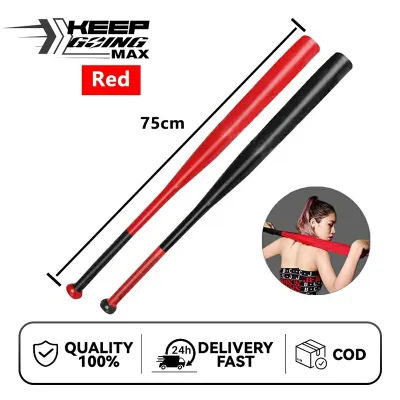
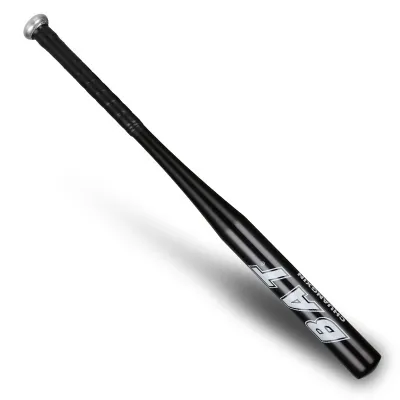
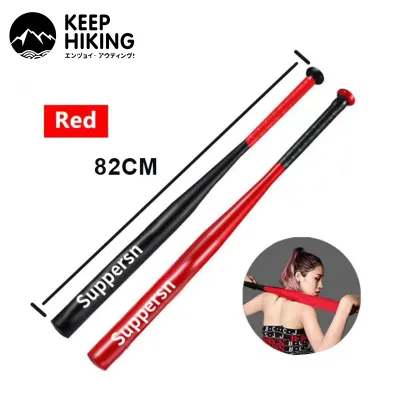
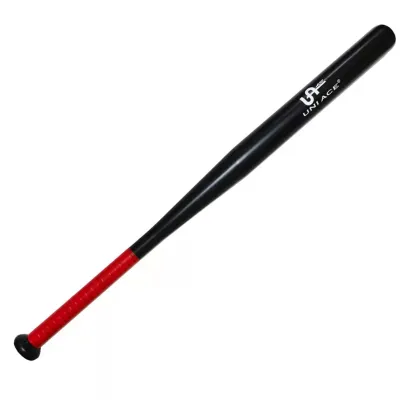
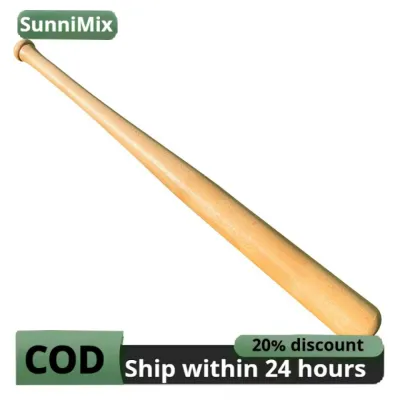
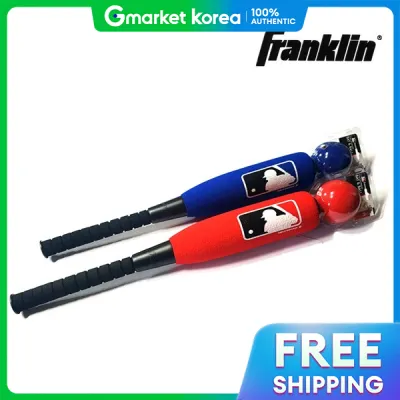
Prices are valid at publication and may change. Please refer to the product page for the latest price.
In the Philippines, organized baseball spans various levels, including Little League Philippines, high school tournaments, university divisions, and local weekend amateur leagues. Each of these organizations aligns with specific international standards that dictate which bats are permitted. These rules are usually updated annually, meaning you must verify the current rulebook before making any transaction.
When inspecting a bat, you will find certification stamps printed directly on the barrel, just above the grip taper. The three most common certifications you will encounter include:
- USA Baseball: This standard is designed to make wood-like performance available in non-wood bats, prioritizing control and safety. It is typically required in Little League, Babe Ruth, and youth divisions.
- USSSA (United States Specialty Sports Association): Often referred to as "1.15 BPF" (Bat Performance Factor), these bats are engineered to have more rebound. They are commonly used in competitive travel ball and some local youth tournaments, but are strictly banned in leagues that require USA Baseball stamps.
- BBCOR (Batted Ball Coefficient of Restitution): This is the standard for high school and collegiate play. BBCOR bats always feature a -3 drop weight and a 2 5/8-inch barrel diameter, designed to perform similarly to traditional wood bats for safety and skill development.
Before committing to a purchase, consult your head coach, team manager, or league coordinator. Ask for the exact specifications regarding barrel diameter, maximum length, and required certification stamps. Never rely solely on a brand’s marketing claims or the visual appeal of a bat; if it lacks the correct stamp for your league, you will not be allowed to use it in an official game.
How to Measure for the Right Bat Length and Weight
Once you know the regulatory boundaries of your league, your next task is to find a bat that physically fits your body. A bat that is too long or heavy will slow down your swing, making it difficult to catch up to fastballs and causing your hands to drag through the hitting zone. Conversely, a bat that is too short or light will limit your plate coverage and rob you of the driving power needed to hit the ball into the outfield.

Sizing a bat requires balancing length and weight to maximize your swing velocity while maintaining total control over the barrel. Because every player has a unique combination of height, arm length, and physical strength, you should use physical measurements rather than relying purely on age-based generalities.
Finding the Correct Length
To find your ideal bat length, you can use two simple, time-tested physical measurements that do not require any specialized equipment.
The first method is the “chest-to-fingertip” test. Stand up straight and extend one arm out parallel to the ground, keeping it completely straight. Place the knob of the baseball bat at the center of your chest, pointing the barrel outward along your extended arm. If you can comfortably reach out and touch the end cap of the bat with your fingertips, the length is appropriate. If your fingers cannot reach the end cap, the bat is too long; if your palm or wrist extends past the end cap, the bat is too short.
The second method is the “hip-to-floor” test. Stand with your feet flat on the ground and place the bat vertically next to your leg. The knob of the bat should reach the crease of your hip or your beltline. If the bat extends past your waist, or if you have to bend down to touch the knob, the length is likely incorrect for your height.
While manufacturer sizing charts provide a helpful baseline based on your height and weight, they should only serve as a starting point. Your physical comfort and your ability to control the bat during a full swing are always more important than a standardized grid on a website.
Understanding Drop Weight
In baseball terminology, the weight of a bat is almost always discussed in terms of its “drop weight.” The drop weight is a negative number that represents the mathematical difference between the bat’s length in inches and its weight in ounces. For example, if a bat is 30 inches long and weighs 20 ounces, it has a drop weight of -10 (30 minus 20 equals 10).
Understanding this relationship is crucial because a higher negative number indicates a lighter bat:
- High Drop Weights (-10 to -13): These bats are exceptionally light and are designed for youth players and complete beginners. The reduced weight allows developing players to focus on learning proper hand path, maintaining balance, and generating high bat speed without straining their muscles.
- Moderate Drop Weights (-5 to -8): As players transition into intermediate leagues, they move to heavier bats to prepare for senior play. These bats offer more mass, which translates to greater power when contact is made.
- Low Drop Weights (-3): This is the mandatory standard for high school, college, and senior amateur leagues under BBCOR rules. A -3 bat is significantly heavier and requires established physical strength and refined mechanics to swing effectively.
If you are a beginner, always err on the side of a lighter bat (a higher drop weight) within your league’s limits. It is far easier to correct a swing that is slightly too fast than it is to fix the mechanical flaws caused by struggling to lift a bat that is too heavy.
Compare Baseball Bats by Material: Alloy, Composite, and Wood
The material of your baseball bat directly influences its price, durability, sound, and how it feels when you make contact with the ball. Modern technology has expanded options beyond traditional wood, introducing high-performance metals and fiber-reinforced polymers. Understanding the trade-offs of each material will help you align your purchase with your development goals and budget.
Alloy (Aluminum) Bats
Alloy bats, constructed from aluminum mixed with other metals, are the standard recommendation for first-time players. They are highly durable, virtually indestructible under normal playing conditions, and do not require any special care or preparation.
One of the biggest advantages of an alloy bat is that it is immediately ready for game use the moment you buy it, requiring no break-in period. Alloy bats also tend to be more affordable than composite models, making them an excellent choice for beginners testing their interest in the sport.
However, alloy bats have a stiffer feel upon contact and feature a slightly smaller “sweet spot” (the optimal hitting area on the barrel) than composite bats. When you mishit a ball near the handle or the end cap, an alloy bat will transmit a sharp vibration or “sting” to your hands. While this sting can be uncomfortable, many coaches view it as an excellent teaching tool because it gives immediate, honest feedback on whether you made clean contact.
Composite Bats
Composite bats are made from a carbon-fiber polymer material, similar to the materials used in high-end tennis rackets or bicycle frames. These bats are highly prized for their performance, but they require a higher financial investment and specific maintenance.
The primary benefit of a composite bat is its large sweet spot and its ability to absorb vibration. Mishits with a composite bat rarely sting your hands, which can prevent a beginner from becoming timid at the plate. Additionally, composite barrels have a trampoline effect that can propel the ball further once the material is fully broken in.
To break in a composite bat, you must take 150 to 200 practice swings off a tee or during soft-toss, rotating the bat a quarter-turn after each hit to ensure the fibers loosen evenly. It is important to note that composite materials are sensitive to temperature and impact density. While the warm, tropical climate of the Philippines means you do not have to worry about cold-weather cracking, you must still avoid using composite bats with heavy, dense practice balls or yellow dimpled batting cage balls, as these can cause internal fractures that ruin the bat’s performance.
Wood Bats
Wood bats represent the classic, traditional side of baseball. Typically carved from maple, ash, or birch, they offer a distinct sound and a satisfying, solid feel upon contact.
For most beginners, however, wood bats are not the practical choice. They have a very small sweet spot, are significantly heavier than alloy or composite bats (usually featuring a drop weight of -2 or -3), and can easily splinter or snap if you make contact near the handle or the end of the barrel. This low durability can make wood bats highly expensive over time if you have to replace them frequently.
Wood bats are generally reserved for professional leagues, specific wood-bat amateur tournaments, or advanced players who use them during practice to perfect their hitting mechanics. If you choose to practice with a wood bat, it will force you to hit the ball precisely on the sweet spot, but it is usually best to use an alloy or composite bat for your actual league games.
Set a Realistic Budget for Your First Bat
Investing in baseball gear requires a balanced approach, especially since your first bat is unlikely to be your last. As you grow stronger and your skills improve, your sizing needs and league requirements will inevitably change. Therefore, setting a realistic budget that prioritizes safety and utility over premium marketing is the smartest path forward.
In the Philippine market, baseball bats generally fall into three distinct price bands:
- Entry-Level (₱2,500 to ₱5,000): This tier consists primarily of reliable, one-piece alloy bats from reputable brands. These bats are highly durable, meet standard league certifications, and provide everything a beginner needs to learn the game without a massive financial commitment.
- Mid-Range (₱5,000 to ₱12,000): Here, you will find advanced alloy bats and entry-level composite or hybrid (alloy barrel with a composite handle) models. These bats offer better weight distribution, slightly larger sweet spots, and improved vibration dampening.
- Premium (₱12,000 to ₱25,000+): This tier features top-tier composite bats and high-end BBCOR models engineered for maximum performance. While these bats are excellent, their high cost is rarely justified for a beginner who is still developing basic swing mechanics.
For your first bat, target the entry-level to mid-range tier, focusing on a reputable one-piece alloy bat. This style offers the best value for your money, lasting for multiple seasons of practice and games without losing its structural integrity.
Be highly cautious of suspiciously cheap bats sold on unverified online marketplaces or social media groups, often priced under ₱1,000. These products are frequently counterfeits or low-quality aluminum toys that lack proper safety certifications. Under the force of a real baseball, these cheap bats can easily dent, bend, or even shatter, presenting a severe safety hazard to you and everyone on the field.
To ensure your safety and protect your investment, always purchase your bat from authorized sporting goods stores, specialized baseball distributors, or official brand outlets in the Philippines. Buying from authorized channels guarantees that the certification stamps are authentic and that your purchase is backed by a manufacturer’s warranty in case of defects.
Test Your Bat Fit and Swing Mechanics
Before you take your new bat to a game or remove its plastic wrapping (which often voids the return policy), you must physically test how it feels in motion. Sizing charts and measurements are only guides; your muscles and joints will give you the final verdict on whether a bat is truly a good fit.
To run a physical diagnostic on your bat, start with the straight-arm hold test. Grip the handle of the bat with your dominant hand and extend your arm straight out to your side, parallel to the ground. Hold this position for 30 to 45 seconds without letting your arm drop, shake, or bend at the elbow. If you cannot hold the bat steady for this duration, the bat is too heavy for your current upper-body strength, and you should select a lighter model.
Next, find a safe, open outdoor space away from people, pets, and property. Take 10 to 15 full, controlled practice swings at game-speed intensity, visualizing a pitch coming across the plate. Pay close attention to how your body reacts during the swing:
- Signs the bat is too heavy: Your hands drag behind your body, the barrel of the bat dips or lags toward the ground, you lose your balance during the follow-through, or your shoulders tilt excessively to compensate for the weight.
- Signs the bat is too light: You feel like you are swinging a plastic toy, you cannot feel where the barrel is in space, or your swing is so fast that you lose control of your hands and wrist posture at the end of the motion.
- Signs of a perfect fit: Your swing feels smooth and balanced from start to finish. You can easily control the path of the barrel, your hands finish high and clean, and your body remains balanced over your feet throughout the entire motion.
If the bat fails these physical tests, do not hesitate to exchange it for a shorter or lighter model. Your priority is to build clean, repeatable swing mechanics; a bat that forces you to strain will only teach you bad habits that are difficult to unlearn.
Common Sizing and Purchasing Mistakes to Avoid
Avoiding common pitfalls during the buying process will save you money and protect your physical development as a player. Many beginners fall into the same traps, which can easily be avoided with a little patience and preparation.
The most common mistake is adopting a “bigger is better” mindset. Beginners often believe that a longer or heavier bat will automatically translate to longer hits. In reality, power in baseball comes from bat speed and precise contact. A massive bat that you swing slowly will always perform worse than a lighter bat that you swing with explosive speed and perfect control.
Another frequent error is buying a bat for the player to “grow into.” Parents often buy a bat that is one or two sizes too large for their children, hoping it will last them for several years. This approach is highly counterproductive. Swinging a bat that is too large forces the player to drop their hands, ruin their posture, and develop a casting swing that is incredibly difficult to correct later. Furthermore, the physical strain of managing an oversized bat can lead to wrist, elbow, or shoulder injuries.
Finally, never skip the step of verifying the league certification stamp, even if a bat is offered at a massive discount. A cheap, high-performance bat is useless if the umpire rejects it during pre-game equipment checks. Take your time, do your research, and prioritize a bat that matches your current physical capabilities and league rules to ensure a successful start to your baseball journey.
Community discussion
Share your experience or ask a question. Comments are reviewed before publication.