
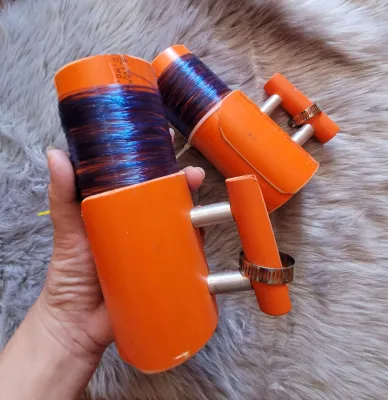
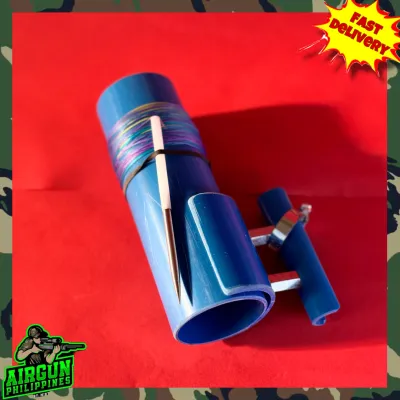
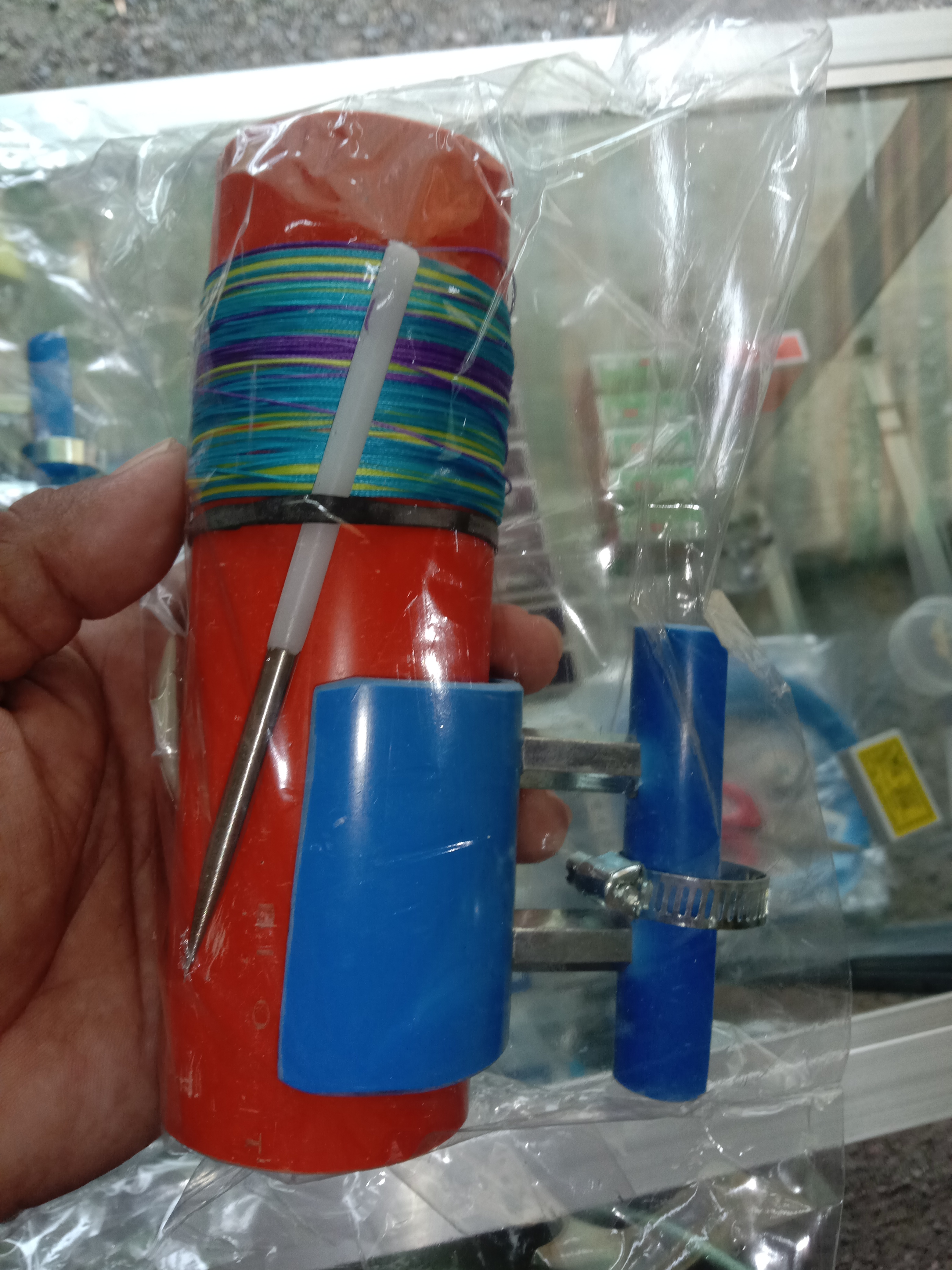
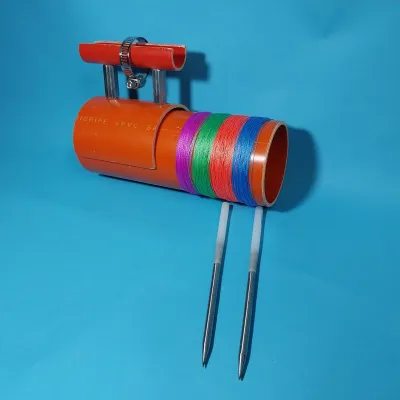
Starting your fishing journey can feel overwhelming when faced with walls of specialized gear, but finding the right beginner setup does not require professional-level expertise. A complete starter kit—often referred to as a tiksay set for fishing—typically bundles a rod, a matching reel, basic line, and a small selection of terminal tackle to get you on the water quickly. To make a smart purchase, you must prioritize a balanced system where the rod’s strength matches the reel’s capacity, and the entire setup fits the specific environment you plan to fish. By focusing on ease of use, durability under tropical conditions, and clear manufacturer specifications, you can avoid common gear failures and focus on learning the basic techniques of casting and retrieval.
Diagnose Your Fishing Environment and Target Species
Before browsing any online marketplace or local tackle shop, you must define where you will fish and what you hope to catch. In the Philippines, fishing environments vary wildly, from brackish estuaries and freshwater lakes to saltwater shorelines and concrete piers. Saltwater is highly corrosive, meaning any gear used coastal-side requires superior rust resistance, particularly in the guides and reel bearings. If you plan to fish inland ponds for tilapia, dalag (mudfish), or hito (catfish), your gear does not need to withstand the harsh chemical toll of the sea, allowing you to focus your budget on sensitivity and lightweight handling.
The size and species of your target fish dictate the strength of your entire setup. Beginners often make the mistake of buying heavy, stiff rods designed for offshore monsters when they are actually targeting fish under two kilograms. A light to medium-power setup is highly versatile, offering enough flexibility to feel the bite of a small milkfish while retaining enough backbone to land a surprise mangrove jack.
Products mentioned in this guide
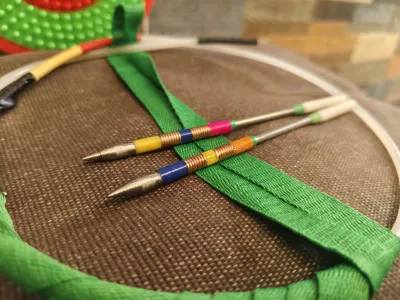
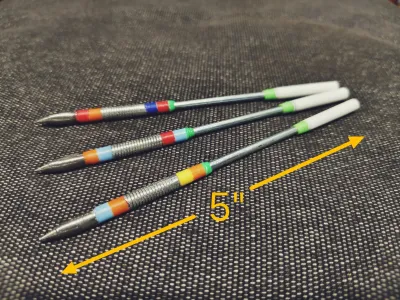
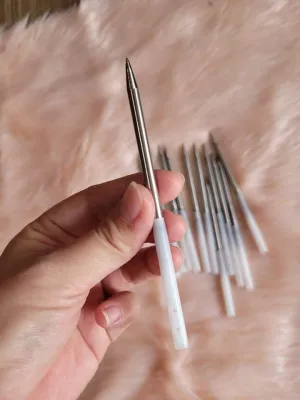
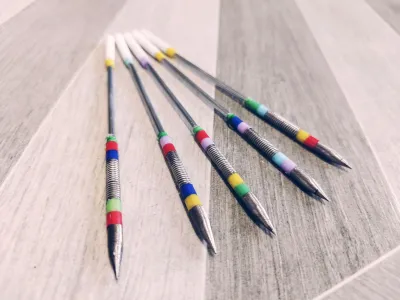
Prices are valid at publication and may change. Please refer to the product page for the latest price.
Finally, consider your physical surroundings and casting constraints. If you are casting from a crowded bamboo dock or an overgrown riverbank lined with mangrove roots, a long, cumbersome rod will constantly snag on branches. A shorter, more manageable rod allows for precise, short-range casts in tight spaces, while open beaches or wide lakeshores demand longer rods to help you reach deeper water.
Select a Beginner-Friendly Fishing Rod
The fishing rod acts as an extension of your arm, translating the movement of your wrist into a clean cast and helping you control a struggling fish. For most beginners, a rod length between six and seven feet (approximately 1.8 to 2.1 meters) offers the ideal balance between casting distance and physical control. This length is short enough to handle without fatigue, yet long enough to provide adequate leverage when pulling a fish away from underwater structures like rocks or submerged branches.

When inspecting a rod, look closely at the manufacturer labels printed just above the handle grip. Here, you will find ratings for power (ranging from ultra-light to heavy) and action (ranging from slow to fast). For a versatile starter setup, a medium-power rod with a fast or moderate-fast action is highly recommended. Medium power ensures the rod can handle a wide variety of fish sizes, while a fast action means the rod bends primarily near the tip, making it easier to detect subtle bites and set the hook quickly.
Do not overlook the physical construction of the rod, especially the guide rings where the line runs. Run your finger gently along the inside of each guide ring to check for cracks, chips, or rough edges that could shred your fishing line during a cast. Opt for rods featuring ceramic inserts within metal frames, as these dissipate heat from line friction and resist the grooving caused by modern braided lines. Ensure the guides are perfectly aligned in a straight line down the blank to guarantee smooth line flow.
Pick a Forgiving and Easy-to-Use Reel
A reel that constantly tangles or jams can quickly ruin a day on the water, making user-friendliness your top priority. For beginners, the choice generally comes down to spincast reels and spinning reels. Spincast reels feature a closed face and a simple push-button mechanism, making them incredibly easy to operate, though they offer limited casting distance and line capacity. Spinning reels, with their open-face design and under-the-rod mounting, require a bit more practice to master but provide far greater versatility, smoother drag systems, and better durability for growing skills.
When evaluating a reel, check the gear ratio printed on the body, which is expressed as a set of numbers like 5.2:1. This ratio indicates how many times the internal spool rotates for every single turn of the handle. A moderate gear ratio between 5.0:1 and 6.0:1 is ideal for beginners, offering a balanced retrieval speed that works well for both active lure retrieving and stationary bait fishing without requiring excessive physical effort.
The drag system is your primary defense against large fish breaking your line, so testing its adjustability is crucial. Locate the drag knob—usually positioned on the front of the spool for spinning reels—and turn it to ensure it clicks smoothly and offers progressive resistance. Pull some line off the reel by hand with the drag engaged; the line should release smoothly without jerking, stuttering, or binding, which indicates a reliable drag system that will protect your line under tension.
Match Line, Hooks, and Bait to Your Setup
Your terminal tackle—the line, hook, and bait at the very end of your setup—must work in perfect harmony with your rod and reel. Always read the line weight rating printed on your rod blank and match your fishing line accordingly. If you spool a 20-pound test line onto a rod rated only for 6-to-12-pound lines, you risk snapping the rod tip before the line ever breaks; conversely, using a line that is too light will result in frequent breakages when casting heavier baits.
Hook selection should match both the size of your bait and the mouth structure of your target species. For natural baits, bait-holder hooks with small barbs on the shank help keep worms, shrimp, or dough bait securely in place. If you are targeting species with smaller mouths like tilapia, opt for smaller hook sizes (such as size 6 or 8), whereas larger predators require thicker, wider-gap hooks to ensure a solid hookset in tough jaw cartilage.
Choosing between artificial lures and natural bait depends heavily on water conditions and your patience level. Natural baits, such as live shrimp, earthworms, or local dough mixtures, rely on scent and are highly effective in murky or slow-moving waters where fish cannot see clearly. Artificial lures, like soft plastics or metal spoons, require active casting and retrieving to mimic injured prey, making them excellent choices in clearer waters where fish hunt primarily by sight.
Evaluate Pre-Packaged Sets Versus Custom Builds
Purchasing a pre-packaged tiksay set for fishing is an excellent, cost-effective way to enter the sport, but you must inspect the bundle carefully to ensure it offers real value. Many starter kits include a small plastic tackle box filled with hooks, sinkers, swivels, and floats. Examine the latches and hinges of these boxes; cheap, brittle plastic will quickly crack under the tropical sun or fail after a few drops, spilling your gear.
Do not rely solely on flashy marketing stickers on the packaging; instead, verify the actual specifications of the rod and reel. Ensure the rod is made of durable fiberglass or a graphite composite, and check that the reel body feels solid without excessive play or wobbling in the handle. Some ultra-cheap bundles pair a decent rod with an incredibly fragile plastic reel that will strip its gears on the first medium-sized fish.
Finally, identify any missing essentials that the pre-packaged set might omit. Many starter kits do not include line clippers, pliers for hook removal, or a basic rag to wipe your hands. Budgeting a small amount to purchase these inexpensive tools separately will save you immense frustration on your first outing, turning a basic bundle into a truly functional, ready-to-fish system.
Frequently Asked Questions (FAQ)
How should I clean my fishing gear after a saltwater trip?
To prevent corrosion, rinse your rod and reel thoroughly with a gentle stream of fresh water as soon as you return home. Avoid using high-pressure hoses, which can force salt and grit deep into the reel’s internal gears. Wipe down the rod blank, guides, and reel body with a soft, dry cloth, and back off the drag knob completely to relieve pressure on the internal drag washers during storage. If recommended by the manufacturer, apply a drop of specialized reel oil to the main shaft and line roller to maintain smooth operation.
What is a reasonable budget for a first-time fishing setup?
A reliable, entry-level fishing set generally ranges from ₱1,000 to ₱3,000 in the local market. While it is tempting to buy the cheapest option available, ultra-cheap setups often feature low-quality lines and fragile reel gears that tangle constantly and break easily. Allocating a slightly higher portion of your budget to a reel with a smooth metal or composite body and reliable drag will significantly improve your learning experience and ensure your gear lasts beyond your first few trips.
Community discussion
Share your experience or ask a question. Comments are reviewed before publication.