
Selecting your first kettlebell requires balancing your current physical strength with the specific types of movements you plan to perform. Unlike traditional dumbbells, a kettlebell features an off-center weight distribution that challenges your core, grip, and stabilizing muscles in unique ways. To find the right starting point, you must evaluate your fitness background, understand the difference between ballistic and slow-tempo exercises, and choose a style that matches your training environment. Making an informed choice prevents early injury, ensures steady progression, and saves you from purchasing equipment that quickly becomes obsolete.
Assess Your Current Fitness Level and Goals
Your fitness journey dictates the ideal starting point for kettlebell training. If you have experience with resistance training using bodyweight, dumbbells, or barbells, your baseline strength and motor control will be higher than someone starting from a sedentary lifestyle. Beginners with prior lifting experience can typically handle slightly heavier starting weights because their nervous systems are already accustomed to stabilizing external loads. Conversely, if you are new to strength training, starting with a lighter, highly manageable weight allows you to focus entirely on movement mechanics without overwhelming your joints.
The specific exercises you want to perform also shape your equipment needs. Kettlebell movements generally fall into two categories: ballistics (like swings) and grinds (like overhead presses). Ballistic movements are explosive, fast-paced exercises that rely on momentum generated by your hips and glutes, requiring a heavier weight to create proper momentum. Grind movements are slow, deliberate exercises that require continuous muscle tension, meaning they isolate smaller upper-body muscles and require a lighter, more manageable load.
Products mentioned in this guide
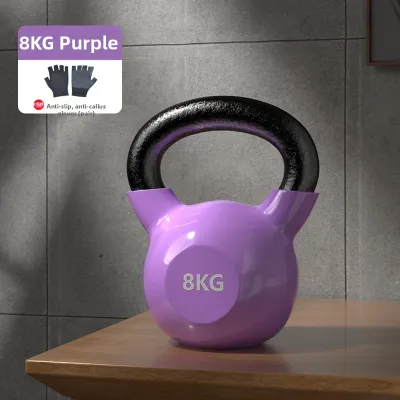
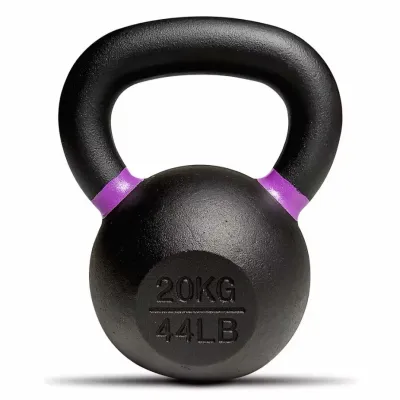
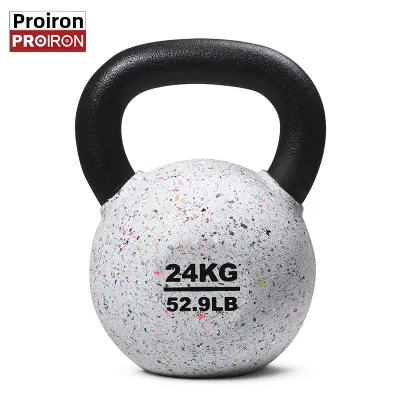
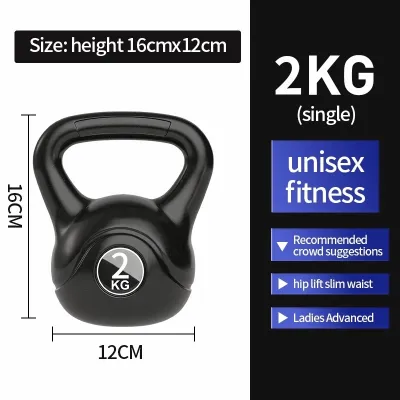
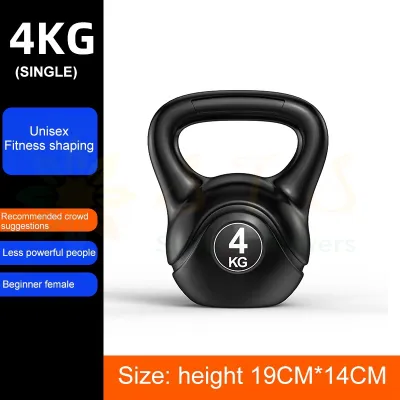
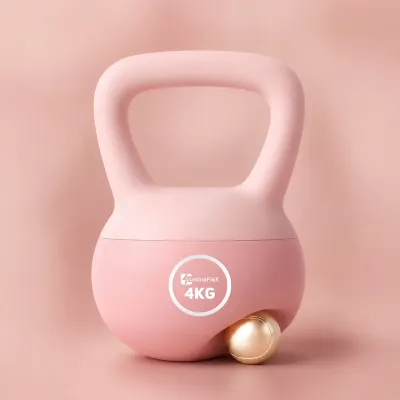

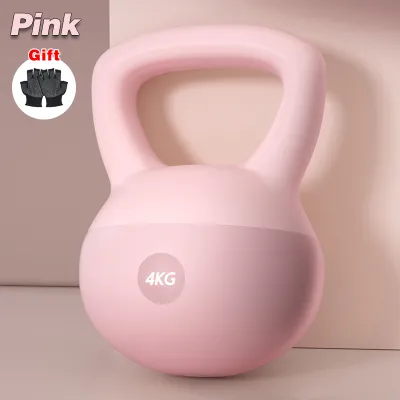
Prices are valid at publication and may change. Please refer to the product page for the latest price.
Physical limitations and training environments must also guide your initial selection. If you have a history of lower back discomfort, shoulder impingement, or wrist instability, a conservative starting weight is essential to prevent re-injury. Additionally, in tropical climates with high humidity, bare steel or low-grade iron can rust rapidly if stored in a garage, outdoor balcony, or non-air-conditioned home gym. If you train indoors on tiled or wooden floors, you must consider floor protection, such as rubber matting or vinyl-coated kettlebells, to prevent cracking or scratching.
Choosing the Right Kettlebell Weight
Selecting the correct weight requires matching the load to the movement type. For ballistic exercises like the two-handed swing, a weight that is too light can compromise your form, allowing you to muscle the bell up using your arms rather than driving the movement with your hips. For grind exercises like the overhead press, a weight that is too heavy will cause your form to break down, putting unnecessary stress on your rotator cuff and lower back. You can estimate your starting weight by testing your strength with familiar dumbbell exercises: if you can comfortably perform ten clean, controlled dumbbell overhead presses with a specific weight, a kettlebell of a similar weight is generally a safe starting point for grind movements.

For ballistic movements, you can typically select a weight that is roughly one and a half to two times heavier than your single-dumbbell press weight, provided you have mastered the hip-hinge pattern. Paying attention to physical feedback during your workouts will tell you if your kettlebell is appropriate. Signs that a kettlebell is too heavy include a rounded lower back during swings, an inability to keep your wrists straight during presses, or a feeling of joint strain rather than muscle fatigue. Conversely, if you can easily swing the kettlebell overhead using only your arms without engaging your hips, or if you feel no muscular engagement at all, the weight is likely too light to teach proper ballistic mechanics.
When building your starter setup, you must decide between buying a single versatile weight, a pair of identical weights, or an adjustable model. A single kettlebell is highly cost-effective and sufficient for learning foundational single-arm and two-handed movements. While double-kettlebell training offers advanced strength benefits, it is generally not recommended for absolute beginners due to the increased coordination and stabilization required. An adjustable kettlebell offers a space-saving alternative that allows you to increase the weight in small increments as you grow stronger, making it an excellent long-term investment for home gyms.
Selecting the Right Kettlebell Style and Material
Kettlebells generally come in three main designs: standard cast iron, uniform competition style, and adjustable models. Standard cast iron kettlebells increase in physical size as they get heavier, meaning a lighter bell will have a smaller body and a narrower handle window than a heavier one. Competition kettlebells, made of steel, maintain the exact same dimensions, handle diameter, and window size regardless of their weight. For beginners, cast iron is often more accessible and budget-friendly, while competition bells are ideal for those who want consistent hand placement and forearm contact points as they progress to heavier loads.
Handle characteristics and surface finishes directly impact your grip security and comfort, especially during high-repetition sets in warm, humid conditions. Powder-coated cast iron provides a textured surface that holds chalk well and offers a secure grip even when your hands are sweaty. Bare steel handles on competition bells are smooth and rotate easily in the hand, but they require regular maintenance to prevent rust in tropical environments. Avoid cheap plastic or vinyl-wrapped handles with prominent molding seams, as these seams can cause painful friction, blisters, and skin tears during dynamic movements.
Adjustable kettlebells are highly practical for home training spaces where floor area is limited. These models feature a hollow outer shell that houses removable weight plates secured by an internal locking mechanism. While the initial cost of a high-quality adjustable kettlebell may be higher than a single cast iron bell, it replaces multiple individual weights, saving both money and storage space over time. When choosing an adjustable model, verify that the weight increments are small enough to allow for gradual progression, particularly for upper-body grind exercises.
The physical shape of the kettlebell’s body and base is critical for safety and exercise versatility. A high-quality kettlebell must feature a flat, machined base that allows it to sit securely on the floor without wobbling or tipping over during floor-based exercises like renegade rows or push-ups. Additionally, the body of the bell should have smooth, rounded contours without sharp ridges or manufacturing imperfections, ensuring comfortable contact against your forearm during rack position exercises and overhead presses.
Safety Checks and Proper Handling for Beginners
Before starting any workout, perform a thorough visual and tactile inspection of your kettlebell. Run your hands along the handle and the body to check for manufacturing defects, sharp metal burrs, or rough patches that could damage your skin. If you are using an adjustable kettlebell, you must verify its structural integrity before every single training session, ensuring the internal locking pin or clamp is fully engaged and tightened according to the manufacturer’s instructions. Never use an adjustable model if the internal plates feel loose or rattle excessively.
Knowing when to stop an exercise is crucial for preventing acute injuries and chronic joint strain. Establish clear stop conditions before you begin your sets: immediately park the kettlebell if your grip begins to slip, if you feel your lower back rounding during a swing, or if you experience sharp pain in your shoulders or wrists. Dizziness, shortness of breath, or a sudden loss of core stability are also immediate signals to safely lower the weight to the ground. Equipment cannot replace personal judgment, and pushing through compromised form will quickly lead to injury.
Mastering foundational bodyweight mechanics is a prerequisite for safe kettlebell training. Before adding external resistance, you must be able to perform a clean hip-hinge and maintain a braced, neutral spine using only your bodyweight. Once you can consistently stabilize your core and drive your hips without rounding your spine, you can safely introduce the kettlebell to build strength and power.
Frequently Asked Questions (FAQ)
Can I use a dumbbell instead of a kettlebell for beginner exercises?
Yes, you can substitute a dumbbell for strict grind exercises like goblet squats, lunges, and overhead presses, as these movements do not rely on momentum. However, dumbbells are not ideal for ballistic movements like swings. A kettlebell’s center of mass lies outside your hand, which creates a unique pulling force that activates your posterior chain and core stabilizers. A dumbbell’s balanced, central grip changes the leverage and trajectory, making dynamic swinging movements awkward and less effective.
How do I know when it is time to increase my kettlebell weight?
You are ready to progress when you can perform your target repetitions with proper form and minimal cardiovascular or muscular fatigue. For grind exercises, look for the ability to complete three extra repetitions past your target goal on consecutive workouts while maintaining a neutral spine and straight wrists. For ballistic movements, you should feel that the kettlebell easily floats to chest height during swings with minimal effort from your arms, indicating your hips are generating excess power that can handle a heavier load.
Community discussion
Share your experience or ask a question. Comments are reviewed before publication.