
Selecting your first baseball or softball bat is a pivotal decision that directly shapes your development on the field. Choosing the right metal bat requires balancing three physical elements: your height, your current upper-body strength, and the specific rules of the league you are joining. A poorly fitted bat can compromise your swing mechanics, while a well-matched one acts as a natural extension of your arms, helping you make clean, consistent contact.
Many beginners make the mistake of choosing a bat based solely on professional player preferences or cosmetic designs. However, the mechanics of a beginner’s swing require specific support that only certain sizes and weights can provide. By focusing on practical fit tests and understanding bat specifications, you can find an option that builds confidence and improves your performance at the plate.
Why Metal Bats Are the Best Starting Point
Wood bats require precise contact on the sweet spot to avoid splintering, and composite bats often require a tedious break-in period before they reach peak performance. For a beginner, a metal bat—typically made of aluminum alloy—offers immediate playability right out of the wrapper. You do not need to spend hours hitting off a tee just to compress the barrel fibers; you can take it straight to the batter’s box.
Products mentioned in this guide
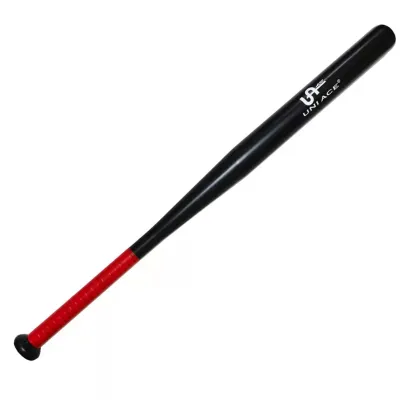

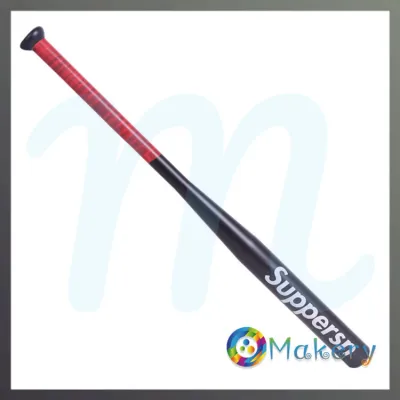
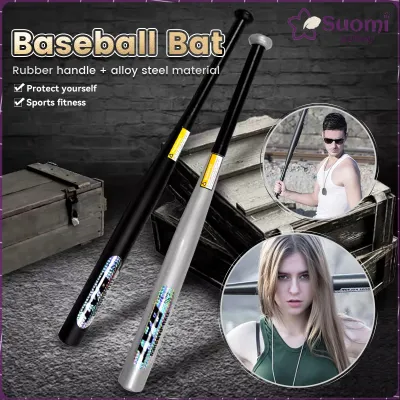
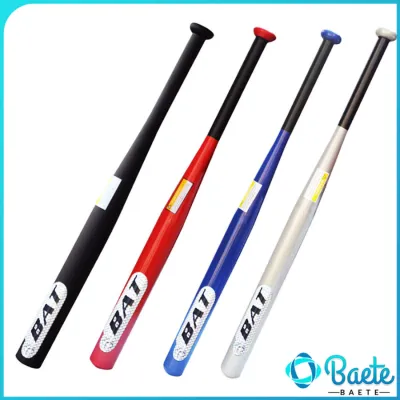
Prices are valid at publication and may change. Please refer to the product page for the latest price.
Durability is another major advantage, especially in tropical climates like the Philippines. High humidity and sudden rain showers can warp wood or degrade composite materials over time. Metal bats withstand wet weather, damp storage bags, and high-velocity impacts without cracking, making them a highly cost-effective investment for players starting their journey.
Furthermore, the inherent stiffness of an alloy barrel provides clear, immediate feedback. When you hit the ball off-center, you will feel a distinct vibration in your hands. This physical feedback is incredibly valuable for beginners because it teaches you exactly where you made contact, helping you adjust your hand-eye coordination and swing path much faster than a vibration-dampening composite bat would.
From a financial standpoint, alloy bats are generally more accessible for players testing their interest in the sport. Entry-level metal bats typically range from ₱2,500 to ₱6,000, whereas composite alternatives often require a much higher initial investment. This makes metal the logical choice for players who want quality gear without a massive financial commitment.
Step 1: Find Your Ideal Bat Length
Finding the right length is the first step because a bat that is too long or too short will force you to alter your natural posture. If the bat is too long, you will likely drag the barrel through the strike zone, leading to late swings. If it is too short, you will sacrifice your reach, leaving you unable to hit pitches on the outer edge of the plate.

To find your starting point, you can use standard physical dimensions. Generally, players under 4 feet tall should look at bats between 26 and 29 inches, while players between 4 feet and 5 feet 4 inches usually fit bats ranging from 29 to 31 inches. Taller players will typically require bats from 31 to 34 inches. However, these are general starting points, and you should always test the fit physically.
You can perform two simple, low-risk physical tests at home or in a sports store to verify the length:
- The Chest Test: Place the round knob of the bat at the center of your chest, pointing the barrel straight out to your side, parallel to the ground. If you can comfortably reach out and touch the very tip of the bat barrel with your fingertips, the length is generally appropriate.
- The Leg Test: Stand the bat vertically on the ground right next to your leg. The knob of the bat should reach the center of your palm when your arm is hanging relaxed at your side. If the knob reaches past your wrist or down to your mid-thigh, the length is likely incorrect.
Advise against simply buying the longest bat available under the assumption that it will give you more plate coverage. Excessive length adds unnecessary swing weight, which slows down your hands and makes it incredibly difficult to catch up to faster pitches.
Step 2: Choose the Right Drop Weight for Your Swing
Once you have determined the correct length, you must decide on the weight. In baseball and softball, bat weight is measured using “drop weight,” which is written as a negative number (such as -10 or -3). The drop weight is the mathematical difference between the bat’s length in inches and its weight in ounces. For example, a bat that is 30 inches long and weighs 20 ounces has a drop weight of -10.
A larger drop number indicates a lighter bat. Beginners and younger players almost always benefit from a lighter swing weight, such as a -10, -11, or -12 drop. When you are still learning how to coordinate your hips, torso, and hands during a swing, a lighter bat allows you to generate necessary bat speed and maintain precise control through the strike zone.
As you grow stronger and transition into older age brackets, you will gradually move toward heavier bats with smaller drop numbers, such as -5 or -3. For instance, high school and college leagues typically mandate a -3 drop weight to prepare players for adult competition. It is crucial to check your current strength and league rules before making a purchase, as swinging a bat that is too heavy too soon will cause your hands to drop, ruining your swing plane.
Choosing the wrong drop weight can also lead to bad habits that are difficult to break. If a beginner uses a bat that is too heavy, they will often compensate by casting their arms outward or dropping their shoulder, which destroys their swing mechanics. Prioritize control and speed over raw weight during your first season.
Step 3: Compare Alloy Types and Barrel Sizes
Not all metal bats are constructed the same way. When browsing options, you will encounter different alloy compositions, construction styles, and barrel diameters that directly impact how the bat feels when making contact.
- Alloy Composition: Standard aluminum bats are highly affordable and durable, making them excellent for casual play or initial training. Advanced aerospace alloys, which incorporate metals like scandium or zinc, allow manufacturers to create thinner, stronger walls. This design often results in a larger sweet spot and a more responsive barrel, though you should verify specific performance claims on the product label.
- One-Piece vs. Two-Piece Construction: A one-piece metal bat is crafted from a single continuous piece of alloy. This design is stiff and transfers maximum energy to the ball, but it also transmits more sting to your hands on off-center hits. A two-piece bat connects a separate handle and barrel with a dampening piece. This structure allows the bat to flex slightly during the swing, reducing hand vibration and making it a popular, comfortable choice for beginners building their hand strength.
- Barrel Diameter: The thickness of the widest part of the bat, known as the barrel, usually ranges from 2 1/4 inches to 2 5/8 inches. Younger junior leagues often limit barrel size to 2 1/4 inches, while senior youth and school leagues allow the wider 2 5/8-inch barrels. A wider barrel provides a larger surface area and a more forgiving sweet spot, making it easier to make solid contact while you are still refining your swing timing.
When choosing between these options, consider your personal comfort and budget. While advanced alloys and two-piece designs offer clear benefits in terms of comfort and sweet-spot size, a standard one-piece aluminum bat is more than adequate for learning the fundamentals of the game.
Step 4: Check League Certifications Before Buying
Before you spend your money on a new metal bat, you must verify that it is legal for use in your specific league. Organized baseball and softball associations have strict rules regarding bat construction, materials, and performance limits to ensure player safety and fair competition.
Look for official certification stamps printed directly on the barrel or taper of the bat. The three most common certifications you will encounter are:
- USA Baseball: Commonly required for youth recreational leagues, these bats are designed to perform similarly to wood bats, prioritizing safety and control.
- USSSA (United States Specialty Sports Association): Often used in competitive travel leagues, these bats allow for a higher performance threshold (often referred to as "1.15 BPF").
- BBCOR (Batted Ball Coefficient of Restitution): This is the standard for high school, college, and senior leagues. All BBCOR bats must have a -3 drop weight and a 2 5/8-inch barrel.
Using an uncertified or incorrectly certified bat can result in immediate disqualification from games in local tournaments across the Philippines, such as school athletic meets or regional club tournaments. Always consult your coach or review the official league rulebook before finalizing your purchase, as rules can vary significantly between age groups.
Step 5: Test the Fit and Swing Control
Even if a bat meets all the correct measurements on paper, it must feel right in your hands. Taking the time to physically test the balance of the bat before buying will save you from frustration on the field.
You can perform a simple “arm extension test” to evaluate if the bat’s weight is manageable. Hold the bat by the handle with your dominant hand and extend your arm straight out to your side, parallel to the ground. If you cannot hold the bat steady in this position for 30 to 45 seconds without your wrist bending or the barrel dropping toward the floor, the bat is too heavy for your current upper-body strength.
Next, clear some space and take a few slow, controlled practice swings. Focus on your balance at the finish of your swing. If the momentum of the bat pulls your torso forward, causes you to lose your footing, or creates a sharp strain in your wrists and shoulders, you are fighting the weight of the equipment.
Always listen to your body: if testing a bat causes any joint discomfort or forces you to alter your natural stance just to get the barrel through the zone, stop immediately. Step down to a lighter drop weight or a shorter length to protect your joints and develop clean, repeatable mechanics.
Frequently Asked Questions (FAQ)
How do I know if my metal bat is too heavy?
Several clear, observable signs indicate that your bat is too heavy. If you find yourself consistently swinging late on pitches, dropping the barrel of the bat below your hands before starting your forward motion, or feeling excessive fatigue in your forearms and shoulders after only five to ten swings, the bat is likely too heavy. Remember that for beginners, maximizing bat speed and maintaining consistent barrel control are far more important for hitting line drives than swinging a heavy, unmanageable bat.
Do I need to break in a new metal bat?
No, metal (alloy) bats do not require any break-in period and are completely game-ready straight out of the packaging. Unlike composite bats, which require hundreds of low-speed hits to loosen up the resin and carbon fibers, alloy is structurally stable from day one. To prolong the life of your bat and ensure even wear across the barrel, it is a good practice to rotate the bat a quarter-turn in your hands after each hit during your practice sessions.
Community discussion
Share your experience or ask a question. Comments are reviewed before publication.