
Choosing your first slingshot fishing set requires focusing on three core elements: a durable, corrosion-resistant frame, a secure line retrieval system, and specialized safety gear designed to protect your hands and eyes. Unlike traditional angling, this active sport combines archery mechanics with fishing, meaning your gear must withstand high tension and wet environments simultaneously. Prioritizing safety features and ease of handling over raw power will help you build accurate shooting habits without risking gear failure.
For beginners, the market offers various all-in-one packages. However, not all kits are built to the same standard of safety or durability. By understanding how to evaluate the frame, bands, arrows, and reels, you can select a starter setup that is reliable, legal, and suited to your physical capabilities.
Understanding Slingshot Fishing Basics and Safety Boundaries
Slingshot fishing is a highly active, close-range sport that differs significantly from traditional rod-and-reel angling. Instead of waiting for a fish to take a baited hook, you must actively spot, track, and shoot a specialized arrow attached to a retrieval line. This requires a high level of hand-eye coordination, physical stamina, and constant situational awareness. Because you are launching sharp projectiles under high tension, equipment cannot replace proper training, physical control, and sound judgment.
Products mentioned in this guide
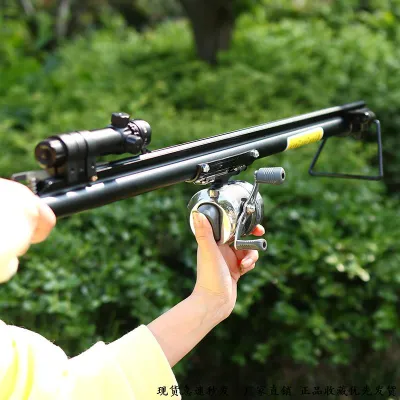

Prices are valid at publication and may change. Please refer to the product page for the latest price.
Before attempting to shoot at fish in open water, you must develop your physical skill and accuracy in a controlled land environment. Beginners should practice drawing the bands and aiming at safe, soft targets to build muscle memory. Shooting over water introduces the challenge of light refraction, which makes targets appear closer to the surface than they actually are. Mastering your aim on land first ensures that you can focus on adjusting for water refraction when you transition to the field.
Strict safety boundaries must be established before you ever draw your bands. Never dry-fire a fishing slingshot, which means releasing the bands without an arrow loaded. Dry-firing forces the high-tension energy back into the rubber bands and the frame, which can cause the bands to snap violently toward your face or cause the frame to fracture. Always treat a loaded slingshot with the same caution as a loaded firearm; never point it at anyone, and only draw the bands when you are facing a clear, safe target area.
Stop shooting immediately if you notice any changes in the tension of your bands, if the line becomes tangled, or if your hands become too fatigued to maintain a steady grip. Fatigue leads to poor form, which increases the risk of the arrow striking the frame or your hand during release. If the weather conditions deteriorate, causing high winds or poor visibility, pack up your gear. Safe shooting requires clear sightlines and stable footing, both of which are compromised in rough weather.
Evaluating the Slingshot Frame and Bands
The frame is the foundation of your slingshot fishing set, and it must be robust enough to handle heavy-duty fishing bands. Look for frames constructed from high-strength materials such as aircraft-grade aluminum, stainless steel, or reinforced molded polymers. In tropical climates where humidity and salt air are common, metal frames should feature anodized or rust-resistant coatings to prevent corrosion. The grip should be highly ergonomic, featuring non-slip rubber overlays or textured wraps that ensure a secure hold even when your hands are wet or sweaty.

Band selection is critical for both safety and performance. Fishing bands are thicker and deliver more draw weight than standard target-shooting bands because they must propel a heavy arrow through the resistance of water. However, beginners should avoid choosing the heaviest bands available. Select a draw weight that matches your current physical strength, allowing you to hold the draw steadily for several seconds without shaking. Overly stiff bands lead to rapid fatigue, poor accuracy, and a higher risk of accidental release.
Inspect the band attachment mechanism closely before purchasing. The connection points where the rubber bands meet the frame must be incredibly secure. Look for systems that use heavy-duty screw clamps, locking pins, or secure plug-in slots rather than simple friction fits. High-quality sets often feature built-in wear indicators on the bands or use standardized attachment designs, making it easy to inspect the rubber for micro-tears and replace them when necessary.
Selecting Fishing Arrows and Line Retrieval Systems
Fishing arrows are specifically engineered to travel through water and secure your catch. Unlike lightweight target arrows, fishing arrows are solid and heavy, typically constructed from solid fiberglass or carbon fiber to provide the momentum needed to penetrate the water column. When evaluating arrows, check the product specifications for the following features:
- Shaft Material: Solid fiberglass offers excellent durability and weight for deep penetration, while carbon fiber provides a lighter, faster alternative for shallow waters.
- Arrow Tips: Look for specialized, removable tips with mechanical barbs. These barbs hold the fish secure during retrieval and can be reversed or unscrewed to allow for easy removal of the catch.
- Line Attachment Points: The rear of the arrow must feature a secure slide ring or a dedicated rear attachment loop. This ensures the line stays behind the point of release, preventing tangles with the bands during flight.
Your line retrieval system is what allows you to pull your catch back to shore or your boat. The three primary retrieval systems include wrist-mounted reels, frame-mounted spools, and simple hand-wrap spools. For beginners, a wrist-mounted closed-face spin-cast reel is highly recommended. This system secures to your forearm, keeping the reel and line completely independent of the slingshot frame, which significantly reduces the risk of the line tangling with the bands during a shot.
Line strength and material must match your target environment. Most slingshot fishing sets utilize heavy braided nylon or high-strength polyethylene lines, often rated between 40 to 80 pounds of tensile strength. This heavy line is necessary to withstand the sudden shock of the launch, resist abrasion from underwater rocks or branches, and pull fish through thick aquatic vegetation. Ensure the line is wound neatly on the reel to prevent bird-nesting, which can abruptly stop an arrow mid-flight and cause it to snap back toward you.
Essential Safety Gear and Protective Accessories
Because slingshot fishing involves high-tension bands and sharp, heavy projectiles, protective gear is not optional. The most critical accessory is impact-resistant safety eyewear. In the event of a band snap or an arrow ricocheting off a hard underwater object, safety glasses protect your eyes from catastrophic injury. Polarized safety glasses are especially beneficial, as they reduce water surface glare, allowing you to spot fish more clearly while keeping your eyes protected.
Hand and arm protection is equally vital to prevent painful injuries. A heavy-duty protective glove, often reinforced with metal plates or thick leather, should be worn on the hand holding the slingshot frame. This glove guards your knuckles and fingers against accidental arrow strikes or string slap if the band path is obstructed. Additionally, a forearm guard protects your inner arm from the high-velocity slap of the rubber bands upon release.
Finally, always carry proper catch-handling tools as part of your protective kit. Long-nosed pliers or dedicated de-hooking tools are essential for safely removing the barbed arrow points from your catch. Attempting to remove a barbed tip with your bare hands can easily lead to puncture wounds, especially if the fish thrashes unexpectedly. Pliers allow you to maintain a safe distance from the sharp barbs and the fish’s teeth while cleanly releasing the arrow.
Pre-Purchase Inspections and Local Fishing Regulations
Before finalizing your purchase of a slingshot fishing set, perform a thorough visual inspection of all components. Check the rubber bands for any signs of dry rotting, discoloration, or micro-tears, particularly near the attachment points and the arrow pouch. Examine the frame for hairline cracks, loose screws, or rough edges that could fray the line or damage the bands. Ensure the reel operates smoothly, the bail opens and closes reliably, and the arrow tips screw on securely without wobbling.
Compliance with local wildlife and fishing laws is a fundamental responsibility for every angler. In the Philippines, municipal fisheries ordinances and national laws govern the types of gear permitted in specific bodies of water. Slingshot fishing and bowfishing are often restricted in marine protected areas, fish sanctuaries, and certain inland lakes to protect local biodiversity. Before heading out, consult with the local Bureau of Fisheries and Aquatic Resources (BFAR) or municipal agricultural offices to verify where slingshot fishing is legally permitted.
Practicing ethical harvesting is essential for preserving aquatic ecosystems. Because slingshot fishing arrows penetrate the fish, catch-and-release is generally not viable, as the injury is often fatal. Therefore, you should only shoot at target species that you fully intend to keep and consume. Familiarize yourself with local fish species to avoid accidentally targeting protected, undersized, or non-edible fish, ensuring that your new hobby remains sustainable and respectful of the environment.
Frequently Asked Questions (FAQ)
Can I use a regular target slingshot for fishing?
No, you should not use a standard target slingshot for fishing. Dedicated fishing slingshots feature specialized frames designed to mount line reels, heavy-duty band attachment points to handle the high draw weight of fishing bands, and arrow rests to support heavy projectiles. Standard target models lack these structural features, and attempting to shoot heavy fishing arrows from them can result in severe hand injuries, frame failure, or dangerous line tangles.
How do I maintain the rubber bands after fishing in water?
To prolong the life of your rubber bands, always rinse them thoroughly with clean, fresh water after every fishing session, especially if you have been shooting in brackish or salty water. Gently pat the bands dry with a clean towel and allow them to air-dry completely in a shaded, well-ventilated area. Never expose the bands to direct sunlight, high heat, or harsh chemical solvents, as UV rays and heat rapidly degrade latex, leading to cracking and sudden band failure.
What is the ideal draw weight for a beginner?
For beginners, the ideal draw weight is one that allows you to draw the bands smoothly to your anchor point and hold it comfortably for three to five seconds without shaking. Most instructors recommend starting with a moderate draw weight, typically between 15 to 25 pounds. Prioritizing a manageable draw weight allows you to focus entirely on developing proper shooting form, consistent release mechanics, and precise aiming before upgrading to heavier bands.
Community discussion
Share your experience or ask a question. Comments are reviewed before publication.