
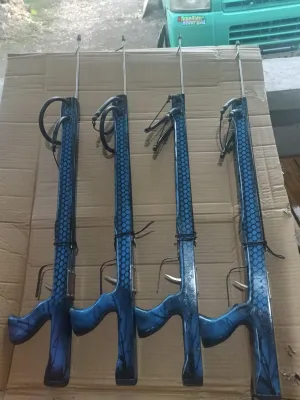
Selecting your first speargun—locally known as “pana”—requires understanding the unique demands of Philippine coastal waters. For a beginner, the ideal choice is a 75cm to 90cm railgun (rubber band speargun) with a single 14mm or 16mm band. This configuration offers the perfect balance of maneuverability around shallow reefs, ease of loading, and sufficient power for common reef fish, all while keeping maintenance simple. Equipment alone cannot replace proper freediving training, so understanding your physical limits and local water conditions is your most important safety tool.
Assess Your Local Diving Conditions
The Philippines offers spectacular marine environments, but the conditions you will encounter as a beginner dictate the exact specifications of your gear. Most novice divers start with shore-based dives, stepping directly off sandy beaches or rocky shorelines into shallow fringing reefs. These areas are characterized by intricate coral heads, shallow drop-offs, and unpredictable tidal currents. Water visibility can vary dramatically from 5 meters in silty coastal areas to over 20 meters in pristine offshore spots.
Navigating these tight, structurally complex spaces requires a highly maneuverable tool. A long, heavy speargun designed for open-water blue-water hunting is highly impractical here. Trying to swing a 110cm or 120cm barrel inside a tight reef crevice or under a rocky ledge is clumsy, slows your reaction time, and increases the risk of damaging fragile coral structures. Shorter, lighter guns allow you to react quickly when a target fish darts out of a cave.
Products mentioned in this guide
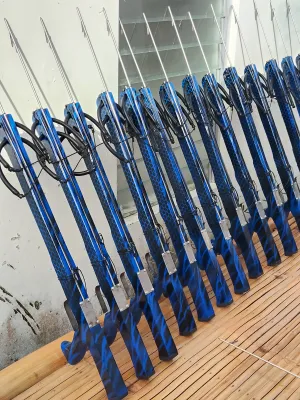
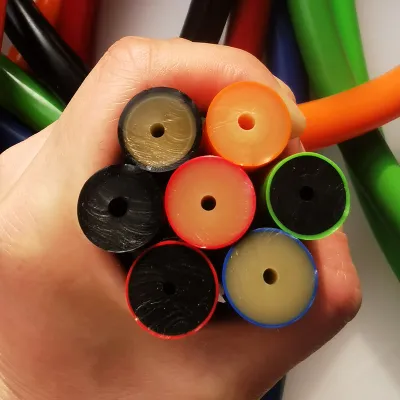
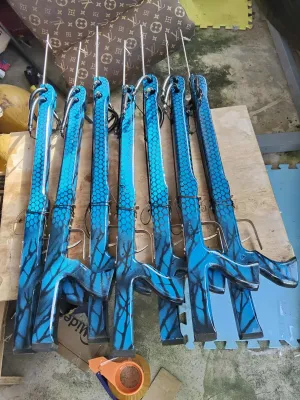
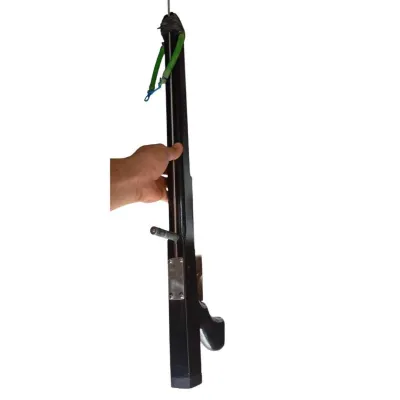
Prices are valid at publication and may change. Please refer to the product page for the latest price.
As a beginner, your targets will primarily be small to medium-sized reef fish, such as surgeonfish (labahita), rabbitfish (samaral), and smaller groupers (lapu-lapu). These species do not require massive penetration power or heavy-duty shafts. A manageable, medium-power setup ensures you can secure a clean catch without destroying your spear tip against the rocky backdrop.
Compare Speargun Types for Beginners
Selecting the right mechanism is your first major decision. While the term “pana” historically referred to simple, hand-carved wooden slings powered by rubber bands, modern spearfishing utilizes three primary categories of equipment, each with distinct trade-offs in complexity, cost, and performance.

Pole Spears and Hawaiian Slings
A pole spear consists of a single fiberglass, carbon fiber, or aluminum shaft with a rubber loop attached to the back. To operate it, you slip your hand through the loop, stretch the rubber forward along the shaft, and hold it in place until you release your grip. Hawaiian slings use a separate wooden or plastic shooter block with a band attached, launching a free shaft much like a bow and arrow.
These tools have a very limited range, typically restricted to the length of the spear plus a few feet of rubber contraction. This limitation forces you to develop exceptional stealth, stalking techniques, and breath-hold control to get close to your target. They are highly affordable, often costing under ₱1,500, and are virtually indestructible, making them an excellent, low-risk tool for testing your interest in the sport.
Rubber Band Spearguns
Often referred to as railguns or euro-style spearguns, rubber band spearguns utilize a mechanical trigger mechanism housed in a handle, a barrel, and one or more latex bands stretched to a notch on the spear shaft. They are the standard recommendation for beginners due to their intuitive aiming, reliable safety catches, and mechanical simplicity.
Maintaining a band gun is straightforward, requiring little more than a fresh-water rinse and occasional band replacement. Because the trigger holds the tension, you can focus entirely on your diving technique, buoyancy, and aim rather than physical exertion. They offer the ideal balance of range, speed, and power for reef hunting, with entry-level models typically priced between ₱3,500 and ₱7,000.
Pneumatic Spearguns
Pneumatic spearguns use compressed air stored in an internal chamber to propel the shaft. When you load the gun, you push the shaft down the barrel against the air pressure until it clicks into the trigger mechanism. They are incredibly compact for the power they deliver, which makes them popular in some European and Mediterranean fisheries.
However, they are generally not recommended for beginners. Loading a pneumatic gun requires a specific, often awkward technique that can be dangerous if the loader slips. Furthermore, they feature complex internal seals, O-rings, and valves that require specialized maintenance. If a pneumatic gun loses pressure or leaks oil in a remote coastal barangay, finding replacement parts or a technician can be nearly impossible.
Match Gun Length and Power to Reef Hunting
Selecting the physical dimensions of your speargun requires balancing the visibility of your local dive site with the physical layout of the reef.
Gun Length: Maneuverability in Coral Reefs
The standard measurement of a speargun refers to the length of the barrel, excluding the handle and the protruding spear shaft. For typical Philippine reef environments, a barrel length between 75cm and 90cm is the undisputed sweet spot.
A 75cm gun is exceptionally agile. It allows you to poke your head into dark crevices, swing the muzzle quickly in tight caves, and hunt effectively in low-visibility water. However, its effective range is limited to about 2 to 3 meters. A 90cm gun offers slightly more range (around 3 to 4 meters) and better accuracy in clearer water, while remaining compact enough to handle without dragging on the coral. If you expect to dive mostly in very clear water, lean toward 90cm; if you are diving in murkier shore water or tight structures, 75cm is superior.
Band Power: Single vs. Double Rubber Bands
Many modern spearguns feature muzzles that can accommodate two or more rubber bands, promising increased power and range. For your first gun, you should strictly stick to a single rubber band configuration, typically a single 16mm or 14mm band.
Single bands are far easier to load, especially when you are bobbing in the ocean swell or resting on a kayak. They produce significantly less recoil, which is critical because excessive recoil on a light gun will cause the shaft to shoot off-target. A single band also reduces the risk of your spear hitting rocks with too much force, which can bend the shaft or dull the point instantly. As your technique, grip strength, and hunting style improve, you can transition to a double-band setup if your gun’s barrel and trigger mechanism are rated to handle the extra load.
Gather Essential Freediving and Safety Gear
A speargun is a tool of harvest, but your safety and comfort depend entirely on your personal diving gear. You must never view a speargun as a standalone purchase; it is part of a life-support and safety system that requires proper training and high-quality accessories.
- Low-Volume Mask and Snorkel: A dedicated, low-volume freediving mask is essential. It requires less air to equalize as you descend, conserving precious oxygen. Pair it with a simple, flexible J-snorkel without purge valves, which can trap bubbles and scare fish.
- Long-Blade Fins: Plastic or fiberglass long-blade freediving fins provide the necessary propulsion to fight local currents and ascend safely from depth. They are far more efficient than short recreational snorkeling fins, allowing you to cover more distance with less oxygen consumption.
- Weight Belt: A rubber weight belt with a quick-release buckle is crucial for achieving neutral buoyancy. Rubber is preferred over nylon because it stays tight against your hips as your wetsuit compresses at depth. Ensure you are weighted conservatively; you should always be positively buoyant at the surface and down to at least 10 meters.
- Diving Knife: A sharp, rust-resistant diving knife is a non-negotiable safety tool. It must be mounted in an easily accessible location, such as your forearm or calf. Its primary purpose is to cut you free from monofilament fishing lines, nets, or shooting lines if you get entangled. It is also used to humanely and instantly dispatch caught fish by spiking the brain.
- Protective Gloves: Dyneema or heavy-duty latex gloves protect your hands from sharp coral, stinging hydroids, and the spines or teeth of your catch. They also provide a secure grip when loading high-tension rubber bands.
- Float and Fish Stringer: Never clip a caught fish directly to your weight belt or body. The blood and vibrations of a struggling fish can attract predators, including barracudas, moray eels, and reef sharks. Instead, use a dedicated torpedo float or inflatable buoy towing a long float line. Attach your fish stringer (locally called a "tuhogan") directly to this float, keeping the catch at a safe distance from your body.
Follow Critical Safety and Local Fishing Rules
Spearfishing is an extreme sport that carries inherent risks of drowning, shallow-water blackout, and accidental injury. Respecting safety protocols and local regulations is vital to preserving your life and protecting the marine environment.
Fundamental Speargun Handling Safety
A loaded speargun possesses enough kinetic energy to cause fatal injuries. Treat every speargun with the same respect you would accord a loaded firearm. Never, under any circumstances, load or unload your speargun while out of the water. The density of water acts as a natural brake; firing a speargun in the air can cause the shaft to recoil violently, snap the shooting line, or destroy the gun, potentially injuring you and those around you.
Keep the safety catch engaged until you are fully submerged, have identified your target, and are actively aiming. Always keep the muzzle pointed away from yourself, your dive buddies, and any boats. When diving with a partner, practice the “one diver down, one diver up” system, keeping a close eye on your buddy’s ascent to prevent shallow-water blackout. Equipment can never replace proper freediving training and sober personal judgment.
Navigating Marine Protected Areas (MPAs) and Local Laws
The Philippines is a global epicenter of marine biodiversity, and many local government units (LGUs) have established Marine Protected Areas (MPAs), fish sanctuaries, and no-take zones to allow fish stocks to replenish. Spearfishing in these areas is strictly illegal and can result in heavy fines, confiscation of gear, and legal prosecution.
Before you enter the water, it is your responsibility to verify the local regulations. Visit the local barangay hall, municipal agriculture office, or the nearest Philippine Coast Guard outpost to ask where fishing is permitted. Always respect local community rules, avoid shooting undersized or protected species (such as giant clams, Napoleon wrasse, or parrotfish in certain municipalities), and never spearfish near designated dive resorts or snorkeling zones where tourists are present.
Inspect and Maintain Your Gear Before Every Dive
Saltwater and tropical humidity are highly corrosive. A rigorous maintenance routine ensures your gear remains safe, reliable, and ready for your next dive.
- Pre-Dive Checklist:
- Rubber Bands: Inspect the latex bands for micro-cracks, dry rot, or discoloration caused by UV exposure. If you see deep cracks near the wishbone or the muzzle, replace the bands immediately to prevent them from snapping under tension.
- Spear Shaft: Roll the shaft on a flat surface to check for bends. A bent shaft will ruin your accuracy. Inspect the flopper (the hinged barb at the tip) to ensure it moves freely and locks open properly.
- Trigger Mechanism: Test the trigger safety and sear engagement. Insert the shaft into the mechanism (unloaded) and ensure it locks securely with an audible click. Pull on the shaft to verify it cannot be pulled out without pulling the trigger.
- Post-Dive Maintenance:
- Fresh-Water Rinse: Thoroughly rinse the entire speargun, including the trigger mechanism, barrel, shaft, and rubber bands, in clean fresh water after every dive. Salt crystals can lock up trigger parts and accelerate the degradation of latex bands.
- Drying and Storage: Hang the gun to dry in a cool, well-ventilated, and shaded area. Never leave your speargun baking in the direct tropical sun, as UV rays rapidly destroy rubber bands and weaken plastic components. If storing the gun for an extended period, remove the rubber bands and store them in a sealed plastic bag in a cool place.
Frequently Asked Questions (FAQ)
Do I need a permit to spearfish in the Philippines?
While there is no unified national recreational fishing license required for casual shore-based spearfishing, local government units (LGUs) govern their municipal waters (up to 15 kilometers from the shoreline). Many municipalities require visitors to pay environmental fees, register at the tourism office, or obtain a local permit. Always check with the local barangay before diving to ensure you are compliant with municipal ordinances.
Is it legal to spearfish while scuba diving?
No. Spearfishing while using scuba or any other self-contained underwater breathing apparatus (such as compressor/hookah systems) is strictly illegal under Philippine national law (Republic Act 8550, as amended by RA 10654). Spearfishing must be conducted exclusively via breath-hold (freediving). Using scuba gear removes the natural physical limitations of the diver, giving an unfair advantage that quickly leads to the depletion of local fish populations.
How should I carry a speargun while swimming on the surface?
When swimming or finning on the surface, always keep the speargun unloaded unless you are actively hunting. If the gun is loaded, keep the safety engaged and hold the gun by the handle or barrel, pointing it straight down toward the seabed or forward away from any other divers. Never rest the butt of the gun against your chest, and never point the muzzle toward your chin, face, or anyone swimming nearby.
Community discussion
Share your experience or ask a question. Comments are reviewed before publication.