
Selecting your first tai chi uniform is a critical step in transitioning from a casual observer to a dedicated practitioner. The primary purpose of this traditional attire, often referred to as a wushu or tai chi suit, is to eliminate physical distractions so you can focus entirely on posture, breath, and the flow of movement. For a beginner, the ideal uniform is one that balances thermal comfort, unrestricted range of motion, and durability, allowing you to learn the foundational forms without feeling restricted by tight seams or heavy fabrics.
To make an informed purchase, you must look past the visual appeal of elaborate performance costumes and focus on practical features. The right uniform should accommodate the specific physical demands of your practice style, suit the local climate, and offer a relaxed fit that allows your joints to move through their full range of motion. By understanding these key elements, you can find a high-quality uniform that supports your learning journey from your very first session.
Identify Your Practice Style and Uniform Type
Your specific style of tai chi and the environment in which you train dictate the baseline requirements for your uniform. Beginners often make the mistake of purchasing highly ornate, shiny performance uniforms right away. However, these elaborate costumes, typically made of delicate silks or highly reflective synthetic satins, are designed specifically for modern competitions, stage performances, and strict regulation events. For daily practice, your primary focus must be on comfort, breathability, and durability. Simple, unadorned uniforms are far more practical for the repetitive movements and stretching involved in regular classes.
Products mentioned in this guide
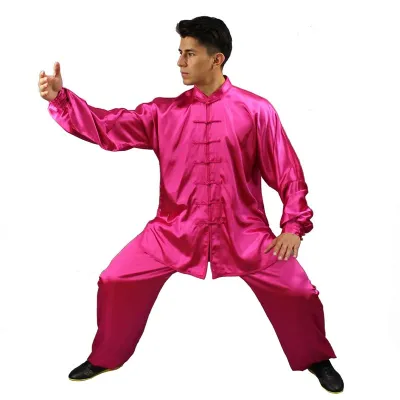
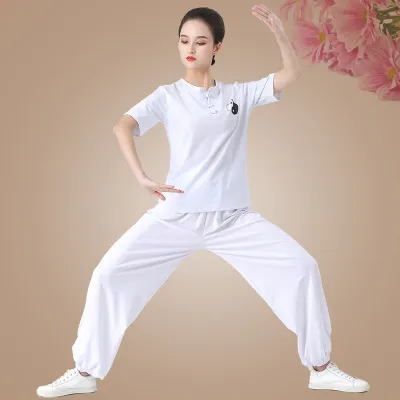
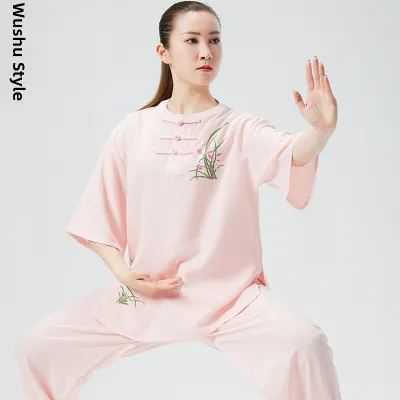
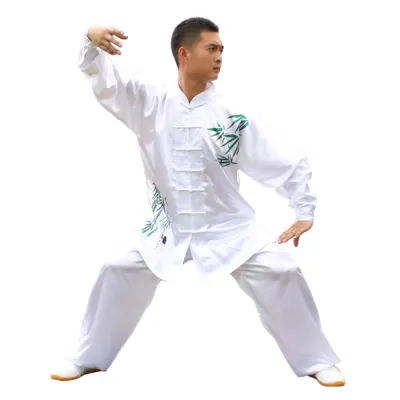
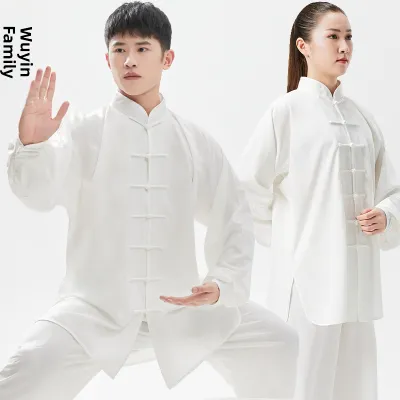
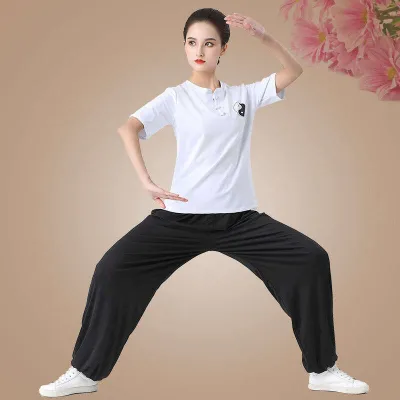
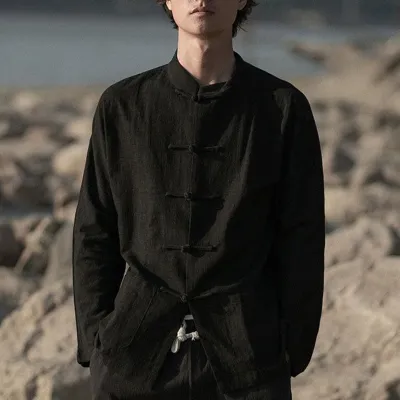
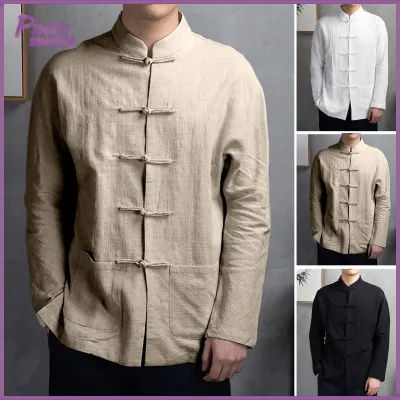
Prices are valid at publication and may change. Please refer to the product page for the latest price.
Different tai chi styles place unique physical demands on your clothing. For example, Yang style is famous for its large, sweeping, and continuous movements. Practitioners of Yang style generally prefer a cut that offers ample room in the shoulders and chest to allow for unhindered arm extensions. On the other hand, Chen style incorporates dynamic, explosive movements, sudden jumps, and exceptionally low stances. If you are learning Chen style, your uniform—especially the pants—must have reinforced seams and a wider cut to withstand rapid transitions and deep lunges without binding or tearing.
As a beginner, prioritizing functional daily practice wear over performance costumes ensures that your attention remains on your alignment and technique. A basic, high-quality practice uniform allows you to blend in respectfully with your class and focuses your mind on the internal aspects of the art rather than external flashiness.
Choose the Right Fabric for Humid Climates
Selecting the right fabric is especially critical if you are practicing in a tropical environment like the Philippines, where high temperatures and heavy humidity are the norm. Whether you are training outdoors in a local park in the early morning or practicing inside a non-air-conditioned community hall, your body will generate significant heat. The fabric of your uniform must manage sweat effectively to keep you comfortable and prevent the material from sticking to your skin.

Different fabrics offer distinct advantages and trade-offs for tropical training:
- Cotton-Linen Blends: This combination is highly recommended for beginners. Linen provides exceptional breathability and structural stiffness that keeps the fabric off your skin, while cotton adds softness and improves sweat absorption. Together, they create a durable, airy garment perfect for humid weather.
- Pure Cotton: Natural cotton is highly absorbent and soft against the skin, making it very comfortable for light training. However, pure cotton holds onto moisture and dries slowly, which can leave the uniform feeling heavy and damp during intense, sweaty sessions.
- Pure Linen: Linen is incredibly cool and allows maximum airflow. The primary trade-off is that pure linen wrinkles very easily and can feel slightly coarse or stiff until it has been washed multiple times.
- Silk: Real silk is lightweight, highly traditional, and drapes beautifully. However, it is expensive, delicate, traps heat if it is a heavy weave, and requires specialized dry cleaning or hand-washing, making it impractical for daily beginner practice.
- Synthetic Blends: Modern polyester-cotton or polyester-rayon blends are highly durable, wrinkle-resistant, and dry quickly. However, poorly constructed, cheap synthetic uniforms can trap heat and sweat, creating an uncomfortable, greenhouse-like effect against your skin.
When shopping, always check the actual garment care labels and material composition lists rather than relying on vague marketing terms like “silk-like” or “ice silk,” which are often just promotional names for 100% polyester. Look for a clear breakdown of the fiber percentages to ensure you are getting the breathability you need.
Ensure Proper Fit and Freedom of Movement
A tai chi uniform must never fit like modern, form-fitting athletic wear. Instead, it relies on the concept of “ease”—the intentional inclusion of extra fabric beyond your physical body measurements. This generous, relaxed fit is essential for joint mobility, allowing you to sink into deep stances and rotate your joints fully. From a traditional perspective, this unrestricted space is also believed to facilitate the smooth flow of blood circulation and energy throughout the body during practice.
To ensure your uniform supports a complete range of motion, look for specific design features:
- Gusseted Crotch: A diamond-shaped piece of fabric sewn into the crotch area. This crucial feature redistributes stress along the seams, allowing you to perform deep lunges and wide stances without the risk of ripping your pants.
- Drop-Shoulder Seams: Seamless or low-hanging shoulder constructions that prevent the fabric from binding or pulling when you raise your arms above your head.
- Elastic or Drawstring Waistbands: A secure yet flexible waist closure that keeps the pants in place without constricting your abdomen, which is vital for deep diaphragmatic breathing.
- Elastic Ankle Cuffs: Cuffs that keep the pant legs neatly gathered at the ankles, preventing you from stepping on your own hems or tripping during footwork.
Do not assume your standard casual clothing size will translate directly to a tai chi uniform, particularly when ordering from international sellers on online marketplaces. To find your correct size, use a soft measuring tape to take accurate measurements of your chest, waist, hips, inseam, and arm length (measured from the base of your neck, across the shoulder, down to your wrist bone). Always cross-reference these physical measurements with the manufacturer’s specific size chart rather than relying on generic letter sizes.
Select Colors and Functional Details
Color choices in tai chi carry both practical and traditional significance. For daily practice, neutral and subdued colors like white, black, and navy blue are the most common and practical choices. White is often associated with purity and focus, while black and navy are highly practical because they do not show dirt or sweat stains easily during outdoor training. Vibrant colors, gradients, and shiny metallic fabrics are generally reserved for formal demonstrations, competitions, or specific school events.
Before making a purchase, it is highly recommended to check with your instructor or local club. Many traditional martial arts schools have specific dress codes, color requirements for beginners, or uniform standards that you must follow, especially if you plan to participate in future grading assessments or group demonstrations.
Functional hardware is another important consideration. Traditional uniforms feature hand-tied frog buttons (pankou). While these buttons offer a beautiful, authentic aesthetic, they can sometimes be tedious to fasten and may snag during partner drills like Push Hands (Tui Shou). Some modern practice uniforms feature hidden zippers or snap buttons beneath a decorative flap, offering the convenience of quick dressing while maintaining a clean, traditional appearance.
Additionally, consider the placement of pockets. While a small internal pocket can be useful for holding a locker key, external pockets should be avoided or kept completely flat. Bulky, open pockets can easily catch your fingers or thumbs during rapid hand forms and circular movements, posing a minor safety hazard.
Step-by-Step Purchasing Process and Pitfalls to Avoid
Navigating e-commerce platforms or local martial arts supply stores can easily lead to decision fatigue due to the sheer variety of options available. To make a smart purchase, you should follow a structured approach that prioritizes fabric quality, accurate sizing, and practical design over low prices or flashy aesthetics. Entry-level, high-quality tai chi uniforms typically range from ₱800 to ₱2,500, depending on the fabric blend and construction quality.
Navigating Size Charts and Online Orders
When buying a uniform online where you cannot try it on beforehand, customer reviews are your most valuable resource. Look closely at feedback from other buyers, searching specifically for mentions of fabric shrinkage after washing, color bleeding, or inconsistent sizing. If multiple reviews suggest that the uniform runs small or shrinks significantly, consider ordering one size up to compensate.
Before finalizing your purchase, always verify the seller’s return and exchange policies. Because martial arts uniforms require a precise fit for safety and comfort, you must have the option to exchange the item if the cut restricts your movement. If you are purchasing uniforms for a local club or a group of classmates, always order a single set first to test the fit and fabric quality in person before committing to a bulk order.
Common Mistakes Beginners Make
One of the most frequent errors beginners make is buying cheap, highly restrictive “costume” uniforms. These garments are often made of stiff, non-breathable polyester satins intended for festivals, theatrical plays, or photography. They lack the necessary gussets and stretch, meaning they will trap heat, restrict your movement, and likely tear during your first deep stance.
Another common pitfall is ignoring the fabric care requirements of natural fibers. Purchasing a pure linen or cotton uniform without realizing it requires cold-water washing and air-drying can result in a ruined, heavily shrunken garment after the very first laundry cycle. Lastly, avoid prioritizing heavy, ornate embroidery or stiff, decorative collars. These features can cause uncomfortable chafing against your neck and shoulders during repetitive form practice, distracting you from your training.
Inspect and Test the Uniform Upon Arrival
Once your uniform arrives, perform a thorough visual and tactile inspection before removing any tags or wearing it to class. Check the high-stress areas—specifically the armpits, inner thighs, and crotch—to ensure the seams are double-stitched and reinforced. Examine all the frog buttons or fasteners to verify they are securely attached and do not have loose threads. If your uniform is white or a light pastel color, hold it up to the light to check its opacity; extremely thin, see-through fabrics may require you to wear lightweight compression shorts or an undershirt beneath.
After passing the visual inspection, conduct a safe, low-risk physical test routine at home:
- The Horse Stance (Ma Bu): Slowly sink into a wide, deep horse stance. Pay close attention to the crotch and seat of the pants. The fabric should drape comfortably without pulling tight against your thighs or feeling like the seams are under extreme tension.
- Full Arm Circles: Stand with your feet shoulder-width apart and rotate both arms in large, slow circles. The jacket should not ride up excessively at the waist, and you should not feel any binding or restriction across your upper back or shoulders.
- Deep Breathing Check: Fasten all the buttons completely and take several deep, abdominal breaths. The collar and chest of the jacket should not constrict your throat or chest expansion.
If you experience immediate seam popping, severe skin itching from cheap chemical dyes, or any restriction that prevents you from reaching a full range of motion, stop the test. These are clear indicators that the uniform is either sized incorrectly or poorly constructed, and you should initiate a return or exchange immediately.
Frequently Asked Questions (FAQ)
Can I wear regular athletic clothes instead of a tai chi uniform?
Yes, loose-fitting athletic wear is perfectly acceptable for your first few introductory classes. A simple t-shirt and loose sweatpants or track pants will allow you to learn the basic movements without issue. However, standard athletic wear has limitations; modern compression gear is too restrictive, and many synthetic gym clothes lack the traditional drape and open airflow of a dedicated tai chi uniform, which can make you feel warmer during slow, sustained postures.
How do I prevent my cotton or linen uniform from shrinking?
To prevent natural fiber uniforms from shrinking and losing their shape, always wash them in cold water using a gentle cycle. Avoid using high-heat tumble dryers entirely, as intense heat will warp and shrink cotton and linen fibers. Instead, hang the uniform to air-dry in a shaded, well-ventilated area to prevent the sun from fading the colors or making the fabric brittle. Always refer to the manufacturer’s specific care label for detailed washing instructions.
Community discussion
Share your experience or ask a question. Comments are reviewed before publication.