
To choose your first wushu sanda uniform, you must look for a specialized two-piece athletic set that balances maximum mobility for striking with exceptional durability for grappling. Sanda, or Chinese kickboxing, is a highly dynamic combat sport that combines punches, kicks, sweeps, and high-impact throws. A standard t-shirt and casual shorts will not suffice; you need gear specifically engineered to withstand the rigors of full-contact sparring while keeping you cool. Selecting the right uniform requires evaluating fabric durability, fit, and compliance with local gym or competition rules.
Investing in a dedicated uniform ensures you can train safely and effectively. The right gear allows you to execute complex techniques without restriction while preventing your training partners from gaining an unfair advantage during clinches. By focusing on key material specifications and proper sizing, you can find a durable uniform that supports your progression from a beginner to an advanced practitioner.
Understand the Unique Demands of Sanda
Sanda requires a highly specialized uniform due to its unique rules and physical mechanics, which differ significantly from traditional Taolu (forms) wushu. Taolu is a performance-based discipline focusing on acrobatic sequences, jumps, and stances. Consequently, Taolu uniforms are typically made of silk or satin, featuring long sleeves, intricate embroidery, and loose-fitting trousers designed to accentuate aesthetic movement. In contrast, Sanda is a full-contact sparring sport where aesthetics take a backseat to utility, safety, and durability.
Products mentioned in this guide
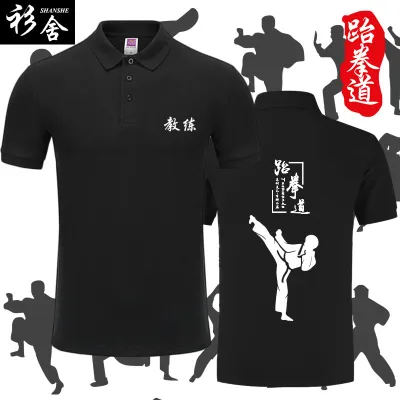
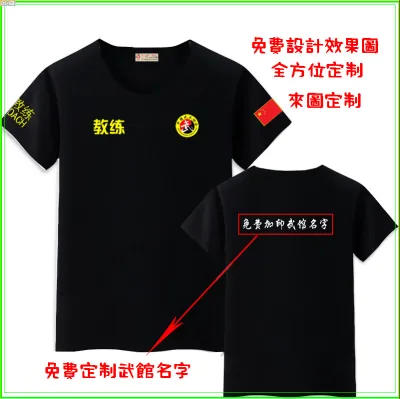
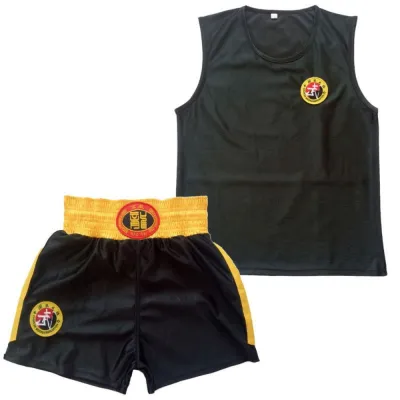
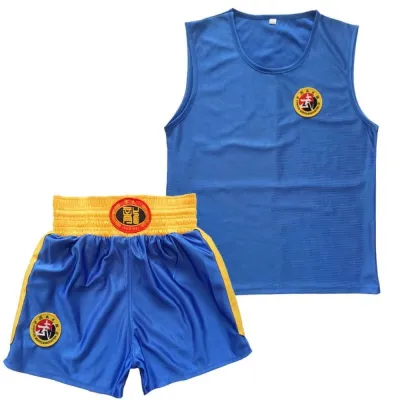
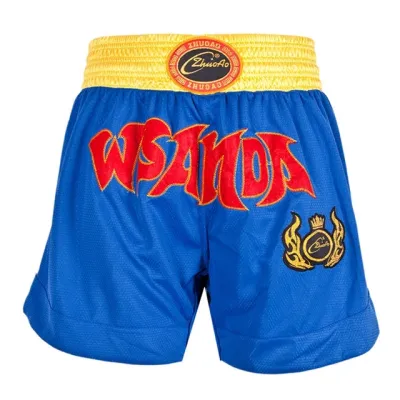
Prices are valid at publication and may change. Please refer to the product page for the latest price.
The inclusion of wrestling, sweeps, and throws in Sanda dictates the structural design of the uniform. During a clinch, your opponent will actively grab your collar, shoulders, and waist to execute high-impact throws such as the hip toss or single-leg takedown. This constant pulling and twisting places immense stress on the fabric. A standard athletic shirt or a flimsy uniform will easily rip under these conditions, making high tear resistance an absolute necessity for any Sanda gear.
In addition to durability, Sanda uniforms must accommodate intense cardiovascular output. A typical sparring session involves rapid footwork, explosive striking combinations, and exhausting wrestling matches. This high-intensity activity causes rapid body temperature elevation and heavy sweating. The uniform must offer exceptional breathability and ventilation to help regulate your body temperature, ensuring you do not overheat or become weighed down by sweat-soaked fabric during training.
Evaluate Fabric and Material Specifications
When shopping for a wushu sanda uniform, the balance between durability and flexibility should guide your material choice. Most modern Sanda uniforms are constructed from high-performance synthetic materials such as polyester, nylon, or specialized spandex blends. Polyester-satin is highly favored for the shorts due to its smooth texture, which prevents friction against the skin while offering a classic athletic look. The tops are often made of lightweight, stretchable polyester mesh or elastane blends that cling comfortably to the body without restricting movement.

In the tropical climate of the Philippines, training conditions are often hot and highly humid. Many local training spaces, such as community sports complexes or traditional martial arts gyms, rely on natural ventilation or industrial fans rather than air conditioning. Under these conditions, heavy cotton or low-quality synthetics will trap heat and absorb moisture, becoming heavy, wet, and clingy. Look for fabrics engineered with advanced moisture-wicking technology. This feature pulls sweat away from your skin to the outer surface of the fabric, where it can evaporate quickly, keeping you dry and preventing painful skin chafing.
Fabric weight is another critical factor to consider. A lightweight fabric, typically between 120 and 180 grams per square meter (GSM), is ideal because it minimizes heat retention and allows for explosive movements. However, lightweight must not mean fragile. High-quality synthetic blends offer incredible tensile strength despite their thin profile, allowing you to move fast while remaining confident that your uniform will not tear during a competitive throw.
To verify the durability of a uniform before purchasing, physically inspect the stitching. High-quality uniforms feature reinforced flatlock stitching or double-needle seams at high-stress points. Pay close attention to the armholes of the sleeveless top, the collar lining, the crotch gusset of the shorts, and the side slits. If you observe single-row stitching or loose, frayed threads, the garment is likely to unravel during your first intense wrestling drill.
Assess Fit, Cut, and Mobility
The fit of your Sanda top is crucial for both performance and safety. The top is traditionally a sleeveless vest. This design eliminates excess fabric around the shoulders and arms, preventing opponents from easily gaining a grip during a clinch or throw attempt. It also allows for a full, unrestricted range of motion in the shoulders, which is vital for executing clean jabs, crosses, and hooks. The top should fit snugly against your torso but remain loose enough to allow for deep, diaphragmatic breathing during intense sparring.
Sanda shorts are designed with a wide-leg cut and deep side slits to facilitate high kicks, sweeps, and rapid footwork. The wide cut ensures that the fabric does not catch on your thighs or knees when executing a roundhouse kick or dropping into a low stance. The waistband must be thick and highly elasticized, typically featuring multiple rows of stitching and an internal drawstring. This secure fit ensures that the shorts remain firmly in place even when an opponent attempts a low-takedown grab.
Sizing charts for martial arts uniforms differ significantly from standard retail clothing. Most reputable brands size their uniforms based on the practitioner’s total height in centimeters (for example, 150 cm, 160 cm, 170 cm, or 180 cm) rather than standard waist or chest measurements. When purchasing your first uniform, do not assume your usual small, medium, or large size will fit. Measure your height and weight accurately, and compare them to the manufacturer’s specific sizing chart.
Consider potential fabric shrinkage when selecting your size. While synthetic fabrics like polyester and nylon are generally resistant to shrinking, minor shrinkage can still occur, particularly in the elastic waistbands or if the uniform contains cotton blends. If your measurements fall directly on the boundary between two sizes, it is highly recommended to choose the larger size. This extra room ensures a comfortable fit and accommodates the protective gear you must wear underneath, such as a chest protector, groin guard, and body sparring pads.
Verify Gym and Competition Compliance for Your Wushu Sanda Uniform
Before purchasing your first wushu sanda uniform, it is essential to understand the rules regarding colors and designs. In official Sanda competitions, the standard uniform colors are red and black. One competitor wears a red top and red shorts, while the opponent wears black. Blue is occasionally used in certain amateur tournaments or team events. For daily training, most gyms are flexible, but it is always wise to ask your coach which color they prefer. Many practitioners choose to buy one red and one black set to ensure they are prepared for any sparring scenario.
In addition to color, you must check your local gym’s dress code. Some academies have strict rules requiring students to wear uniforms featuring the school’s official logo, or they may have exclusive partnerships with specific equipment brands. Purchasing a uniform with unauthorized branding, excessive decorative patterns, or non-compliant patches can lead to being barred from training or local amateur matches.
If you plan to compete in tournaments sanctioned by the Wushu Federation Philippines or the International Wushu Federation (IWUF), your uniform must adhere to strict guidelines. Official competition uniforms must be clean, free of tears, and feature the approved IWUF logo or meet specific dimensions for manufacturer logos. The shorts must cover at least half of the thigh but must not extend past the knee. Understanding these rules early prevents you from wasting money on non-compliant gear.
Step-by-Step Selection and Fitting Process
To ensure you purchase the perfect uniform for your training needs, follow this structured, step-by-step selection and fitting process:
- Step 1: Take Precise Body Measurements. Use a flexible measuring tape to record your height, chest circumference, and waist size. If you already own protective gear, such as a chest guard or groin protector, put them on before measuring. This ensures that the uniform top and shorts will comfortably fit over your safety equipment without binding or restricting your movement.
- Step 2: Purchase from Specialized Martial Arts Retailers. Avoid buying cheap costumes or generic athletic wear from massive, non-specialized online marketplaces. Instead, source your gear from reputable martial arts suppliers, dedicated sporting goods stores, or official brand outlets. A quality, entry-level Sanda uniform typically costs between ₱1,200 and ₱3,500 in the Philippines. Investing in a recognized brand ensures the fabric and stitching are built for actual combat rather than cosmetic appearance.
- Step 3: Perform a Physical Mobility Test. Once your uniform arrives, try it on immediately with all your sparring gear. Stand in your fighting stance and perform a series of movements. Throw several jabs and crosses to check shoulder mobility. Execute high roundhouse kicks and front kicks to ensure the shorts do not pull or restrict your legs. Drop into a deep squat and perform a sprawl to simulate defending a takedown. If you feel any pinching, binding, or resistance, the uniform is too small and should be exchanged.
- Step 4: Inspect Seam Integrity and Stitching Quality. Turn both the top and shorts inside out and closely examine the construction. Look at the seams around the armholes, the crotch gusset, and the side slits of the shorts. Pull gently on the fabric on either side of the seams to verify that the threads are tight and secure. Check that the elastic waistband is evenly stitched and that the drawstring runs smoothly through the casing without catching or knotting.
Basic Care and Maintenance for Longevity
To get the most value out of your investment, proper maintenance is essential. Always wash your uniform in cold water using a mild, liquid detergent. Avoid using bleach, which can weaken synthetic fibers and fade vibrant red or black colors. Do not use fabric softeners, as they leave a chemical residue that clogs the pores of moisture-wicking fabrics, reducing their breathability and ability to manage sweat.
Drying your uniform correctly is crucial, especially in the humid climate of the Philippines. Never use a high-heat tumble dryer, as the intense heat can warp elastic waistbands, shrink synthetic fibers, and damage any printed logos or patches. Instead, hang your uniform to air dry in a shaded, well-ventilated area. Avoid direct sunlight, which can fade colors over time. Ensuring the uniform dries completely in a breezy spot prevents the growth of mold, mildew, and persistent sour odors that are common in humid environments.
Establish a strict washing frequency. You must wash your uniform after every single training session. Leaving a sweat-soaked uniform sitting in a closed gym bag or laundry basket for days encourages rapid bacterial growth. This not only causes permanent, unpleasant odors but also breaks down the fabric fibers over time, significantly shortening the lifespan of your gear.
Frequently Asked Questions (FAQ)
Can I use a Karate, Judo, or Taekwondo uniform for Sanda?
No, using uniforms from other martial arts is highly discouraged due to differences in design and material. Karate uniforms (Gi) and Taekwondo uniforms (Dobok) are designed primarily for striking arts that do not involve wrestling or throwing. They are typically made of lightweight cotton or thin poly-cotton blends. If you wear a Karate Gi or Taekwondo Dobok to a Sanda class, the fabric will easily rip or tear the moment an opponent grabs you for a clinch, sweep, or throw.
Similarly, Judo Gis are completely unsuitable for Sanda, but for the opposite reason. Judo Gis are constructed from extremely heavy, thick double-weave cotton canvas designed to withstand intense pulling and gripping. Wearing a Judo Gi for Sanda will cause you to overheat rapidly, particularly in tropical climates. The heavy, stiff fabric severely restricts your striking speed and range of motion for punches and kicks. Furthermore, the thick material provides your opponent with an abundance of loose fabric to easily grip and throw you, putting you at a distinct disadvantage.
A dedicated wushu sanda uniform is specifically designed to safely bridge the gap between striking and wrestling. It provides the lightweight breathability needed for fast-paced kicking and punching, combined with the structural durability and sleek, grab-resistant cut required for high-impact throws and clinches. Investing in the correct uniform ensures you can train safely, perform at your best, and respect the traditions of the sport.
Community discussion
Share your experience or ask a question. Comments are reviewed before publication.