
A gymnastics uniform must fit like a second skin, balancing absolute freedom of movement with secure coverage. In a sport defined by high-flying flips, deep stretches, and precise balances, even a minor fit issue can distract an athlete or lead to safety hazards. Finding the right fit requires understanding how different fabrics behave under tension, how to take precise measurements, and how to evaluate a garment during dynamic movement. Whether preparing for daily training sessions in a humid local gym or stepping onto the competition floor under strict judging guidelines, a properly fitted uniform ensures that performance, safety, and confidence remain the top priorities.
Understanding Fit Requirements for Training vs. Competition
Daily training and official competitions demand different characteristics from a gymnastics uniform. During long, repetitive practice sessions, the primary focus is on durability, breathability, and comfort. Training uniforms, often referred to as practice leotards, are typically constructed from highly flexible, lightweight fabrics like nylon-spandex blends. These materials excel at managing moisture and heat, which is particularly important in tropical climates where training facilities can become exceptionally warm and humid. Practice wear allows for a wider variety of cuts, including racerback styles and lower necklines, prioritizing maximum range of motion and ease of wear over strict aesthetic rules.
In contrast, competition uniforms must balance functional support with the rigid aesthetic and coverage regulations enforced by gymnastics governing bodies. Competition leotards are often made from heavier, high-compression fabrics such as mystique or sublimated lycra, which provide a structured, polished look under bright arena lights. These garments frequently feature long sleeves, intricate embellishments, and higher necklines designed to present a clean, uniform line to the judges. While these materials offer excellent muscle support, they have less natural stretch than standard training fabrics. Consequently, a competition uniform must be fitted with extreme precision to ensure it provides the necessary compression without restricting breathing or limiting joint extension during complex routines.
Products mentioned in this guide
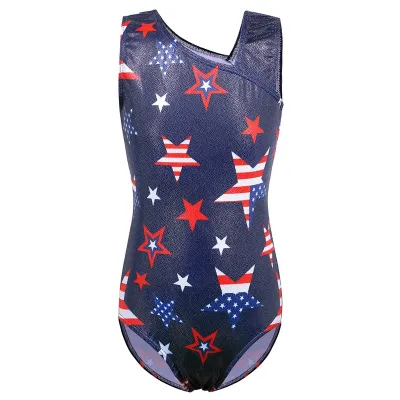
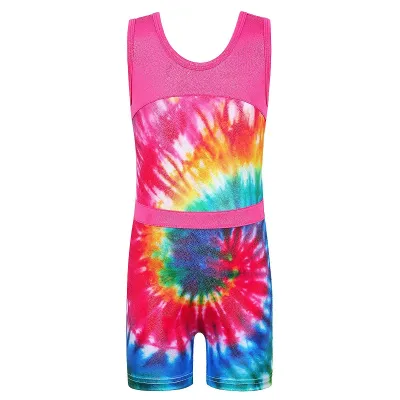
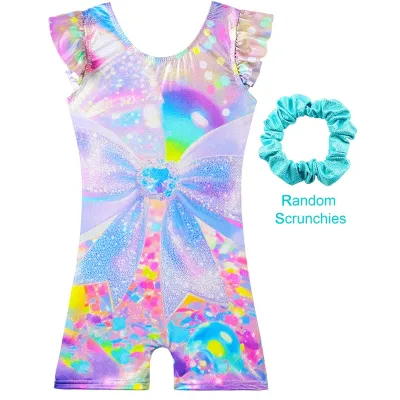
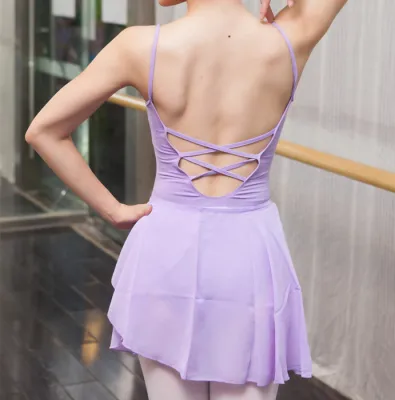


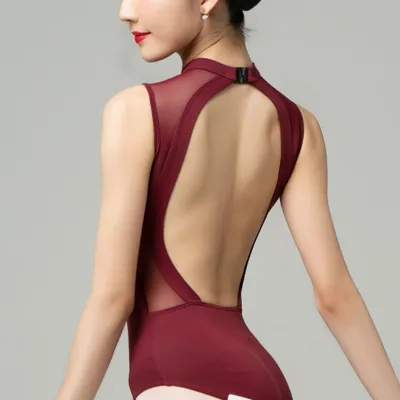
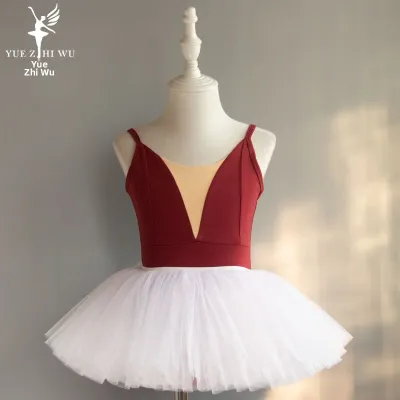
Prices are valid at publication and may change. Please refer to the product page for the latest price.
How to Measure for a Gymnastics Uniform
Selecting the correct baseline size requires accurate body measurements rather than relying on standard clothing sizes, which rarely align with athletic performance wear. To begin, the athlete should wear a form-fitting base layer, such as a thin tank top and lightweight shorts, to ensure the measuring tape sits close to the body without adding extra bulk. Use a flexible fabric measuring tape and keep it parallel to the floor for horizontal measurements.

Start by measuring the chest at the fullest part, keeping the tape snug but not tight. Next, measure the natural waistline, which is the narrowest part of the torso, typically just above the belly button. For the hips, wrap the tape around the widest part of the gluteal muscles.
The most critical measurement for any one-piece gymnastics uniform is the torso length, often referred to as the girth. To measure girth, place the tape measure on the top of the shoulder, run it down the front of the body, through the crotch, and back up the rear to the starting point on the same shoulder. This continuous loop determines how the uniform will stretch vertically.
Once all measurements are recorded, compare them against the manufacturer’s specific sizing chart, as sizing standards vary significantly between brands. If the measurements fall between two sizes, consider the athlete’s build and the fabric type. For highly elastic training fabrics or rapidly growing younger athletes, sizing up slightly can offer longer wear. However, for stiff competition fabrics with limited stretch, sticking closer to the exact measurements is necessary to prevent loose fabric from bunching or slipping during judged performances.
Key Fit Checkpoints When Trying On
Evaluating a gymnastics uniform requires more than just standing still in front of a mirror; the garment must be tested through a series of active movements to verify its functional fit. Begin by checking the shoulder straps and neckline. The straps should lie flat against the skin without digging into the shoulders or leaving deep red indentations. The neckline must remain secure, staying flat against the chest when the arms are raised overhead, without gaping or pulling down uncomfortably.
Next, assess the torso length by having the athlete perform a deep arch or a forward bend. The crotch seam should remain comfortably in place without riding up or pulling the shoulders downward. If the fabric across the lower back or stomach stretches to the point of becoming sheer, or if the athlete feels a constant downward pull on their shoulders, the torso length of the garment is too short.
The leg openings and sleeves require careful inspection to ensure they provide a secure seal without restricting circulation. Leg openings should sit flat against the upper thigh and gluteal area, staying in place during high kicks and splits without riding up or gaping. For long-sleeved uniforms, the sleeves should extend fully to the wrists without bunching at the elbows or pulling tightly across the armpits.
Finally, have the athlete perform a short sequence of gymnastics-specific movements, such as a handstand, a tuck jump, and a split leap. Observe how the fabric recovers after being stretched. A well-fitted uniform will immediately snap back into shape, leaving no loose folds, sagging fabric, or shifted seams. If the athlete feels the need to constantly tug or adjust the garment after these movements, the fit is incorrect and will likely cause distractions during training or competition.
Troubleshooting Common Fit Issues
When a gymnastics uniform does not fit perfectly, identifying the specific cause of the issue is the first step toward finding a solution. A common problem is a uniform that rides up excessively at the leg openings during movement. This issue typically points to a torso length that is too short, forcing the fabric to stretch vertically at the expense of horizontal coverage, or it may indicate that the leg elastic has lost its tension.
Conversely, sagging or loose fabric around the chest, lower back, or underarms suggests that the garment is too large or lacks sufficient structural compression. This excess fabric not only looks untidy but can also pose a safety hazard if it catches on training equipment like the uneven bars or high bar. In such cases, transitioning to a smaller size or selecting a style with a higher spandex content can provide the necessary snug fit.
Skin irritation and red marks along the seams are often caused by friction against sensitive skin, especially in hot and humid environments where sweat accumulates. To resolve this, look for uniforms constructed with flatlock stitching, which lies completely flat against the skin, or seamless designs that minimize friction points.
For athletes with unique body proportions—such as a long torso combined with a narrow chest—standard off-the-rack sizing grids may not provide an ideal fit. In these situations, seeking custom-tailored options from specialized manufacturers is a practical solution. Custom adjustments allow for the torso length to be extended while keeping the chest and hip measurements within a smaller size bracket, ensuring both comfort and compliance.
Competition Dress Code and Compliance Checks
In competitive gymnastics, a uniform is not just functional gear; it is also subject to strict regulations enforced by national and international governing bodies. Before purchasing or finalizing a competition leotard, it is essential to review the specific rulebook of the organizing federation or event body. These guidelines often dictate precise limits for neckline depth, backline cuts, and sleeve lengths to ensure a professional and modest presentation.
A critical compliance check involves verifying that all undergarments remain completely hidden during dynamic movement. Any visible bra straps, underwear lines, or specialized sports tape can result in immediate score deductions from the judging panel. The uniform itself must also provide adequate opacity, particularly when stretched fully during routines; sheer panels or light-colored fabrics must be lined appropriately to prevent transparency under intense arena lighting.
Regulations also govern the use of embellishments, logos, and color schemes. Many federations restrict the size and placement of manufacturer logos, as well as the types of crystals, sequins, or metallic foils that can be applied to the fabric. Excessive or loose embellishments can be flagged as safety hazards or aesthetic violations.
If there is any uncertainty regarding whether a uniform complies with current seasonal rules, stop and consult the head coach or event officials before the competition day. Taking the time to verify these details beforehand prevents stressful last-minute adjustments or unexpected point deductions on the scoreboard.
Frequently Asked Questions (FAQ)
Should a gymnastics uniform be tight or loose?
A gymnastics uniform must fit snugly, acting like a second skin to ensure safety and precision. A tight fit prevents excess fabric from shifting, bunching, or catching on apparatuses like the bars or vault. However, the garment should never be so tight that it restricts deep breathing, pinches the skin, limits joint extension, or cuts off circulation. If the fabric leaves deep, lasting red marks or restricts movement, it is too small.
How do I know if the torso length is too short?
A short torso is indicated by several clear physical signs during movement. If the crotch seam pulls upward uncomfortably, the shoulder straps dig deeply into the skin, or the neckline pulls downward when arms are raised, the torso length is insufficient. You may also notice the fabric stretching to the point of transparency across the stomach or lower back, indicating the material is overextended.
Can I wear the same uniform for both training and competition?
While it is physically possible, using a single uniform for both purposes is generally not recommended. Daily training sessions subject fabrics to significant wear, sweat, and chalk, which can quickly degrade the delicate foils, crystals, and high-shine finishes of competition wear. Additionally, you must verify that any training uniform fully complies with the strict dress code, coverage, and embellishment rules of your specific competition federation before wearing it in front of judges.
Community discussion
Share your experience or ask a question. Comments are reviewed before publication.