
A complete fishing rod full set must provide a balanced rod and reel, a matching mainline, essential terminal tackle, functional lures, and basic handling tools. Buying a pre-packaged kit on e-commerce platforms is a highly convenient way to start fishing, especially when targeting local species like snakehead (dalag), tilapia, or light coastal saltwater fish. However, many bundles are padded with low-quality accessories that inflate the piece count without adding real utility. Evaluating a full set requires looking past the marketing claims and inspecting the technical specifications of each core component.
Before purchasing, you must verify that the rod and reel are physically compatible, the line strength matches the system’s limits, and the included tools can withstand tropical humidity. This guide provides a systematic checklist to help you analyze a product listing, calculate its true value, and avoid common purchasing traps.
Inspecting the Core: Rod and Reel Compatibility
The rod and reel form the foundation of your fishing system. If these two components are mismatched or poorly constructed, your casting distance, accuracy, and ability to land fish will suffer regardless of the accessories included in the kit.
Products mentioned in this guide
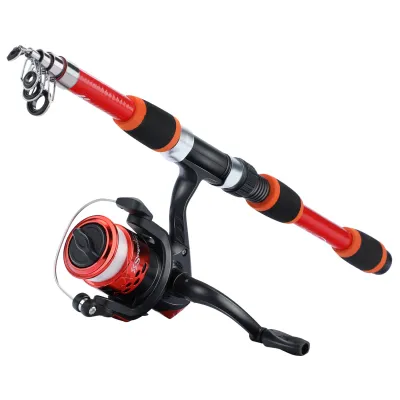
![[In Stock]Sougayilang Fishing Rod Set Full Set 1.8mTelescopic Fishing Rod and Spinning Fishing Reel and Fishing Accessories Fishing Rod Complete Set](https://img.lazcdn.com/g/p/e37753596223983276174dfaf93f2cb3.jpg_400x400q80.jpg_.webp)
![[COD]Fishing Rod and Reel Set Fishing Rod Set Full Set Fish rods 1.8m Telesscopic Fishing Rod Fishing Rod and Reel Combos](https://img.lazcdn.com/g/p/dd36fe77f96794e78e35359c533a3b87.jpg_400x400q80.jpg_.webp)
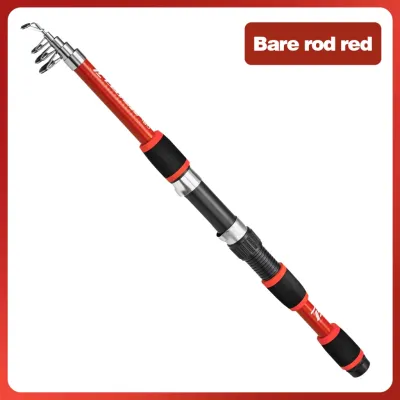
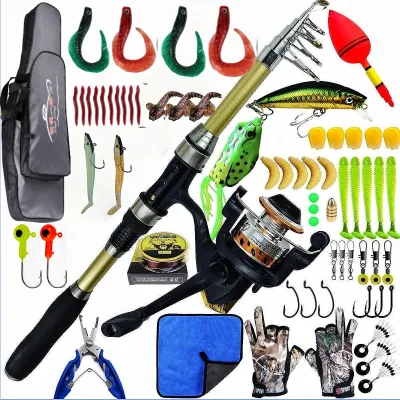
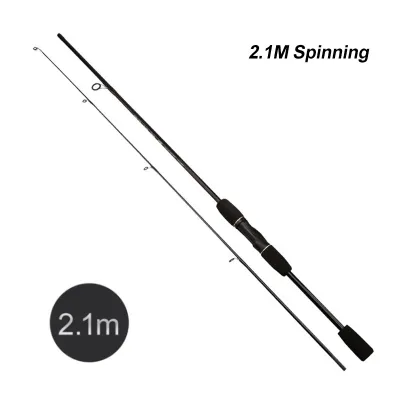
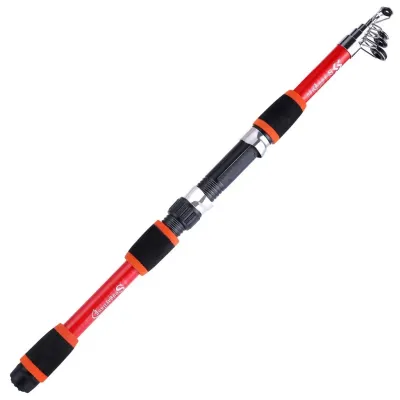
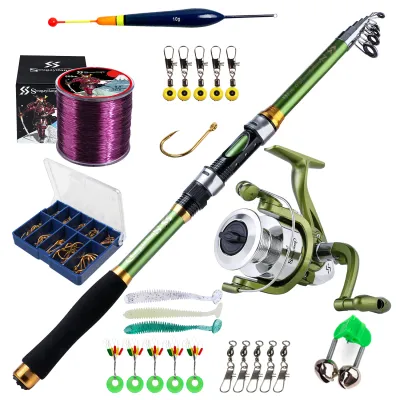
Prices are valid at publication and may change. Please refer to the product page for the latest price.
When evaluating the rod, first identify the blank material. Fiberglass rods are highly durable, flexible, and forgiving, making them excellent for beginners or rugged bank fishing where the rod might bump against rocks. However, they are heavier and less sensitive than graphite (carbon fiber) or carbon composite rods. Graphite rods offer superior sensitivity, allowing you to feel subtle bites from cautious fish, but they are more brittle and require careful handling. Check the rod’s printed label for its power and action ratings. For general use in local lakes and coastal areas, a medium-power rod with a fast or medium-fast action offers the most versatility.
Next, examine the reel specifications. Most starter sets feature a spinning reel, which is the most user-friendly design for beginners. Inspect the reel body material; graphite bodies offer excellent corrosion resistance in humid environments, while aluminum bodies provide greater rigidity under heavy loads. Turn the reel handle to check for smooth rotation and flip the bail wire several times. The bail should snap back sharply without catching. Check the gear ratio, which indicates how many times the spool spins per turn of the handle. A ratio between 5.0:1 and 6.0:1 is a highly versatile middle ground for retrieving both lures and live bait.
To evaluate the balance of the combo, imagine holding the rod at the reel seat with the reel attached. A well-balanced setup should feel neutral in your hand, neither tipping heavily toward the rod tip nor back toward the butt. Proper balance reduces wrist fatigue during long casting sessions along coastal piers or riverbanks.
Beware of mismatched combos frequently found in low-end sets. A common red flag is a heavy-duty, stiff rod paired with a micro-sized spinning reel, or a light-action rod paired with a massive, heavy reel. These setups limit your casting range, cause frequent line tangles, and can lead to structural failure if you hook a larger fish. Before your first trip, always inspect the rod blank for micro-fractures or loose guide rings, as manufacturing defects in cheap sets can cause the rod to snap under tension.
Verifying Line Quality and Terminal Tackle
Terminal tackle and mainline quality directly determine whether a hooked fish makes it to the bank or breaks free. Poorly manufactured line and weak metal hardware are the most common points of failure in budget-friendly sets.

Identify the type of mainline included in the kit. Monofilament is the most common starter line because it is inexpensive, easy to knot, and stretches to absorb the shock of sudden runs. Fluorocarbon is denser, sinks quickly, and is nearly invisible underwater, making it ideal for clear water or leader material. Braided line offers incredibly high strength relative to its thin diameter and has zero stretch, providing maximum sensitivity, though it requires specialized knots. Check the spool label for the line’s pound test (lb) and diameter in millimeters.
Ensure the line strength aligns with the ratings printed on both the rod and the reel. Running a 30 lb braided line on a light-action rod rated for a maximum of 8 lb line can easily shatter the rod blank if the drag is set too tight. Conversely, using an overly thick, stiff line on a small reel reduces your casting distance and causes the line to spring off the spool in loose coils.
Use this checklist to evaluate the included terminal tackle:
- Hooks: Press the point of a hook gently against your fingernail at a shallow angle. If it slides off without catching, it is dull and will fail to penetrate a fish's mouth. High-carbon steel hooks are preferred over soft wire hooks that bend easily under light pressure.
- Sinkers and Weights: Look for a variety of split shots, bullet weights, or egg sinkers. These allow you to adjust your presentation based on water depth and current speed.
- Swivels and Snap Connectors: Inspect the barrel swivels and snaps. They must open and close securely without warping. Swivels are critical for preventing line twist when using spinning lures.
Common red flags in cheap terminal tackle include brittle hooks that snap under moderate finger pressure, yellowed monofilament line that has suffered UV damage during storage, and brass-plated swivels that show signs of corrosion before they even touch the water.
Evaluating Lures, Baits, and Rigging Components
Many full sets advertise high piece counts by including dozens of identical, cheaply molded plastic lures. To determine if these lures are actually usable, you must inspect their construction details.
Compare the value of the included hard baits, such as crankbaits, minnows, and metallic spoons, against the soft plastics. For hard baits, inspect the paint quality; cheap lures often have thin paint that chips off after a few casts. Examine the diving lip on crankbaits to ensure it is thick and molded seamlessly into the body. Check the split rings that connect the hooks to the lure body. If the split rings have gaps or bend easily, they must be replaced. For soft plastics, feel the material; it should be supple enough to wiggle naturally in the water but durable enough to stay on the hook.
Inspect any pre-rigged lures included in the set. Ensure the hooks are positioned correctly and securely fastened to the lure body. For example, weedless soft plastic frogs—highly effective for targeting dalag in heavily vegetated rice paddies or swampy shorelines—must have hooks that sit flush against the plastic body to prevent snagging on weeds, yet expose the hook points easily when a fish strikes.
Rigging components like bobbers or floats must have high-visibility colors, such as bright orange, red, or chartreuse, so you can track them easily on choppy water. Check the attachment mechanism; spring-loaded plastic clips or rubber stopper bands must hold the line securely without pinching or fraying it.
Always cross-reference the included lures with your target fishing environment. If you plan to fish in weedy freshwater lakes or rivers, weedless soft plastics and topwater frogs are highly valuable. If you are fishing in open coastal waters, metallic spoons and sinking minnow lures are far more effective for attracting predatory saltwater species.
Assessing Tools, Accessories, and Storage Gear
A successful fishing trip requires more than just a rod and reel. The utility tools and storage gear included in a full set can make the difference between a smooth day on the water and a frustrating experience.
Look for these essential tools in the kit:
- Fishing Pliers: These are vital for removing hooks from fish mouths, crimping weights, and cutting line. Verify that they are made of stainless steel or anodized aluminum to prevent rusting in humid environments.
- Line Clippers: Dedicated clippers or snips are necessary for trimming knot tags. Avoid using your teeth to cut line, especially braided line, as this can cause dental injury.
- Hook Removers: A long-reach de-hooker helps you safely extract deep-set hooks while keeping your fingers away from sharp teeth or thrashing hooks.
Evaluate the landing net if one is included. Check the hoop size to ensure it matches your target fish. The handle should feel sturdy when extended. Prioritize nets made with rubber-coated or silicone mesh. Standard nylon mesh nets strip away the protective slime coat of the fish and are notorious for getting treble hooks hopelessly tangled in the fibers, whereas rubber mesh protects the fish and allows for quick hook removal.
Inspect the tackle box or storage bag. It should feature adjustable dividers so you can customize the compartments for different lure sizes. The latches must close tightly with a positive snap to prevent the box from opening accidentally during transport. Look for water-resistant materials or rubber gaskets along the lid seam to keep humid air and rain out, protecting your metal terminal tackle from rusting prematurely.
Avoid sets that include fragile, single-use plastic tools. Thin plastic pliers or toy-like clippers will flex or break the first time you attempt to remove a hook from a strong fish, rendering them useless.
How to Spot "Filler" Items and Calculate True Value
E-commerce listings often use massive piece counts, such as “150-Piece Professional Fishing Set,” to justify a high price tag. To find the true value of a set, you must learn to look past the marketing numbers.
Sellers regularly exploit the piece-count trap by counting every single plastic bead, split ring, tiny hook, and soft plastic tail as an individual piece. A “120-piece” set might actually consist of one rod, one reel, one spool of line, and 117 tiny, low-value plastic beads and hooks. Do not let a high piece count dictate your budget.
To calculate the true value of a set, use this mental formula:
- Isolate the core components: the rod, the reel, and the mainline.
- Research the standalone market price of a comparable, reputable rod and reel combo.
- Treat all the included lures, tools, and tackle boxes as secondary bonuses.
If a full set costs ₱3,000, but a standalone rod and reel of similar quality costs ₱2,500, the remaining ₱500 is a fair price for the tackle box, line, tools, and lures. However, if the core rod and reel are unbranded, flimsy, and worth less than ₱1,000 on their own, the set is overpriced regardless of how many plastic beads are packed inside.
Deciding whether to buy a full set or build your gear modularly depends on your experience and goals. A full set is highly beneficial for absolute beginners who want immediate convenience without the stress of matching individual components. It also makes an excellent travel kit or gift. Conversely, if you are an experienced angler targeting specific species or techniques—such as ultra-light stream fishing or heavy saltwater jigging—you should buy your rod, reel, and terminal tackle separately to ensure every piece of gear matches your precise performance requirements.
Before finalizing your purchase, verify the seller’s warranty policy and return conditions. Read the user reviews carefully, filtering for feedback that mentions component failure on the first use. Pay close attention to reports of broken rod tips, grinding reel gears, or missing items, as these are strong indicators of poor quality control.
Frequently Asked Questions (FAQ)
Is a full fishing set a good investment for a complete beginner?
Yes, a full fishing set is generally a practical investment for a beginner because it provides immediate convenience and eliminates the guesswork of matching rods, reels, lines, and terminal tackle. It allows you to get on the water quickly and learn the basics of casting and rigging. However, as your skills progress, you may outgrow the generic rod actions, basic reel drag systems, and limited lure selections included in these entry-level bundles, eventually requiring more specialized gear.
How can I test the quality of the fishing line before using it on the water?
You can perform a few simple visual and tactile checks at home. Run a few meters of the line between your fingertips; it should feel smooth and consistent, without any flat spots, bumps, or nicks. Pull a length of line off the spool to check for excessive memory; if the line remains tightly coiled like a spring, it will cause tangles during casting. Finally, tie a basic clinch knot, wrap the line around gloved hands, and apply moderate, steady tension to verify that the knot holds securely without snapping prematurely. Always check the manufacturer’s label on the spool to ensure the line class matches your rod’s specifications.
Can I use a standard freshwater fishing rod full set for saltwater fishing in the Philippines?
While you can physically use freshwater gear in saltwater, the metal hardware in standard freshwater sets—such as the guide rings, reel bearings, hooks, and swivels—typically lacks the anti-corrosion coatings required to withstand marine environments. Saltwater will rapidly corrode these components, leading to seized gears and rusted hooks. If you must use freshwater gear in the ocean, you must thoroughly rinse the reel, rod guides, and all metal lures with fresh water immediately after every trip. For regular coastal or offshore fishing, investing in dedicated saltwater-rated gear is strongly recommended.
Community discussion
Share your experience or ask a question. Comments are reviewed before publication.