
Finding a reliable baby balance bike under ₱2,000 in the Philippines is entirely possible if you know what specifications to prioritize. At this budget, parents can easily find functional models that help toddlers develop coordination, spatial awareness, and core strength. However, navigating the sea of online listings requires a discerning eye to separate durable, safe trainers from flimsy toys that might fail after a few rides. By focusing on structural integrity, proper sizing, and realistic material expectations, you can secure a safe and enjoyable ride for your child without overspending.
What to Expect From a Balance Bike Under ₱2,000
Most options under the budget limit feature high-tensile steel frames. Steel provides excellent durability and can withstand the inevitable drops and crashes of early riding, but it is heavier than aluminum. A heavier bike can be challenging for a very small toddler to maneuver or pick up independently. If you find an aluminum alloy frame in this price range, verify the actual weight in the specifications, as some listings mislabel steel as aluminum to attract buyers.
At this price point, EVA (ethylene-vinyl acetate) foam tires are the standard. Foam tires are incredibly lightweight, puncture-proof, and require zero maintenance since they never need inflating. They perform exceptionally well on smooth indoor surfaces like tiles or polished concrete, which are common in Filipino homes. However, they offer limited traction on wet pavement, loose gravel, or muddy garden paths, making them less suitable for rough outdoor play during the rainy season. Air-filled rubber tires provide superior cushioning and grip but are rare in this price tier and add significant weight to the bike.
Products mentioned in this guide
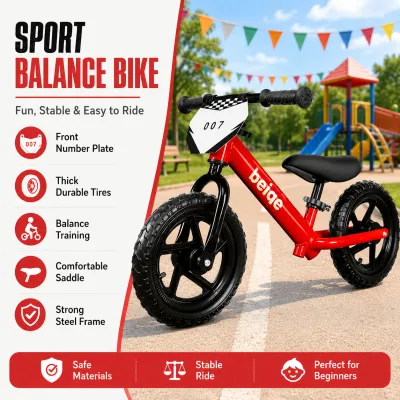
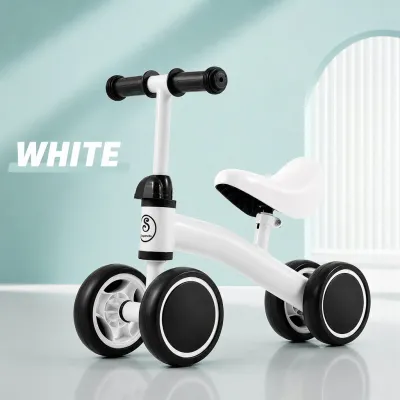
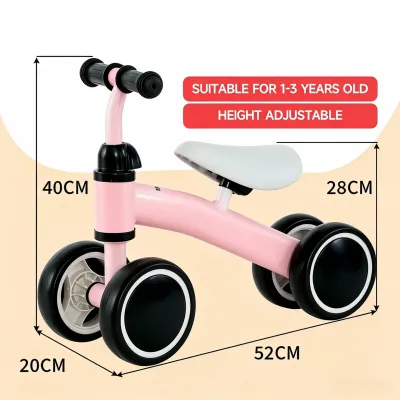
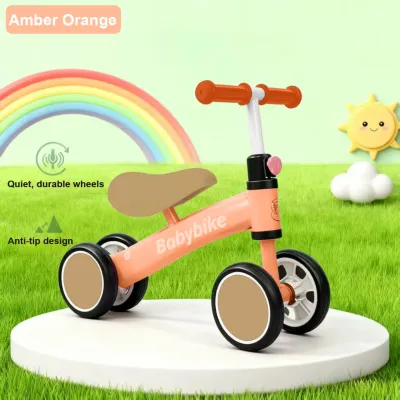
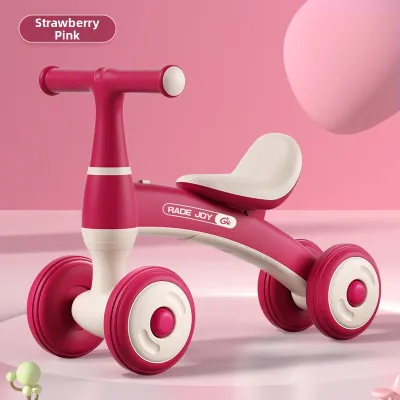
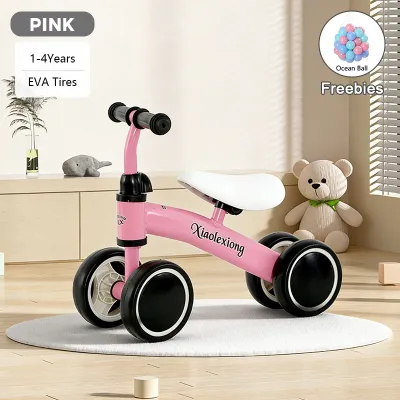
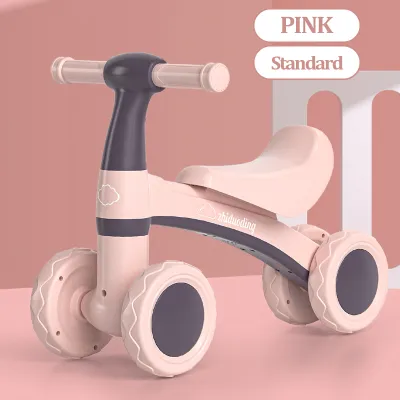
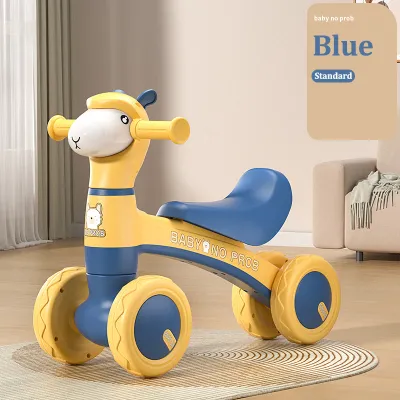
Prices are valid at publication and may change. Please refer to the product page for the latest price.
Budget models typically offer a modest range of adjustment for both the seat and handlebars. A quality budget bike should feature an adjustable seat height, allowing the bike to grow with your toddler for several stages of development. Handlebars may have fixed heights or limited adjustment options. Always check if the adjustment mechanism uses a quick-release clamp or requires manual tools, as quick-release levers make on-the-go adjustments much easier during outdoor play sessions.
Crucial Fit and Safety Checks for Toddlers
A balance bike only works if the child can comfortably plant both feet flat on the ground while seated. To ensure a proper fit, measure your toddler’s inseam—the distance from the crotch to the floor while wearing shoes—and compare it directly to the bike’s minimum seat height. The minimum seat height should be slightly shorter than your child’s inseam. Additionally, check the manufacturer’s stated weight capacity to ensure the frame can safely support your child’s current weight.

Safety features are paramount when evaluating entry-level bikes. Look for models equipped with a steering limiter, which restricts the handlebars from turning completely around. This design prevents the front wheel from jackknifing during a sudden turn, reducing the risk of hard falls over the handlebars. Furthermore, inspect the wheel hubs and steering column for enclosed bearings. Open bearings are highly susceptible to dust, sand, and moisture, which can cause the steering to stiffen or the wheels to seize over time, especially in humid tropical climates.
While budget bikes may not always carry premium international certifications, you should look for indications of basic safety compliance, such as toy safety standards or quality marks. Reliable sellers often display these certificates or mention them in the product description. If a listing lacks any mention of safety testing or structural warranties, treat it as a warning sign and proceed with caution.
Navigating Online Marketplaces and Hidden Costs
When shopping on local e-commerce platforms, the initial price tag of a balance bike can be highly misleading. Because balance bikes are bulky and relatively heavy, shipping fees can vary drastically depending on your location. A bike priced near the budget limit might incur a shipping charge that pushes your total cost well over ₱2,000, especially if sent to provincial areas outside major metropolitan hubs. Always calculate the final checkout price, including shipping and any available platform vouchers, before making your decision.
Evaluating seller credibility is crucial when buying budget-tier sporting goods online. Prioritize official brand stores or highly rated preferred sellers with a proven track record of prompt customer service. Read through the customer reviews, paying close attention to photos and videos uploaded by actual buyers. Look for comments regarding packaging quality, as poorly packaged bikes often arrive with scratched paint, bent forks, or missing assembly hardware. Check the seller’s return policy to ensure you can easily exchange the item if it arrives damaged.
Remember that the bike itself is only part of the investment. Riding a balance bike, even at slow speeds indoors, carries a risk of falls. You must factor the cost of essential safety gear into your overall budget. A properly fitted toddler helmet is non-negotiable, and knee and elbow pads are highly recommended for outdoor practice. If buying the bike leaves you with no budget for a helmet, it is wiser to look for a cheaper model or wait until you can afford the complete safety setup.
Red Flags and Quality Traps to Avoid
Poor manufacturing quality is a common hazard among ultra-cheap balance bikes. Carefully examine user review photos for exposed, sharp bolt heads that could scratch your child’s legs during riding. Look closely at the frame joints; messy, uneven welds indicate poor quality control and potential structural weak points. Avoid models that rely heavily on thin, flimsy plastic components for critical structural areas, such as the handlebar stem clamp or the seat post collar, as these parts can easily crack under pressure.
Be skeptical of highly stylized product photos that use digital rendering or clever angles to make the bike appear larger and sturdier than it actually is. Some sellers use stock images of premium international brands to advertise cheap, generic imitations. If the photos show a child who looks much older than a toddler riding a tiny bike, or if the proportions look unnatural, the product is likely smaller than advertised.
A major red flag is a product listing that lacks specific technical details. If the seller does not provide the exact frame material, bike weight, minimum seat height, or wheel size, it is highly likely they are selling a low-grade toy rather than a functional balance bike. A reliable manufacturer will always supply these basic dimensions so parents can make an informed decision.
When to Stretch Your Budget or Wait for a Sale
While a sub-₱2,000 balance bike is excellent for casual indoor use or smooth subdivision pavements, certain situations warrant saving for a higher-tier model. If your child is exceptionally active, tall for their age, or plans to ride on rough, unpaved roads, a budget bike’s plastic bushings and foam tires may wear out quickly. In these cases, investing in a mid-range bike with a lightweight aluminum frame, sealed cartridge bearings, and pneumatic rubber tires will offer far better durability and a smoother ride.
Alternatively, consider looking for a gently used, high-quality brand-name balance bike on local classifieds or community marketplace groups. A pre-owned premium bike often costs the same as a new budget model but offers superior geometry, lighter weight, and better resale value once your child outgrows it.
As your toddler’s confidence, speed, and balance improve, they will eventually outgrow the capabilities of an entry-level bike. Transitioning to a larger balance bike with handbrakes or moving directly to a small pedal bike is the natural next step. View the budget balance bike as a stepping stone; if it lasts long enough to teach your child the fundamentals of balance, it has fully served its purpose.
Frequently Asked Questions (FAQ)
Do budget balance bikes require complex assembly?
Most budget balance bikes purchased online arrive partially assembled in a flat box to reduce shipping costs. Typically, you will need to attach the front fork, handlebars, front wheel, and seat to the main frame. Most manufacturers include basic stamped metal wrenches and Allen keys in the package, though using your own high-quality tools can make the process much easier and prevent stripping the bolts. Always double-check that all bolts are securely tightened and that the front fork is facing the correct direction before letting your child ride. If any parts seem misaligned or do not fit together smoothly, stop assembly and contact the seller or a local bicycle shop for assistance.
Can I add handbrakes to a budget balance bike later?
It is generally not recommended or practical to retrofit handbrakes onto a budget balance bike. These entry-level frames lack the necessary mounting bosses, cable guides, and wheel rim surfaces required for caliper or V-brake systems. Attempting to clamp aftermarket brakes onto a frame not designed for them can compromise the bike’s structural integrity and pose a serious safety hazard. Toddlers at this developmental stage naturally use their feet to stop, which is highly effective at slow speeds. If your child begins riding fast enough to require handbrakes, it is a clear sign they are ready to transition to a more advanced balance bike or a pedal bike equipped with built-in brakes.
Are foam tires safe for outdoor riding?
EVA foam tires are safe for outdoor riding under specific, controlled conditions. They perform best on dry, flat, and solid surfaces such as concrete driveways, paved park paths, and smooth asphalt. Because they cannot puncture, you do not have to worry about flat tires from thorns, glass, or sharp stones. However, foam tires have significantly less grip than rubber tires, meaning they can easily slip on wet grass, muddy patches, or loose gravel. For safety, restrict outdoor riding to dry weather and flat terrain, and always supervise your child to ensure they do not build up too much speed on slopes where traction might be compromised.
Community discussion
Share your experience or ask a question. Comments are reviewed before publication.