
Finding a reliable road bike within a strict ₱3,000 budget in the Philippines requires a shift in perspective. At this price point, purchasing a brand-new, high-performance drop-bar road bike from a retail store is virtually impossible. Instead, the most practical and safest route to getting on two wheels is exploring the second-hand market, focusing on Japanese surplus imports, vintage steel-framed models, or simple flat-bar commuter bikes. Your primary goal must be structural integrity and mechanical safety rather than modern aesthetics or premium brand names.
Setting Realistic Expectations for a ₱3,000 Road Bike
At ₱3,000, the market is flooded with cosmetic lookalikes. These are often heavy, department-store bikes designed to look like racing bikes but built with low-grade steel, heavy plastic components, and unreliable braking systems. A genuine road bike is built for efficiency, featuring lightweight geometry and drop handlebars that allow for aerodynamic riding positions. Cosmetic lookalikes, by contrast, often weigh significantly more, making climbs on local roads incredibly taxing and offering poor power transfer.
Choosing between a second-hand vintage model and an ultra-budget new bike involves clear trade-offs. A brand-new bike at this price point almost always relies on sub-standard, unbranded components that wear out within a few weeks of daily commuting. On the other hand, a vintage, second-hand steel road bike—often sourced from Japanese surplus shipments—frequently features older but highly durable Shimano or Suntour friction-shifting drivetrains. While these vintage options may look dated and carry minor cosmetic blemishes, their structural frames and metal components are generally engineered to last decades if properly maintained.
Products mentioned in this guide
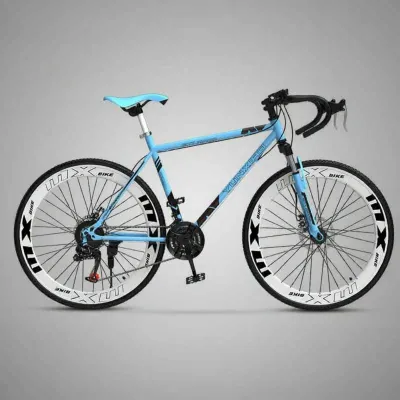
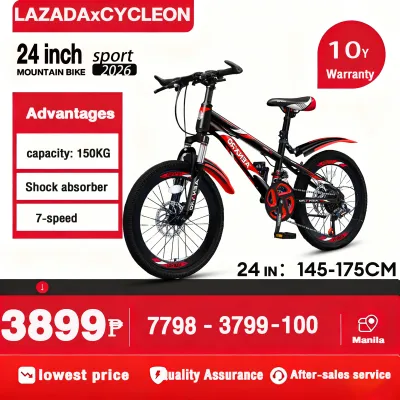
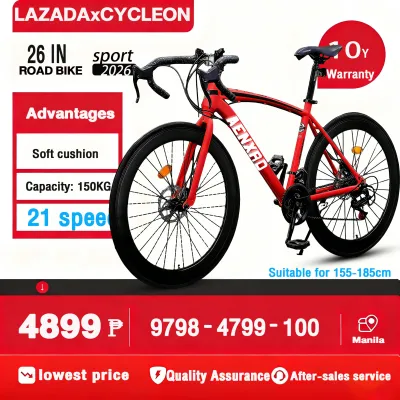
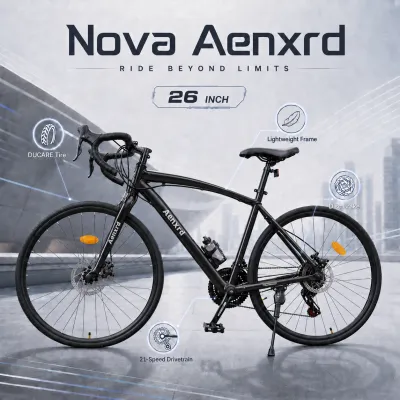
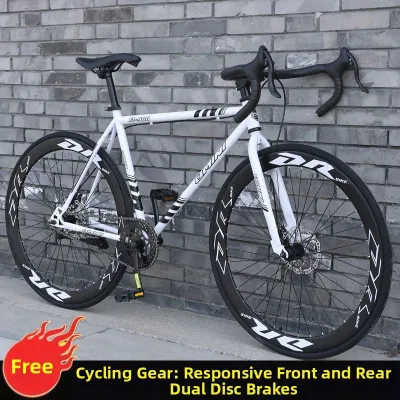
Prices are valid at publication and may change. Please refer to the product page for the latest price.
At this ultra-budget tier, you must expect several structural and component compromises. You will likely encounter heavier high-tensile steel frames instead of lightweight double-butted aluminum or carbon fiber. Shifting systems will typically be down-tube friction shifters rather than modern integrated brake-shift levers (brifters). Additionally, wheelsets at this price point are often single-wall alloy or steel rims, which are heavier and more prone to going out of true when hitting potholes on uneven city streets. Understanding these limitations helps you prioritize a bike that functions safely over one that merely looks fast.
Navigating Local Shops and Online Marketplaces
Sourcing a reliable bike within a ₱3,000 limit requires patience and strategic searching. Local community buy-and-sell groups on social media platforms and general online marketplaces are excellent starting points. These platforms allow you to filter listings by your immediate neighborhood or city, which is crucial for arranging physical inspections. While general online marketplaces offer a wider selection, localized cycling groups often yield better deals because sellers are frequently hobbyists looking to clear space in their homes rather than commercial traders looking for high profit margins.

Never purchase a second-hand bike at this price point without inspecting the frame and drivetrain in person. Photos online can easily hide hairline cracks, bent frames, or severely worn gear teeth. Arrange to meet the seller in a well-lit, public space—such as a busy barangay hall, a mall parking lot, or outside a local bike shop—where you can safely examine the bicycle. Bring a friend if possible, and take your time checking every joint and moving part; a reputable seller will never rush your inspection.
When communicating with sellers, actively ask about the bike’s maintenance history and storage conditions. In the humid, tropical climate of the Philippines, bikes stored outdoors or in damp carports are highly susceptible to internal frame rust and seized seatposts. Ask if the bearings have been recently greased and if the chain has been regularly lubricated. Be wary of listings with vague descriptions or sellers who refuse to provide clear answers about the bike’s history. Remember that private second-hand sales rarely come with warranties or return policies, meaning any post-purchase defect becomes your financial responsibility.
Structural and Safety Checks Before Purchase
Before handing over your hard-earned ₱3,000, you must conduct a rigorous physical inspection of the bicycle’s frame. If the frame is made of high-tensile steel, look closely for signs of deep, bubbling rust, especially around the bottom bracket, chainstays, and under the top tube. For aluminum frames, pay close attention to the weld joints around the head tube and seat tube. Wipe away any dirt or grease from these areas to check for hairline stress cracks, which indicate imminent frame failure. A cracked frame is completely unusable and cannot be safely repaired within your budget.
Next, evaluate the safety-critical components, starting with the braking system. Squeeze the brake levers to ensure they move smoothly and return to their original position without sticking. Inspect the brake calipers and pads; worn-out pads that have rubbed down to the metal holder will damage the wheel rims and fail to stop you in an emergency. Spin both wheels to check for trueness. If a wheel wobbles significantly or rubs against the brake pads as it spins, the spokes may need tensioning, or the rim itself might be bent, requiring a costly trip to a bike shop.
Identify immediate red flags that should make you walk away from the deal instantly. Check the rear derailleur hanger—the piece of metal connecting the rear derailleur to the frame. If this hanger is bent or cracked, the bike will never shift gears properly, and repairing an integrated steel hanger often requires professional frame alignment. Inspect the dropouts where the wheel axles slot into the frame; any signs of cracking or severe bending here pose an extreme safety risk. Finally, try to adjust the seatpost height; a seized seatpost that is rusted solid inside the frame makes it impossible to adjust the bike to your height, rendering the bicycle practically useless.
Factoring in Hidden Costs and Essential Gear
A common mistake among budget-conscious buyers is spending their entire ₱3,000 allocation on the bicycle itself, leaving nothing for essential safety gear. Riding on busy public roads without proper protection is highly dangerous. You must allocate a portion of your funds—or secure additional budget—for a certified, well-fitting helmet and basic front and rear safety lights. In tropical downpours or low-light conditions, high-visibility lights are your primary defense against traffic accidents.
Additionally, you must anticipate immediate maintenance costs when buying a used bike. Even a well-kept second-hand bicycle may require new brake pads, fresh inner tubes, or replacement grip tape to make it comfortable and safe for daily use. Budgeting a few hundred pesos for these minor consumables is far better than riding on dry-rotted tires or worn-out brake pads. If you do not know how to install these parts yourself, factor in the cost of a basic tune-up at a neighborhood bike shop.
When working with a tight budget, always prioritize mechanical safety and drivetrain function over cosmetic upgrades or non-essential accessories. A bike with scratched paint and mismatched bottle cages that stops reliably and shifts smoothly is infinitely better than a polished, color-coordinated bike with failing brakes or a skipping chain. Focus your resources on ensuring the chain is clean, the cables are tensioned, and the tires hold air consistently before worrying about how the bike looks.
Evaluating Alternatives and Knowing When to Wait
If your search for a reliable drop-bar road bike within ₱3,000 proves unsuccessful, consider pivoting to a flat-bar commuter or a hybrid bike. At this price point, flat-bar bikes often offer significantly better structural reliability, simpler shifting mechanisms, and more comfortable riding positions. Hybrid bikes typically feature wider tires that handle potholes, gravel, and wet roads much better than narrow road tires, making them far more practical for daily commuting in urban areas.
Riding an improperly fitted or structurally compromised drop-bar road bike poses serious physical risks. The aggressive, forward-leaning posture of a road bike puts significant strain on your lower back, neck, and wrists if the frame size is incorrect. If you cannot find a road bike that fits your body dimensions properly, forcing yourself to ride an oversized or undersized frame can lead to chronic pain and reduced control over the bicycle, increasing your risk of accidents in heavy traffic.
If every bike available in your price range feels unsafe or severely worn, the wisest decision is to pause your purchase and continue saving. Delaying your purchase until you can increase your budget allows you to access a much wider selection of durable, entry-level models with modern components. Riding a sub-standard bike that requires constant, expensive repairs will quickly exceed your initial budget anyway. Waiting until you can afford a structurally sound, reliable machine ensures a safer, more enjoyable, and ultimately more economical cycling experience.
Frequently Asked Questions (FAQ)
Can I upgrade a ₱3,000 bike later to make it a true road bike?
Upgrading an ultra-budget or department-store bike is rarely cost-effective and often physically impossible due to compatibility issues. Budget frames typically use older standards, such as threaded steerers, narrow rear dropout spacing, and non-standard bottom bracket shells, which will not accept modern, high-quality road bike components. Sinking money into new shifters, derailleurs, or wheelsets for a low-grade frame is a poor investment. It is far more economical to ride your budget bike as it is, maintain it at a basic level, and save your money to purchase a better complete bike with a modern frame geometry later on.
Is it safe to buy a second-hand road bike without a test ride?
Buying a second-hand road bike without a physical test ride is highly risky and generally not recommended. Hidden defects like internal frame rust, hairline cracks in the aluminum, worn-out bottom bracket bearings, or a slightly bent frame are almost impossible to detect from online photos alone. If a physical test ride is absolutely impossible due to distance, you must demand highly detailed, close-up photos of high-stress areas, including the weld joints, the underside of the bottom bracket, the dropouts, and the brake mounts. However, whenever possible, prioritize local sellers where you can personally ride the bike, test the brakes, and shift through all the gears before finalizing the transaction.
Community discussion
Share your experience or ask a question. Comments are reviewed before publication.