
A secure, bounce-free running waist belt is the difference between a focused, high-performance training session and a frustrating run spent constantly adjusting your gear. To eliminate vertical movement and prevent your phone from slipping, you must prioritize three essential design features: a wide elastic band to distribute weight, a secure closure mechanism such as a continuous tube or a high-quality self-locking zipper, and a low-profile design engineered to sit firmly on your hips.
By selecting a belt that incorporates these elements, you ensure that the weight of your phone is integrated with your body’s natural center of gravity. This prevents the annoying vertical oscillation that causes skin chafing, fabric wear, and distractions during high-impact movements.
Key Design Features That Prevent Bounce and Slipping
To understand why some belts bounce while others remain perfectly still, you must look at the physics of a running stride. Every time your foot strikes the ground, an upward and downward force is transmitted through your body. If your running waist belt is not properly designed to damp these forces, your phone will act as a pendulum, pulling the fabric away from your body and creating a repetitive bouncing motion.
Products mentioned in this guide
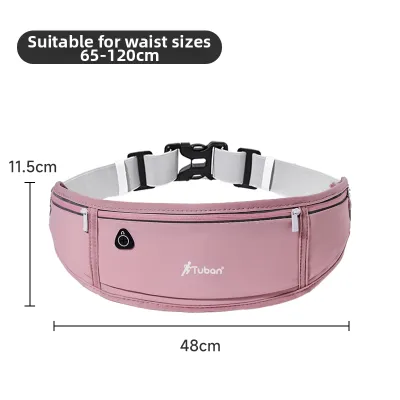
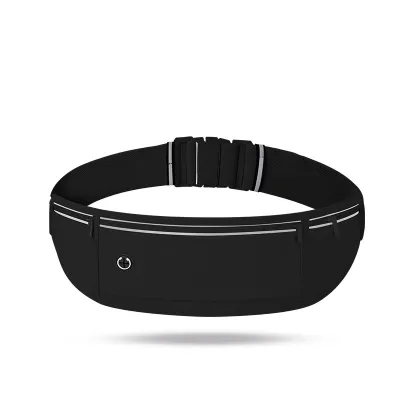
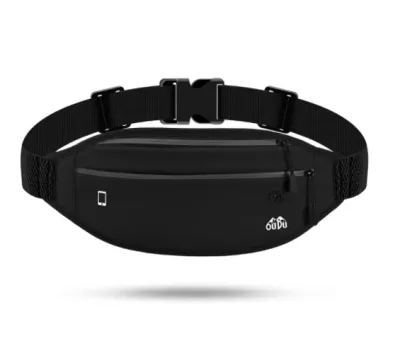
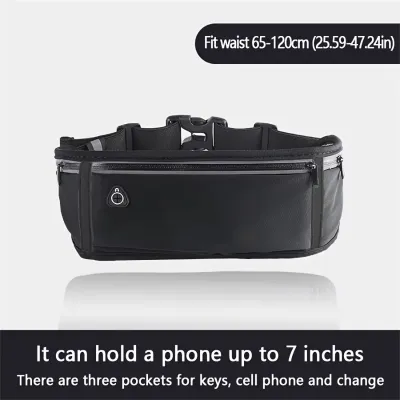
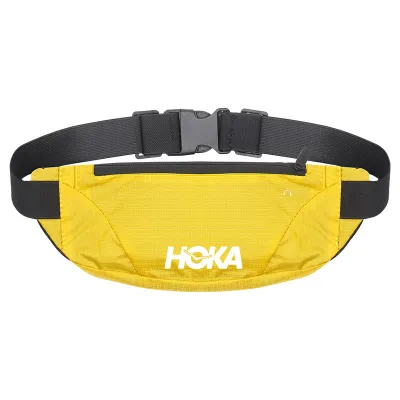
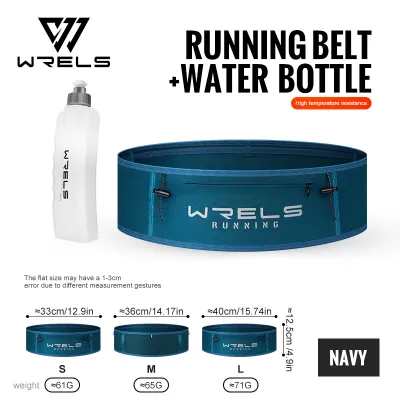
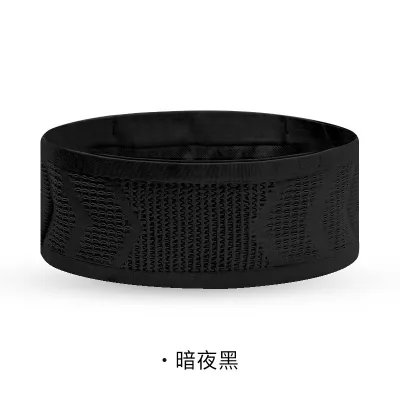
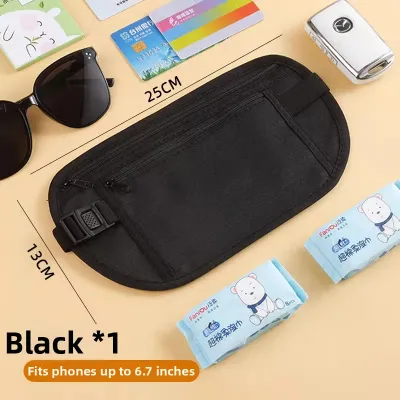
Prices are valid at publication and may change. Please refer to the product page for the latest price.
Material, Width, and Elastic Tension
The fabric composition of a running waist belt directly determines how well it holds its shape under tension. Cheap belts often rely on thin, rigid elastic straps that concentrate all the weight of your phone onto a narrow strip of fabric. This high localized pressure causes the belt to dig into your skin, while the lack of surface contact allows the belt to slide upward toward your narrowest waist point during a run.
To prevent this, look for belts made from high-performance synthetic blends, specifically those combining nylon (polyester) with a high percentage of spandex (elastane or Lycra). A blend containing 10% to 20% spandex provides the necessary tensile strength to pull the phone tight against your body without restricting your breathing. Nylon offers excellent abrasion resistance, while polyester excels at pulling moisture away from your skin.
Band width is equally critical for weight distribution. A band that is 3 to 4 inches wide distributes the weight of a modern, heavy smartphone over a much larger surface area. This increased surface contact creates more friction against your clothing or skin, preventing the belt from shifting. Furthermore, wide bands resist twisting and bunching, ensuring the belt remains flat and supportive throughout your workout.
Closure Mechanisms and Compartment Security
How a belt opens, closes, and secures its contents affects both its stability and its ease of use. There are two primary closure styles: seamless, step-in designs and adjustable buckled straps. Each has distinct structural implications for phone security.
Seamless designs eliminate external hardware entirely, relying on the continuous elastic tension of the band to keep the belt in place. Because there are no plastic buckles, tension locks, or clips, there are no pressure points that can cause bruising or chafing. The phone is typically slid into an internal pocket sleeve, where the natural tension of the fabric holds it flat against your body. While this design offers the highest level of bounce prevention, it requires you to step into the belt like a pair of shorts, which can be inconvenient if you need to access your phone frequently.
Adjustable belts use plastic buckles or hook-and-loop fasteners to secure the strap around your waist. This allows for quick removal and easy adjustments on the fly. However, the buckle itself adds weight and can cause chafing if it rests directly against your spine or hip bones. When choosing an adjustable belt, verify that the buckle is low-profile and positioned away from high-friction zones. Additionally, look for zippers that feature a self-locking slider; these zippers will not creep open under the constant vibration of your running stride.
Internal security features are also vital for protecting your device. High-quality belts often include interior silicone grip strips—wavy patterns of silicone printed on the inside lining—that grip your apparel to prevent the belt from riding up. Internal dividers are also highly useful, as they keep your keys, coins, or trail cards separated from your phone screen, preventing scratches and reducing internal shifting.
Weight Distribution and Body Placement
Where you wear your running waist belt is just as important as how it is made. Many runners instinctively pull their belts up to their natural waist, which is the narrowest part of the torso. However, the natural waist expands and contracts significantly as you breathe deeply during intense exercise. Wearing a belt here leads to a constricting sensation, and the movement of your abdominal muscles will inevitably push the belt downward or cause it to bounce.
Instead, a running waist belt should be worn low on the hips, resting directly over the iliac crest (the top of your hip bones). The hips serve as the body’s natural pivot point during the running gait cycle, experiencing far less vertical displacement than the upper torso. By positioning the weight of your phone over this stable skeletal structure, you minimize the leverage the phone has to bounce.
To maintain this stability, you must also consider how weight is distributed around the circumference of the belt. If you carry a heavy phone in a front pocket and nothing in the back, the belt will naturally pull forward and sag. To counteract this, look for designs that allow you to position the phone pocket directly against the small of your back, or choose a multi-pocket system where you can balance the weight of your phone with smaller items, such as keys, energy gels, or a small soft flask, distributed evenly around your hips.
Types of Running Waist Belts for Carrying a Phone
Understanding the structural categories of running belts will help you choose the best design for your specific training habits, body shape, and access requirements.

Continuous Tube-Style Belts
Continuous tube-style belts are single, seamless bands of highly elastic fabric that you pull up over your legs and position on your hips. They feature multiple slit openings around the perimeter, allowing you to slide your phone, keys, and cards into a continuous internal compartment.
- Pros: Completely bounce-free performance; no plastic hardware to cause chafing; high storage capacity around the entire waist; sits completely flat under running shirts.
- Cons: Must be stepped into; sizing is highly rigid and leaves no room for error; accessing your phone while running requires pulling the fabric open, which can be difficult with sweaty hands.
This style is ideal for road runners, marathoners, and high-intensity interval trainers who want to tuck their phone away at the start of a run and do not plan to look at it until they finish.
Adjustable Zippered Pouch Belts
These belts consist of a dedicated, expandable pouch—often made of neoprene or weather-resistant synthetic fabric—attached to an adjustable elastic strap that secures with a plastic buckle.
- Pros: Highly adjustable to accommodate different waist sizes or layers of clothing; easy to put on and take off; quick zippered access to your phone.
- Cons: Prone to bouncing if the elastic strap loses its tension; weight is concentrated in a single pouch, which can swing if not tightened securely; plastic buckles can cause friction against the skin.
This design is best suited for casual runners, walkers, and those who share their gear with other family members, as the adjustable strap easily fits a wide range of body shapes.
Multi-Pocket Utility Belts
Designed primarily for long-distance trail runners and ultra-marathoners, utility belts are wider, heavy-duty bands that feature dedicated compartments for hydration flasks, energy gels, trekking poles, and electronics.
- Pros: Exceptional weight distribution; allows you to carry essential safety gear and hydration without a full backpack; often includes external elastic loops for extra gear.
- Cons: Bulkier and heavier than minimalist belts; can retain significant body heat in warm weather; premium models can be relatively expensive.
Choose a utility belt if your running routines extend beyond an hour and you require a system that can carry your phone alongside hydration and nutrition safely.
How to Match the Belt to Your Phone Size and Running Style
To ensure your chosen running waist belt performs flawlessly, you must match its specifications to your exact device, your training environment, and your running mechanics.
Phone Dimensions
Never rely on generic marketing claims like “fits all smartphones.” Modern mobile devices vary wildly in size, especially when you factor in protective cases. A rugged, shockproof case or a battery-pack case adds significant thickness and friction, which can make sliding the phone into an elastic pocket incredibly difficult.
Before purchasing, measure your phone’s length, width, and depth with its protective case installed. Compare these measurements directly against the manufacturer’s stated compartment dimensions. If your cased phone is close to the maximum limit, the fabric will be stretched to its absolute capacity. This extreme tension not only makes the phone difficult to extract mid-run but also reduces the fabric’s ability to absorb vibrations, which can actually increase bounce and accelerate fabric tearing.
Running Style
Your training intensity dictates the level of compression you need from a belt. If your routine consists of short, high-speed track intervals, hill sprints, or plyometric workouts, your body experiences rapid, high-impact directional changes. For these activities, a high-compression, seamless tube belt is superior because it locks the phone tight against your skeletal frame, preventing any independent movement of the device.
For long-distance road runs or trail excursions, comfort over several hours becomes your primary concern. A belt that is slightly too tight will cause abdominal discomfort or skin irritation over long distances. For these runs, look for a belt with softer, moisture-wicking fabrics, flat-lock stitching, and easily accessible pockets that allow you to grab nutrition or check your navigation without stopping.
Climate Considerations
Running in humid, tropical climates—such as the weather conditions standard in the Philippines—presents unique challenges for running gear. High humidity and heat mean you will sweat heavily, and that sweat will quickly saturate your running apparel. When a running belt becomes soaked with sweat, it gains weight and loses its natural grip, causing it to slide down your hips.
To combat this, runners in tropical environments should look for belts made from highly breathable, open-mesh fabrics or lightweight perforated neoprene. These materials allow air to circulate, accelerating sweat evaporation and keeping the belt light. Additionally, heavy sweat can seep through standard knit fabrics and enter your phone’s charging port or speaker grilles. To protect your electronics from moisture damage, choose a belt that features an internal water-resistant barrier, such as a thermoplastic polyurethane (TPU) membrane, or place your phone inside a small, sealable plastic bag before inserting it into the belt.
What to Verify on the Label Before You Buy
Before committing to a purchase, carefully inspect the product specifications and labels to ensure the belt meets your performance and safety expectations. Use this checklist to verify key details:
- Sizing Charts: For seamless tube belts, do not select a size based on your standard trouser size. Measure your hips at the exact point where you intend to wear the belt, and match that measurement to the manufacturer's specific sizing guide.
- Material Composition: Look for a high percentage of elastane, spandex, or Lycra (ideally 10% or more) blended with nylon or polyester to ensure long-term elasticity retention.
- Weather-Resistance Ratings: Verify if the phone compartment features a TPU coating, water-resistant zippers, or a neoprene barrier to protect your device from heavy tropical downpours and sweat.
- Reflective Accents: If you run during the early mornings or late evenings on public roads, check the label for high-visibility reflective strips or logos to improve your safety in low-light conditions.
- Price and Quality Verification: While budget-friendly belts can be found online starting around ₱300, premium performance belts designed for durability and zero bounce typically range from ₱1,000 to ₱2,500. Ensure the price aligns with the material quality and stitching standards.
- Return Policy: Because the true test of a belt's fit requires physical movement, verify that the retailer offers a flexible return or exchange policy so you can test the belt's bounce-free performance at home before removing the tags.
Frequently Asked Questions (FAQ)
Can I use a running waist belt for a phone with a thick protective case?
Yes, but you must carefully check the physical dimensions of your cased phone against the belt’s maximum pocket capacity. While elastic fabrics stretch, forcing an oversized, high-friction rubber or rugged plastic case into a tight pocket will overstretch the elastic fibers over time. This causes the belt to lose its recovery force, leading to premature sagging and bounce. If you use a thick, heavy-duty protective case, look for adjustable zippered pouch belts made of expandable neoprene, which accommodate bulkier items more easily than tight, seamless tube belts.
How do I prevent a running belt from chafing my skin?
To prevent chafing, always position the belt low on your hips over your clothing, rather than wearing it directly against your bare skin. Choose belts constructed with flat-lock seams, bonded edges, or seamless designs that eliminate rough stitching lines. Ensure the belt is adjusted snugly enough that it cannot slide or rub against your body; friction is the primary cause of skin irritation. If you are running in highly humid conditions, apply a thin layer of anti-chafing balm to your hip area before putting the belt on, and make sure both your skin and the belt are clean and free of dried salt crystals from previous sweat sessions.
Community discussion
Share your experience or ask a question. Comments are reviewed before publication.