
Finding a reliable adult e-bike under ₱30,000 in the Philippines is highly achievable, especially when leveraging seasonal clearances, holiday promotions, or dealer discounts. However, navigating this budget tier requires a shift in strategy. Instead of chasing flashy features or unverified performance claims, your primary goal must be securing a machine with a safe battery, a durable frame, and reliable stopping power. Because retail inventory and promotional pricing change rapidly, relying on a static list of models can lead to disappointment. A more practical approach is to arm yourself with a robust evaluation framework. This guide will help you assess discounted electric bicycles, verify their specifications, and avoid common quality traps so you can make a secure, cost-effective investment for your daily commute or weekend rides.
Setting Realistic Expectations for a ₱30,000 E-Bike
When shopping within a strict ₱30,000 budget, managing your expectations is key to finding a satisfying ride. At this price point, you are primarily looking at entry-level utility e-bikes, compact folding electric bikes, or light commuter models. These vehicles typically feature hub motors rated between 250 and 350 watts, which are perfectly suited for flat city streets, paved barangay roads, and mild inclines. Expecting a high-performance mountain e-bike or a long-range cargo hauler in this bracket is unrealistic and often leads to purchasing low-quality, unsafe imitations.
To stay within budget, you must distinguish between non-negotiable safety features and premium conveniences that you can comfortably skip. Essential components include a sturdy frame, responsive mechanical disc brakes, and a certified battery management system. On the other hand, features like color digital displays, advanced rear suspension, hydraulic braking systems, and integrated smart tracking are premium extras that manufacturers often cut to keep costs low. Prioritizing mechanical reliability over digital gadgets ensures your money goes toward components that keep you safe on the road.
Products mentioned in this guide
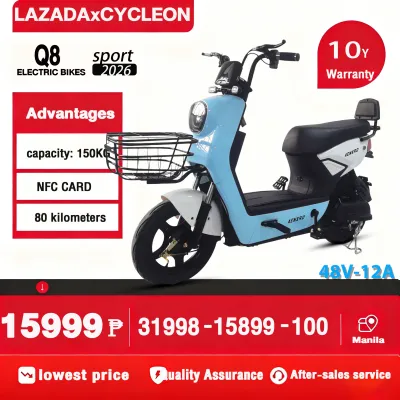
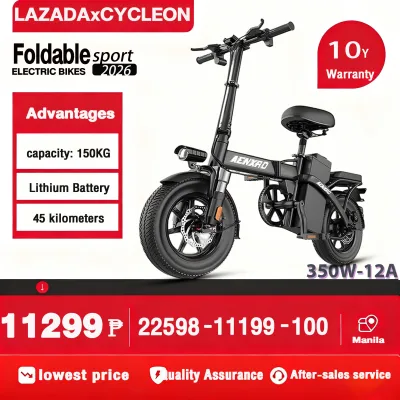
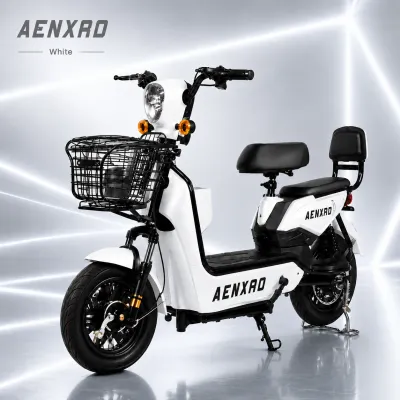
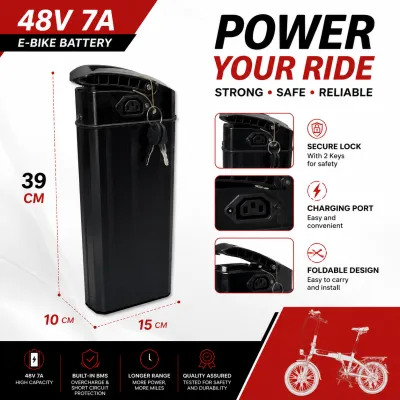
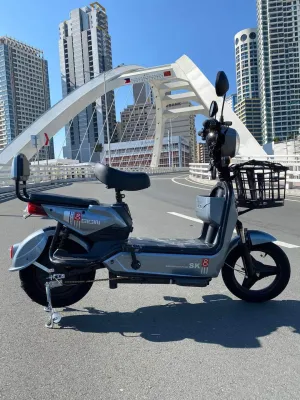
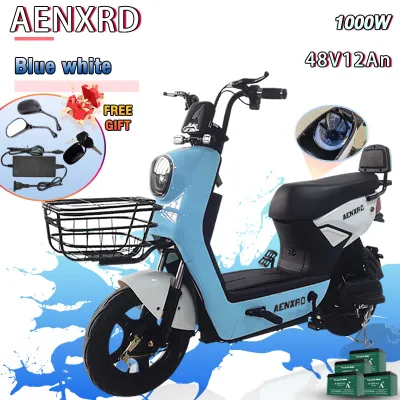
Prices are valid at publication and may change. Please refer to the product page for the latest price.
You will also encounter significant trade-offs between battery capacity, motor output, and overall frame weight. Many budget-friendly models utilize steel frames to reduce manufacturing costs, which adds weight but offers excellent durability against rough road conditions. Alternatively, lightweight aluminum frames might be paired with smaller battery capacities to maintain the price point. Understanding these trade-offs allows you to choose a configuration that matches your physical strength, storage limitations, and daily travel distance.
Essential Specifications to Verify on Discounted Models
Evaluating the technical specifications of a discounted e-bike is the most effective way to verify its true value. The battery is the most critical and expensive component of any electric bicycle, making it your first point of inspection. Look for lithium-ion (Li-ion) or lithium iron phosphate (LiFePO4) chemistries, which offer better longevity and safety compared to older, heavier sealed lead-acid (SLA) batteries. Always calculate the actual capacity in watt-hours (Wh) by multiplying the voltage (V) by the ampere-hours (Ah) listed on the manufacturer label; for example, a 36V 10Ah battery provides 360Wh of energy. Be highly skeptical of listings that omit these basic electrical specifications or use vague terms like “high-capacity battery” without providing concrete numbers.

Motor wattage and torque must align with your local riding environment and physical needs. A 250W motor is the standard for flat urban commuting and provides gentle pedal assistance that helps conserve battery life. If your daily route involves moderate hills or if you carry heavier personal cargo, look for a 350W motor, which offers better torque to maintain speed on inclines. Keep in mind that higher wattage motors draw more power, which will deplete your battery faster unless paired with a proportionally larger capacity.
Never compromise on the braking system and tire quality, especially when riding in tropical climates prone to sudden downpours. Mechanical disc brakes are the preferred standard for budget e-bikes, offering reliable stopping power in both wet and dry conditions compared to traditional rim or drum brakes. Inspect the tire specifications as well; wider tires with deep tread patterns provide better grip on wet asphalt, loose gravel, and uneven road surfaces. Verifying these physical components ensures your discounted e-bike remains controllable and safe during unexpected weather changes.
Sourcing Legitimate E-Bike Sales and Discounts
Finding a genuine discount requires knowing where to look and how to verify the credibility of the seller. Authorized local bike shops are often the safest option, as they allow you to physically inspect the frame, test the ride quality, and establish a direct relationship for future maintenance. Many local shops offer clearance discounts on previous-year models to clear floor space for new inventory, providing an excellent opportunity to secure a high-quality bike within your budget.
If you choose to shop on online marketplaces or ecommerce platforms, prioritize official brand stores or highly rated distributors. Look for sellers that display clear business registrations, physical address details, and direct customer service channels. Before clicking the purchase button, verify the warranty terms specifically for the motor and battery, as some online sellers offer deep discounts by stripping away the warranty coverage. A legitimate seller should provide at least a six-month to one-year warranty on these core electrical components.
It is also crucial to distinguish between genuine clearance sales and artificially inflated markdowns. Some online listings display massive percentage discounts against highly inflated original prices to create a false sense of urgency. To protect yourself, track the pricing of your preferred models across multiple platforms over a few weeks, or compare the sale price with the manufacturer’s suggested retail price (MSRP). A true discount should represent a genuine reduction in the standard market price, not a marketing trick designed to rush your decision.
Calculating Hidden Costs and Pre-Purchase Checks
The initial purchase price of an e-bike is rarely the final cost of getting it on the road. When working with a strict ₱30,000 budget, you must factor in shipping fees, which can be substantial for heavy, bulky items like electric bicycles. If you purchase online, check whether the shipping cost is included or if it will push your total expenditure over the limit. Additionally, unless you are comfortable performing mechanical assembly and electrical checks yourself, budget for a professional assembly fee at a local bike shop to ensure all bolts are torqued correctly and the brakes are properly aligned.
Safety gear is another non-negotiable expense that must fit within your overall budget. Riding an e-bike safely requires a certified bicycle helmet, front and rear lights for low-light visibility, and a loud horn or bell to alert pedestrians and other motorists. Investing in a high-quality lock is also essential to protect your new asset from theft when parked in public spaces. Neglecting to budget for these essential accessories can leave you unprotected on the road or force you to exceed your financial limit.
Finally, verify the local availability of replacement parts and service centers before finalizing your purchase. Even the most reliable budget e-bikes will eventually require replacement brake pads, tires, tubes, and eventually, a new battery. If the brand you choose uses highly proprietary components that cannot be sourced locally, you may face long wait times and high shipping costs for basic repairs. Choosing a model that uses standard bicycle components and widely available battery connectors ensures your bike remains serviceable for years to come.
Red Flags and Quality Traps to Avoid
As a budget-conscious buyer, you must remain vigilant against common quality traps that compromise safety and durability. The most dangerous red flag is an unbranded or uncertified lithium-ion battery. Low-quality batteries lack proper thermal protection and cell balancing, which significantly increases the risk of electrical shorts, rapid degradation, or even thermal runaway. Always look for batteries that carry recognized safety certifications or are produced by reputable manufacturers, and avoid any listing that refuses to disclose the battery brand or certification details.
Be wary of exaggerated performance claims, particularly regarding maximum battery range. Manufacturers often test range under idealized conditions, such as a very light rider, flat terrain, no wind, and the lowest pedal-assist setting. In real-world tropical conditions, factors like high humidity, stop-and-go city traffic, road inclines, and carrying a backpack will significantly reduce your actual range. If a budget e-bike under ₱30,000 claims a range exceeding 60 kilometers on a single charge with a small battery, treat that claim with extreme skepticism.
Another critical trap is choosing models with proprietary, non-replaceable parts. Some budget manufacturers cut costs by integrating the motor controller directly into the frame or using custom battery shapes that cannot be replaced with standard aftermarket options. If any of these custom parts fail after the warranty period, finding a replacement can be nearly impossible, effectively turning your e-bike into scrap metal. Prioritize models that utilize standard, modular components that any experienced local bike mechanic can diagnose, repair, or replace.
Frequently Asked Questions (FAQ)
Do I need to register an e-bike under ₱30,000 in the Philippines?
In the Philippines, registration requirements for electric vehicles depend primarily on their maximum design speed and motor wattage, rather than their purchase price. Under current Land Transportation Office (LTO) guidelines, low-speed electric bicycles that require active pedaling to propel the vehicle and have a maximum speed limit of 25 kilometers per hour are generally classified as category L1a. These light electric vehicles are typically exempt from registration and do not require a driver’s license to operate, though they are generally restricted to local roads, bicycle lanes, and barangay streets. However, if the e-bike features a powerful throttle-only mode that exceeds these speed or wattage thresholds, it may fall into a category that requires formal registration and licensing. Always consult the latest official LTO administrative orders to verify the exact classification of your specific model before riding on public highways.
Can I upgrade the battery later if the range is too short?
Upgrading the battery on a budget e-bike is technically possible but comes with significant compatibility, safety, and financial considerations. The new battery must perfectly match the voltage of your existing motor controller; installing a higher-voltage battery can permanently damage the electrical system unless the controller is also upgraded. Furthermore, the physical dimensions and connector types must be compatible with your bike’s frame or mounting bracket. Using unapproved third-party batteries or attempting DIY modifications can void your manufacturer warranty and introduce serious safety hazards, such as electrical fires. If you anticipate needing longer range in the future, it is highly recommended to invest in a model with a larger, certified battery from the start, or purchase an official spare battery directly from the manufacturer to carry as a backup.
Community discussion
Share your experience or ask a question. Comments are reviewed before publication.