
To secure a genuine replacement lid for your Aquaflask jug, you should purchase directly from the brand’s official physical kiosks, authorized retail partners, or verified flagship stores on major ecommerce platforms. This ensures you receive a food-grade, leak-proof accessory that matches your specific model. Buying through these verified channels protects you from counterfeit products that may leak, fail to retain temperature, or contain low-quality plastics.
In a tropical climate like the Philippines, keeping your hydration gear in top shape is essential for daily commutes, outdoor hikes, and sports activities. A damaged or moldy lid can compromise your drinking water and lead to messy leaks in your bag. By following a systematic approach to identify your model, locate authorized sellers, and verify product authenticity, you can restore your insulated jug to its original performance.
Identify Your Aquaflask Jug Model and Lid Requirements
Before searching for a replacement, you must determine the exact model and capacity of your insulated jug. Aquaflask produces bottles in various sizes, typically ranging from smaller personal flasks to large-capacity jugs. Because the neck diameter and threading patterns differ between product lines, a lid designed for a standard bottle will not fit a wide-mouth jug.
Products mentioned in this guide
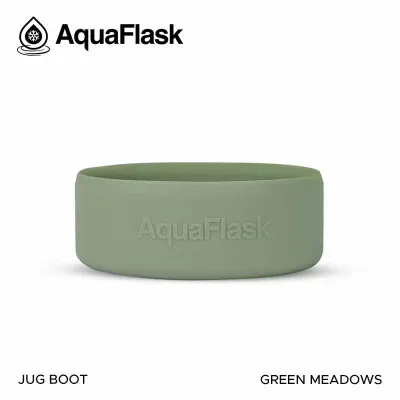
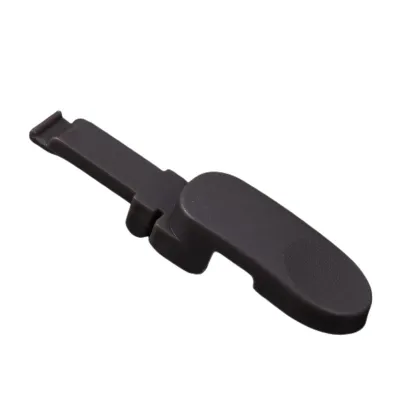
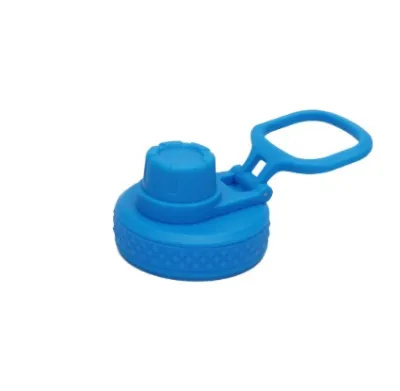
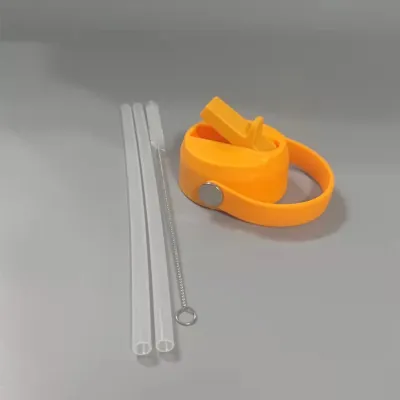
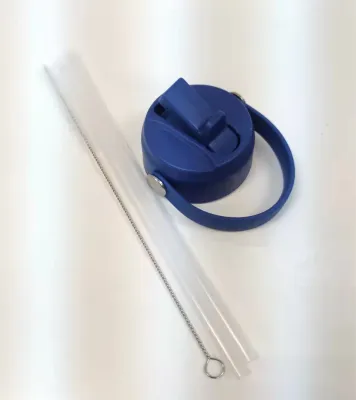
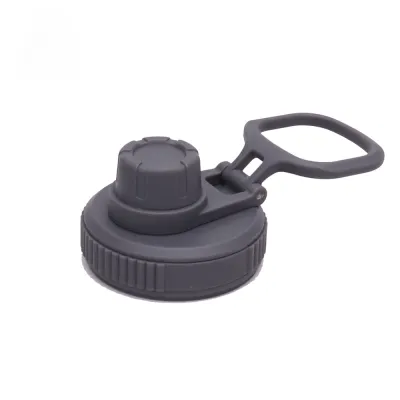
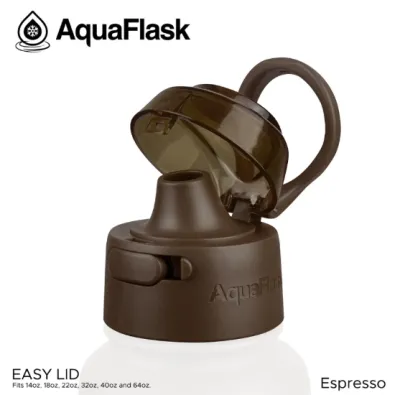
Prices are valid at publication and may change. Please refer to the product page for the latest price.
To find your specific model details, inspect the laser-etched engraving on the bottom of your metal jug. This area usually displays the brand logo along with the liquid capacity. If the engraving has worn off due to daily use, refer to your original purchase receipt, the product packaging, or the digital order history from your online purchase.
If you no longer have access to these records, you can manually check the lid requirements by measuring the outer diameter of the jug’s mouth opening. Most wide-mouth jugs share a standard diameter, but thread depth can vary. Take note of whether your original lid screwed into the interior of the neck or capped over the outer threads, as this determines the style of replacement you need.
Finally, consider your primary activity when choosing a lid style. You can select a straw lid for easy sipping during workouts, a sports spout for fast flow during outdoor activities, or a classic screw cap for maximum thermal retention. Matching the lid style to your daily routine ensures you get the best utility out of your restored jug.
Authorized Channels for Purchasing Genuine Replacement Lids
The most reliable way to purchase an authentic replacement lid is through official physical kiosks. In the Philippines, these dedicated brand booths are widely situated within major shopping malls, department stores, and premium lifestyle centers. Buying in person allows you to bring your jug along, test the fit of the replacement lid immediately, and verify the seal before completing your purchase.

If visiting a physical store is inconvenient, you can access verified flagship stores on major online marketplaces. When shopping online, look for the official mall or brand-verified badge on the seller’s profile to distinguish them from third-party resellers. Official online storefronts regularly stock individual accessories, including silicone gaskets, straw cleaning brushes, and various lid styles.
Another excellent option is to visit authorized sporting goods stores and premium outdoor retailers. These establishments partner directly with hydration brands to supply genuine accessories and replacement parts. Staff at these locations can often assist you in identifying the correct lid size if you are unsure of your jug’s model.
When local stock is limited, you can contact the brand’s official customer support channels via their website or verified social media pages. Customer service representatives can provide direct links to authorized online listings, inform you about upcoming restocks, or guide you on how to claim a replacement if your lid failed under a valid warranty period.
How to Spot Counterfeit or Incompatible Lids
With the popularity of insulated jugs, counterfeit accessories have become common on unverified online listings. Genuine replacement lids are packaged in branded boxes or sealed hang-tags featuring clear, high-resolution printing, official logos, and batch codes. If a replacement lid arrives in a plain plastic bag with no branding or labeling, it is highly likely to be an imitation.
Inspect the physical build quality of the lid immediately upon receipt. Authentic lids are molded from high-quality, food-grade, BPA-free plastics that feel sturdy and smooth to the touch. Counterfeit lids often exhibit rough plastic seams, uneven threading, or a strong chemical odor that does not disappear after washing.
Pay close attention to the silicone sealing ring inside the lid. Genuine gaskets are made of thick, pliable, food-grade silicone that fits snugly within its designated groove to prevent leaks. Imitation lids frequently use thin, rigid, or poorly fitted silicone rings that slip out of place, causing the jug to leak when tilted or transported.
Be cautious of listings on online marketplaces that offer prices significantly below the standard retail range, which typically sits between ₱200 and ₱400 for genuine accessories. Extremely cheap alternatives are rarely made with food-safe materials and may degrade quickly under daily use. Always check the seller’s return policy and customer reviews to ensure other buyers have verified the product’s authenticity.
Caring for Your Replacement Lid to Prevent Future Damage
To maximize the lifespan of your new replacement lid, establish a consistent cleaning routine. Wash the lid daily using warm water, mild dish soap, and a soft sponge or dedicated bottle brush. Avoid using harsh chemical cleaners, bleach, or highly abrasive scrubbing pads, as these can degrade the plastic and scratch the surface, creating microscopic pockets where bacteria can accumulate.
In humid, tropical environments, moisture can easily get trapped beneath the silicone sealing ring, leading to mold growth. Periodically remove the silicone gasket using a blunt tool, such as the handle of a spoon, to clean the groove thoroughly. Allow both the lid and the gasket to air-dry completely in a well-ventilated area before reassembling them.
Avoid exposing the plastic lid to extreme heat sources. Unless the manufacturer’s care guide explicitly states that the accessory is dishwasher-safe, hand-washing is highly recommended. The high temperatures and intense heat cycles of dishwashers can warp the plastic threading, preventing the lid from forming a tight, leak-proof seal on your jug.
Additionally, avoid over-tightening the lid when closing your jug. Applying excessive force can strip the plastic threads or pinch the internal silicone gasket out of shape. A firm, gentle twist is all that is required to engage the seal and keep your beverages secure during transport.
What to Do If Genuine Lids Are Unavailable
If official replacement lids are temporarily out of stock or discontinued, you must evaluate your options carefully. While some universal third-party lids claim to fit wide-mouth insulated bottles, using them carries risks. Unverified plastics may not be food-safe, and minor differences in thread pitch can cause slow leaks that damage your gear or backpack during outdoor activities.
If you must use a temporary third-party lid, conduct a thorough leak test at home before taking the jug outdoors. Fill the jug with water, seal the lid tightly, and hold it upside down over a sink for several minutes. If you notice any moisture seeping through the threads, do not use the setup for active transport or sports.
If a secure, food-grade seal cannot be guaranteed and no genuine lids are available, consider repurposing your jug. It can serve as an excellent dry-storage container for camping gear, or as an open pitcher for serving drinks at home where tipping over is less of a risk. This keeps the stainless steel body useful without compromising your safety on active trips.
Ultimately, if your lid is broken and genuine replacements remain unavailable for an extended period, purchasing a new insulated bottle may be the safest and most cost-effective decision. Relying on a compromised bottle during strenuous outdoor activities can lead to dehydration if your water supply leaks out unexpectedly.
Frequently Asked Questions (FAQ)
Are Aquaflask lids interchangeable between different jug sizes?
Yes, many lids are interchangeable, but only within the same mouth-diameter category. Most wide-mouth flasks and jugs share a standardized neck diameter, meaning a wide-mouth straw lid will fit various capacities within that specific product line. However, they will not fit standard-mouth bottles or specialized narrow-neck series. Always verify your bottle’s neck style before purchasing.
Does buying a third-party lid void the warranty on my Aquaflask jug?
Using a non-original or third-party lid generally voids the manufacturer’s warranty regarding thermal performance and leakage. If a third-party lid damages the metal threads of your jug due to improper fit, any subsequent claims for the jug body will likely be denied. To protect your investment, stick to genuine brand accessories.
How often should I replace the silicone sealing ring inside the lid?
Under normal daily use, you should inspect the silicone sealing ring monthly. You should replace the gasket immediately if you observe persistent black mold spots that cannot be cleaned, physical tears, cracking, or a loss of elasticity that causes the lid to leak. With proper cleaning and drying, a high-quality silicone ring can last up to a year.
Community discussion
Share your experience or ask a question. Comments are reviewed before publication.