
A budget of ₱20,000 opens up excellent opportunities for both commuter and recreational cyclists in the Philippines. At this price point, you can secure a highly reliable, durable machine capable of handling daily commutes, weekend trail rides, or fitness journeys. However, finding the right bike requires shifting focus away from flashy, unverified brand names and focusing instead on component quality, frame geometry, and assembly standards. By understanding what this budget realistically delivers, you can make a practical decision that keeps you safe on the road or trail.
Setting Realistic Expectations for a ₱20,000 Bike
Navigating the local cycling market with ₱20,000 requires a clear understanding of what is achievable. In this price bracket, you will primarily find entry-level mountain bikes, versatile hybrid city bikes, and basic aluminum road bikes. Each category serves a distinct purpose, and choosing the right one depends entirely on your primary riding environment, fitness level, and physical comfort.
Mountain bikes in this range are highly popular in the Philippines due to their rugged construction, which helps absorb the impact of uneven asphalt, potholes, and gravel roads. Hybrid bikes offer a lighter, faster alternative for urban commuters, combining the flat handlebars of a mountain bike with the efficient, narrower tires of a road bike. Basic road bikes are available but will feature entry-level component groups and heavier aluminum frames, making them suitable for smooth pavement rather than rough terrain.
Products mentioned in this guide
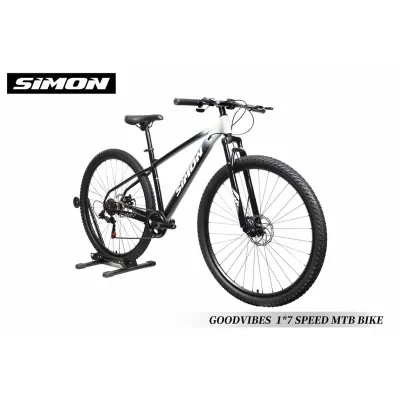
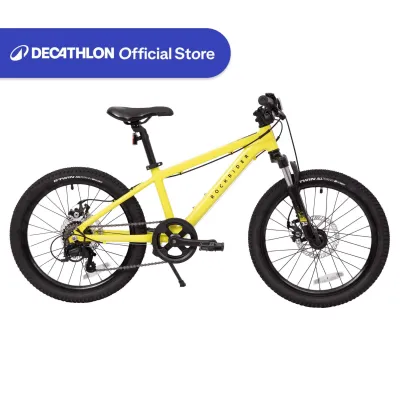
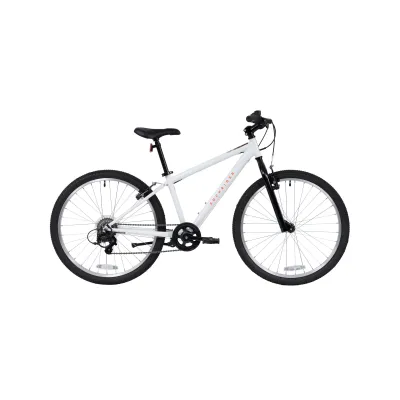
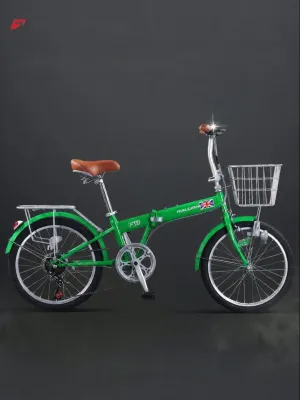
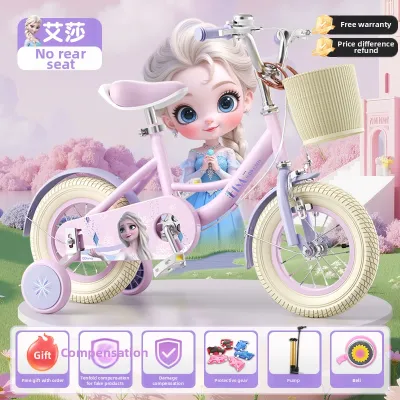
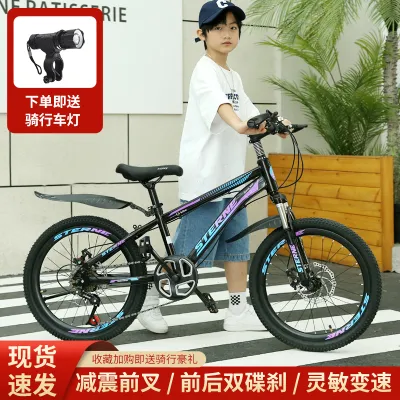
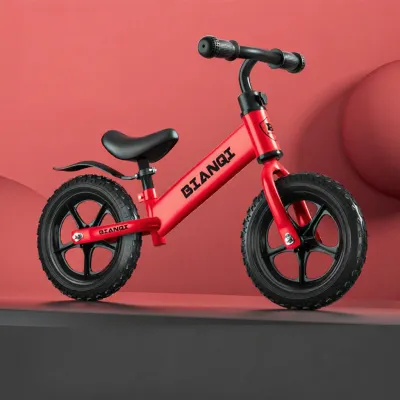
Prices are valid at publication and may change. Please refer to the product page for the latest price.
At this budget, you will face a classic trade-off between brand reputation and component quality. Well-known international brands often offer superior frame engineering and reliable warranties, but they may spec their bikes with lower-tier components to keep the price down. Conversely, lesser-known or local brands might offer higher-tier drivetrains and brakes on a slightly heavier or less refined frame.
It is crucial to accept that advanced features are outside this price range. You will not find carbon fiber frames, high-end air suspension forks, or electronic shifting systems at ₱20,000. Attempting to buy a bike that claims to offer these premium features at this price point is a major red flag, as it almost always indicates counterfeit parts or compromised structural safety.
Key Specifications to Prioritize at This Budget
When working with a strict budget, prioritizing functional safety and long-term durability over cosmetic appeal is essential. Flashy paint jobs, integrated kickstands, or colorful plastic guards do not contribute to a bike’s performance or safety. Instead, focus your attention on the structural integrity of the frame, the reliability of the stopping mechanism, and the smooth operation of the moving parts.

Before finalizing any purchase, perform a systematic physical inspection of the bike. Ensure that all bolts are tightened to specification, the wheels are true and do not wobble, and the brakes engage smoothly without rubbing. Checking these fundamental build elements prevents premature wear and ensures your first ride is safe.
Frame Materials and Geometry
The frame is the heart of your bicycle, dictating both its weight and how it handles different terrains. At the ₱20,000 level, your primary choices are high-tensile steel and entry-level aluminum alloys, such as 6061 aluminum. Steel frames are highly durable and offer a naturally compliant ride that dampens road vibrations, but they are significantly heavier and susceptible to rust in the humid, tropical climate of the Philippines.
Aluminum frames are the preferred choice for most riders in this budget because they are lightweight, stiff, and highly resistant to corrosion. When inspecting an aluminum frame, look closely at the weld joints around the headtube, bottom bracket, and dropouts. High-quality welds should look uniform, resembling a neat “stack of coins,” without any visible gaps, pinholes, or cracked paint.
Frame geometry must match your intended riding posture and physical dimensions. If you plan to commute through heavy city traffic, look for a hybrid or mountain bike with an upright geometry that keeps your head high and improves visibility. For longer fitness rides, a slightly more aggressive, forward-leaning geometry can improve aerodynamic efficiency, but it requires greater core strength and flexibility to ride comfortably over long distances.
Drivetrain and Braking Systems
Your drivetrain and brakes are critical for both propulsion and safety, making them key areas to inspect. At this price tier, you will choose between mechanical disc brakes and high-quality rim brakes. Mechanical disc brakes offer superior stopping power and consistency in wet, muddy tropical downpours, making them highly desirable for local conditions. However, a well-adjusted, high-quality rim brake is often lighter, easier to maintain, and more reliable than a cheap, poorly made mechanical disc brake.
For the drivetrain, simpler configurations are generally more reliable at this price point. While a complex 3x system offers many gears, it adds weight, increases chain slap, and is more difficult to keep properly aligned. A simpler 1x or 2x drivetrain reduces mechanical complexity, lowers the risk of dropped chains, and is much easier to clean and maintain after riding through dusty or muddy roads.
Before purchasing, check the drivetrain for immediate wear indicators. Inspect the teeth on the chainrings and rear cassette; they should be uniform and flat at the tips, not sharp or shaped like “shark fins,” which indicates excessive wear. Spin the pedals to ensure the chain moves smoothly through the derailleurs without skipping, grinding, or jumping off the gears.
Where to Shop and How to Verify Value
Finding a genuine, high-value bike requires choosing the right purchasing channel and verifying the seller’s credentials. Local bike shops are often the safest option for entry-level buyers. While their prices might be slightly higher than online listings, they provide professional assembly, personalized fitting advice, and immediate after-sales service, which can save you thousands of pesos in repairs later.
Authorized brand dealers offer the highest level of security regarding product authenticity and warranty support. If you choose to shop on an online marketplace or ecommerce platform, exercise extreme caution. Only purchase from official flagship stores or highly rated preferred sellers who specialize in cycling equipment, and carefully read customer reviews to verify the packaging and delivery quality.
To verify that you are getting a fair deal, always cross-reference the seller’s price with the manufacturer’s suggested retail price listed on the official brand website. Be highly suspicious of listings that offer massive discounts of 50% or more off the MSRP, as these are frequently counterfeit products or bait-and-switch listings.
Additionally, clarify the warranty terms before handing over your money. A legitimate ₱20,000 bike should come with a manufacturer’s warranty covering the frame for at least one to five years, along with a limited warranty on components. Avoid sellers who offer only a “store warranty” of a few days or refuse to provide written warranty documentation.
Hidden Costs and Essential Accessories
When planning your purchase, do not spend the entire ₱20,000 on the bicycle alone. Owning and operating a bike safely in the Philippines requires essential safety gear and maintenance tools that must be factored into your total budget. A practical approach is to allocate approximately ₱15,000 to ₱17,000 for the bike itself, leaving the remaining balance for mandatory accessories.
Your absolute first purchase must be a high-quality, certified bicycle helmet. Never ride without one, as head protection is your primary defense against serious injury in traffic or on trails. Additionally, budget for front and rear safety lights, especially if you plan to commute during the early morning or late afternoon when visibility is low.
Basic maintenance tools are also non-negotiable for keeping your bike running smoothly. You will need a reliable floor pump with a pressure gauge, a set of tire levers, a patch kit, and a basic multi-tool for adjusting your saddle and handlebars. A bottle of quality chain lubricant is also essential to protect your drivetrain from the high humidity and frequent rain.
Finally, if you purchase your bike online, remember to factor in assembly and tuning fees. Most bikes shipped in boxes are only 85% assembled and require professional tuning of the brakes, derailleurs, and wheel tension. Taking your boxed bike to a local shop for professional assembly typically costs a few hundred pesos but ensures the bike is structurally safe to ride.
Red Flags and Quality Traps to Avoid
The budget bike market contains several common traps that can lead to frustrating mechanical failures or safety hazards. The most common trap is the unbranded or “generic” bike that features heavy, low-grade steel frames disguised with flashy decals and thick paint. These bikes are often poorly engineered, extremely heavy, and use non-standard parts that are difficult or impossible to replace when they break.
Another major red flag is the presence of fake or non-functional suspension systems. Cheap suspension forks often lack proper internal damping, meaning they bounce uncontrollably or seize up entirely after exposure to rain and dirt. If your budget is tight, a rigid fork is almost always lighter, more durable, and more efficient than a cheap, heavy suspension fork that adds unnecessary complexity.
Be cautious of non-functional decorative components, such as plastic disc brake covers, oversized mudguards that rub against the tires, or integrated wheel designs made of heavy, brittle magnesium alloys. These features add dead weight to the bike and are prone to cracking under normal riding conditions.
Lastly, buying a used bike in this price range carries significant risks if you do not know what to look for. Without a proper mechanical inspection, you could easily buy a bike with a hairline frame crack, a bent derailleur hanger, or worn-out bearings that will cost thousands of pesos to repair. If you choose the second-hand route, always inspect the bike in person, test ride it thoroughly, and consider bringing an experienced cyclist or mechanic along to help you evaluate its true condition.
Frequently Asked Questions (FAQ)
Is it better to buy a used premium bike or a new entry-level bike for ₱20,000?
Buying a new entry-level bike is generally the safer and more predictable choice for most riders. A new bike comes with a manufacturer’s warranty, fresh components with their full lifespan intact, and the assurance of professional assembly. This predictability is highly valuable if you do not want to spend time and money troubleshooting mechanical issues.
However, a used premium bike can offer superior frame materials and higher-tier components if you know how to inspect it. If you choose the used market, you must carefully check the frame for cracks, dents, or signs of crash damage. You should also inspect the wear on the drivetrain, the play in the wheel hubs, and the responsiveness of the brakes to ensure you are not buying a bike that requires immediate, expensive repairs.
Can I upgrade a ₱20,000 bike later as my skills improve?
Yes, you can upgrade your bike, but you should focus on components that offer the best balance of cost and performance. Upgrading your contact points—such as installing more comfortable grips, a better saddle, or high-traction tires suited to your local terrain—can dramatically improve your riding experience for a relatively low cost.
However, upgrading major structural components like the entire drivetrain, the suspension fork, or the wheelset is rarely cost-effective on a ₱20,000 bike. The cost of purchasing these premium parts individually, combined with shop installation fees, will often exceed the original purchase price of the bike. If you find yourself outgrowing the frame’s capabilities, it is usually more economical to sell the bike and purchase a higher-tier model designed for advanced riding.
Community discussion
Share your experience or ask a question. Comments are reviewed before publication.