
Selecting the right breathable shoulder compression sleeve depends on matching the garment’s support level, range of motion, and moisture-wicking properties to the specific physical demands of your activity. Rather than relying on a single universal design, athletes must evaluate how different sports stress the shoulder joint and choose a sleeve that provides targeted stabilization without restricting natural movement or trapping excess heat. In tropical climates where humidity and heat are constant factors, selecting a sleeve that balances structural support with high airflow is essential to prevent skin irritation and maintain peak athletic performance.
Assessing Your Sport's Shoulder Demands
Every sport places unique mechanical and environmental stresses on the shoulder joint. To narrow down your sleeve requirements, you must first evaluate the specific range of motion your activity demands. Sports that require extreme overhead reaching, such as serving in tennis or spiking in volleyball, demand a highly flexible sleeve that does not restrict the rotator cuff. Conversely, activities with more linear or restricted movements may allow for a more structured, supportive sleeve that prioritizes joint stabilization over maximum flexibility.
Collision and impact risks are another critical factor to consider. If you play contact sports where falls or player-to-player contact are common, you may need a sleeve with integrated padding or a thicker, more durable weave to protect against abrasions and minor impacts. However, in non-contact sports, this extra bulk can become an unnecessary burden that traps heat and restricts movement.
Products mentioned in this guide
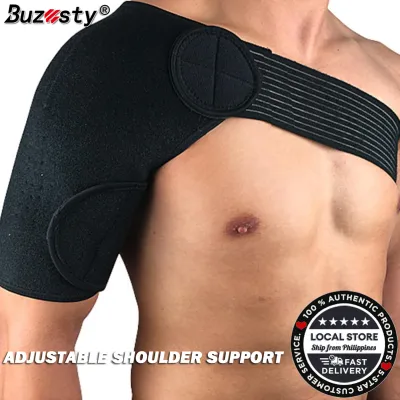
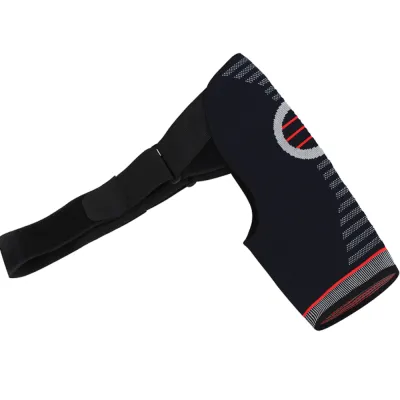
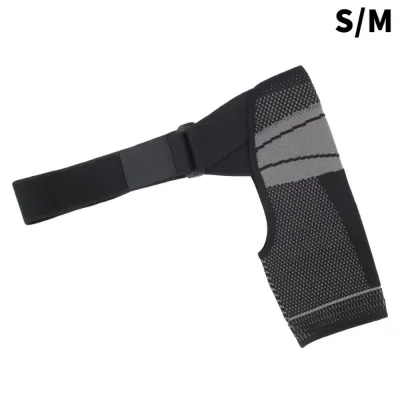
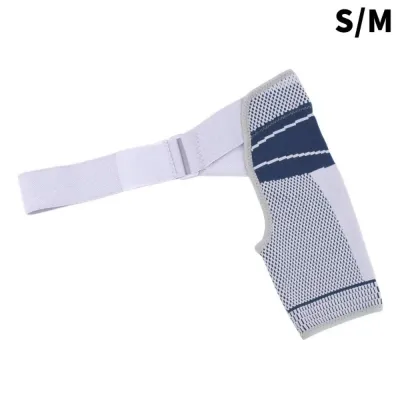
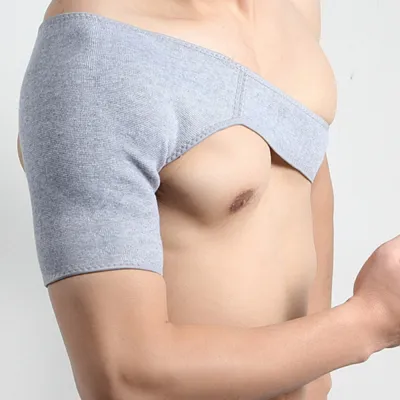
Prices are valid at publication and may change. Please refer to the product page for the latest price.
Finally, consider the duration of wear and the rate of sweat accumulation. High-intensity indoor sessions or prolonged outdoor activities under the tropical sun will inevitably lead to heavy sweating. A sleeve worn for a quick thirty-minute workout has different breathability requirements than one worn during a multi-hour running session or a full afternoon tournament.
Evaluating Breathability and Compression Features
When shopping for a shoulder compression sleeve, reading product labels and specifications carefully is key to verifying its performance. Start by checking the fabric composition. Look for moisture-wicking synthetic blends, such as nylon, polyester, and spandex, which draw sweat away from the skin to accelerate evaporation. Strategic mesh panels located around high-heat zones, like the underarm or the upper back, are excellent indicators of a design optimized for airflow.

Compression gradients and targeted support zones are equally important. A high-quality sleeve should provide graduated compression, which is typically tighter at the extremities and slightly more relaxed near the joint to promote healthy blood flow. Look for sleeves that feature targeted compression zones—reinforced bands of elastic material that mimic the natural path of your shoulder ligaments—to stabilize the joint without acting as a rigid, movement-limiting brace.
Do not overlook seam construction and edge finishes. Repetitive arm swings can quickly turn minor friction into painful chafing, especially when salt from dried sweat accumulates on the skin. Inspect the sleeve for flatlock seams, which lie flat against the skin to minimize friction. Additionally, check the top and bottom bands for soft, flexible edge finishes that secure the sleeve without digging into your skin or restricting circulation.
Scenario Guide: What to Look For by Sport
Choosing the right compression sleeve requires translating your sport’s specific movement patterns into concrete material properties. Because no single sleeve can excel at every athletic task, you must weigh the trade-offs between maximum joint support and unrestricted mobility. The following guidelines help match specific sleeve features to the unique demands of your chosen activity.
Overhead and Contact Sports (Basketball, Volleyball)
For sports requiring extreme overhead reach, explosive jumping, and physical contact, your sleeve must prioritize flexibility and secure placement. Look for high-stretch materials, such as premium spandex blends, that allow full rotator cuff mobility for shooting, spiking, and serving. The fabric should stretch dynamically with your movement without pulling or shifting the sleeve out of place.
If your sport involves frequent floor contact or physical collisions, look for sleeves that offer reinforced padding or a thicker, double-knit weave over the lateral shoulder. This extra layer helps absorb minor impacts and protects the skin from floor burns.
To ensure the sleeve stays in place during explosive vertical movements, verify that it features secure anti-slip grips. Look for interior silicone wave strips or textured elastic bands along the upper chest and bicep cuffs. These grips prevent the sleeve from sliding down or bunching up during intense play.
Heavy Load and Water Sports (Weightlifting, Swimming)
High-tension lifting and aquatic environments present unique challenges that standard compression fabrics cannot handle. For weightlifting, your primary focus should be joint stabilization and mild thermal retention. Check for sleeves with adjustable tension straps or thicker compression bands that help stabilize the shoulder during heavy bench presses or overhead lifts, ensuring the sleeve does not restrict your natural lifting path.
For swimming and other water sports, standard fabrics will quickly waterlog, creating drag and weighing you down. Verify that the sleeve is specifically rated for aquatic use, featuring chlorine resistance, a hydrodynamic fit, and quick-dry capabilities.
Avoid thick, non-breathable neoprene sleeves in water sports unless they are specifically designed and approved for aquatic environments. Standard neoprene traps water and heat excessively, which can lead to severe skin irritation and restricted movement when wet.
Endurance and Rhythmic Motion (Running, Cycling)
Long-duration, low-impact aerobic activities in warm climates require a sleeve that excels at temperature regulation. Focus on ultra-lightweight, highly breathable mesh fabrics that maximize airflow and accelerate sweat evaporation. The material should feel like a second skin, offering light compression to support posture and muscle alignment without adding bulk.
Because running and cycling involve thousands of repetitive arm movements, secure fitment is crucial. Ensure the sleeve features low-profile, anti-slip silicone grips that prevent sliding without causing friction burns over long distances.
Minimize material bulk and thickness to avoid overheating during prolonged exposure to tropical heat and humidity. A lightweight, breathable sleeve will help keep your skin cool and dry, reducing the risk of heat rash and chafing during long training sessions.
Sizing, Application, and Safety Boundaries
Proper sizing and application are critical to ensuring your compression sleeve provides support without causing harm. Before purchasing, accurately measure your bicep circumference, shoulder width, and chest size using a flexible measuring tape. Always compare your measurements to the specific manufacturer’s sizing chart, as dimensions and fit profiles vary significantly between brands. Never guess your size or assume a standard medium will fit across different manufacturers.
Once applied, monitor how your body responds to the compression. Check for immediate signs of restricted blood flow, such as numbness, tingling, cold fingers, or a bluish tint to the skin. If you experience any of these symptoms, or if you notice excessive skin friction and redness, remove the sleeve immediately and verify the sizing.
It is vital to recognize the safety boundaries of compression wear. A compression sleeve is designed to provide mild support, improve proprioception, and manage minor swelling; it cannot replace professional medical diagnosis, physical therapy, or targeted rehabilitation. If you experience persistent, sharp, or worsening shoulder pain, stop using the sleeve and consult a physical therapist or doctor to address the underlying issue.
Frequently Asked Questions (FAQ)
Can I wear a shoulder compression sleeve all day?
Generally, you should not wear a shoulder compression sleeve continuously all day. It is best to limit wear to the duration of your workout or active recovery periods, typically around two to four hours at a time. Taking regular breaks allows your skin to breathe, prevents moisture buildup, and ensures your natural blood circulation is not restricted. If you experience numbness, tingling, skin irritation, or deep muscle fatigue, remove the sleeve immediately.
How do I wash and maintain a breathable compression sleeve?
To preserve the elasticity and moisture-wicking properties of your sleeve, always check the manufacturer’s care label for specific instructions. Hand washing in cold water with a mild detergent is the safest method. If using a washing machine, place the sleeve in a mesh laundry bag and select a gentle cycle. Avoid using fabric softeners, bleach, or high-heat dryers, as these will degrade the spandex fibers and ruin the breathable mesh structure. Always air dry the sleeve flat in a shaded area.
Community discussion
Share your experience or ask a question. Comments are reviewed before publication.