
Finding the right soccer ball for adult players in the Philippines requires balancing several factors, including your primary playing surface, local weather conditions, and your budget. The tropical climate presents unique challenges, such as high humidity that can weaken adhesives over time and sudden heavy downpours that can quickly waterlog poorly constructed balls. Whether you are playing in a weekend 7-a-side league on artificial turf, practicing drills on natural grass, or having a casual kickabout, selecting a ball with the appropriate materials and construction ensures a consistent touch, reliable flight, and long-lasting durability.
To make an informed purchase, you must look beyond brand names and aesthetic designs. Understanding the technical specifications of a soccer ball—such as its size, bladder material, outer casing, and panel construction—allows you to evaluate its quality objectively. By matching these specifications to your playing environment and frequency, you can find a ball that offers the best performance and value for your investment.
Sizing and Construction: The Foundation of a Good Adult Soccer Ball
When shopping for an adult soccer ball, the first specification to verify is the size. Size 5 is the official standard for adult players, including all competitive leagues, recreational groups, and training sessions for players aged 12 and older. A standard Size 5 ball features a circumference of 68 to 70 centimeters and a weight ranging between 410 and 450 grams when fully inflated. Using the correct size is essential for developing proper muscle memory, passing accuracy, and shooting technique.
Products mentioned in this guide
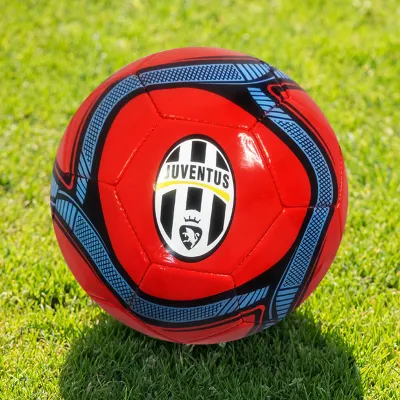
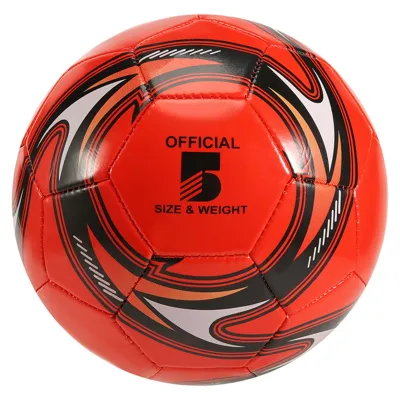
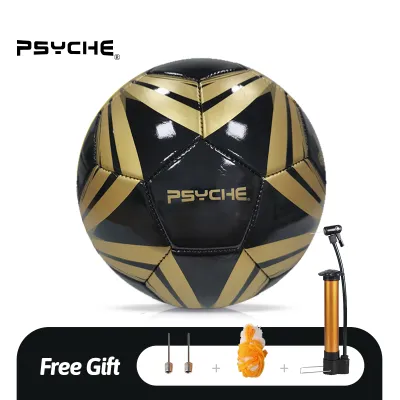
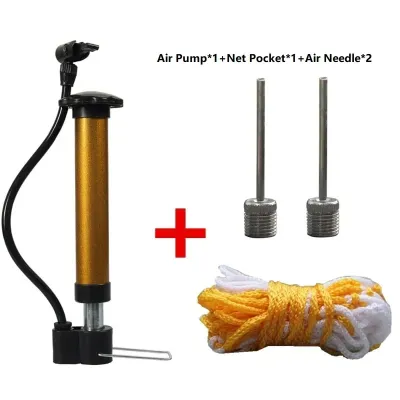
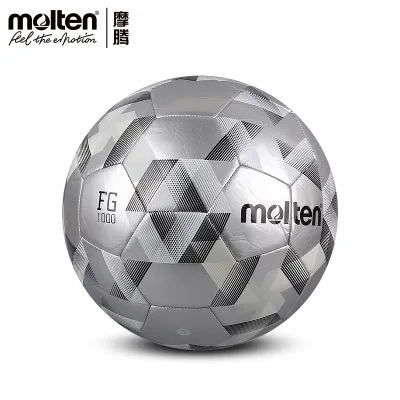
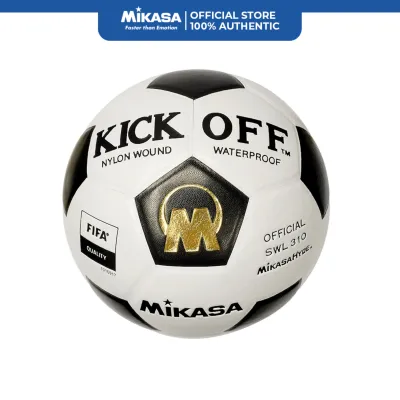
Prices are valid at publication and may change. Please refer to the product page for the latest price.
Beneath the outer cover lies the bladder, which holds the air and determines the ball’s shape retention and responsiveness. Most adult soccer balls use either butyl or latex bladders, each offering distinct performance trade-offs:
- Butyl Bladders: These are highly valued for their excellent air retention. Because butyl is a dense synthetic rubber, it can hold air for weeks or even months without needing a top-up. This makes butyl bladders ideal for recreational players, training sessions, and those who prefer a low-maintenance ball. However, they tend to feel slightly stiffer and heavier upon impact.
- Latex Bladders: Preferred by competitive players and used in high-end match balls, latex bladders offer a much softer touch, a livelier bounce, and a highly responsive feel. The trade-off is that latex is a porous natural material that slowly leaks air. A latex-bladder ball will lose pressure daily and must be inflated before every single use.
The outer cover, or casing, is the layer you interact with directly, and it heavily influences the ball’s durability and feel. Modern adult soccer balls primarily use Polyurethane (PU) or Polyvinyl Chloride (PVC) for this layer:
- Polyurethane (PU): This material is the industry standard for high-quality match and training balls. PU offers a soft, flexible touch that mimics natural leather while resisting water absorption. It provides excellent grip and scuff resistance, making it highly responsive during quick passes and shots. PU casings perform exceptionally well in wet conditions, maintaining their texture and weight.
- Polyvinyl Chloride (PVC): PVC is a harder, highly durable plastic material commonly used in budget-friendly or recreational balls. While PVC is incredibly scratch-resistant and can withstand rough surfaces like gravel or dry dirt, it feels stiff and lacks the responsive touch of PU. In cooler weather or high-speed play, PVC balls can feel unforgiving on the feet and head.
Match, Training, or Recreational: Choosing the Right Ball for Your Game
Soccer balls are generally categorized into three tiers based on their intended use, construction quality, and price point. Aligning your purchase with your actual playing habits ensures you do not overspend on features you do not need, nor do you prematurely destroy a delicate ball on a rough surface.

Match Balls
Match balls are engineered for competitive league play and official tournaments. They are constructed using premium PU casings, advanced lining layers for shape retention, and high-performance latex or carbon-latex bladders. These balls must meet strict international standards for weight, sphericity, water absorption, and rebound consistency.
Because they prioritize performance, match balls offer an incredibly true flight trajectory and a soft, predictable touch. However, they are the most expensive option, often retailing from ₱3,000 to over ₱8,000. They are also more delicate and should be reserved for actual matches on high-quality natural grass or premium artificial turf pitches. Using a match ball on rough, abrasive surfaces will quickly ruin its outer casing and compromise its performance.
Training Balls
Training balls are the workhorses of the football world, designed to withstand daily practice, repetitive drills, and frequent use across various playing conditions. They typically feature durable PU or thick Thermoplastic Polyurethane (TPU) covers, reinforced inner linings, and butyl bladders for reliable air retention.
These balls strike an excellent balance between performance and durability. They offer a respectable touch and flight path while being tough enough to handle repeated impacts against fences, hard ground, and wet turf. Training balls are highly cost-effective, generally ranging from ₱1,000 to ₱2,500, making them the most practical choice for the majority of adult players in the Philippines who play regularly in weekend leagues or casual groups.
Recreational Balls
Recreational balls are designed for casual kickabouts, beach outings, backyard play, or beginners. They are usually machine-stitched using PVC or basic TPU materials and feature simple butyl bladders.
While they lack the refined touch, balanced flight, and water resistance of match or training balls, they are highly affordable, often costing under ₱1,000. If you only play occasionally or need a ball that you do not mind getting scuffed on concrete or sandy beaches, a recreational ball is a sensible, low-risk choice. However, they are not recommended for structured team training or competitive matches due to their stiff feel and unpredictable bounce.
Durability and Performance: What to Check Before You Buy
To ensure you are getting a high-quality ball that can withstand the rigors of adult play, you should evaluate several key construction details. This is especially important when shopping online, where you must rely on product specifications and detailed images.
First, inspect the panel construction method. How the panels are joined together directly affects the ball’s water resistance, shape retention, and aerodynamic stability:
- Thermally Bonded: In this modern construction method, the panels are glued together using heat and pressure inside a mold. This creates a seamless surface that prevents water from entering the seams. Thermally bonded balls maintain their original weight and flight characteristics even during heavy tropical downpours, and they offer a perfectly spherical shape. This is the preferred construction for high-end match balls.
- Hand-Stitched: A traditional method favored for its durability and flexibility. Skilled craftspeople use thick, pre-waxed polyester threads to sew the panels together. The seams are deep, which protects the thread from wear and friction. Hand-stitched balls offer a great touch and excellent durability, though they can absorb a small amount of moisture if the outer coating wears off.
- Machine-Stitched: Commonly found on training and recreational balls. The stitching is done by machine, resulting in shallower seams and thinner threads. While cost-effective, machine-stitched balls are more prone to seam splitting over time, especially when subjected to hard adult shots or abrasive surfaces. They also absorb water more easily than hand-stitched or thermally bonded options.
Second, look for official quality marks on the product page or the ball itself. Certifications from international governing bodies indicate that the ball model has undergone rigorous laboratory testing. These tests verify that the ball maintains its shape, weight, and pressure under extreme conditions, ensuring you are purchasing a reliable product.
Finally, consider your primary playing surface. If you play mostly on artificial turf, which is highly abrasive and generates significant friction heat, look for balls specifically labeled for turf use. These often feature reinforced PU covers designed to resist friction wear. If you play on natural grass, standard match or training balls are ideal. For indoor courts or futsal, you will need a specialized low-rebound ball rather than a standard outdoor Size 5 ball.
Where to Buy and How to Avoid Counterfeits in the Philippines
Finding authentic soccer gear requires choosing reliable purchasing channels and knowing how to spot counterfeit products, which are highly prevalent in the local market.
For the safest purchasing experience, buy from official brand stores, specialized sports retailers, or authorized distributors. Physical stores located in major shopping malls allow you to handle the ball in person, inspect the stitching, feel the texture of the casing, and check for any obvious manufacturing defects before paying.
If you prefer the convenience of online marketplaces, stick to official flagship stores, which are typically marked with verified brand badges. Avoid buying from unverified third-party sellers offering premium match balls at suspiciously low prices.
To protect yourself from counterfeit products, keep the following verification steps in mind:
- Analyze the Price: If a premium match ball that normally retails for ₱5,000 to ₱7,000 is being sold for ₱500 to ₱800, it is almost certainly a counterfeit. Genuine high-performance gear is rarely discounted by such extreme margins.
- Inspect the Physical Details: Counterfeit balls often exhibit poor craftsmanship. Look closely at the valve alignment; on genuine balls, the valve is perfectly centered and flush with the casing. Check the printing quality for smudged logos, misaligned graphics, or misspelled words. Examine the seams for visible glue residue, loose threads, or uneven panel shapes.
- Read Customer Reviews: When shopping online, scroll through the customer review section and look for reviews that include actual photos and videos of the inflated ball. Pay close attention to feedback regarding rapid air loss, warping after the first game, or the outer layer peeling off quickly. A high volume of complaints about these issues is a strong indicator of a counterfeit or low-quality product.
Maintenance and Care: Keeping Your Ball in Top Condition
Proper maintenance is essential for preserving your soccer ball’s shape, pressure, and performance over time. By establishing a simple care routine, you can significantly extend the lifespan of your ball, especially in a hot and humid climate.
Always use correct inflation techniques. Before inserting an inflation needle into the ball’s valve, moisten the needle with a drop of glycerin, valve oil, or even water. Inserting a dry needle can damage or displace the rubber valve core, leading to slow, permanent air leaks.
Use a reliable pressure gauge to inflate the ball to the manufacturer’s recommended pressure, which is typically printed around the valve opening (usually between 8.5 and 15.6 PSI). Over-inflating the ball stretches the seams, distorts the bladder, and makes the ball feel rock-hard, which can cause injury during play. Under-inflating results in a sluggish bounce and poor flight trajectory.
After playing on muddy grass or dirty artificial turf, clean your ball promptly. Wipe the surface down with a soft cloth, warm water, and a mild soap. Avoid using harsh chemical detergents, solvents, or abrasive scrubbing brushes, as these can strip the protective PU coating and degrade the graphics. Never submerge the ball in water or use a high-pressure hose, as water can seep through the stitching and damage the inner lining layers.
Finally, store your ball in a cool, dry, and well-ventilated space. Avoid leaving your soccer ball inside a hot car trunk, under direct sunlight on a balcony, or in a damp outdoor storage bin. The intense tropical heat can melt the adhesives used in thermally bonded balls, warp the internal bladder, and dry out the outer casing, leading to premature cracking and shape distortion.
Frequently Asked Questions (FAQ)
Is a futsal ball the same as a regular outdoor soccer ball?
No, a futsal ball is specifically designed for indoor court play and differs significantly from a standard outdoor soccer ball. A futsal ball is smaller (typically Size 4, with a circumference of 62 to 64 centimeters) but weighs roughly the same as a Size 5 outdoor ball. More importantly, a futsal ball features a low-rebound bladder filled with foam or polyester fiber. This design reduces the bounce of the ball on hard court surfaces, allowing players to maintain close control and execute quick, short passes on the ground. Using a standard outdoor ball on a futsal court will result in excessive bouncing, making the game difficult to control.
How often should I inflate my soccer ball?
The frequency of inflation depends entirely on the bladder material of your ball. If your ball has a latex bladder, which is common in high-end match balls, it will lose air daily due to the natural porosity of latex. You will need to inflate and check the pressure of a latex-bladder ball before every single training session or match. If your ball has a butyl bladder, which is standard in most training and recreational balls, it retains air much better and may only require a minor top-up every few weeks. Regardless of the bladder type, always use a pressure gauge to verify the PSI before playing.
Can I use an outdoor soccer ball on concrete or rough streets?
While you can physically play with an outdoor soccer ball on concrete, doing so will rapidly destroy the ball. Standard outdoor soccer balls are designed for soft surfaces like natural grass or artificial turf. The highly abrasive nature of concrete, asphalt, and rough gravel will quickly scuff, tear, and peel the soft PU or PVC outer casing. Additionally, hard impacts against concrete walls or metal fences can easily split the seams of machine-stitched or thermally bonded balls. If you frequently play on streets or concrete courts, look for specialized street soccer balls made with heavy-duty canvas, vulcanized rubber, or reinforced materials specifically engineered to withstand rough surfaces.
Community discussion
Share your experience or ask a question. Comments are reviewed before publication.