
Finding a genuine sports racket requires careful verification, especially when shopping online. To secure an authentic Boomstick racket in the Philippines, you should always start by visiting the brand’s official website to locate their authorized dealer list or navigate directly to their verified flagship storefronts on major e-commerce platforms. Purchasing from unverified third-party sellers exposes you to counterfeit products that lack structural integrity and fail under standard playing conditions.
Quick Guide to Locating the Official Boomstick Store
The official Boomstick store serves as your primary safeguard against counterfeit gear. By purchasing directly from the brand’s official online flagship store or an authorized physical distributor, you ensure that the racket you receive meets strict manufacturing standards. Unauthorized sellers often list items that look identical in photos but perform poorly on the court, posing a risk of sudden breakage during intense rallies.
Navigating the digital marketplace requires a methodical approach to avoid these imitation products. Before clicking the buy button, take a moment to verify the seller’s credentials against the brand’s official directory. This simple step protects your investment and ensures your equipment supports your performance and safety on the court.
Products mentioned in this guide
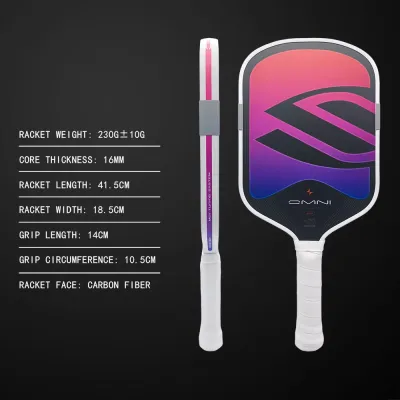
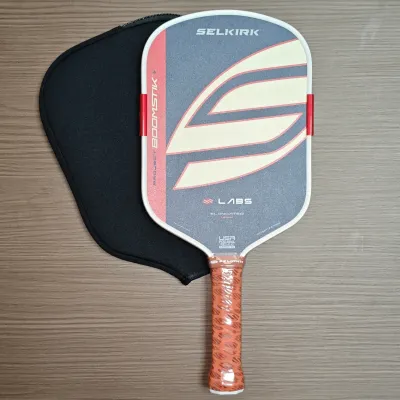
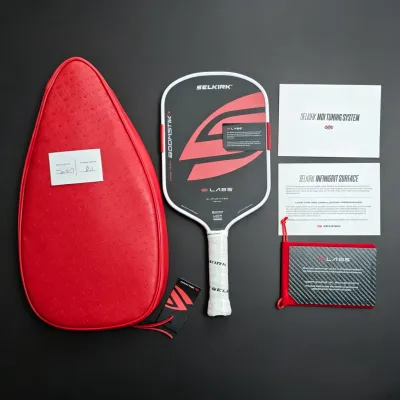
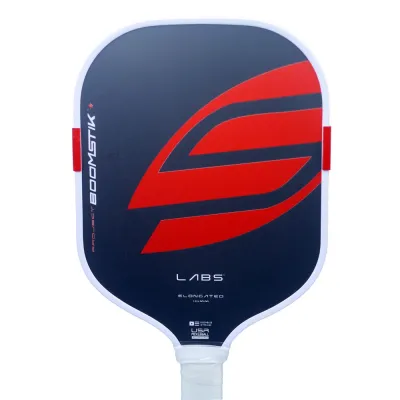
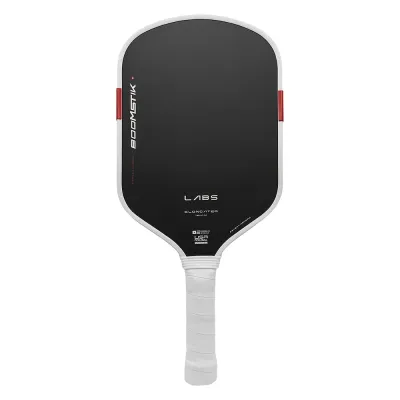
Prices are valid at publication and may change. Please refer to the product page for the latest price.
How to Verify Authorized Boomstick Retailers
Verifying authorized Boomstick retailers is a straightforward process if you know where to look. The most reliable method is to consult the official brand website, which typically hosts a dedicated store locator or a list of authorized distributors. In the Philippines, official distributors often supply local pro shops located within major tennis clubs, sports complexes, and reputable department stores.

When shopping on online marketplaces, look for official storefront badges that indicate a verified brand presence. However, do not rely solely on these badges, as unauthorized sellers sometimes use deceptive graphics or misleading store names to mimic official outlets. Always cross-reference the seller’s exact business name with the authorized dealer list provided on the official brand website.
If you are uncertain about a specific retailer’s status, contact customer support directly before making a purchase. Provide the support team with the seller’s name, online store link, or physical address. A legitimate brand will quickly confirm whether the seller is part of their authorized distribution network, saving you from potential disappointment.
Additionally, pay attention to the physical location of the store. Authorized physical retailers in tropical regions like the Philippines store their inventory in climate-controlled environments to protect the rackets from extreme heat and humidity. If a physical shop stores high-end rackets in hot, damp, or poorly ventilated spaces, it may indicate a lack of professional standards or unauthorized sourcing.
Red Flags to Watch for When Buying Rackets Online
Recognizing red flags before completing an online purchase can save you time, money, and frustration. One of the most prominent warning signs is an unrealistic price anomaly. If a listing offers a racket at a price significantly lower than the standard retail price in ₱ without any official, brand-sponsored promotion, the item is highly likely to be a counterfeit. Genuine high-performance rackets require precise manufacturing processes that make extreme discounts financially unfeasible for legitimate sellers.
Vague product descriptions and a reliance on generic stock photos are also major warning signs. Authentic listings from the official store provide detailed technical specifications, including weight, balance point, grip size, and recommended string tension. If a seller uses low-resolution images, lacks specific product details, or avoids showing close-up shots of the racket’s frame and decals, you should proceed with extreme caution.
Analyzing seller history and customer reviews provides valuable insights into a store’s credibility. Look closely at the feedback section for complaints regarding poor build quality, misaligned logos, or a lack of warranty support. Be skeptical of stores that have a high volume of generic, repetitive positive reviews, as these can sometimes be artificially generated to mask complaints about counterfeit goods.
Furthermore, watch out for sellers who refuse to answer specific questions about the product’s origin or warranty coverage. Legitimate retailers are transparent about their inventory and will readily provide information about import channels and official warranty registration. If a seller gives evasive answers or pressures you to complete the transaction outside the platform’s secure payment system, cancel the purchase immediately.
How to Inspect Your Delivered Racket for Authenticity
Once your package arrives, conducting a systematic physical inspection is crucial to confirming its authenticity. Start by examining the packaging materials. Genuine rackets from the official store are shipped in high-quality, sturdy boxes featuring crisp, clear printing and secure brand seals. Low-quality cardboard, blurry logos, or signs of tampering on the packaging tape often indicate a counterfeit product or poor handling.
Next, perform a detailed physical inspection of the racket itself. Check the overall weight and balance against the official specifications listed on the brand’s website. Counterfeit rackets often use cheaper, heavier composite materials instead of high-grade carbon fiber, resulting in a noticeable weight discrepancy or an uneven balance point that can strain your wrist during play.
Examine the paint finish, decals, and logo alignment with care. Authentic rackets feature a flawless, durable paint job with precise graphics that do not peel or scratch easily. On counterfeit models, you may notice uneven paint lines, misaligned decals, or spelling errors in the brand name and technical specifications printed on the shaft.
Inspect the grip and the butt cap at the base of the handle. The grip on a genuine racket is wrapped tightly and evenly, utilizing high-quality materials that provide a secure hold even in humid tropical conditions. The butt cap should feature a clean, embossed brand logo that fits flush with the handle, rather than a cheap, glued-on sticker that feels loose or misaligned.
Finally, check the documentation and warranty materials included in the box. Authentic rackets come with official warranty cards and unique serial numbers printed on the frame or shaft. You can verify these serial numbers by entering them into the registration portal on the official brand website. If the serial number is missing, scratched off, or fails to register, the product is likely unauthorized or counterfeit.
What to Do If You Receive a Suspected Counterfeit
If you suspect that you have received a counterfeit racket, taking immediate action is essential to protect your consumer rights. Begin by documenting the entire unboxing process. Take clear, high-resolution photos and videos of the packaging, the shipping label, the racket’s serial number, and any visible defects or discrepancies you identified during your inspection.
Next, initiate a formal return or refund request through the e-commerce platform’s secure buyer protection program. Select “suspected counterfeit” or “item not as described” as the reason for your return, and upload the photographic evidence you gathered. Avoid contacting the seller directly outside the platform, as they may attempt to delay the process until the platform’s return window closes.
Report the unauthorized seller to the e-commerce platform’s customer support team to prevent them from misleading other buyers. Additionally, notify the official brand’s customer service department by sharing the seller’s store name, product link, and photos of the fake item. This information helps the brand take legal action against counterfeiters and protect the local sporting community.
Frequently Asked Questions (FAQ)
Can I trust third-party sellers with high ratings?
High seller ratings alone do not guarantee that a racket is authentic. Some unauthorized sellers manipulate their ratings by selling cheap, unrelated items to build a positive reputation before listing counterfeit sports equipment. Always read the most recent, detailed reviews specifically focusing on racket purchases, and look for customer photos that verify the packaging and build quality.
Does a genuine Boomstick racket always come with a warranty?
Yes, genuine rackets purchased through the official store or authorized dealers come with a manufacturer’s warranty against structural defects. This warranty is crucial for players, as it covers manufacturing flaws that could cause the frame to crack under standard string tension. Unauthorized sellers cannot offer this official warranty, leaving you unprotected if the racket fails during play.
Community discussion
Share your experience or ask a question. Comments are reviewed before publication.