
Finding yourself with a broken or severely bent tent pole in the middle of a camping trip can quickly disrupt your outdoor adventure. To find the right aluminum alloy tent pole to replace a damaged one, you must match the exact outer diameter, total assembled length, and connection style of your original pole. While a temporary field repair can save a weekend trip, a permanent replacement requires careful measurement and sourcing to ensure your tent retains its structural integrity, wind resistance, and proper fabric tension.
Whether you are dealing with a sudden failure caused by unexpected tropical storm winds or gradual fatigue from years of use, understanding how to navigate the replacement process is essential. By taking precise measurements and understanding the specifications of your gear, you can restore your shelter to its original strength without the expense of buying an entirely new tent.
Assess the Damage: Repair vs. Replace
Before sourcing a replacement, closely inspect the damaged pole to determine the extent of the issue. Look for clean breaks, hairline cracks near the joints, severe bends that prevent the pole from collapsing, or a loss of elasticity in the internal shock cord. A clean break or a split near a connection point usually requires replacing that specific segment, whereas a minor bend might still allow the tent to stand safely for a short period.
Products mentioned in this guide
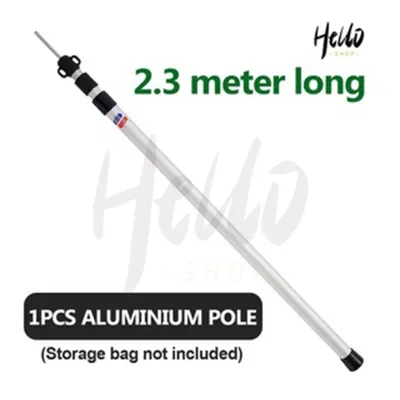
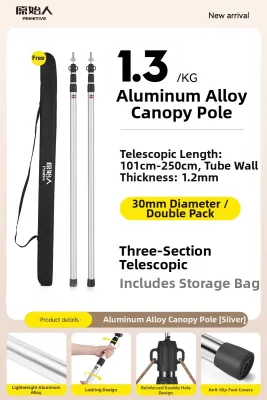
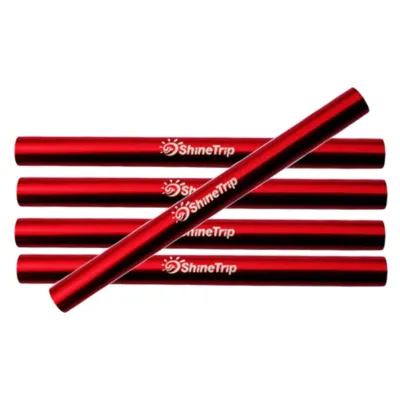
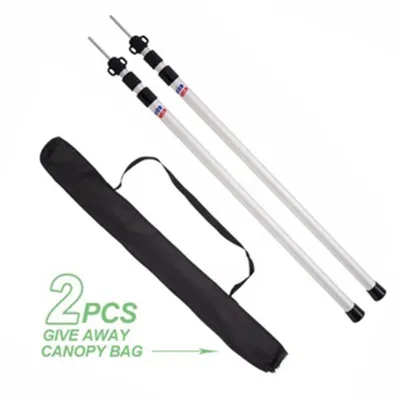
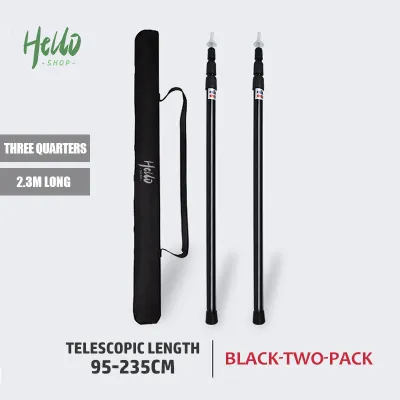
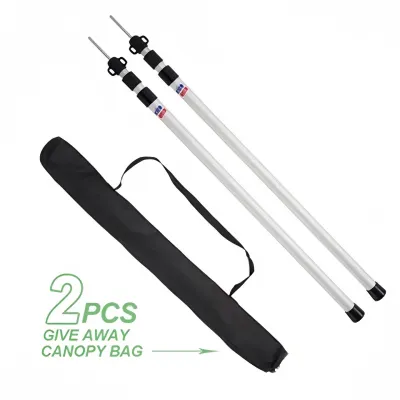
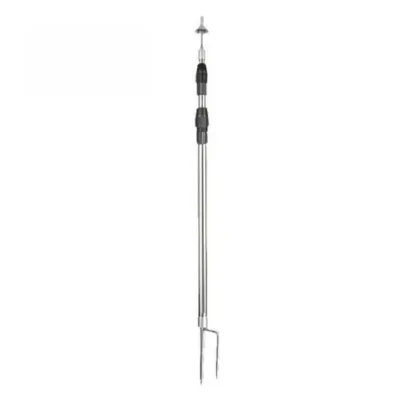
Prices are valid at publication and may change. Please refer to the product page for the latest price.
If you are currently in the field, a temporary repair can keep your shelter functional until you return home. Most quality tents include a lightweight metal repair sleeve, also known as a splint. To use it, gently straighten the bent section as much as possible, slide the sleeve over the break, and secure both ends firmly with duct tape. This temporary fix redistributes the tension across the splint, preventing the sharp edges of a broken pole from tearing your tent fabric.
For permanent safety and performance, a temporary splint must be replaced with a proper repair once you are back from your trip. You do not always need to purchase an entirely new pole assembly. If only one segment is shattered or split, you can often purchase a single matching segment and swap it into your existing pole run. However, if multiple segments show signs of stress corrosion, deep corrosion from humid coastal air, or widespread bending, replacing the entire pole assembly is the safest course of action.
How to Measure and Identify Your Original Pole Specifications
To find a compatible replacement, you must gather precise measurements of your original pole. Start by measuring the total assembled length of the pole run from end to end. When doing this, assemble the pole completely but do not include the small metal tips or inserts that slide directly into the tent’s corner grommets, as these tips are measured separately.

Next, pull the pole segments apart to measure the length of an individual folded segment. Keep in mind that the end segments of a tent pole run are sometimes a different length than the middle segments. You will need to measure both a standard middle segment and any unique end pieces to ensure your replacement parts match the folding pattern of your tent bag.
Determining the exact outer diameter of your pole is the most critical step in this process. Because tent pole diameters are measured in millimeters and even a fraction of a millimeter can prevent a pole from fitting through your tent’s sleeves or connectors, using a digital caliper is highly recommended. If you do not own a caliper, you can consult your tent manufacturer’s original specification sheet or product manual to verify the exact sizing.
While measuring, count the total number of segments in the pole run and note the thickness of the internal shock cord, which typically ranges from two to three millimeters. Additionally, inspect the pole for any specialized features. Look for proprietary connectors, specific ferrule styles (the insert tubes that join the segments), or pre-bent angles designed to give the tent its specific aerodynamic shape. Matching these details is crucial for maintaining the original geometry of your shelter.
Sourcing a Compatible Aluminum Alloy Tent Pole
Once you have your exact measurements, you can begin looking for a replacement. The most straightforward route is to contact the original equipment manufacturer (OEM) for a direct replacement part. OEM parts guarantee a perfect fit and preserve the original performance of your tent, making them the ideal choice if your tent model is still actively supported by the brand.
If OEM parts are unavailable or discontinued, universal aftermarket poles and replacement kits offer an excellent alternative. These kits typically come with several standard aluminum segments, extra shock cord, a wire threading tool, and replacement ferrules. You can cut these universal segments down to your required length using a simple pipe cutter or a hacksaw, allowing you to custom-build a pole that matches your original specifications.
When selecting a replacement pole, pay close attention to the alloy grade and wall thickness specified by your manufacturer. Most high-quality backpacking tents utilize 7001-T6 aluminum alloy, which offers an excellent strength-to-weight ratio and high flexibility. Larger family camping tents may use 6061 aluminum alloy, which is slightly heavier but highly durable and cost-effective. Matching the alloy grade ensures the replacement pole bends at the same rate as the remaining original poles.
Before finalizing your purchase from an online outdoor retailer or specialty shop, always verify their return and exchange policies. Because minor measurement errors can easily occur, choosing a seller that allows returns or exchanges ensures you will not be stuck with incompatible gear. If you are unsure about the fit, reaching out to the retailer’s customer support with your exact caliper measurements can help confirm compatibility before shipping.
Installing the Replacement Pole and Checking Tension
Replacing a damaged segment requires deconstructing the pole run and rethreading the internal shock cord. Begin by untying or cutting the knot at one end of the pole run, usually hidden inside the end tip. Carefully slide the segments off the shock cord one by one, keeping them in their exact original order so you do not lose track of the layout.
Thread the shock cord through the new replacement segment, taking care to avoid snagging or fraying the elastic fibers on the sharp metal edges. Using a thin wire guide, a straightened paperclip, or a specialized threading tool can make this process significantly easier. Once all segments are threaded, pull the shock cord to restore the original tension, tie a secure knot at the end tip, and push the tip back into the end segment.
After assembling the fully restored pole, perform a test pitch of your tent in a controlled environment, such as your backyard, before taking it back into the wild. Carefully insert the pole tips into the tent’s corner grommets or clips, and slide the pole through the fabric sleeves. Ensure the pole curves smoothly and that the tent fabric is evenly distributed across the entire structure.
As you tension the tent, observe how the new pole behaves in relation to the rest of the frame. Stop and reassess the setup immediately if the replacement pole bows excessively, feels unusually rigid, or distorts the natural shape of the tent. An improperly sized pole can place uneven stress on the tent fabric, potentially leading to torn seams, broken zippers, or a sudden structural failure during a storm.
Best Practices to Prevent Future Tent Pole Damage
Taking proactive care of your aluminum alloy tent poles can significantly extend their lifespan and prevent unexpected failures on future camping trips. The most common cause of pole breakage is failing to fully seat the segments during setup. Always double-check that each insert is completely slid into the adjoining segment before bending the pole; a partially inserted ferrule places immense leverage on the thin aluminum wall, causing it to split under tension.
When pitching your tent, avoid forcing the pole tips into the grommets if the tension feels excessively high. If you must struggle to secure the pole, check to see if the tent fabric is caught, if the pole is routed incorrectly, or if the ground is unevenly pulling the tent corners apart. Forcing the components together can easily bend the aluminum beyond its elastic limit or tear the webbing loops.
Environmental factors can also degrade your poles over time, especially in warm, humid tropical climates. After camping near coastal areas where salt air is present, always rinse your aluminum poles with fresh water to remove corrosive residues. Wipe them down thoroughly with a clean cloth and allow them to dry completely before packing them away, as storing wet poles can lead to oxidation and weaken the shock cord.
Finally, store your tent and poles in a cool, dry place away from direct sunlight and extreme temperature fluctuations. Avoid leaving your gear in a hot car trunk or a damp garage, as prolonged heat and moisture can degrade both the aluminum alloy and the elastic properties of the shock cord. Proper storage ensures your equipment remains reliable and ready for your next outdoor journey.
Frequently Asked Questions (FAQ)
Can I use fiberglass poles to replace aluminum alloy ones?
It is generally not recommended to replace aluminum alloy poles with fiberglass ones. Fiberglass is significantly heavier, less flexible, and more prone to splintering or shattering under high tension or strong winds. Additionally, fiberglass poles have different bending characteristics that can alter your tent’s engineered geometry, place uneven stress on the fabric, and potentially void the manufacturer’s warranty. Aluminum alloy remains the superior choice for structural reliability and weight savings.
What should I do if I cannot find the exact diameter match?
If you cannot find an exact match for your pole’s outer diameter, do not attempt to use a significantly larger or smaller pole. A larger pole will not fit into the existing ferrules, fabric sleeves, or corner grommets of your tent. Conversely, a smaller diameter pole will lack the necessary structural strength, flexing excessively under tension and risking a sudden snap. If an exact match is unavailable, contact a specialized outdoor repair service or the tent manufacturer to explore custom-fabricated options rather than compromising on safety.
Community discussion
Share your experience or ask a question. Comments are reviewed before publication.