
Selecting the correct junior tennis racket size is the most important equipment decision you will make for your young athlete. Unlike adult rackets, which are categorized primarily by grip size and head technology, junior rackets are classified by their overall length in inches. Matching this length to your child’s height ensures they can swing comfortably, develop proper stroke mechanics, and avoid physical strain on the court. While age serves as a helpful secondary guideline, height remains the primary metric for finding a racket that feels like a natural extension of your child’s arm.
Why Racket Length Matters for Junior Players
A tennis racket acts as a lever, extending the reach of a player’s arm to generate power and control. For developing muscles and joints, the length of this lever determines how much effort is required to swing the racket through the air. When a junior player uses a racket of the correct length, they can easily maneuver the frame, control the angle of the racket face, and establish a clean, consistent swing path. This balance of leverage and maneuverability is essential for building early confidence and enjoying the sport.
Conversely, giving a child a racket that is too long or heavy introduces significant physical risks. To compensate for the excess length and weight, young players often drop their wrists or alter their natural swing paths, which can lead to poor technique that is difficult to correct later. Physically, an oversized racket places immense strain on the wrist, elbow, and shoulder joints. In warm, humid climates where players fatigue more rapidly, this extra strain can quickly lead to discomfort or overuse injuries, turning what should be a fun activity into a frustrating experience.
Products mentioned in this guide
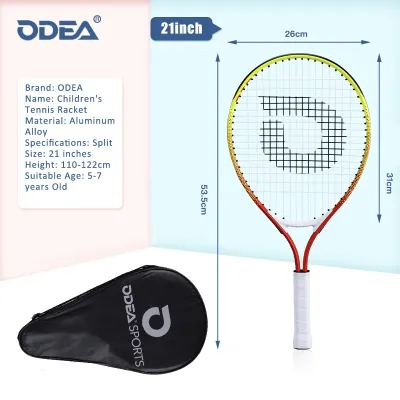
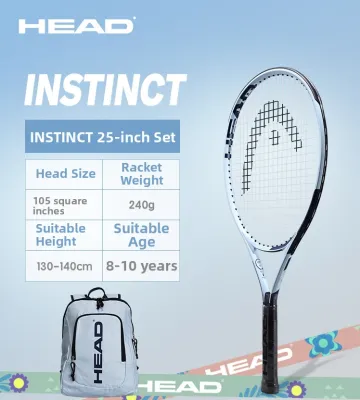
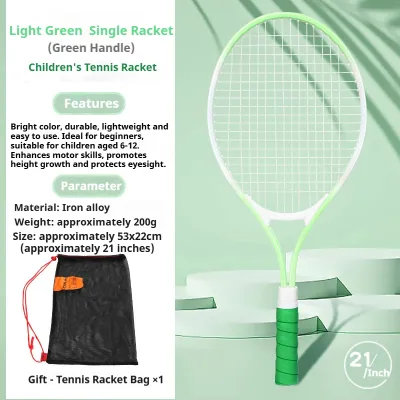
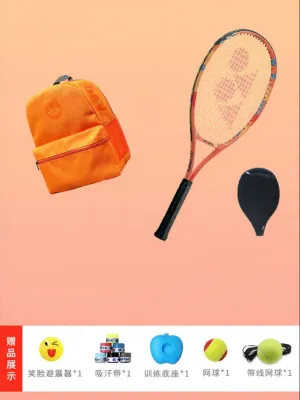

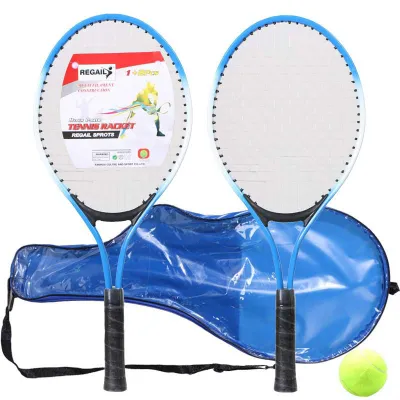
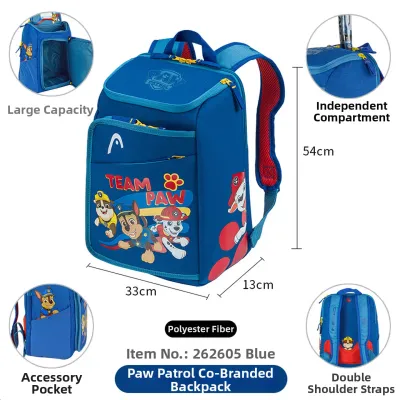
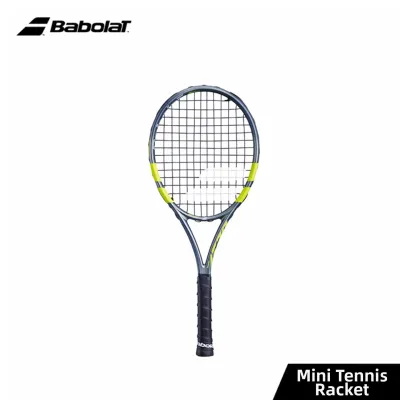
Prices are valid at publication and may change. Please refer to the product page for the latest price.
Standard Junior Tennis Racket Lengths Explained
Junior tennis rackets are manufactured in standard length increments, typically starting at 19 inches and progressing up to 26 inches. These sizes are specifically engineered to bridge the gap between a toddler’s first coordination games and the transition to a standard adult racket, which measures 27 inches. Each two-inch or one-inch increment in racket length represents a significant shift in how the racket behaves during play.

As the length of a junior racket increases, so does its reach, overall weight, and the size of its sweet spot. A longer frame allows a player to cover more of the court and generate more natural power due to the increased leverage. However, this extra length also requires greater physical strength and coordination to control. Understanding this progression helps you navigate product labels at your local sports store or online marketplace, ensuring you select a frame designed for your child’s current physical development rather than their future growth.
How to Match Racket Size to Your Child's Height and Age
To find the right racket size, begin by measuring your child’s height accurately. Have them stand flat-footed against a wall without shoes, and mark their height. This measurement is your primary decision tool. Most manufacturers provide specific sizing charts that pair height ranges with recommended racket lengths. For example, a child under 90 centimeters typically matches a 19-inch racket, while a child standing between 130 and 140 centimeters is usually best suited for a 25-inch or 26-inch frame. Always consult the specific manufacturer’s chart for the model you are considering, as recommendations can vary slightly between brands.
When your child’s height falls directly between two racket sizes, you can use general age brackets as a secondary baseline to help make the decision. Generally, 19-inch rackets fit children aged 2 to 4, 21-inch rackets fit ages 5 to 6, 23-inch rackets fit ages 7 to 8, and 25- to 26-inch rackets are designed for ages 9 to 12. However, physical strength and athletic experience should also influence your final choice. A highly active child with developed hand-eye coordination might comfortably handle the larger of the two sizes, whereas a beginner or a child with a slighter build will benefit from the control and ease of the smaller, lighter option.
Checking Grip Size and Racket Weight
While frame length is the primary measurement, the overall fit of a racket also depends on grip size and static weight. A grip that is too large or too small forces the hand to squeeze tighter to keep the racket from twisting upon impact. To check the grip size, have your child hold the racket in a normal forehand grip. There should be enough space between their fingertips and the palm of their hand to fit the index finger of their other hand. If the space is too narrow, the grip is too small; if there is extra room, the grip is too large.
Racket weight is equally critical to evaluate during a practice session. Have your child hold the racket with an extended arm parallel to the ground for about thirty seconds, or observe them taking a few slow, controlled practice swings. If their wrist sags, their arm shakes, or they must use two hands to lift a racket designed for single-handed use, the frame is too heavy. Keep in mind that high humidity can make grips slippery, often requiring the addition of an overgrip. Because an overgrip adds a small amount of thickness, starting with a slightly smaller grip size can be a smart tactical choice.
Signs It Is Time to Upgrade to a Larger Racket
As children grow, their equipment must evolve alongside their physical development and skill level. One of the most common signs that a child has outgrown their current racket is a sudden drop in clean contact. If they are consistently hitting the ball off the frame or struggling to hit the ball past the service line despite using proper technique, they may need the larger sweet spot and extra leverage of a longer racket.
Physical indicators are also clear signals for an upgrade. If your child’s height has exceeded the manufacturer’s recommended range for their current racket, or if they complain of arm fatigue and wrist soreness after a standard practice session, the racket is likely too small and light to absorb the impact of the ball effectively. Transitioning to a larger junior racket, or eventually to a lightweight 27-inch adult racket, should be a gradual process based on physical comfort, swing speed, and coach feedback to ensure they continue to play safely and confidently.
Frequently Asked Questions (FAQ)
Can my child use an adult tennis racket if they are tall for their age?
Even if a tall child can physically reach the ball with a 27-inch adult racket, transitioning too early is generally not recommended. Adult rackets are significantly heavier and have a different balance point than junior frames, which can place excessive torque on developing wrists and elbows. A tall junior player should only transition to a standard adult racket if they possess the muscular strength, stroke technique, and coordination to swing the heavier frame without altering their form or experiencing physical discomfort.
How do I measure a tennis racket's length correctly?
To measure a tennis racket’s length, lay the racket flat on a table and use a standard measuring tape. Measure in a straight line from the very bottom of the butt cap at the base of the handle all the way to the outer edge of the top of the hoop. You can also verify this measurement by checking the manufacturer’s specifications, which are usually printed directly on the inner throat of the racket frame or on the original product tag.
Should I buy a slightly larger racket so my child can grow into it?
It is highly recommended to buy a racket that fits your child’s current height rather than one they have to grow into. Playing with an oversized racket compromises technique, reduces control, and increases the risk of arm injuries. To manage equipment costs as your child grows, consider purchasing budget-friendly aluminum junior rackets, which often cost between ₱1,200 and ₱2,500, and save the investment for premium graphite models once their growth stabilizes and they transition to adult sizes.
Community discussion
Share your experience or ask a question. Comments are reviewed before publication.