
Finding the right size and fit for ballet leotards for women requires balancing precise physical measurements with the unique stretch characteristics of different dance fabrics. A well-fitting leotard is not just an aesthetic requirement; it is a functional tool that supports your body through extreme ranges of motion. To find your ideal size, you must measure your bust, waist, hips, and vertical torso girth, then compare these figures against the manufacturer’s specific size chart rather than relying on your standard everyday clothing size.
Why Proper Fit Matters in Ballet Training
Ballet is an art form built on precision, alignment, and continuous physical feedback. In the studio, your clothing must perform under intense physical demands. If a leotard is too tight, it can restrict your ribcage, making deep diaphragmatic breathing difficult during high-intensity combinations. Tight straps can dig into your shoulders, compressing the muscles and causing tension that travels down your neck and arms, which can negatively affect your posture and arm movements. Furthermore, restrictive leg openings can pinch the groin and thighs, leading to painful chafing—an issue that is heavily exacerbated by the hot and humid climate of the Philippines, where sweat increases friction against the skin.
Conversely, a leotard that is too loose introduces its own set of challenges. Excess fabric will bunch around your waist, slide off your shoulders, or sag at the underarms. This loose material can catch on your fingers or your partner’s hands during partnering work, posing a safety hazard. More importantly, loose clothing obscures your body lines. Ballet instructors rely on seeing the exact alignment of your spine, the tilt of your pelvis, and the engagement of your core muscles to provide accurate corrections. A baggy garment masks these subtle physical cues, hindering your technical progress.
Products mentioned in this guide
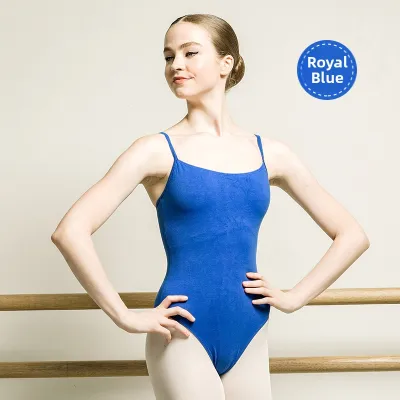
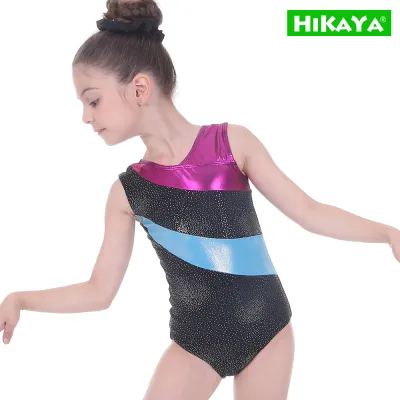

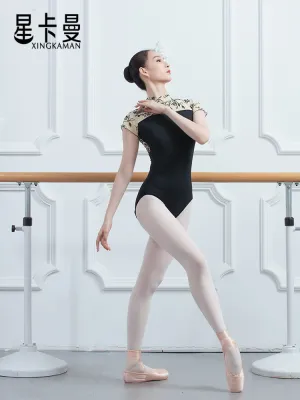
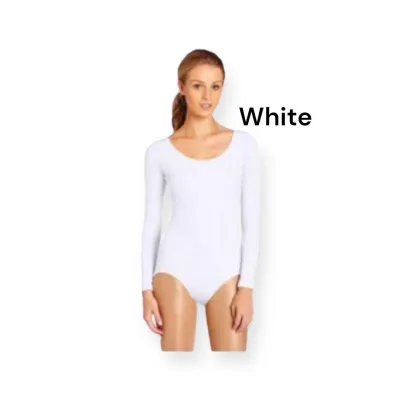
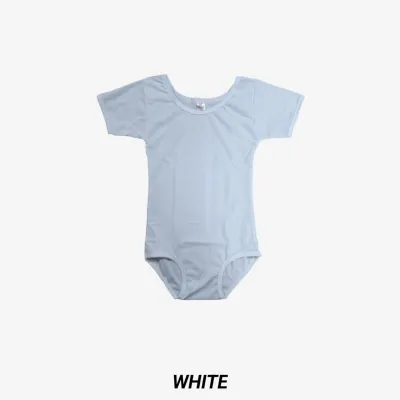
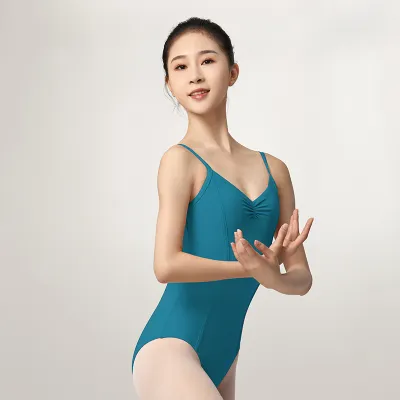
Prices are valid at publication and may change. Please refer to the product page for the latest price.
The ideal baseline feel of a leotard is a snug, supportive hug that contours to every curve of your body. It should feel secure enough that you do not have to pull or adjust it during class, yet flexible enough to allow for maximum extension in every direction without compressing your joints or restricting your blood circulation.
Tools You Need for Accurate Measurements
Achieving the perfect fit starts with precise data. Before you begin measuring, gather the correct tools to ensure your numbers are reliable.

First, you will need a flexible fiberglass or cloth measuring tape. Do not use a metal construction tape, as it cannot bend around the natural curves of your body and will result in inaccurate, inflated measurements.
Second, wear appropriate undergarments. For the most accurate results, measure yourself while wearing a thin, unpadded sports bra and lightweight compression shorts, or standard dance tights and a nude undergarment. Avoid measuring over bulky clothing like sweatpants or loose t-shirts, as these will add unnecessary inches to your true measurements.
Finally, position yourself in front of a full-length mirror. A mirror allows you to verify that the tape measure remains level and parallel to the floor around your back. If possible, enlist the help of a partner or classmate. Having someone else read the tape while you stand naturally prevents you from bending over or twisting, which can temporarily alter your waist and torso measurements.
Step-by-Step Guide to Measuring Your Body
To obtain accurate measurements, stand naturally with your feet flat on the floor, spaced about hip-width apart. Distribute your weight evenly between both feet. Maintain your normal posture—do not puff out your chest, pull back your shoulders excessively, or suck in your stomach. While it might be tempting to squeeze the tape for a smaller reading, doing so will guarantee a leotard that is too tight to move in. Hold the tape measure snug against your skin, flat and level, but without letting it indent or pinch your flesh.
Bust, Waist, and Hips
- Bust: Wrap the tape measure around the fullest part of your chest, typically across the nipple line. Keep the tape parallel to the floor all the way around your back. Take a normal breath in and out; the tape should expand slightly with your ribcage to ensure the leotard does not restrict your breathing during cardiovascular training.
- Waist: Locate your natural waistline. This is the narrowest point of your torso, usually situated an inch or two above your belly button. If you are unsure where your natural waist lies, bend your torso gently to one side; the point where your side creases is your natural waist. Wrap the tape comfortably around this line, ensuring it remains level.
- Hips: Stand with your heels together to get an accurate reading of your lower body. Wrap the tape measure around the fullest part of your hips and glutes. This measurement is crucial for ensuring the leg openings of the leotard sit comfortably and provide adequate coverage without riding up during movement.
Torso Length (Girth)
The torso length, commonly referred to as “girth” in dancewear, is the single most critical measurement for finding a well-fitting leotard. While bust, waist, and hip circumferences are important, they only describe your horizontal width. Girth measures your vertical length. Because leotards are one-piece garments, a mismatch in vertical length causes immediate discomfort.
To measure your girth, place the start of the tape measure at the top of one shoulder, right at the midpoint of your collarbone. Run the tape down the front of your torso, pass it between your legs through the center of your crotch, and bring it up your back to meet the starting point on the same shoulder. The tape should follow the natural contours of your body, including the curve of your lower back, without being pulled taut like a guitar string.
This measurement often overrides all other metrics. For instance, if your bust and waist measurements align with a size Small, but your torso girth aligns with a size Large, you should generally select the Large. Choosing a Small based solely on your horizontal measurements will result in a leotard that pulls down painfully on your shoulders, digs into your crotch, and rides up constantly during class.
How to Read and Use Brand Size Charts for Ballet Leotards for Women
Once you have your four key measurements, you can begin comparing them to manufacturer size charts. It is vital to understand that standard everyday clothing sizes (streetwear sizes) do not translate to dancewear.
Dancewear brands design garments with a high level of compression to ensure they stay anchored during vigorous movement. Consequently, dance sizes run significantly smaller than casual wear. A dancer who wears a Small (S) or Medium (M) in standard retail clothing will frequently find themselves fitting into a Large (L) or even Extra Large (XL) in professional ballet brands.
When your measurements do not fall neatly into a single size category—which is incredibly common—you must apply a prioritization strategy. If your torso girth points to a larger size than your bust and waist, prioritize the girth to avoid vertical binding. If you have a short torso but wider hips, prioritize the hip measurement to ensure the leg openings do not pinch or cut off circulation.
Additionally, always read the brand’s specific sizing notes. Some manufacturers design their leotards with a highly compressive, performance-tight fit, while others favor a softer, more relaxed feel. Pay close attention to the fabric composition listed on the size chart. High-spandex blends will offer more stretch and forgiveness, whereas cotton-heavy fabrics have less elastic recovery and may require you to size up to accommodate your frame comfortably.
Key Fit Checkpoints When Trying On
When your new leotard arrives, do not immediately cut off the tags or discard the packaging. Try the garment on over clean, light undergarments to perform a comprehensive fit check. Stand in front of a mirror and evaluate how the leotard behaves both while standing still and while moving through your dance vocabulary.
Shoulders and Neckline
Begin your evaluation at the top of the garment.
- Strap Tension: The straps should rest securely on the midpoint of your shoulders. If they slide off when you move your arms, the leotard may be too long in the torso or too wide in the shoulders. Conversely, if the straps dig deeply into your skin or compress your collarbones, the torso length is too short.
- Neckline and Armholes: Raise your arms into fifth position overhead. The neckline should remain flush against your chest without gaping, which could lead to accidental exposure. The armholes should sit comfortably beneath your armpits without pinching the skin or restricting the movement of your shoulder blades as you move through your port de bras.
Torso and Crotch Fit
Next, examine the midsection and lower portion of the leotard.
- Fabric Tension: Look for visual cues in the fabric. If you see prominent horizontal pull lines stretching across your stomach or chest, the leotard is too tight or too short. If you notice vertical wrinkles, sagging folds at the lower back, or bunching around the waist, the garment is too long or loose.
- Crotch and Leg Openings: The crotch seam must sit flat against your body. It should not pull upward uncomfortably, nor should it sag or create loose folds. The leg openings should hug your thighs and glutes securely. If they cut into your skin and leave red marks, the bottom is too small; if they slide or ride up into a high-cut position when you walk, the bottom is too loose.
Freedom of Movement
A leotard may look perfect while you stand static in front of a mirror, but its true test occurs in motion.
- Active Testing: Perform a deep grand plié in second position. Your knees should bend fully without the leotard pulling down on your shoulders or binding at the hips. Next, execute a high leg lift (grand battement or arabesque) to ensure the leg openings remain anchored and do not shift out of place. Finally, bend your torso forward and backward (cambré) to verify that the back of the leotard does not gape or pull excessively.
- Shape Recovery: After performing these movements, stand still and check the fabric. A high-quality leotard should immediately snap back to its original shape, hugging your body without leaving loose pockets of fabric at the waist or underarms. If the fabric remains stretched out or restricts your ability to take deep, comfortable breaths, the size or material blend is incorrect for your body.
Adjusting for Different Body Types and Fabrics
No two dancers share the exact same proportions, and understanding how your unique body type interacts with different fabrics will help you select the best leotard.
Dancers with long torsos often struggle with standard sizing. If you have a long torso, seek out brands that specifically offer “long torso” or “tall” variations, which provide extra vertical fabric without increasing the horizontal width. Alternatively, look for designs with open backs, camisole straps, or halter necks, as these styles naturally offer more vertical stretch and flexibility than high-neck or long-sleeve designs.
The choice of fabric also plays a massive role in how a leotard fits and performs, especially under different environmental conditions.
- Cotton Blends: Leotards made of cotton blended with a small percentage of spandex (typically 5% to 10%) are highly breathable, soft, and comfortable against the skin. They offer moderate stretch and are excellent for gentle warm-ups or recreational classes. However, cotton absorbs moisture and holds onto it. In the tropical heat of the Philippines, a cotton leotard can quickly become heavy, damp, and saggy during an intense class, which can lead to chafing. Additionally, cotton is prone to slight shrinkage when washed.
- Nylon and Spandex Blends: Synthetic performance fabrics (such as nylon-spandex or polyester-spandex) are highly recommended for serious training. These materials offer exceptional four-way stretch, high compression, and excellent shape retention. They actively wick sweat away from the body and dry rapidly, making them ideal for humid Philippine dance studios. While they may feel tighter and more compressive out of the package than cotton, they maintain their structural integrity and fit consistently throughout long, sweaty rehearsals.
Before purchasing, always check the fabric composition label. If you are shopping in physical stores or online marketplaces in the Philippines, high-quality leotards typically range from ₱1,500 to ₱4,000 depending on the brand and material. Investing in a durable synthetic blend will ensure your leotard retains its fit and elasticity over hundreds of wash cycles.
Frequently Asked Questions (FAQ)
Should I size up if I am between sizes?
If your measurements place you between sizes, look at the fabric composition and your torso girth. If the leotard is a cotton-heavy blend, or if your torso girth is near the upper limit of the smaller size, you should size up to prevent the garment from shrinking or pulling down on your shoulders. If the leotard is a highly elastic synthetic blend and you prefer a very secure, high-compression fit for performance, you can choose the smaller size, provided your torso girth is accommodated.
How tight should a new ballet leotard feel?
A brand-new ballet leotard should feel very snug, acting like a second skin with mild, supportive compression. It should lay completely flat against your body without any loose folds. However, it should never restrict your breathing, pinch your skin, dig painfully into your shoulders, or leave deep red welts. If you feel restricted or struggle to expand your ribcage fully, the leotard is too small.
Do ballet leotards stretch out over time?
High-quality leotards will experience a slight break-in period where they mold to your body, but they should not permanently sag or stretch out. To preserve the elasticity of the spandex fibers, hand wash or machine wash your leotard in cold water on a gentle cycle. Avoid fabric softeners, and always air dry the garment flat or hang it up. Never use a hot dryer, as high heat degrades synthetic elastics rapidly, especially in warm, humid climates.
Community discussion
Share your experience or ask a question. Comments are reviewed before publication.