
Fitting a stair climbing machine into a condominium home gym requires balancing floor space with vertical clearance. While a typical machine occupies a static floor footprint of approximately 1.2 to 1.5 meters in length and 0.8 to 0.9 meters in width, the vertical space is the most critical factor for condo dwellers. To exercise safely without risk of injury, you must calculate a ceiling height that accommodates the machine’s deck height, your own height, and a generous safety buffer for your body’s natural upward movement during a workout.
Planning this setup in a high-rise or compact residential unit involves more than just clearing a corner. You must evaluate structural load limits, manage acoustic vibrations to keep peace with downstairs neighbors, and map out a clear delivery path through tight corridors and elevators. By taking systematic measurements and applying smart layout strategies, you can integrate this highly effective cardio tool into your home fitness routine without overcrowding your living space.
Assessing Footprint and Ceiling Clearance
When shopping for a stair climbing machine, it is easy to focus solely on the floor dimensions listed in the product brochure. However, there is a significant difference between the static footprint—the physical space the machine occupies when turned off—and the dynamic footprint required when you are actively exercising. The dynamic footprint must account for your body’s sway, your arm movements along the handrails, and the necessary clearance to safely mount and dismount the machine from the rear or sides.
Products mentioned in this guide
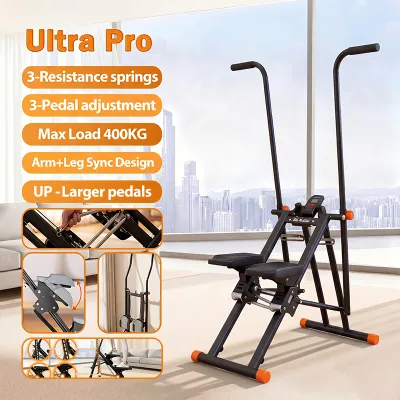
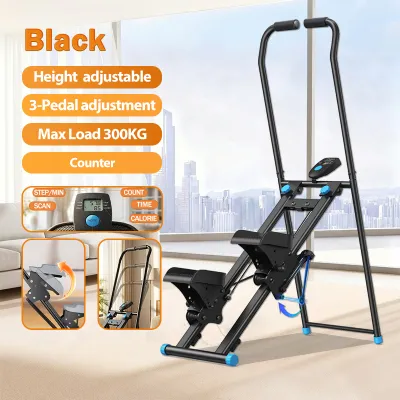
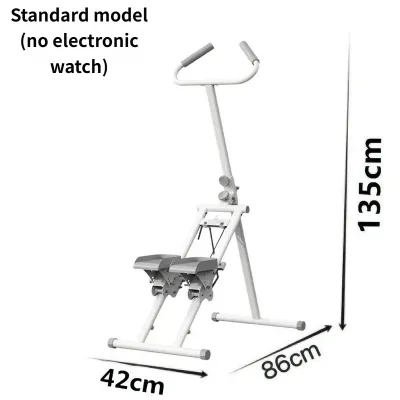
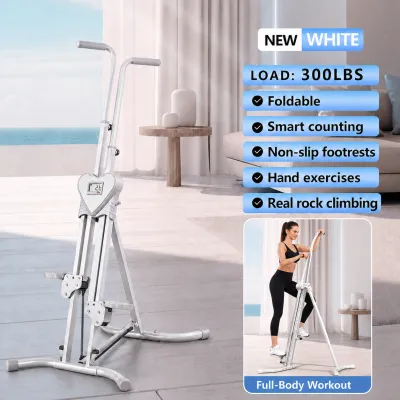
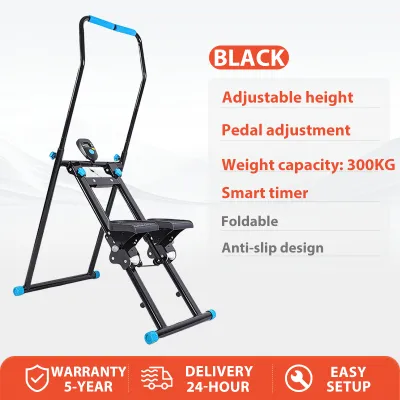
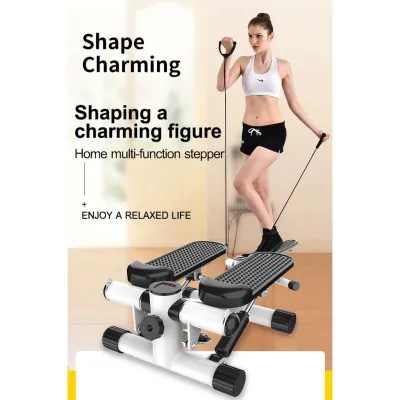
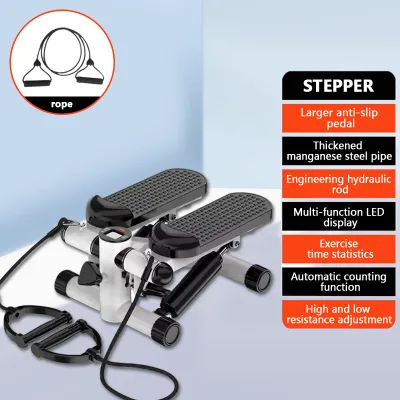
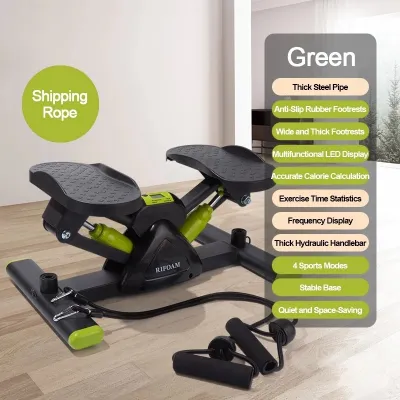
Prices are valid at publication and may change. Please refer to the product page for the latest price.
To determine if your condo’s ceiling can accommodate a stair climber, you must use a reliable vertical clearance formula. Start by identifying the machine’s maximum step-up height, which is the distance from the floor to the top of the highest step during use. Add your own height to this figure, and then add a safety buffer of at least 30 to 50 centimeters. This buffer is essential because your head will naturally rise and fall as you climb, and you need to prevent any accidental contact with light fixtures, ceiling fans, or concrete beams.
Minimum Ceiling Height = Machine Step-Up Height + User Height + Safety Clearance (30–50 cm)
Before finalizing any purchase, locate the manufacturer’s official specification sheet online or request it from the distributor. Do not rely on general retail descriptions, which often omit the maximum step elevation or the recommended ceiling clearance. Look specifically for technical drawings that illustrate the machine at its highest operational point, and compare these figures against precise measurements of your condo’s ceiling, taking note of any low-hanging fire sprinklers, ductwork, or decorative drop ceilings.
Navigating Condo Structural and Environmental Constraints
Condominium units are engineered to support standard residential loads, but heavy fitness equipment can test these structural limits. A robust stair climbing machine can weigh a substantial amount, and when you add the dynamic weight of a user stepping forcefully, the localized pressure on your floor joists increases significantly. Before delivery, contact your building’s administration or property management office to verify the allowable floor load capacity, especially if you plan to place the machine in a loft area or a non-structural room partition.

Acoustic management is another critical consideration when installing heavy cardio gear in a shared building. The repetitive, rhythmic impact of climbing steps creates low-frequency vibrations that easily travel through concrete floor slabs, potentially disturbing neighbors living directly below you. To mitigate this noise, plan to place a specialized, high-density rubber equipment mat or vibration-isolation pads beneath the machine’s leveling feet to absorb the impact energy before it transfers into the building’s structure.
Environmental factors in tropical climates, such as the high humidity experienced in the Philippines, also dictate where you should position your equipment. Electronic consoles, alternators, and drive belts are sensitive to moisture and heat buildup. Ensure the machine is placed in a well-ventilated area with consistent airflow from an air conditioning unit or a ceiling fan to prevent sweat and ambient humidity from corroding internal components. Additionally, position the unit close to a dedicated, grounded electrical outlet to avoid using extension cords, which can overheat and present a safety hazard.
Measuring Access Routes and Planning the Layout
A stair climbing machine is useless if it cannot physically enter your condominium unit. Before placing an order, you must carefully map out the entire delivery route from the building’s loading dock to your designated gym space. Measure the height and width of all entryways, including the service elevator doors, the interior elevator cabin dimensions, shared hallway corners, and your unit’s front door frame. Compare these measurements with the machine’s boxed shipping dimensions to determine if the unit must be partially disassembled before it can be moved down your hallway.
Once inside your home, the layout must prioritize safety and accessibility. Never cram the machine into a tight corner where you cannot easily reach the emergency stop key or step off the platform in a hurry. Maintain a clear safety zone of at least 0.6 meters on both sides of the machine and at least 1 meter of unobstructed space behind the steps. This open area ensures that if you lose your balance or need to dismount quickly, you can do so without colliding with walls, glass windows, or other furniture.
To prevent a bulky stair climber from visually overwhelming a small condo, employ strategic placement techniques. Positioning the machine parallel to a wall rather than perpendicular to it can help preserve the natural flow of the room. If possible, place the equipment near a window to provide a pleasant view during workouts, but ensure it does not block natural light or emergency exit paths. Using light-colored room dividers or placing the machine behind a low bookshelf can also help zone your fitness area without making your living space feel cramped.
Common Space Planning Mistakes to Avoid
One of the most frequent errors condo owners make is failing to account for their full range of motion during high-intensity workouts. When climbing at a rapid pace, your elbows naturally flare outward, and your upper body may lean forward or shift from side to side. If you place the machine too close to a side wall or a tall storage cabinet, you risk scraping your knuckles or bumping your elbows, which can disrupt your stride and lead to falls.
Another common mistake is neglecting to measure the delivery bottlenecks of the building itself. Many buyers assume that because a machine fits within their living room’s dimensions, it will easily pass through the building’s stairwells or elevators. If your building lacks a spacious service elevator, you may face the frustration of a failed delivery or be forced to pay expensive return shipping fees.
Finally, avoid the temptation to push the machine completely flush against a wall to save floor space. Stair climbing machines require adequate clearance around their motor shrouds and ventilation vents to dissipate heat during long workouts. Placing the unit too close to a wall blocks this essential airflow, leading to motor strain, overheating, and premature wear on the drive system, while also making basic cleaning and belt lubrication incredibly difficult to perform.
Frequently Asked Questions (FAQ)
Do I need a special equipment mat under a stair climbing machine in a condo?
Yes, using a high-density, commercial-grade equipment mat is highly recommended for any condo installation. These mats serve a dual purpose: they protect your delicate flooring—whether it is laminate, vinyl, or engineered wood—from the heavy, concentrated pressure of the machine’s leveling feet, and they significantly reduce the transmission of impact noise and vibration to the unit below. Before purchasing, check your condominium association’s bylaws, as many buildings have strict rules regarding noise mitigation and require floor coverings under heavy fitness equipment.
Can I place a stair climbing machine on an enclosed condo balcony?
It is generally not advisable to place a stair climbing machine on a balcony, even if it is fully enclosed. Enclosed balconies in tropical regions like the Philippines are still subject to extreme temperature fluctuations, high humidity, and potential moisture exposure from driving rain, all of which can rapidly degrade the machine’s electronic console and rust its steel frame. Furthermore, balconies often have lower structural weight limits than interior rooms, so you must consult your building’s engineering department to verify the balcony’s load capacity before attempting to move heavy equipment onto it.
Community discussion
Share your experience or ask a question. Comments are reviewed before publication.