
Why Wire Rope Inspection is Critical for Climbing Anchors
Outdoor climbing anchors demand absolute reliability because they bear dynamic, life-critical loads. A single point of failure in an anchor system can result in severe injury or death. This is why a meticulous inspection of your wire rope is a non-negotiable step before every single climb.
In the tropical environment of the Philippines, environmental factors play a massive role in gear degradation. High humidity, heavy rainfall, and salt-laden air in coastal climbing areas like Cantabaco or El Nido accelerate the oxidation of steel. What might be a slow weathering process in dry climates becomes a rapid, aggressive threat here.
Internal damage can hide beneath a clean-looking surface. A wire rope might look shiny on the outside while its core is actively rotting from moisture trapped within the strands. Performing thorough visual and tactile checks before rigging your anchor is the only way to catch these hidden flaws.
Products mentioned in this guide
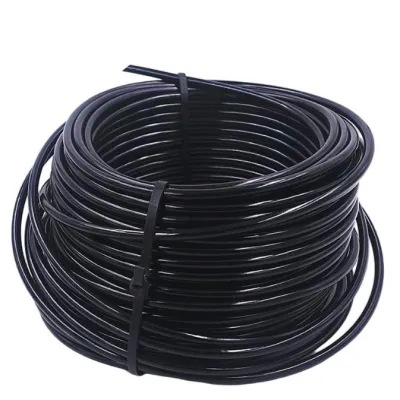
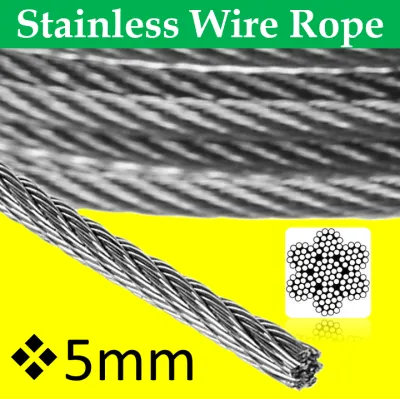
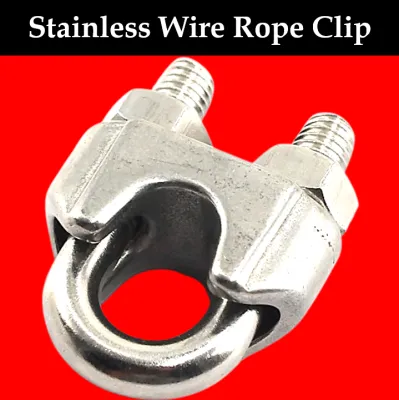
Prices are valid at publication and may change. Please refer to the product page for the latest price.
Always remember that equipment cannot replace proper training, experience, and sound judgment. This guide outlines standard inspection frameworks, but you must always defer to your specific equipment manufacturer’s manual and instructions. If you encounter conflicting guidelines, or if the treated item’s manufacturer instructions are unavailable, stop using the gear immediately and consult a qualified professional.
Essential Tools and Preparation for Inspection
Before you touch the metal, prioritize personal hand safety. Broken filaments in a wire rope can act like tiny, razor-sharp needles that easily puncture bare skin. Always wear a pair of heavy-duty leather or cut-resistant work gloves before running your hands along any steel cable.

Set up your inspection in a clean, brightly lit space. If you are preparing at a crag or in a dimly lit gear room, use a high-lumen headlamp or a dedicated flashlight. Direct, angled light helps highlight subtle surface anomalies, shadows from crushed strands, and fine cracks that are easy to miss under flat lighting.
Next, prepare the surface of the cable. Take a clean, dry microfiber cloth and wipe down the entire length of the wire rope to remove accumulated climbing chalk, mud, grit, and moisture. These substances can easily pack into the grooves between strands, masking structural damage or early-stage corrosion.
Never use harsh chemical solvents, gasoline, or aggressive degreasers to clean your wire rope. These chemicals can strip away the essential factory-applied internal core lubrication or cause chemical degradation of synthetic cores. Furthermore, chemical residues can sometimes chemically mask stress fractures or accelerate corrosion if trapped inside the strands.
Step-by-Step Visual and Tactile Inspection Guide
Identifying Broken Wires and Fraying
Individual wire breaks are one of the most common signs of mechanical fatigue in climbing anchors. When a wire breaks under tension or through abrasion, it often curls outward, creating what is known as a “rag” or “broom” effect. These protruding filaments are clear indicators that the rope’s overall tensile strength is compromised.
To find these breaks, use the tactile method: slide your gloved hand slowly and firmly along the entire length of the wire rope. Feel carefully for any snags, sharp pricks, or sudden resistance. Even if a broken wire lies flat against the strand, your glove will often catch on its edge, alerting you to a spot that requires close visual scrutiny.
Give extra attention to high-friction zones. These are the specific sections of the wire rope that repeatedly pass over carabiners, sit in pulley sheaves, or bend tightly around rock edges and anchor bolts. The repetitive bending stress and localized abrasion in these areas make them highly susceptible to fatigue breaks.
Keep in mind that the acceptable number of broken wires within a single lay length (the distance it takes for one strand to make one complete spiral around the core) is strictly defined by the manufacturer. Because climbing anchors are life-safety systems, even a single broken wire in a critical zone is often enough to warrant immediate retirement. If you are in doubt, do not risk your life; retire the cable immediately.
Checking for Kinks, Crushes, and Birdcaging
Structural deformations permanently alter the physical geometry of a wire rope, drastically reducing its load-bearing capacity. One of the most severe deformations is birdcaging. This occurs when the outer strands of the rope untwist and balloon outward, separating from the inner core and resembling an open birdcage. This is typically caused by sudden shock loading, rapid load release, or severe twisting, and it demands immediate, unconditional retirement of the gear.
Kinks and crushed sections are equally dangerous. A kink is a permanent bend or twist in the cable that remains even when the rope is placed under light tension. Crushing occurs when the cable is pinched, run over by heavy equipment, or subjected to extreme localized forces against sharp rock edges during a fall.
These physical distortions permanently alter how load is distributed across the individual steel strands. Instead of sharing the force equally, a few strands are forced to carry the entire load, creating severe localized weak points. A deformed wire rope can fail catastrophically under standard climbing loads that a healthy cable would easily handle.
Any visible kink, birdcage, or severe crush is an absolute rejection criterion. Never attempt to hammer out a kink, bend a wire rope back into shape, or repair a deformed section. Once the structural integrity of the steel strands is compromised, the damage is permanent and irreversible.
Spotting Corrosion and Lubrication Loss
Environmental degradation can destroy a wire rope from the inside out, making it a silent hazard. It is vital to distinguish between superficial surface rust and deep pitting or internal corrosion. While light, superficial rust can sometimes be carefully cleaned and monitored, deep pitting actually eats away the metal, creating microscopic stress concentrators that lead to sudden failure.
Keep an eye out for rouge, which is a fine, reddish-brown or orange powder that often appears in the valleys between the strands. This dust is a sign of internal fretting corrosion, meaning the inner wires are rubbing against each other without lubrication, breaking down into rust particles. If you see rouge, the interior of your wire rope is actively disintegrating.
Check the state of the cable’s lubrication. A healthy wire rope relies on factory-applied core lubricants to reduce internal friction and block moisture ingress. If the cable feels completely dry, squeaks when bent, or shows a dull, chalky appearance, it has suffered severe lubrication loss, leaving it highly vulnerable to rapid rusting.
If the wire rope feels unusually stiff, resists natural bending, or displays any signs of deep pitting, it must be retired immediately. Internal corrosion can reduce the cable’s breaking strength by more than half without causing any obvious changes to the outer diameter, making a compromised rope look deceptively safe to the untrained eye.
Rejection Criteria: When to Retire a Wire Rope
Establishing clear boundaries for gear retirement is essential for maintaining a safe climbing setup. You must always consult your specific manufacturer’s manual for the exact discard thresholds of your wire rope. Manufacturers provide precise limits on the maximum number of allowable broken wires per lay length and the maximum allowable percentage of diameter reduction.
There are several universal, immediate rejection criteria that require you to pull a wire rope from service instantly. These include any visible birdcaging, severe kinks, crushed sections, heat damage (such as discoloration, melting, or weld spatters from nearby work), or any cracks and deformation in the end fittings and swages. If a swaged sleeve or thimble is loose, cracked, or showing signs of slippage, the entire assembly is unsafe.
To accurately assess wear, use a pair of sliding calipers to measure the rope’s diameter. Compare your measurements to the nominal diameter listed in the manufacturer’s specifications. A diameter reduction beyond the specified tolerance—typically between 5% and 10%—is a clear indicator of internal core failure, severe outer wire wear, or structural stretching, meaning the rope can no longer safely support climbing loads.
In the world of life-safety equipment, you must live by the rule: “when in doubt, throw it out.” The financial cost of replacing a wire rope sling or anchor cable (which typically ranges from ₱500 to ₱2,500 depending on length and certification) is incredibly small compared to the catastrophic consequences of an anchor failure. Never let budget constraints compromise your safety or the safety of your climbing partners.
Do not rely solely on the age of the wire rope or how clean it looks on your gear shelf. A heavily used rope subjected to frequent falls, abrasive rock, or wet conditions might need to be retired in a matter of months. Conversely, a rope that has sat unused but was stored poorly in a damp environment can degrade just as rapidly due to silent, internal oxidation.
Safe Handling and Retirement Procedures
Once you decide to retire a wire rope, you must take active steps to ensure it is never used for a load-bearing task again. It is not enough to simply toss it in the trash or leave it in a corner of your gear room. Immediately destroy or permanently alter the retired rope by cutting it into short, completely unusable segments with heavy-duty wire cutters or an angle grinder. This prevents anyone else from mistakenly salvaging it for climbing or other high-stress applications.
If the attached hardware, such as swages, thimbles, or carabiners, is also compromised or permanently attached to the retired cable, destroy those components as well. If a carabiner is still in perfect condition and can be safely detached, verify its integrity before returning it to service, but always discard any hardware that shows signs of deformation or heavy wear.
In alignment with outdoor environmental ethics and sustainable climbing practices, do not throw your retired steel ropes into standard household waste. Take the cut steel segments to a local scrap metal recycling facility where the material can be properly processed and repurposed.
Finally, update your gear tracking system. Log the retirement of the specific wire rope in your gear inspection records, noting the date, the reason for retirement, and the total estimated service life. Keeping a meticulous log helps you identify patterns in gear wear, allowing you to adjust your purchasing decisions and maintenance intervals in the future.
Frequently Asked Questions (FAQ)
Can I use a wire rope sling that has been stored in a gear bag for years without visible damage?
Storing a wire rope sling for years in a gear bag can introduce hidden risks, even if the exterior looks pristine. Gear bags often trap ambient moisture, especially in humid climates, leading to localized condensation that triggers internal corrosion and breaks down factory lubricants. Before using any long-stored cable, you must perform a rigorous visual and tactile inspection and verify its storage history. If the bag was stored in a damp, unventilated area, or if you cannot verify the rope’s exact history, play it safe and retire the sling.
How does the humid climate in the Philippines affect wire rope climbing anchors?
The tropical climate of the Philippines presents severe challenges for steel wire ropes. High humidity, frequent tropical downpours, and salt-laden sea breezes in coastal climbing destinations rapidly accelerate the oxidation process, causing rust to form deep within the strands. This environment also washes away protective core lubricants much faster than in drier regions. To mitigate these risks, climbers in the Philippines should implement highly frequent inspection intervals, thoroughly dry all wire ropes with a dry cloth after wet outings, and store all gear in well-ventilated, humidity-controlled indoor spaces.
Community discussion
Share your experience or ask a question. Comments are reviewed before publication.