
Finding the perfect pair of skates depends on where you plan to roll, what you want to achieve, and how your body balances. Whether you want to cruise along scenic baywalks, dance under disco lights, or commute through urban streets, matching your gear to your goals is essential. Choosing the wrong setup can lead to discomfort or injury. To make an informed decision, you must understand how different designs affect your stability, speed, and maneuverability. Evaluating these factors ensures you invest in the right shoes roller skate setup for your personal journey.
Define Your Skating Goals and Primary Environment
Before looking at specific models, evaluate where you will skate most often. In the Philippines, environments range from polished indoor rinks to the asphalt of the CCP Complex, the bike lanes of Bonifacio Global City (BGC), or neighborhood barangay basketball courts. Outdoor skating introduces challenges like pebbles, cracks, and high humidity. If you do not align your skate choice with your primary environment, you risk buying a setup that feels unstable or vibrates painfully on rougher surfaces.
Your specific skating activities also narrow down your choices. If your goal is high-intensity cardio, fitness, or commuting, you need a setup built for forward momentum and speed. Conversely, if you are drawn to rhythmic dancing, artistic spins, or roller derby, you require lateral agility and a stable, stationary platform. Aggressive skaters who want to grind rails or jump ramps at skateparks require specialized, impact-resistant boots and frames that differ from casual recreational models.
Products mentioned in this guide
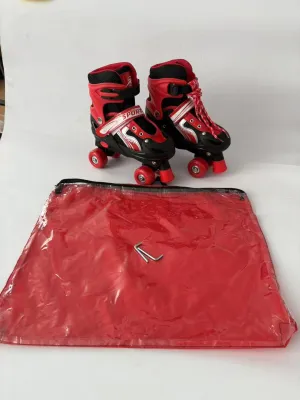
![IMUTO[Free protective gear]Roller Skate Shoes for Kids Adjustable Quad Skates Roller Blades Skate Shoes for Girls Boys](https://img.lazcdn.com/g/p/825ea35eea06c587864d651862874cfc.png_400x400q80.png_.webp)
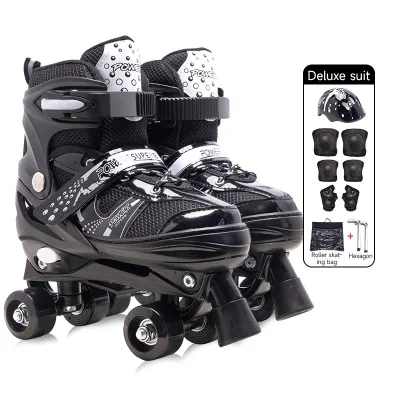
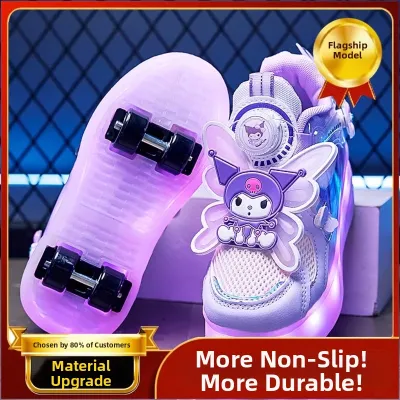
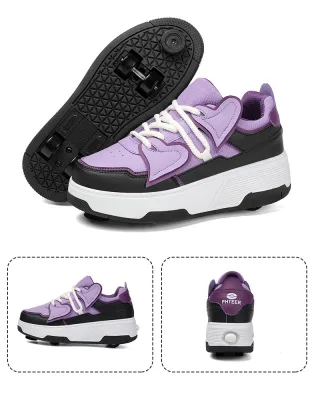
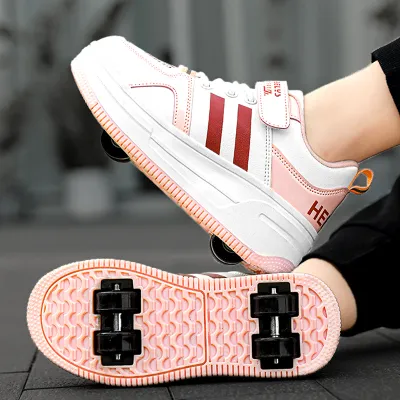
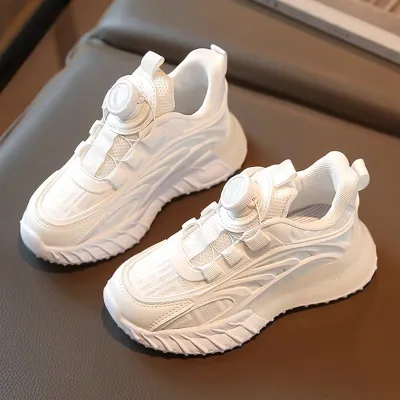
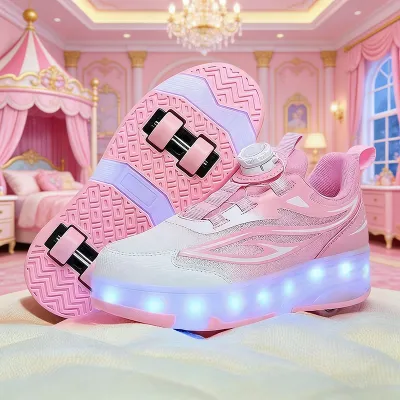
Prices are valid at publication and may change. Please refer to the product page for the latest price.
The physical environment dictates your wheel requirements. Wheels are categorized by diameter (in millimeters) and hardness (durometer on the ‘A’ scale). For outdoor skating on rough pavements, you need softer wheels (78A to 82A) with larger diameters (76mm to 90mm) to absorb road vibrations. Indoor rinks and polished concrete courts demand harder wheels (84A to 101A) that offer less rolling resistance and better slide control, allowing for sharp, precise maneuvers without sticking to the floor.
Identifying your primary goal and environment is the first critical step in your self-diagnosis. It prevents you from purchasing a highly specialized skate—such as a stiff, low-cut artistic skate—when what you actually need is a durable, shock-absorbing outdoor cruiser. Establishing these parameters early filters out unsuitable options and focuses your search on the technical specifications that will keep you safe, comfortable, and motivated.
Inline vs. Quad Skates: Matching the Type to Your Style
The choice between inline skates (often called rollerblades) and traditional quad skates is not about which is objectively superior, but which matches your biomechanics and stylistic goals. Each configuration distributes your weight differently and interacts with the ground through distinct contact points. Understanding these structural differences allows you to map your athletic aspirations directly to the correct category of equipment.

When to Choose Inline Skates
Inline skates feature wheels arranged in a single straight line along the center of the sole, mimicking the physics of ice skating. This configuration offers exceptional efficiency for forward momentum, speed, and long-distance travel. Because the wheels have a narrower contact patch with the ground, inline skates experience less rolling resistance, making them the premier choice for fitness enthusiasts looking for a low-impact cardio workout. If you plan to commute along bike paths or cruise through outdoor parks, inline skates will allow you to cover more distance with less physical exertion.
For skaters interested in high-speed maneuvers, hockey, or aggressive street and park skating, the inline configuration is highly advantageous. The single-line wheel alignment provides excellent edge control, allowing you to lean deeply into turns and execute rapid directional changes. Aggressive inline skates feature heavy-duty, reinforced plastic frames with a central grinding space and smaller, harder wheels designed to withstand high-impact landings on ramps and rails.
The boot structure of inline skates is designed to manage the unique balance demands of a single-line wheel setup. Most recreational and fitness inline skates feature a rigid, high-cut plastic or composite cuff that wraps securely around the ankle. This high-cuff design provides essential lateral support, preventing your ankles from rolling under your body weight. This structural stiffness is crucial for maintaining proper alignment and transferring energy efficiently from your legs to the wheels.
When to Choose Quad Skates
Quad skates feature a traditional four-wheel configuration arranged in a two-by-two rectangular pattern, similar to a miniature car chassis. This wide, stable base provides exceptional lateral stability, making them feel highly secure when you are standing completely still. Quad skates are the classic choice for roller derby, jam or dance skating, and casual indoor rink cruising. The physical layout of the wheels allows you to balance your weight evenly across a wider surface area, which is highly comforting for skaters who prefer a grounded, stable sensation.
The maneuverability of quad skates is driven by a mechanical steering system called ‘trucks’ and ‘cushions’ (or bushings) located beneath the sole plate. By shifting your weight from side to side, the hangers pivot on these cushions, allowing you to carve tight, elegant curves and execute intricate footwork. This makes quad skates incredibly agile for rhythmic dancing, artistic figure skating, and synchronized routines where spinning, backward rolling, and rapid foot transitions are performed in tight spaces.
Unlike high-cut inline skates, many quad skates—especially those designed for roller derby, speed, or jam skating—feature a lower-cut boot design. This lower collar allows for maximum ankle flexibility and a full range of motion, which is necessary for deep knee bends and complex artistic footwork. While high-top quad skates exist for artistic and recreational skating to provide structured support, the overall design philosophy of quads prioritizes ankle articulation and freedom of movement over rigid lateral bracing.
Evaluate Your Experience Level and Physical Needs
When selecting skates, evaluate your physical capabilities and balance profile. A common misconception is that quad skates are universally easier for beginners. In reality, the ‘easier’ option depends on your natural balance. Quad skates offer superior side-to-side stability, preventing ankle wobble, but their short wheelbase makes them sensitive to tipping forward or backward. Inline skates, with frames extending past the toe and heel, provide excellent longitudinal stability, though they require more lateral ankle strength.
Braking systems also present distinct learning curves. Most recreational inline skates feature a rubber heel brake, requiring you to slide one foot forward and lift your toes to friction-stop. Quad skates utilize a front toe stop, used by dragging the toe behind you or turning around to walk backward. Understanding these stopping mechanics is vital when navigating downhill slopes or sudden obstacles on outdoor paths.
Your choice of boot construction should reflect your comfort and support needs. Rigid hard-shell boots offer maximum impact protection, structural support, and longevity, making them ideal for high-impact tricks or skaters needing absolute ankle stability. Soft-boot designs, resembling structured athletic sneakers, prioritize immediate comfort, breathability, and lightweight flexibility, making them excellent for casual, long-distance fitness skaters.
If you have a history of ankle injuries, prioritize high-cuff support and meticulous lacing. Regardless of skate type, look for models with aluminum frames or plates rather than flexible plastic, as metal transfers force more predictably and minimizes joint strain. Ensure the skate features traditional laces, mid-foot straps, and adjustable ankle buckles to lock your heel firmly, protecting your joints from micro-movements.
Sizing and Fit: Selecting the Right Shoes Roller Skate Size
Achieving the correct fit is critical to prevent blisters, maintain control, and avoid injuries. Many aspiring skaters buy their exact street shoe size, only to find the skates are either painfully tight or dangerously loose. Because sizing standards vary dramatically between skate manufacturers, always measure your feet in centimeters or inches and compare your measurements directly to the brand’s official size chart.
A proper shoes roller skate fit must be exceptionally snug, far more so than daily walking shoes. Any empty space inside the boot allows your foot to slide, lift, or rub against the interior lining. This internal movement causes friction blisters and dampens your control, wasting energy that should transfer directly to the wheels. Your heel must lock firmly into the pocket of the skate with zero vertical lift when you bend your knees.
When trying on your skates, use this practical fitting checklist to verify the size:
- Check the Toe Room: Your toes should lightly brush the front of the boot's interior without being cramped, bent, or curled.
- Adopt the Skating Stance: Bend your knees deeply and lean your shins forward. In this stance, your heel should slide backward, and your toes should pull slightly away from the front.
- Monitor for Pressure Points: Keep the skates on for 10 to 15 minutes. Note any sharp pinching, numbness, or throbbing, particularly along the wide part of your foot or ankle bones.
Always try on your skates wearing the exact athletic socks you plan to wear. Avoid thick, loose cotton socks that bunch up and retain moisture; instead, opt for moisture-wicking synthetic or merino wool socks that offer targeted padding at the heel and shin to enhance comfort and reduce friction.
Final Diagnostic Checklist Before You Buy
Before purchasing, run your options through this diagnostic formula: Primary Goal + Typical Environment + Current Skill Level = Your Ideal Skate Type. If you want to travel long distances on outdoor paths for fitness, an inline skate with a supportive hard-boot and soft wheels is your ideal match. If you want to learn dance steps on a smooth indoor court, a quad skate with a flexible boot and hard wheels will serve you best.
Your budget must account for high-quality safety gear, which is non-negotiable for skaters of all skill levels, especially when navigating the unpredictable outdoor terrains of the Philippines. A complete safety set includes a certified helmet, wrist guards, knee pads, and elbow pads. Falling is an inevitable part of learning; wearing proper protective gear prevents minor slips from turning into major injuries. Never sacrifice safety gear quality to buy a more expensive skate model.
Additionally, research the maintenance and availability of replacement parts for your chosen model. Skates are mechanical systems; over time, wheels wear down unevenly, bearings collect dust and require cleaning, and brake pads or toe stops erode. Verify that the retailer or brand offers easily accessible replacement parts, such as standard bearings, compatible wheel profiles, and replacement brake stoppers.
If you remain completely torn between inline skates and quads, consider renting both styles for a session at an indoor rink or borrowing pairs from friends. Experiencing how each configuration feels under your own feet for an hour can provide more clarity than reading dozens of spec sheets, helping you make a confident investment in your skating journey.
Frequently Asked Questions (FAQ)
Are quad skates always better for beginners?
No, quad skates are not universally superior for beginners. While they provide excellent side-to-side stability when standing still, their short wheelbase makes it easier to fall forward or backward if you lose balance. Inline skates have a longer wheelbase extending past your toes and heels, offering superior longitudinal stability that helps prevent backward falls. The best choice depends on your natural balance: if you struggle with lateral ankle strength, quads may feel more secure, but if you struggle with forward-and-backward tipping, inline skates are often easier to master.
Can I use the same roller skates for indoor rinks and outdoor streets?
Yes, you can use the same boot and frame for both environments, but you must change your wheels to suit the surface. Indoor rinks require hard wheels (typically 84A to 101A durometer) to provide speed and slide control on smooth wood or plastic tile floors. Outdoor streets require soft wheels (78A to 82A durometer) to absorb road vibrations and roll safely over cracks and pebbles. Many skaters keep two sets of wheels and a bearing tool handy, swapping them out depending on where they plan to skate that day.
Community discussion
Share your experience or ask a question. Comments are reviewed before publication.