
Choosing the right roller skate depends on where you plan to skate, your primary fitness or recreational goals, and your personal balance preferences. Quad skates, featuring four wheels arranged in a two-by-two rectangular pattern, offer excellent lateral stability that makes them ideal for dancing, rhythm skating, and indoor rink activities. Inline skates, with their wheels aligned in a single row, excel at generating speed, maintaining forward momentum, and navigating uneven outdoor paths. By understanding how these designs interact with your body and your environment, you can select a pair that keeps you safe and motivated.
Quick Diagnostic: Identify Your Primary Skating Goal
To narrow down your choices, start by identifying your primary skating goal. If your dream is to perform dance steps, spin in place, or enjoy social sessions at an indoor rink, quad skates are generally your best starting point. If you want to build cardiovascular endurance, commute along paved paths, or feel the thrill of outdoor speed, inline skates are designed specifically for those demands.
Ask yourself these self-assessment questions before making a purchase:
Products mentioned in this guide
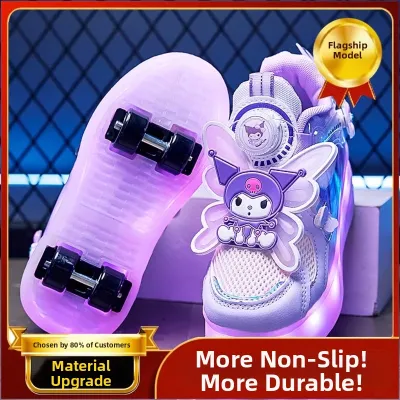
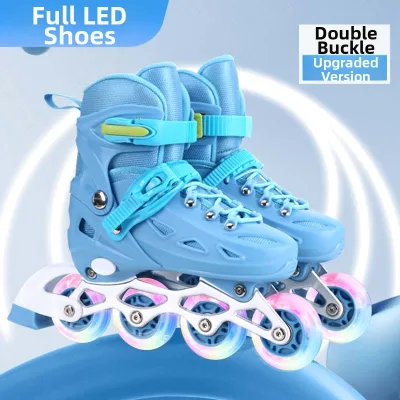
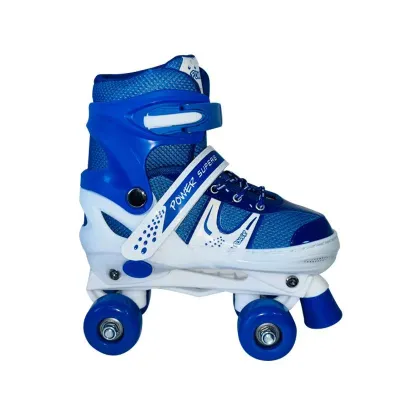
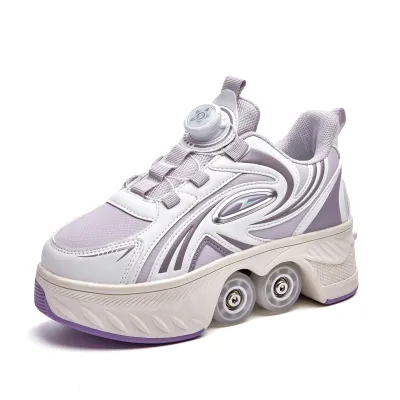
![IMUTO[Free protective gear]Roller Skate Shoes for Kids Adjustable Quad Skates Roller Blades Skate Shoes for Girls Boys](https://img.lazcdn.com/g/p/825ea35eea06c587864d651862874cfc.png_400x400q80.png_.webp)
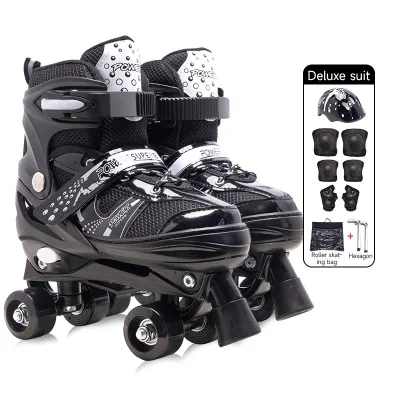
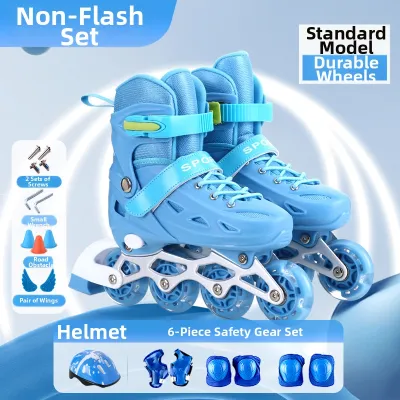
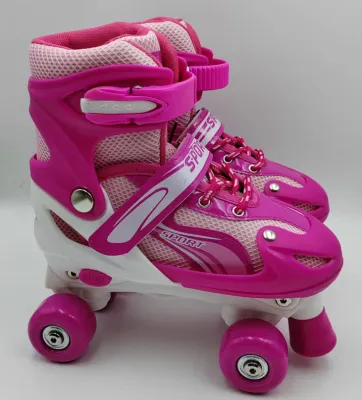
Prices are valid at publication and may change. Please refer to the product page for the latest price.
- Where will you spend most of your time skating? (e.g., smooth indoor rinks, concrete basketball courts, or rough asphalt roads?)
- What is your primary physical goal? (e.g., building cardiovascular endurance, learning dance choreography, or casual weekend recreation?)
- How do you prefer to balance? (e.g., do you feel more secure with a wide, stable base side-to-side, or do you prefer a longer base that supports forward and backward movement?)
Beginners must also evaluate their local environment and physical readiness. If you live in an area with highly uneven pavement, gravel, or frequent rain, starting with quad skates outdoors can be highly challenging due to how easily small stones can stop small, wide wheels. Physical limitations, such as weak ankles or a history of joint instability, may require you to prioritize hard-shell boots over soft, flexible materials, regardless of whether you choose quad or inline configurations.
Quad Skates: When to Choose Traditional Four-Wheel Skates
Traditional quad skates are easily recognized by their classic four-wheel configuration, which provides a stable platform when standing still. These skates feature a wider wheelbase that distributes your weight evenly across a rectangular surface, making lateral balance feel highly intuitive. Most quad skates are equipped with a toe stop at the front of the boot, which is used for pushing off, stopping at slow speeds, or performing dance maneuvers. The boots themselves vary from high-top designs that offer structured ankle support to low-cut speed boots that allow for maximum ankle mobility.

These characteristics make quad skates the ideal choice for specific activities such as roller derby, jam and rhythm skating, artistic skating, and casual indoor rink sessions. Beginners who feel anxious about falling sideways often find comfort in the immediate lateral stability of quads. The wide wheel placement allows you to stand upright with minimal effort, making it easier to focus on basic posture and weight transfer in a controlled environment.
However, quad skates have distinct limitations that you must verify before buying. They generally offer slower top speeds and require more physical effort to maintain momentum over long distances compared to inline skates. When taken outdoors, the wide, small-diameter wheels are highly sensitive to cracks, twigs, and pebbles, which can cause sudden stops if you do not maintain an active, staggered stance. Furthermore, soft canvas or vinyl fashion boots often lack the structural ankle support needed for heavier skaters or high-impact maneuvers, making boot material inspection a critical safety step.
Inline Skates: When to Choose Single-Line Wheel Configurations
Inline skates feature a single line of wheels secured within a metal or composite frame beneath the boot. This design creates a longer wheelbase from front to back, which provides exceptional stability at higher speeds and prevents you from tipping forward or backward. Most recreational inline skates come equipped with a removable heel brake on one boot, which allows you to stop by lifting your toes and dragging the rubber pad against the ground. The boots are commonly divided into supportive molded plastic hard-shells and breathable, lightweight soft-boots.
This configuration is highly suited for fitness skating, long-distance urban commuting, aggressive skatepark riding, and inline hockey. The narrow profile of the wheels reduces rolling resistance, allowing you to cover long distances with less fatigue. If your primary goal is an intense cardiovascular workout or navigating outdoor pathways, inline skates offer the efficiency and speed control necessary to handle varied terrain.
Despite these advantages, inline skates present specific challenges for beginners. The narrow wheel profile requires active ankle stabilization, which can lead to a steeper initial learning curve as your muscles adapt to balancing on a single line. While inline skates roll over small outdoor debris much better than quads, they are still vulnerable to wet surfaces, loose sand, and large cracks. Because of the higher speeds achievable on inline skates, wearing complete protective gear is an absolute requirement to prevent severe abrasions and impact injuries during a fall.
Specialty and Niche Skates: Assessing Advanced or Specific Needs
As you explore the skating world, you will encounter highly specialized equipment designed for specific disciplines. Aggressive inline skates, for example, feature small, hard wheels, a heavy-duty frame with a central grinding space (the H-block), and thick hard-shell boots built to withstand high-impact grinds and ramp jumps. Artistic quad skates utilize extremely stiff leather boots and specialized metal plates to support the intense forces of jumps and spins. Off-road or SUV inline skates feature large, air-filled pneumatic wheels designed to roll over dirt paths, grass, and rough gravel trails.
It is vital to recognize the warning signs that standard recreational skates are being pushed beyond their limits. Attempting to grind on rails with standard recreational inline frames can crack the plastic or aluminum, leading to sudden frame failure and severe injury. Similarly, performing high-impact jumps in soft-boot recreational skates can cause the boot to collapse, resulting in severe ankle sprains or fractures.
If your interests lean toward these high-impact or specialized disciplines, do not rely on standard retail descriptions. Seek professional coaching or visit a dedicated specialty skate shop for a custom fitting. Specialized gear requires precise adjustment, frame alignment, and wheel hardness selection that matches your weight and skill level to ensure your safety.
Matching Your Skill Level, Fit, and Environment
Before finalizing your purchase, perform a thorough check of your local skating environment. In tropical climates like the Philippines, outdoor skating often takes place on concrete barangay basketball courts, public parks, or asphalt roads. High humidity and sudden tropical downpours mean you must check your bearings regularly for rust and avoid skating on wet, slippery surfaces. If you plan to skate primarily on rough outdoor concrete, prioritize softer wheels (78A to 82A durometer) that absorb vibrations, regardless of whether you choose quads or inlines.
Next, verify the fit and support of the boot. A proper skate boot must support your ankle; you can check this by pressing the sides of the ankle collar with your hands. If the material collapses easily under light pressure, it will not provide adequate support on the pavement. Keep in mind that skate sizing rarely matches your standard street shoe size. Always measure your feet in millimeters and compare your measurements directly to the manufacturer’s official size chart.
Finally, establish your safety and budget boundaries. Always allocate a portion of your budget—such as ₱1,500 to ₱3,000—for high-quality protective gear, including a certified helmet, wrist guards, knee pads, and elbow pads. Equipment cannot replace proper training, so take time to practice falling safely on grass or carpet before rolling onto concrete. If you experience persistent pain, numbness, or severe pressure points during an indoor fitting, stop using the skates and consult a professional fitter or a podiatrist to discuss custom footbeds or alternative boot shapes.
Frequently Asked Questions (FAQ)
Is it easier to learn on quad skates or inline skates?
Quads feel more stable when standing still because of the wide four-corner wheel placement. However, inline skates are often easier for beginners to glide and steer because the longer wheel frame prevents tipping forward or backward. If you have prior experience with ice skating or skiing, inline skates will feel highly intuitive due to the similar edge control and forward momentum. Consider renting both styles at a local rink or borrowing from a friend to test your natural balance preferences before purchasing.
Can I use indoor roller skates for outdoor skating?
Yes, but you must check the wheel hardness (durometer). Indoor wheels are typically hard (95A to 101A) to slide smoothly on wood or polished concrete, whereas outdoor wheels are soft (78A to 82A) to absorb vibrations. Using hard indoor wheels on rough outdoor pavement can cause sudden stops on tiny pebbles, severe vibrations that fatigue your legs, and accelerated bearing damage from dust. A practical, budget-friendly solution is to purchase a separate set of soft outdoor wheels and a bearing tool to swap them onto your existing boots when transitioning between environments.
How tight should roller skates feel when I first try them on?
Skates should feel snug and secure, like a firm glove, without pinching or cutting off your blood circulation. Your toes should just lightly brush the front of the toe box when standing straight, and pull back slightly when you bend your knees into a skating stance. Check for heel slip by lifting your heel inside the boot; if your heel rises significantly, the skate is too large, which can cause blisters and reduce your steering control. If you experience persistent, painful pressure points or numbness after wearing the skates indoors for 10 to 15 minutes, consider returning or exchanging them for a different size or shell shape.
Community discussion
Share your experience or ask a question. Comments are reviewed before publication.