
Properly maintaining a home treadmill ensures that your workouts remain smooth, quiet, and safe. Over time, the friction between the running belt and the deck increases, which can strain the motor and wear down the belt material. Applying silicon oil is a highly effective way to minimize this friction and protect your investment. In tropical environments like the Philippines, where high humidity and airborne dust can settle on the deck, regular lubrication becomes even more critical to prevent premature mechanical wear. By following a systematic approach, you can easily perform this maintenance task at home without the need for expensive professional services.
Check If Your Treadmill Needs Lubrication
Before applying any lubricant, you must determine whether your treadmill actually requires it. A simple physical inspection, known as the touch test, is the most reliable way to check. Ensure the machine is completely powered off and unplugged before reaching under the belt. Gently slide your hand under the edge of the running belt, reaching as close to the center of the deck as possible. If the surface of the deck feels slick, oily, or slightly wet, your treadmill still has sufficient lubrication and does not need immediate attention.
If the deck feels dry, rough, or dusty to the touch, friction levels are likely elevated, indicating that it is time to apply silicon oil. You might also notice other physical signs of high friction during your workouts. For instance, if the belt feels like it momentarily hesitates or drags when your foot strikes the surface, or if the motor area feels unusually warm after a short run, these are clear indicators of a dry deck. Ignoring these signs can lead to the motor drawing more electrical current, which increases your utility bills and risks burning out the control board.
Products mentioned in this guide
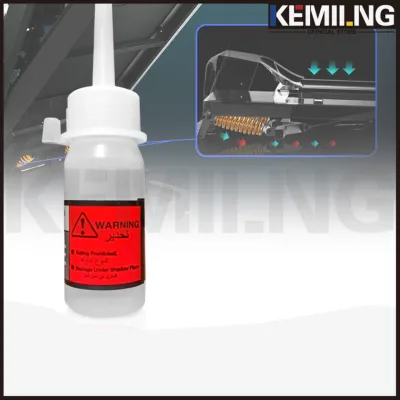
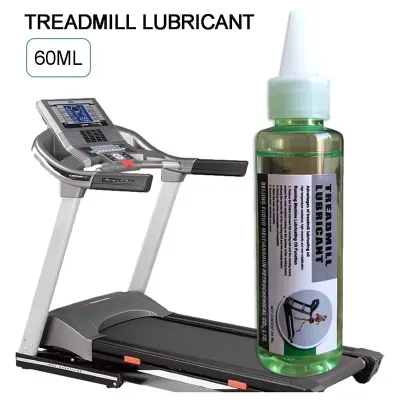
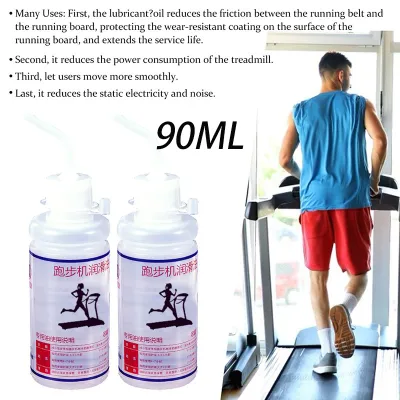
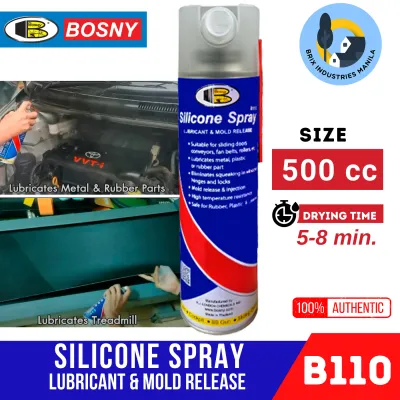
Prices are valid at publication and may change. Please refer to the product page for the latest price.
It is equally important to consult your owner’s manual before proceeding. Different manufacturers design their machines with specific materials, and some require proprietary lubricant formulas rather than standard silicon oil. Furthermore, some modern home treadmills are equipped with pre-lubricated or maintenance-free belts. These belts are infused with high-performance wax or dry lubricants during manufacturing and are designed to never be oiled. Applying liquid silicon oil to a maintenance-free belt can actually ruin the specialized coating, increase friction, and void your manufacturer’s warranty.
Gather the Right Tools and Materials
Preparing your workspace and gathering the correct tools beforehand will make the lubrication process quick and mess-free. The most critical material is the lubricant itself. You must use 100% pure silicon oil, which is widely available on local ecommerce platforms or at fitness specialty stores in the Philippines for around ₱300 to ₱800 per bottle. Ensure the product label explicitly states it is 100% silicon and contains no petroleum distillates, additives, or solvents that could degrade the synthetic rubber of your treadmill belt.

Next, prepare several clean, lint-free microfiber cloths. These are essential for wiping away any accidental spills on the floor or the side rails of the machine. Silicon oil is extremely slippery, and even a tiny drop on a tiled or wooden floor can create a serious slipping hazard in your home gym area. You may also want to place a protective plastic sheet or old newspapers under the treadmill deck to catch any drips during the application.
Finaly, locate the adjustment tool that came with your treadmill, which is typically a specific size of Allen wrench or hex key. While some flexible belts allow you to apply oil without loosening them, many models require you to slightly loosen the rear roller bolts to gain sufficient clearance. Having this tool on hand ensures you can complete the task without searching for matching hardware mid-process. If your lubricant bottle does not have a long, thin applicator nozzle, a clean plastic syringe or a flexible tube can help you reach the center of the deck easily.
Step-by-Step Guide to Applying Silicon Oil
To begin the application process, safety must be your absolute priority. Always unplug the treadmill’s power cord from the wall outlet. This eliminates any risk of the machine accidentally starting up while your hands are underneath the running belt, which could cause severe injury. Clear the area around the treadmill so you have plenty of space to move around both sides of the deck.
If your treadmill belt is too tight to easily slide your hand or an applicator nozzle underneath, you will need to loosen the rear roller. Locate the adjustment bolts on the left and right sides of the rear roller caps. Using your Allen wrench, turn the left bolt counterclockwise by two full turns. Repeat this exact step on the right bolt, turning it counterclockwise by two full turns as well. Keeping the adjustments perfectly equal on both sides is crucial for maintaining the belt’s alignment when you retighten it later.
Once the belt is sufficiently loose, gently lift the edge of the belt on one side of the deck. Insert the long applicator nozzle or syringe underneath the belt, aiming for the center of the deck where your feet make the most contact during a run. Starting from about 30 centimeters away from the front motor cover, apply a thin, steady stream of silicon oil in a zigzag pattern down the center of the deck, stopping about 30 centimeters before the rear roller. You generally only need about 15 to 20 milliliters of oil per application; using too much will cause messy runoffs.
Repeat this application process on the opposite side of the treadmill to ensure the center of the deck is evenly coated from both directions. Avoid applying the oil too close to the outer edges of the belt or the side rails, as this area does not experience foot contact and the oil will simply squeeze out and create a mess.
After applying the oil, you must restore the belt to its original tension. Turn both the left and right rear roller bolts clockwise by the exact same two full turns you used to loosen them. This ensures the belt remains centered and does not slip or drift to one side when you start the machine. If you did not need to loosen the belt, you can skip the bolt adjustment steps entirely.
Distribute the Oil and Verify the Results
With the silicon oil applied and the belt retightened, the next step is to distribute the lubricant evenly across the entire surface of the deck. Plug the treadmill back into the wall outlet and turn on the power switch. Stand on the plastic side rails of the machine, keeping your feet completely off the running belt. Start the treadmill and set the speed to a slow walking pace, approximately 2 to 3 kilometers per hour.
Allow the treadmill to run empty at this slow speed for about two to three minutes. As the belt rotates, it will naturally pick up the silicon oil from the center of the deck and carry it around the rollers, starting the distribution process. Once the initial rotation is complete, step onto the moving belt and walk slowly for another three to five minutes. Your body weight acts as a press, spreading the liquid oil evenly across the contact zone between the belt and the deck.
After walking on the machine, stop the treadmill and unplug it once more. Inspect the outer edges of the belt and the side rails for any excess oil that may have squeezed out during the distribution process. Use a clean microfiber cloth to thoroughly wipe down these areas. Removing excess oil is vital, as any residue left on the running surface or side rails can cause your running shoes to slip during future workouts.
Finally, plug the machine back in and run it briefly to verify the results. Listen closely to the motor and the belt. The treadmill should operate with a quiet, smooth gliding sound. If you hear any squeaking, grinding, or rubbing noises, or if the belt appears to drift toward one side, the belt tension may be uneven. Adjust the rear roller bolts in small, quarter-turn increments until the belt runs straight and quiet.
Common Mistakes and When to Stop
While lubricating a treadmill is a straightforward DIY task, certain common mistakes can cause permanent damage to your equipment. The most critical error is using the wrong type of lubricant. Under no circumstances should you use WD-40, automotive motor oil, vegetable oil, or standard household lubricants. These products contain petroleum distillates or organic compounds that will rapidly dissolve the synthetic rubber of your belt, destroy the low-friction deck coating, and create a sticky residue that ruins the motor.
Another common pitfall is over-lubrication. More oil does not equal better performance. Applying excessive amounts of silicon oil will cause the running belt to slip on the front drive roller, making it impossible to walk or run safely. Furthermore, excess oil can migrate into the motor compartment, coating the drive belt and electrical components, which can lead to short circuits or motor failure. It also acts as a magnet for dust and pet hair, creating a thick grime that accelerates wear.
You must know when to stop and seek professional assistance. If you complete the lubrication process and the belt continues to slip, the motor smells hot or emits a burning odor, or the console displays error codes, do not attempt to force the machine to run. These symptoms indicate deeper mechanical or electrical issues, such as worn-out motor brushes or a damaged control board. Unplug the machine immediately and contact a certified fitness equipment technician in your local area to inspect the treadmill safely.
Frequently Asked Questions (FAQ)
How often should I apply silicon oil to my treadmill?
The ideal lubrication schedule depends on how frequently you use your treadmill, the weight of the users, and your local climate. For light to moderate home use, which is roughly two to three hours of exercise per week, applying silicon oil every three to six months is generally sufficient. However, if multiple family members use the machine daily, or if you live in a warm, dusty, or highly humid region like the Philippines, the lubricant can dry out or attract dust more quickly. Rather than relying solely on a calendar schedule, perform the physical touch test under the belt every month to check the actual dryness of the deck.
Can I use silicon oil spray instead of liquid?
While 100% pure silicon oil spray is chemically compatible with most treadmill belts, liquid silicon oil with a long applicator nozzle is highly recommended for home maintenance. Liquid oil allows you to place the lubricant precisely in the center of the deck where it is needed most, with minimal mess. Aerosol sprays, on the other hand, create a fine mist that is difficult to control. This mist can easily settle on the top surface of the running belt, the side rails, or your surrounding floor, creating an invisible and extremely dangerous slipping hazard. If you must use a spray, ensure it is 100% pure silicon, use a straw attachment to direct the spray deep under the belt, and carefully shield all surrounding areas with cardboard or towels to catch any overspray.

Community discussion
Share your experience or ask a question. Comments are reviewed before publication.