
Choosing the right lifestyle vest for an adult involves matching the gear’s design to the physical demands of your chosen water sport. While all flotation devices assist with buoyancy, a vest that works well for a relaxed snorkeling session can feel restrictive, bulky, or unsafe when paddling a kayak or balancing on a stand-up paddleboard. Selecting the correct equipment requires evaluating how you move, how the vest fits your body, and the environmental conditions of your venue.
Safety on the water is a combination of preparation, personal skill, and reliable gear. No flotation device can replace swimming ability, proper water safety training, or sound personal judgment. Before heading out into tropical waters, understanding the nuances of different vest designs ensures you stay comfortable and adequately supported throughout your adventure.
Understanding Lifestyle Vests and Baseline Safety Checks
A lifestyle vest for an adult is designed for recreational, near-shore activities where rescue is expected to be quick. These vests prioritize comfort, breathability, and freedom of movement, making them popular for casual outings. They are distinct from high-impact personal flotation devices (PFDs) or offshore life jackets, which are built with heavy-duty materials and extra flotation foam designed to turn an unconscious wearer face-up in rough, open ocean conditions.
Products mentioned in this guide
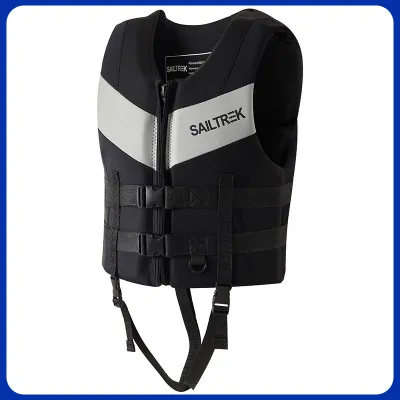
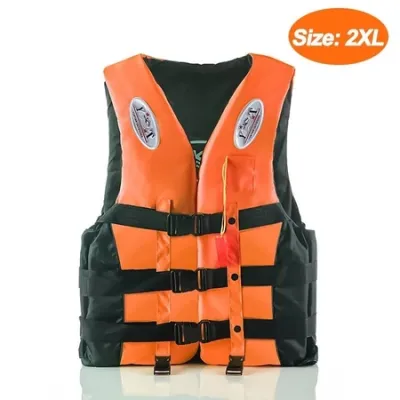
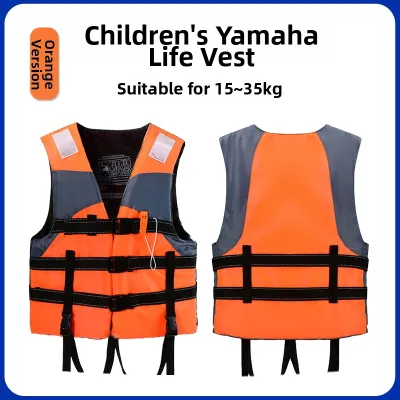
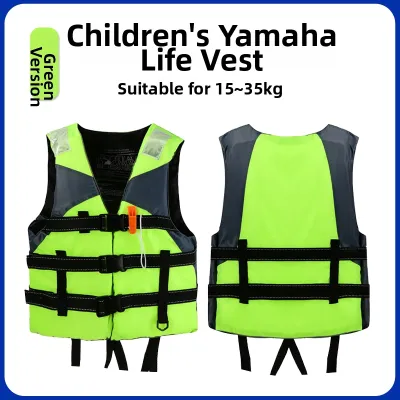
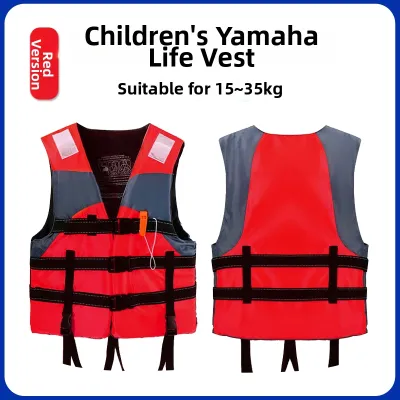
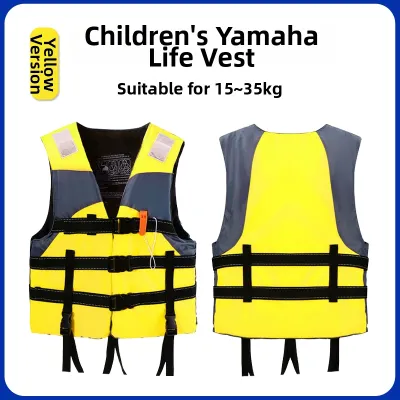
Prices are valid at publication and may change. Please refer to the product page for the latest price.
Before using any lifestyle vest, check the manufacturer’s label printed on the inside of the fabric. This label contains critical information regarding the vest’s intended use, weight limits, and buoyancy ratings. Verify that the vest is rated for your specific body weight and the type of water environment you will encounter.
Physical integrity is just as important as the rating on the label. Inspect all straps, buckles, and zippers before every outing. Pull firmly on the straps to ensure the stitching is secure, and click the buckles together to verify they lock tightly. Zippers must slide smoothly without catching, as a failing fastener can cause the vest to slip off during an unexpected fall.
Matching Vest Designs to Specific Water Activities
Different water sports require distinct body postures, ranges of motion, and levels of physical exertion. To find the right lifestyle vest for an adult, you must evaluate how the vest’s cut and foam distribution align with the specific movements of your activity.

Kayaking and Canoeing
Paddling a kayak or canoe requires a seated posture and continuous, repetitive arm movements. Standard recreational vests often have foam panels extending all the way down the back, which can press against high kayak seat backs. This pressure pushes the vest upward against your chin, causing discomfort. To avoid this, look for high-back or short-torso designs where the flotation foam is concentrated on the upper shoulders, leaving the lower back covered only by a thin, breathable mesh.
Armhole clearance is another critical factor. Vests with small armholes will rub against your underarms with every stroke, leading to painful chafing in hot and humid tropical climates. Prioritize designs with deep, generous arm cuts that allow your shoulders to rotate fully.
Before heading out, put the vest on and mimic a paddling motion. Check for friction points along your torso, neck, and underarms. If you feel rubbing during this dry run, the vest will likely cause severe skin irritation on the water, indicating that a different size or cut is required.
Stand-Up Paddleboarding (SUP)
Stand-up paddleboarding demands constant balance, core engagement, and the ability to transition quickly between standing, kneeling, and swimming. Because you are standing upright, you need a low-profile vest that does not interfere with your center of gravity or restrict your ability to bend at the waist. Vests with thin, flexible foam panels distributed evenly around the torso offer a good balance of flotation and mobility.
Inflatable belt-style options are popular because they remain packed around the waist until manually deployed. However, check local maritime regulations before relying on these devices. In many jurisdictions, inflatable belt PFDs are only considered legal life jackets if they are actively worn and are often restricted to strong swimmers who can manage manual inflation.
Additionally, consider how easy it is to climb back onto your board from deep water. A bulky front-zip vest can catch on the rail of your paddleboard as you try to slide your torso back onto the deck. Choosing a sleek, low-profile design ensures you can remount your board quickly without wasting valuable energy.
Snorkeling and Surface Swimming
Snorkeling and surface swimming involve floating face-down in the water for extended periods, requiring a vest that supports a horizontal body position. Vests designed specifically for snorkeling often feature a pull-over or horse-collar design with an inflatable chamber, allowing you to adjust the level of buoyancy depending on whether you want to dive down or rest on the surface.
For non-inflatable lifestyle vests, front-zip designs are highly convenient because they are easy to put on and take off while standing on a boat deck or beach. Ensure the vest provides adequate buoyancy to keep you effortlessly afloat at the surface when you stop swimming. This allows you to clear your snorkel, adjust your mask, or rest your muscles without struggling to stay above water.
Avoid vests with thick, bulky collars that extend high up the back of the neck. These collars can push your head forward or restrict your ability to tilt your head back to breathe. A streamlined neck opening is essential for maintaining a comfortable, natural swimming posture and preventing neck strain during long sessions.
Evaluating Cross-Activity Compatibility
Many water sports enthusiasts participate in multiple activities and wonder if a single lifestyle vest for an adult can serve all their needs. While a high-quality, general-purpose recreational vest can handle casual use across kayaking, paddleboarding, and light snorkeling, there are significant trade-offs in comfort and performance. A vest optimized for the seated position of kayaking may feel unnecessarily bulky when you try to climb back onto a paddleboard, while a sleek paddleboarding vest might rub uncomfortably against a high kayak seat.
A general-purpose vest is often insufficient for high-mobility or specialized sports. If you plan to transition from calm lake paddling to fast-moving rivers or coastal waters, the safety requirements change. Specialized activities demand gear designed specifically for those environments, and relying on a basic lifestyle vest can compromise your safety when conditions become challenging.
Always consult the manufacturer’s guidelines to verify multi-use approvals. Some vests are explicitly rated for a variety of calm-water sports, while others are strictly limited to specific activities. Operating outside these recommendations can mean the vest may not perform as expected during an emergency.
Essential Fit, Care, and Inspection Routines
Even the most advanced lifestyle vest will fail to protect you if it does not fit correctly or has degraded over time. To verify a proper fit, always perform the physical “lift test.” Put the vest on, fasten all zippers, buckles, and straps, and adjust them until the vest feels snug but comfortable. Have a companion grasp the shoulder straps of the vest and pull firmly upward. If the vest slides up past your nose, chin, or ears, it is too large or too loose, and you must tighten the straps or try a smaller size.
Regular inspection is vital, especially in tropical environments where intense sunlight, high humidity, and saltwater accelerate material breakdown. Examine the seams and stitching for any signs of fraying. Check the plastic buckles for hairline cracks and ensure the foam inside the vest does not feel crumbly, brittle, or permanently compressed, as these are clear indicators that the flotation material has degraded.
To maximize the lifespan of your gear, follow the manufacturer’s cleaning and storage instructions carefully. After every use in saltwater, rinse the vest thoroughly with clean, fresh water to remove salt crystals. Hang the vest to dry in a shaded, well-ventilated area away from direct sunlight, as UV rays can weaken the outer fabric and degrade the internal foam. Never store a damp vest in a closed container, as this encourages the growth of mold and mildew.
Frequently Asked Questions (FAQ)
Can I use a lifestyle vest for wakeboarding or water skiing?
No, standard lifestyle vests are not suitable for high-speed towed water sports like wakeboarding, water skiing, or tubing. These activities involve high-velocity impacts with the water during a fall, which can easily tear a standard recreational vest apart or force it off your body. Towed sports require specialized impact vests or high-impact PFDs that feature reinforced stitching, multiple heavy-duty straps, and impact-resistant foam designed to cushion the torso. Always check the manufacturer’s label to ensure your vest is explicitly rated for high-speed towed activities before attempting them.
How do I know if my lifestyle vest still provides enough buoyancy?
You can test your vest’s ongoing effectiveness by performing a simple in-water relaxation test in a safe, calm, and shallow environment where you can easily stand. Put the vest on, secure all fasteners, wade into chest-deep water, and tilt your head back while relaxing your body. The vest should keep your chin completely clear of the water without requiring you to tread water or swim. If your mouth or nose dips below the surface, or if the vest feels unusually heavy and waterlogged when dry, the internal foam has likely degraded, and the vest must be replaced immediately in accordance with the manufacturer’s guidelines.
Community discussion
Share your experience or ask a question. Comments are reviewed before publication.