
Matching your air pump to the correct valve is essential for maintaining the performance, safety, and longevity of your sports equipment. Whether you are prepping a road bike for a long ride on hot asphalt, inflating a basketball for a game on a local concrete court, or setting up inflatable gear for a weekend beach trip, using the wrong connection can damage your valves and lead to sudden air leaks. Achieving a secure, airtight seal requires identifying your valve type, choosing the correct nozzle or adapter, and executing a clean connection.
Using the wrong inflation technique can ruin fragile valve stems or tear internal ball bladders, turning a simple maintenance task into an expensive replacement. By learning the distinct characteristics of Presta valves, Schrader valves, and ball needles, you can confidently select the right tool for the job. This guide provides the practical steps and troubleshooting tips needed to keep your tires, sports balls, and outdoor gear properly pressurized.
Identify Your Valve Type Before Connecting the Pump
Before attempting to attach any pump, you must identify the specific valve on your equipment. Forcing a pump nozzle onto an incompatible valve can strip threads, bend delicate internal pins, or tear the valve stem away from the inner tube. Taking a moment to inspect the shape and mechanism of the valve ensures you use the correct attachment from the start.
Products mentioned in this guide
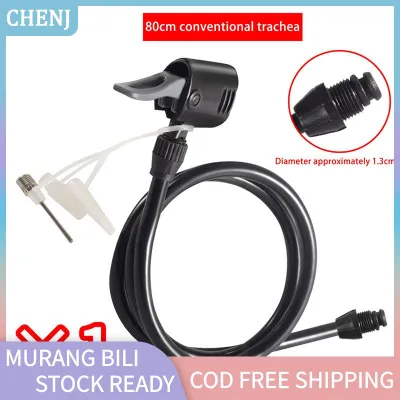
Prices are valid at publication and may change. Please refer to the product page for the latest price.
Schrader Valve
The Schrader valve is the most common valve type, easily recognized by its wide, cylindrical shape and threaded metal exterior. In the center of the valve stem sits a small, spring-loaded check pin that controls the airflow. Because of their robust design, Schrader valves are standard on mountain bikes, commuter bicycles, utility trailers, and automotive tires. They are also widely used on high-volume outdoor gear, such as inflatable air mattresses, pool floats, and heavy-duty water toys.
Presta Valve
The Presta valve is narrower and taller than a Schrader valve, featuring a slender profile designed specifically for high-pressure applications. Unlike the spring-loaded Schrader system, a Presta valve utilizes a captive top locking nut on a threaded central post to keep the valve closed. This lightweight, narrow design is prevalent on road bikes, gravel bikes, and high-performance racing wheels, where minimizing wheel weight and maintaining high tire pressures are critical.
Ball Needle (Inflation Needle)
Unlike bicycle tires, sports balls do not have protruding metal valve stems. Instead, they feature a recessed, self-sealing rubber inlet valve that requires a ball needle (or inflation needle) to bypass. This thin, hollow metal or high-strength plastic tube features a polished outer surface and a small port near the tip. It is designed exclusively for inflating sports balls, including basketballs, soccer balls, volleyballs, and rugby balls.
Actionable Tip
Before you begin pumping, locate the manufacturer’s recommended pressure range. For tires, this PSI (pounds per square inch) or bar rating is typically molded directly into the rubber sidewall. For sports balls, the target pressure is stamped directly onto the surface near the rubber valve inlet. Always verify these limits before starting, as over-inflating can cause catastrophic blowouts or warp the structural shape of your gear.
Choose the Right Air Pump Nozzles and Adapters
Once you have identified the valve type, you must select a compatible pump nozzle or conversion accessory to bridge the connection. Having the right air pumps accessories on hand prevents air from escaping during inflation and ensures your pressure gauge reads accurately.

Direct-Fit and Dual-Head Nozzles
Modern floor pumps and portable mini-pumps often come equipped with versatile nozzle designs. Dual-head nozzles feature two distinct ports: a larger opening for Schrader valves and a smaller one for Presta valves. Other pumps utilize a “smart-head” or auto-adjusting nozzle, which uses a single internal mechanism that automatically clamps securely onto either valve type without requiring physical disassembly. If you ride different styles of bicycles, a dual-head or smart-head pump is highly convenient.
Presta-to-Schrader Adapters
If you own a basic pump or need to use a gas station air compressor that only fits Schrader valves, a Presta-to-Schrader adapter is a vital accessory. This small, inexpensive brass or aluminum sleeve features internal threads that match a Presta stem and external threads that mimic a Schrader valve. These adapters are highly portable, often costing between ₱50 to ₱150 at local bike shops in the Philippines, and can be left threaded onto your bike’s valve stem for emergency roadside inflation.
Ball Needle Attachments
Inflation needles are separate accessories that must be secured to your pump’s primary nozzle. Most ball needles feature a threaded brass or plastic base that screws directly into the end of a pump hose. Alternatively, some needles are designed with a standard Schrader-sized base, allowing them to be inserted directly into a Schrader pump nozzle and locked in place using the pump’s thumb lever. Always check that the thread pitch of the needle matches your pump’s hose connector to prevent air leaks.
Safety Boundary
Before attaching any adapter or needle, check that all threads are clean and free of grit, sand, or corrosion. In humid, tropical climates, moisture can trap fine debris within the threads, which can lead to cross-threading and permanent damage to both the adapter and the valve stem. If you feel resistance while threading an adapter, stop, clean the threads with a dry cloth, and try again.
Step-by-Step Guide to Attaching and Inflating
Connecting your pump correctly protects the valve assembly and ensures that air flows smoothly into the chamber. Follow these step-by-step instructions for each specific valve type to achieve a safe, efficient inflation process.
Inflating Schrader Valves
- Remove the Dust Cap: Unscrew the plastic dust cap from the valve stem and place it in a secure spot so it does not get lost.
- Position the Pump Head: Align the pump nozzle straight with the valve stem. Press the nozzle firmly onto the valve until you hear a brief hiss of air, which indicates the pump head has depressed the central pin.
- Lock the Connection: Immediately flip the pump's locking lever to the engaged position to clamp the nozzle securely onto the stem.
- Inflate to Target Pressure: Pump steadily while monitoring the pressure gauge. Stop inflating once you reach the recommended PSI rating molded on the tire sidewall.
- Disconnect Swiftly: Disengage the locking lever and pull the pump nozzle straight off the valve stem in a quick, clean motion. A brief, sharp hiss of escaping air is normal and represents the pressurized air leaving the pump hose, not the tire. Replace the plastic dust cap to keep dirt and moisture out of the valve core.
Inflating Presta Valves
- Expose the Valve: Remove the plastic dust cap if one is present.
- Open the Locking Nut: Locate the small brass locking nut at the tip of the Presta stem. Unscrew this nut counter-clockwise until it stops at the top of its threaded post. Do not attempt to force it off completely.
- Tap the Core: Gently press the unscrewed locking nut downward once or twice with your finger. You should hear a quick puff of air. This step is crucial because dried tubeless sealant or high air pressure can cause the internal brass seal to stick closed; tapping it ensures air can flow freely.
- Attach the Adapter (If Needed): If your pump only supports Schrader connections, thread a Presta-to-Schrader adapter clockwise onto the open valve stem until it is finger-tight.
- Connect and Lock: Push the pump nozzle straight onto the open Presta valve (or the attached adapter) and engage the locking lever.
- Inflate and Monitor: Pump to your target pressure. Be careful not to exceed the maximum PSI limit of your tire or rim.
- Remove the Pump Head Carefully: Unlock the lever and pull the pump head straight off the valve. Warning: Never pull or yank the pump head off at an angle. The thin brass core of a Presta valve is highly fragile and bends easily under lateral force, which can ruin the valve and cause a flat tire.
- Close the Locking Nut: Remove the adapter if used, then screw the small brass locking nut back down clockwise until it is finger-tight. Replace the dust cap.
Inflating Sports Balls with Ball Needles
- Lubricate the Needle: Apply a drop of water, saliva, or specialized silicone oil to the tip and shaft of the metal needle. Crucial Step: Never insert a dry needle into a sports ball. A dry needle creates high friction that can easily grab, tear, or dislodge the soft rubber bladder valve inside the ball, causing a permanent, unrepairable slow leak.
- Secure the Needle: Thread or clamp the lubricated needle tightly into your pump's nozzle, ensuring there are no gaps where air can escape.
- Insert Straight: Hold the ball firmly. Insert the needle straight and vertically into the center of the rubber valve opening. Avoid twisting, tilting, or wiggling the needle during insertion, as lateral pressure can snap the hollow metal shaft inside the ball.
- Pump Slowly: Because sports balls have a relatively small air volume, they inflate quickly. Pump slowly and check the firmness of the ball frequently to avoid over-stretching the outer casing. Stop pumping when you reach the PSI limit stamped on the ball.
- Remove Straight: Pull the needle straight out of the valve in one smooth, steady motion. Store the needle in a protective case to prevent it from bending or gathering dirt.
Troubleshoot Leaks and Connection Issues
Even with the correct tools, you may occasionally encounter connection issues or air leaks. Knowing how to diagnose these common problems helps you resolve them quickly without damaging your gear.
Air Leaking from the Pump Head
If you hear air continuously hissing out from around the valve stem while pumping, the pump head is not sealing correctly. First, check that the locking lever is fully engaged. If the leak persists, inspect the rubber gasket (O-ring) inside the pump nozzle. Over time, heat and humidity can dry out, crack, or warp these internal rubber components. If the gasket is worn, you can purchase a replacement gasket or upgrade to a new nozzle head accessory.
Presta Valve Not Holding Air
If your bicycle tire deflates immediately after you remove the pump, verify that you have screwed the small brass locking nut back down tight. If the nut is secure but the valve still leaks, the valve core may have been bent or loosened during pump removal. Many modern Presta valves feature removable cores; check if you need a valve core tool to tighten the core clockwise or replace it entirely.
Ball Needle Breaks Inside the Ball
If a needle snaps off inside the rubber valve due to dry insertion or tilting, stop immediately. Do not attempt to dig the broken piece out with tweezers, safety pins, or sharp tools, as this will puncture the inner rubber bladder and ruin the ball. Seek assistance from a professional sports repair shop, or gently push the broken piece through into the ball only if the manufacturer’s care instructions indicate it is safe to do so.
Stop Condition
Always inspect your equipment before and during inflation. If you notice the rubber base of a tubeless bike valve tearing, or if a tire or sports ball develops an abnormal bulge, stop pumping immediately. These are signs of structural failure, and continuing to inflate could result in a dangerous blowout. If you encounter conflicting instructions or are unsure of the equipment’s condition, consult a qualified professional at your local bike or sports shop.
Frequently Asked Questions (FAQ)
Can I use a car tire pump on a Presta valve without an adapter?
No. Car tire pumps and gas station air compressors are built exclusively with Schrader chucks. Because a Presta valve is significantly narrower than a Schrader valve, a car tire pump head cannot form a seal and will simply dump air into the atmosphere or damage the delicate Presta tip. You must screw a Presta-to-Schrader adapter onto the Presta valve first to bridge the size gap safely.
Why does my bike tire lose air immediately after removing the pump?
A brief, high-pitched hiss when you pull the pump head off is normal—it is just the pressurized air escaping from the pump hose itself. However, if the tire continues to lose pressure, the valve is failing to close. For Schrader valves, the internal spring-loaded pin may be stuck or loose, which requires a valve core tool to tighten. For Presta valves, you likely forgot to screw the top brass locking nut back down finger-tight, or the internal valve core has sustained damage and needs to be replaced.
Community discussion
Share your experience or ask a question. Comments are reviewed before publication.