
Matching an electric outboard motor to your boat requires a precise balance of total loaded weight, battery capacity, and structural limits. Unlike traditional gas engines, electric outboards rely on thrust ratings and voltage configurations that must align closely with your vessel’s design to ensure safe and efficient propulsion. Before purchasing any propulsion system, you must calculate the maximum weight your boat will carry, verify the transom’s structural capacity, and select a battery system that provides sufficient runtime without overloading the hull.
In tropical environments like the Philippines, where sudden afternoon squalls, tidal currents, and high humidity are common, having an adequately powered motor is a matter of safety. Equipment alone cannot replace proper watermanship, safety training, and local weather awareness. Always assess the water conditions and your own physical limits before setting out on any boating excursion.
Calculating Total Boat Weight and Thrust Needs
To determine the minimum thrust required to move your boat efficiently, calculate the total loaded weight of your vessel. This must include the dry weight of the hull, all passengers, safety gear, anchors, coolers, and the battery system. Battery weight is a critical factor; a bank of traditional lead-acid batteries can add 50 to 100 kilograms to your payload, directly impacting how much thrust is required.
Products mentioned in this guide

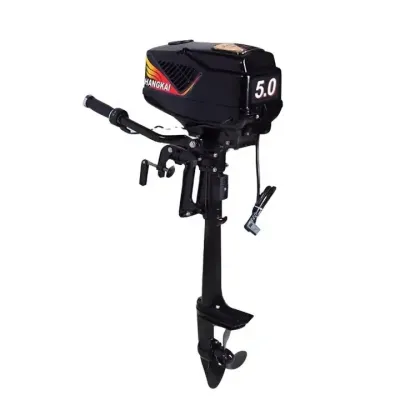
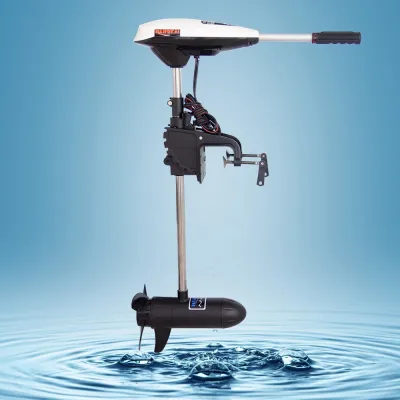
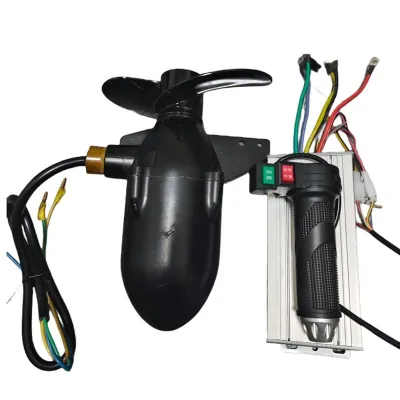
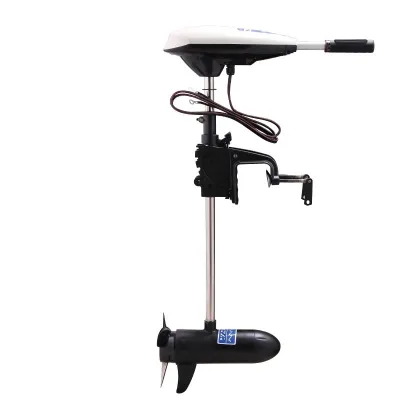
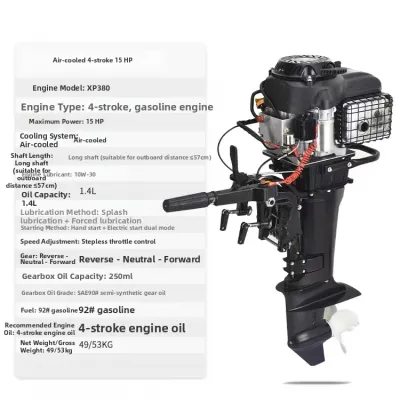

Prices are valid at publication and may change. Please refer to the product page for the latest price.
Once you have a realistic estimate of your total loaded weight, consult the motor manufacturer’s official thrust-to-weight charts. While generic rules of thumb exist, they do not account for specific hull designs or motor efficiencies. Relying on the manufacturer’s tested specifications ensures you select a motor rated to handle your specific weight class under normal operating conditions.
Additionally, factor in the environmental conditions of your primary boating locations. Navigating calm inland lakes requires far less effort than handling coastal waters or rivers with strong currents. If you regularly encounter stiff headwinds or tidal flows, select a motor with a higher thrust margin to ensure you can safely make headway when returning to shore.
Matching Voltage, Power, and Battery Systems
Selecting the right battery setup requires matching the electrical demands of your electric outboard motor boat to a battery chemistry that fits within your boat’s weight capacity. Begin by checking the motor’s nameplate or technical manual for its required operating voltage—typically 12V, 24V, or 48V—and its maximum current draw in amperes. Operating a motor at the incorrect voltage can cause permanent damage to the internal electronics or result in severe underperformance.

When choosing a battery chemistry, compare the weight-to-capacity ratios of Lithium Iron Phosphate (LiFePO4) and traditional deep-cycle lead-acid or Absorbed Glass Mat (AGM) batteries. In small watercraft like kayaks or small inflatable boats, payload capacity is highly limited. While lead-acid batteries are widely available, their heavy weight can quickly exhaust your boat’s safe carrying capacity. Lithium batteries offer a much higher energy density, providing longer runtimes at a fraction of the weight, keeping your vessel well within its safe draft limits.
Finally, verify that the battery’s built-in Battery Management System (BMS) continuous discharge rating exceeds the motor’s peak amperage draw. If your motor draws 50 amps at full throttle while your battery’s BMS is only rated for a continuous discharge of 30 amps, the system will automatically shut down to protect itself, leaving you stranded in open water.
Verifying Transom Limits and Shaft Length
Before mounting an electric outboard, ensure your boat’s structure can safely support the motor’s weight and operational torque. Locate the boat manufacturer’s capacity plate, typically riveted to the transom or inner hull. This plate lists the maximum allowable motor weight and horsepower equivalent; exceeding these limits can compromise stability, lower the stern dangerously close to the waterline, or cause structural failure.
Choosing the correct shaft length is equally critical to achieving proper propulsion. Measure the distance from the top of your transom mount down to the water line. The propeller must sit fully submerged—usually between 15 and 20 centimeters below the surface—to prevent cavitation, which occurs when the propeller draws air from the surface, causing a loss of thrust. Conversely, an excessively long shaft creates unnecessary drag and raises the risk of striking underwater obstacles in shallow areas.
Before clamping or bolting the motor, perform a physical inspection of the mounting area. Check for structural stress, hairline cracks, or soft spots in the fiberglass or wood core. High humidity and tropical heat can accelerate the rot of wooden transom cores if water has penetrated the fiberglass skin. If you detect any flexing, do not mount the motor until a qualified professional has repaired or reinforced the transom.
Electrical Safety and Overload Prevention
Proper circuit protection is essential to safeguard your boat’s electrical system from short circuits, overheating, and fire hazards. Always install a marine-rated manual-reset circuit breaker or fuse on the positive power cable between the battery and the motor. This breaker must match the specific amperage rating recommended in your motor’s user manual to ensure it trips immediately if the propeller becomes tangled in weeds or strikes an underwater object, preventing the motor from drawing excessive current.
The wiring connecting your battery to the motor must also be rated for marine environments. Use high-quality, tinned copper marine-grade wire of the correct gauge for the length of the run. Standard automotive copper wire corrodes rapidly when exposed to humid, salty air, leading to high resistance, significant voltage drop, and dangerous heat buildup. Refer to standard marine wiring charts to select the appropriate gauge; longer wire runs always require thicker wire to carry the same current safely.
Always remain vigilant for warning signs of electrical overload while on the water. If you experience tripped circuit breakers, notice hot electrical connectors, smell burning insulation, or experience unexpected BMS shutdowns, stop operating the motor immediately. Turn off the main power switch, disconnect the battery terminals, and inspect the entire electrical run for loose connections or corrosion before attempting to restart the motor.
Frequently Asked Questions (FAQ)
Can I use a standard automotive battery for an electric outboard?
No, standard automotive batteries are designed to deliver a short, high-amperage burst of current to start an internal combustion engine, after which they are immediately recharged by an alternator. They are not built to withstand the continuous, deep discharge cycles required by an electric outboard motor boat. Using a car battery in this application will cause rapid capacity loss, extremely short runtimes, and permanent internal damage within just a few outings. Always use dedicated deep-cycle marine batteries designed for sustained power delivery.
What happens if my motor thrust is too low for my boat weight?
Using an underpowered motor compromises both performance and safety. You will experience sluggish acceleration, poor maneuverability, and an inability to steer effectively, especially when trying to dock or avoid obstacles. More critically, an underpowered motor will struggle to make headway against strong winds, tides, or river currents, potentially leaving you stranded. To compensate, you will be forced to run the motor at full throttle constantly, which drains your battery rapidly and risks overheating the motor’s internal components.
Community discussion
Share your experience or ask a question. Comments are reviewed before publication.