
To catch fish consistently, you must match your lure to the natural prey of your target species while adapting to the immediate water conditions. This means selecting a lure that mimics the size, profile, and swimming action of local baitfish, insects, or crustaceans. The primary variables that dictate your success are the lure type, the depth at which the fish are holding, and your retrieval speed.
In tropical environments like the Philippines, local forage bases—such as small freshwater shrimp, tilapia fingerlings, or coastal sardines—and seasonal weather patterns like monsoon rains heavily influence what fish are eating. By understanding how these factors interact, you can systematically narrow down your tackle box to the most effective options for any given day on the water.
Understanding the Four Main Types of Fishing Lures
Crankbaits
Crankbaits are hard-bodied lures designed to dive when retrieved, featuring a plastic or metal lip at the front. The size and angle of this lip determine how deep the lure will dive and how aggressively it will wobble. A wider, more horizontal lip keeps the lure shallow, while a long, angled lip pulls it deep into the water column. These lures are excellent for mimicking fleeing baitfish, as their rapid side-to-side action sends out strong vibrations that predatory fish can detect from a distance.
Products mentioned in this guide
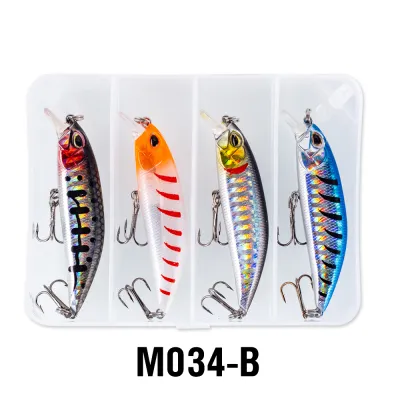
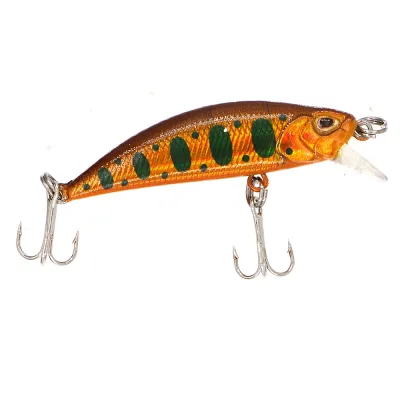
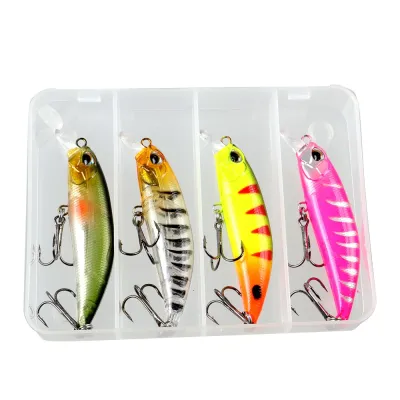
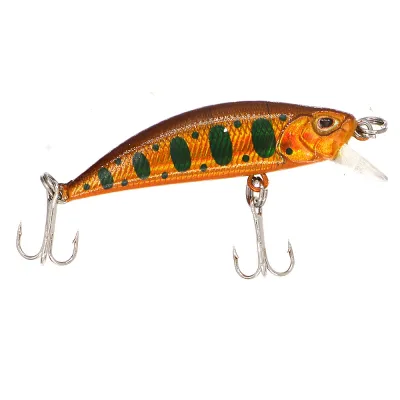
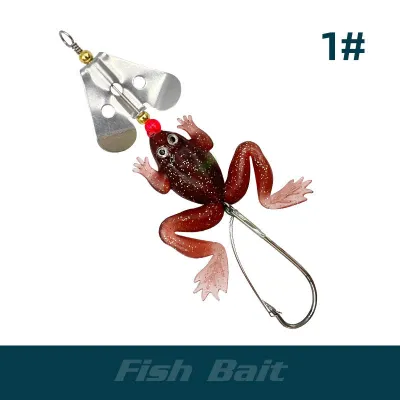
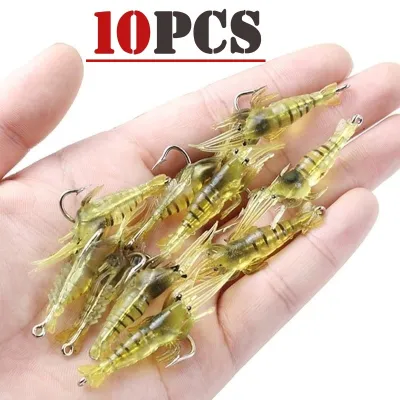
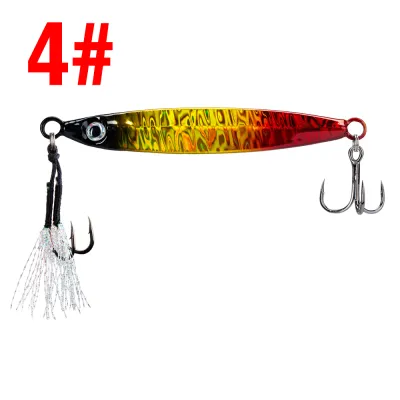
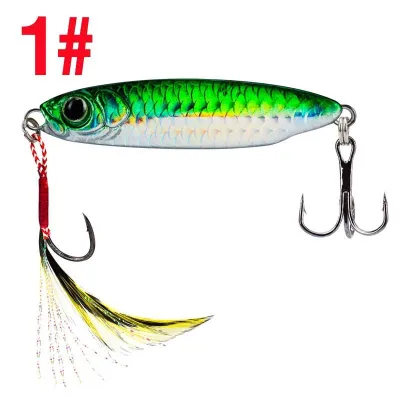
Prices are valid at publication and may change. Please refer to the product page for the latest price.
Jigs
Jigs consist of a lead, tungsten, or brass weighted head molded onto a single hook, often dressed with a silicone skirt, bucktail hair, or a soft plastic trailer. Jigs are designed for vertical presentations and bottom-bouncing techniques. Because they sink quickly, they allow you to maintain direct contact with the bottom, making them highly effective for targeting fish that hide in deep structures, submerged timber, or rocky drop-offs.
Soft Plastics
Soft plastics are highly versatile lures molded from pliable plastisol to resemble worms, lizards, frogs, crawfish, or swimbaits. Their primary advantage is their adaptability; you can rig them in numerous ways to target different depths and cover types. For instance, rigging a soft plastic worm “Texas-style” buries the hook point inside the plastic body, making it highly weedless and allowing you to pull it through thick aquatic vegetation without snagging.
Spoons
Spoons are simple, curved metal lures that mimic the flashing, wobbling motion of an injured baitfish. When retrieved or allowed to flutter down through the water column, they catch and reflect available sunlight, creating a highly visible flash. Spoons are exceptionally effective for covering vast expanses of open water. They rely heavily on a predatory fish’s sight and lateral line senses, triggering aggressive reaction strikes even when fish are not actively feeding.
Matching Lure Action to Target Fish Feeding Zones
Bottom Dwellers and Structure Huggers
Species like striped snakehead or bottom-dwelling groupers often hold tight to underwater structures, rocks, or thick weed beds. To target these fish, you need lures that can penetrate cover and stay in the strike zone near the bottom. Heavy jigs, weighted soft plastic craws, and deep-diving crankbaits that bounce off rocks are ideal. Bouncing your lure directly off the structure mimics a crab or small fish seeking shelter, which triggers instinctive predatory strikes.

Mid-Water and Suspended Feeders
Predatory fish like barramundi or mangrove jack frequently suspend in the middle of the water column, waiting near bridge pilings, mangrove roots, or drop-offs. To target these suspended fish, use suspending crankbaits or paddle-tail soft plastic swimbaits. Suspending hard baits are engineered to stop and hover at a specific depth when you pause your retrieve, keeping the lure directly in the fish’s line of sight for longer periods.
Surface and Shallow Predators
When the sun is low during early mornings or late afternoons, or when heavy cloud cover rolls in, fish often move to the shallows or feed directly at the surface. This is the prime time for topwater lures like poppers, prop baits, or walking baits. The splashing, spitting, and chugging sounds of a topwater lure mimic a struggling insect or injured baitfish on the surface, provoking explosive surface strikes.
Safety and Regulations
Before heading out, always verify local municipal fishing regulations, seasonal closures, and species-specific size limits. When fishing in deep reservoirs, coastal estuaries, or fast-flowing rivers, prioritize personal safety. Ensure you wear a properly fitted personal flotation device, monitor local weather advisories for sudden tropical storms, and carry a basic first-aid kit. No piece of high-end tackle can substitute for sound judgment and situational awareness on the water.
Adjusting Lure Color and Vibration for Water Conditions
Water Clarity
The clarity of the water should dictate the color palette of your lures. In clear water, fish rely heavily on their vision, making realistic, translucent, or natural colors (such as olive, brown, or clear silver) the most effective choices. If you use overly bright or unnatural colors in clear water, you risk spooking wary fish. Conversely, in stained, muddy, or turbid water—often caused by heavy tropical rains or agricultural runoff—fish struggle to see. In these conditions, opt for highly visible colors like bright chartreuse, solid black, or dark purple to create a distinct silhouette against the murky background.
Light and Weather
Sunlight penetration changes how lures look underwater. On bright, sunny days, metallic finishes like chrome, gold, or silver flash intensely, drawing attention from long distances. However, under heavy overcast skies or during low-light hours, these metallic flashes lose their intensity. In low-light conditions, subtle matte finishes, high-contrast two-tone patterns, or lures with slower, more exaggerated actions are more effective at helping fish track the bait.
Vibration and Sound
When visibility drops to near zero, fish rely almost entirely on their lateral line—a sensory organ that detects vibrations and pressure changes in the water. To help fish locate your lure in muddy water or thick cover, select lures that generate significant physical disturbance. This includes crankbaits with internal brass or glass rattles, spinnerbaits with large blades that thump heavily during the retrieve, or soft plastics with deeply ribbed bodies that displace more water as they move.
Your Step-by-Step Lure Selection Checklist
- Step 1: Identify the Target Species and Local Forage
Research the specific fish you want to catch and find out what they are currently feeding on in that specific body of water. If the local lake is full of small freshwater shrimp, a small, slow-sinking soft plastic creature bait will outperform a large, aggressive crankbait.
- Step 2: Assess the Environment
Observe the water depth, clarity, and the presence of underwater obstacles like submerged trees, rocks, or weeds. Choose a lure that can run at the correct depth without constantly snagging on the bottom or getting tangled in vegetation.
- Step 3: Select a Versatile Spread
Do not rely on a single lure. Pack two to three different lure types that allow you to cover different depths and retrieval speeds. This preparation ensures you can quickly adapt if the fish move deeper as the sun rises or if the wind picks up and muddies the water.
- Step 4: Verify Your Tackle Integrity
Before tying on your selected lure, inspect the hardware. Check that the hooks are sharp, the split rings are not bent or rusted, and your line weight matches the lure’s specifications. Heavy lures on thin lines can snap during casting, while light lures on heavy lines will lose their natural swimming action.
Frequently Asked Questions (FAQ)
Do I need to buy expensive brand-name lures to catch fish?
No, you do not need to spend a fortune on premium brand-name lures to catch fish consistently. While high-end lures often feature highly detailed paint jobs and precise, pre-tuned swimming actions, budget-friendly options can be just as effective if fished correctly. The most critical factor is the quality of the hardware. If you purchase budget lures, inspect the hooks and split rings; replacing dull or weak factory hooks with sharp, high-quality aftermarket hooks is a cost-effective way to dramatically improve your hook-up ratio without buying expensive lures. Additionally, consulting local tackle shops can guide you toward affordable, regionally proven patterns that match local conditions perfectly.
How often should I replace my soft plastic lures?
You should replace your soft plastic lures whenever they show clear signs of physical wear that compromise their action or rigging security. Inspect the plastic body for deep tears, stretched-out hook holes, or a limp, torn nose where the hook exits; these damages will cause the lure to slide down the hook shank or swim unnaturally. Additionally, check for a melted or sticky texture, which occurs when different types of soft plastics are stored together in hot, humid conditions. If a soft plastic is only slightly torn, you can often salvage it by cutting off the damaged tip and rigging it on a smaller jig head, or by using a drop of specialized soft plastic glue to seal the tear.
Community discussion
Share your experience or ask a question. Comments are reviewed before publication.