
Men experiencing knee pain need to match the specific type of knee support—whether a flexible compression sleeve, a targeted patellar strap, an adjustable dual-strap brace, or a rigid hinged brace—to the precise nature of their discomfort and activity level. Choosing the wrong support can lead to restricted circulation, skin irritation in humid tropical climates, or inadequate joint stabilization. By identifying whether the pain stems from general stiffness, localized kneecap pressure, or structural instability, you can select a tool that aids your daily movement while keeping your joints secure.
Identifying Your Knee Pain Signals Before Choosing a Support
Before purchasing any knee support, you must pay close attention to how and when your knee hurts. Knee discomfort is not uniform, and a support designed for one issue might be useless or uncomfortable for another. Start by observing the physical sensations during your daily routine, whether you are walking through a humid shopping mall, climbing stairs, or playing basketball on a local concrete court.
General stiffness and a dull, aching sensation often point to mild joint fatigue or early wear. This type of discomfort typically feels worse in the morning or after sitting for a long period in an air-conditioned office, but it gradually improves as you start moving and the joint warms up. This is common during daily walking or after long periods of inactivity.
Products mentioned in this guide
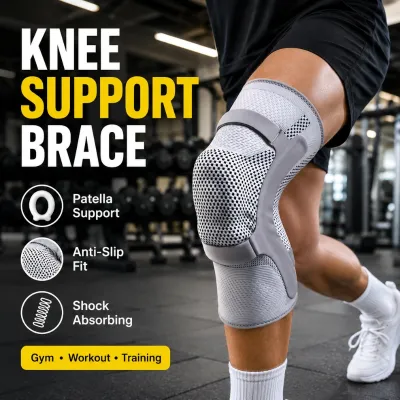
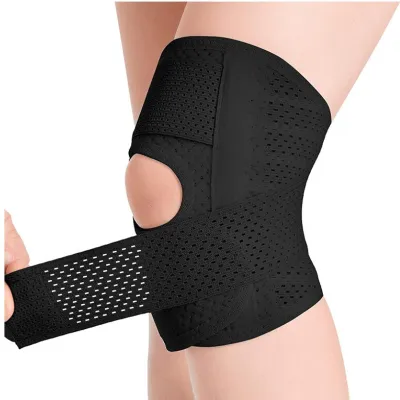
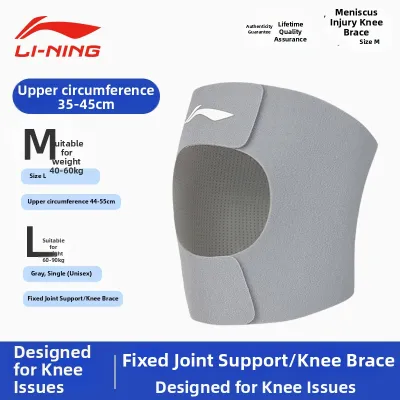
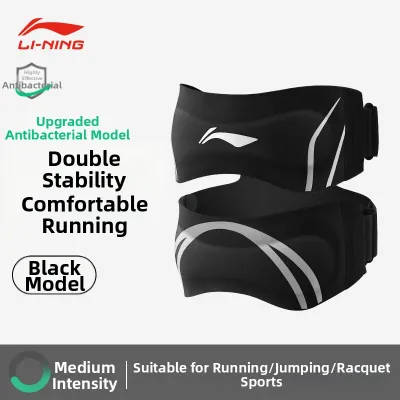
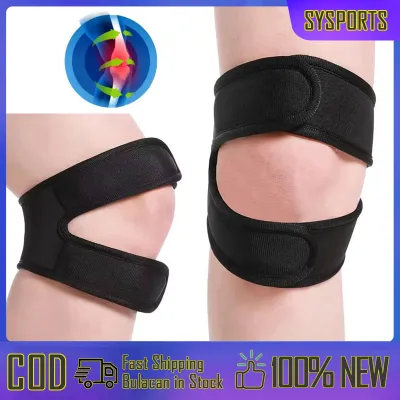
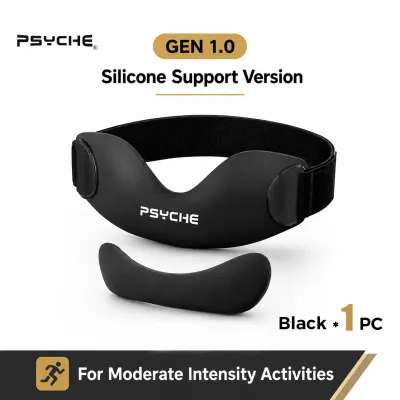
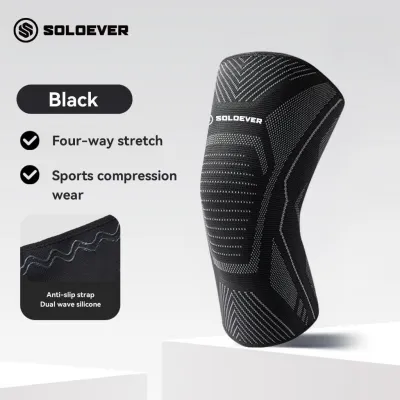
Prices are valid at publication and may change. Please refer to the product page for the latest price.
In contrast, localized sharp pain right below the kneecap usually signals repetitive strain on the patellar tendon. This sharp discomfort is highly specific and typically flares up during high-impact activities, such as running, jumping, or descending steep stairs, and subsides when you rest. It is often triggered by sudden changes in training intensity or playing on hard outdoor surfaces.
A feeling of joint instability, where the knee feels weak, gives way, or wobbles side-to-side, indicates potential ligament issues. This sensation of the joint “catching” or failing to support your body weight is fundamentally different from muscle soreness and requires a more structured approach to stabilization. It often occurs after a sudden twist or impact during sports.
While self-care and supports can manage mild to moderate discomfort, you must recognize immediate red flags that require professional medical evaluation. If you experience severe swelling, visible joint deformity, an inability to bear any weight on the leg, or a sudden “locking” of the joint, bypass retail supports entirely and consult a doctor immediately. Attempting to push through these symptoms with a basic brace can lead to long-term joint damage.
Matching Knee Support Categories to Specific Pain Conditions
Knee Sleeves for Mild Stiffness and Compression
Knee sleeves are pull-on elastic or neoprene sleeves that provide uniform compression around the entire joint. They are designed to retain local warmth and improve proprioception, which is your body’s awareness of the joint’s position. This helps you move more mindfully during daily tasks.

These are best suited for mild, general aches, chronic stiffness, or minor swelling. If you experience a dull ache during daily walks or light workouts, a sleeve offers comfortable, low-profile support that fits easily under trousers or athletic shorts. They are excellent for maintaining joint warmth during transitions from air-conditioned offices to warm outdoor environments.
In warm, tropical climates like the Philippines, look for breathable, 3D-knit fabrics rather than thick neoprene. Knit materials allow sweat to evaporate quickly, reducing the risk of heat rashes and skin irritation during extended wear. Ensure the sleeve features silicone grip strips at the top collar to prevent it from sliding down during movement.
Patellar Straps for Targeted Kneecap Relief
A patellar strap is a narrow band worn directly below the kneecap. It works by applying focused pressure to the patellar tendon, which helps distribute forces away from the tendon insertion point during repetitive movements. This targeted pressure helps stabilize the kneecap’s tracking path.
This type of support is highly effective for localized pain below the kneecap, often associated with activities like running, basketball, or badminton. Because it covers a minimal surface area, it is exceptionally cool and comfortable to wear in hot weather, making it ideal for outdoor activities in hot weather.
Verify that the strap features an adjustable hook-and-loop closure and a non-slip inner lining, allowing you to customize the pressure without the band sliding down your leg during intense movement. The strap should be tight enough to provide firm pressure but not so tight that it restricts deep knee bending or causes throbbing.
Wraparound or Dual-Strap Braces for Adjustable Support
Wraparound braces feature open-patella designs and adjustable straps that cross above and below the knee. They offer a middle ground between simple compression sleeves and rigid braces, providing mild structural reinforcement. This design helps keep the kneecap aligned while reducing direct pressure.
These braces are ideal for moderate instability, mild ligament fatigue, or managing fluctuating swelling. Because they wrap around the leg rather than sliding on, they are easier to put on over swollen joints or bulky clothing, and the tension can be adjusted throughout the day as swelling changes.
When selecting a wraparound brace, look for models with breathable mesh backing panels. This design feature prevents sweat from pooling behind the knee, which is a common source of chafing and discomfort during long walks or outdoor chores in humid weather.
Hinged Braces for Significant Instability and Recovery
Hinged braces incorporate rigid metal or plastic hinges on the sides of the knee to prevent lateral movement and control the joint’s range of motion. They provide maximum mechanical stabilization, protecting the lateral and medial collateral ligaments from excessive side-to-side stress.
These are generally reserved for significant ligament issues, severe joint instability, or post-surgical recovery. They should typically be used under the direct guidance of a healthcare professional or physical therapist who can set the correct range-of-motion limits on the hinges.
Avoid self-prescribing a rigid hinged brace for minor aches, as unnecessary restriction of joint movement can lead to muscle weakness and joint stiffness over time. If your recovery requires a hinged brace, ensure the hinges are removable so you can wash the fabric sleeve thoroughly.
Ensuring Proper Fit and Safe Usage for Active Men
An ill-fitting knee support can cause more harm than good, either by failing to stabilize the joint or by cutting off circulation. To ensure proper fit, always refer to the manufacturer’s specific sizing chart rather than guessing based on your standard clothing size. Sizing standards vary significantly between brands.
Use a flexible measuring tape to measure the circumference of your leg at the exact points specified by the brand, which typically include the center of the kneecap, mid-thigh, or upper calf. If your measurements fall between two sizes, it is generally safer to choose the larger size to avoid excessive constriction.
Once you put the support on, perform a quick movement check to verify the tightness. The material should feel snug and supportive, but it must not cause numbness, tingling, coldness in your foot, or deep red indentations on your skin. You should be able to slide two fingers comfortably under the top band of the support.
Maintaining proper hygiene is crucial, especially in humid environments where sweat and bacteria accumulate quickly. Wash your knee support regularly according to the care label, and consider wearing a thin, moisture-wicking liner underneath if you have sensitive skin or experience chafing during heavy workouts.
Safety Boundaries: When to Stop and Seek Professional Care
It is vital to remember that a knee support is a supplementary tool, not a cure for underlying joint damage. While a brace or sleeve can help manage symptoms and keep you active, it cannot repair torn ligaments or reverse structural wear. Relying solely on a support without addressing the root cause of your pain can lead to chronic joint issues.
If your knee pain persists, intensifies, or fails to improve after a few weeks of rest and consistent support use, stop self-management immediately. Relying on a brace to mask worsening pain can lead to further joint degradation and delayed healing. Masking pain with compression can result in accidental overexertion.
Avoid using rigid or hinged braces for undiagnosed acute injuries without professional guidance. Restricting joint movement incorrectly can alter your gait, placing unnatural stress on your hips, ankles, and the opposite knee. This compensatory movement can trigger secondary pain in other parts of your body.
For long-term joint health, combine temporary knee support with targeted physical therapy, muscle strengthening exercises, and adequate rest. Consult a qualified healthcare professional to develop a comprehensive recovery plan tailored to your specific condition.
Frequently Asked Questions (FAQ)
Can I wear a knee sleeve all day for general knee pain?
While you can wear a compression sleeve for several hours during physical activity or daily chores, continuous 24/7 wear is generally discouraged. Your skin needs time to breathe to prevent sweat buildup and irritation, especially in warm climates. Remove the sleeve during sleep or prolonged periods of sitting unless a healthcare provider has specifically instructed you otherwise.
How do I clean and maintain my knee brace to prevent skin irritation?
To preserve the elasticity of compression fabrics and the grip of velcro straps, hand-wash your knee support in cool water using a mild soap. Avoid machine washing, fabric softeners, and direct heat sources; instead, lay the support flat to air-dry. Regularly inspect the seams, silicone grips, and straps for signs of wear that could compromise the support’s effectiveness.
Should I wear knee support on both legs if only one knee hurts?
Generally, you should only wear a knee support on the affected joint to avoid restricting natural movement and causing muscle dependency on your healthy leg. However, wearing light compression sleeves on both knees can be beneficial as a preventive measure during heavy bilateral activities, such as squats or high-impact sports, provided it feels comfortable and does not restrict your natural range of motion.
Community discussion
Share your experience or ask a question. Comments are reviewed before publication.