
Matching a popping fishing rod to your target game fish requires balancing rod power, action, and length against the specific fighting style and habitat of the fish. For reef-dwelling predators like Giant Trevally (GT), you need a stiff, fast-action rod to steer them away from sharp coral. For open-water pelagics like tuna, a moderate-action rod cushions long, deep-diving runs and reduces angler fatigue. For heavyweight billfish like marlin, extreme lifting power and reinforced blanks are mandatory to handle massive drag settings.
In the tropical waters of the Philippines, where strong currents, high humidity, and jagged reef drop-offs are common, selecting the correct rod specifications is the difference between landing a trophy catch and suffering a catastrophic gear failure. Anglers must evaluate their physical capabilities alongside their gear, as heavy-tackle popping is a highly demanding sport where equipment cannot replace proper technique, physical conditioning, and safety awareness.
Understanding Core Popping Rod Specifications
To select the right tool, you must first understand how rod power, action, and length interact under load. Rod power refers to the rod’s resistance to bending and is typically rated by line class (often using the PE rating system for braided lines) and castable lure weight in grams. This rating dictates the “backbone” available in the lower section of the rod blank, which provides the lifting force needed to pump a heavy fish up from the depths.
Products mentioned in this guide
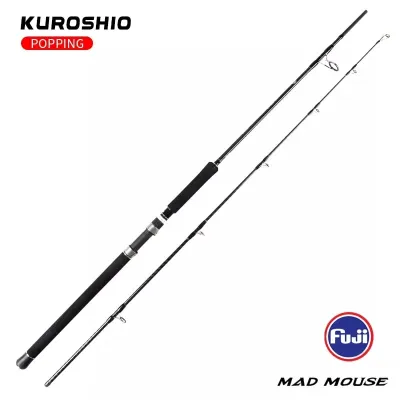
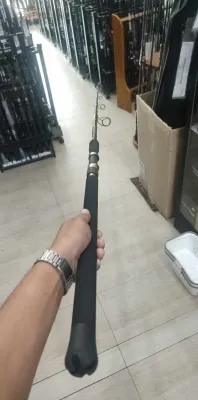
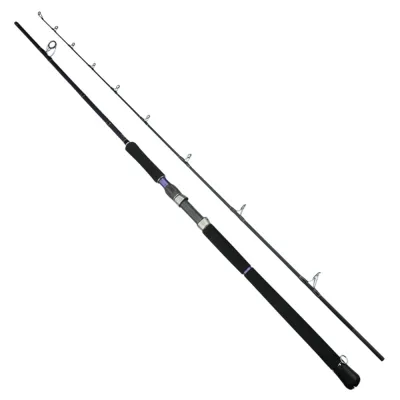
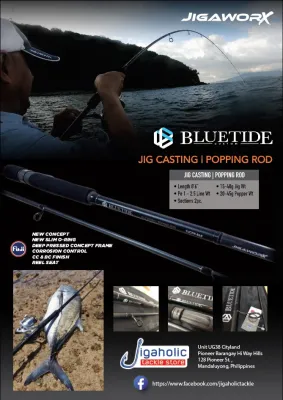
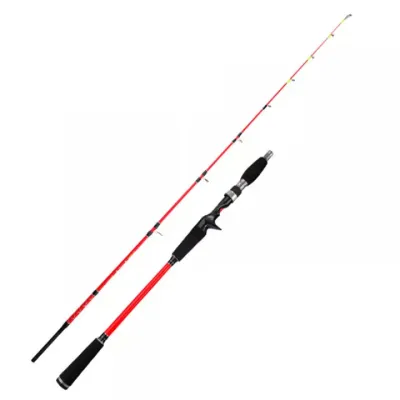
Prices are valid at publication and may change. Please refer to the product page for the latest price.
Rod action describes where the blank bends when pressure is applied. Fast-action rods bend primarily in the top third of the blank, offering quick recovery and precise control over large, cup-faced poppers. Moderate or slow-action rods bend deeper down toward the middle of the blank, which absorbs the shock of sudden runs and makes casting heavy stickbaits smoother over long, exhausting sessions.
Rod length is a critical factor for casting distance and line management. Most saltwater popping rods range from 7.6 to 8.6 feet. While a longer rod helps you cast further and keep your line clear of surface waves, it also acts as a longer lever against you during a vertical fight. Anglers must match the rod length to their own physical height and strength to avoid excessive fatigue or injury during extended battles.
Matching Specs for Giant Trevally (GT) and Reef Predators
Giant Trevally are famous for their explosive surface strikes and immediate, powerful runs toward the nearest sharp coral structure. To stop a large GT from cutting your line on the reef, you need a heavy or extra-heavy power rod, typically rated for PE 8 to PE 10 lines. This provides the immense lifting power required to lock down your reel’s drag and steer the fish into safer, deeper water.

Working large, cup-faced poppers requires a rod with a stiff tip, which corresponds to a fast action. The fast recovery allows you to pull the popper through the surface film to create a loud, deep “bloop” sound without the rod tip absorbing too much of the energy. A soft tip will bend too easily, dampening the lure’s action and reducing its effectiveness in attracting predators from the depths.
For GT popping from a boat deck or rocky shoreline, a length of 7.8 to 8.2 feet is generally preferred. This range offers a practical compromise, providing enough length to cast heavy lures while keeping the leverage manageable when a fish is fighting directly underneath the boat. Anglers must maintain a low rod angle during these close-quarters fights; high-sticking (raising the rod past a 60-degree angle) concentrates the load on the tip and can cause the blank to shatter instantly.
Matching Specs for Tuna and Offshore Pelagic Species
Yellowfin tuna and other offshore pelagics are typically fought in deep, open water where reef cut-offs are less of a concern, but endurance is key. Rods rated for PE 5 to PE 8 are highly effective for this style of fishing. These rods are designed to cast lighter, aerodynamic stickbaits as well as medium-sized poppers into feeding schools.
Tuna fights are long, grueling battles characterized by deep, circular runs directly under the boat. A moderate or moderate-fast action rod is ideal because the deeper bend cushions the angler’s back and arms, absorbing the rhythmic head shakes and sudden downward surges. This shock absorption prevents premature fatigue, allowing you to maintain steady pressure on the fish over hours of fighting.
Offshore tuna often feed on fast-moving bait schools that are easily spooked by boat engines. A longer rod of 8.2 to 8.6 feet allows you to launch stickbaits from a distance, ensuring your lure lands directly in the feeding zone before the school dives. However, ensure you have the physical core strength to handle the leverage of an 8.6-foot rod under heavy load, as a longer blank increases the physical strain on your lower back.
Matching Specs for Marlin and Heavyweight Bluewater Game
Targeting billfish like marlin on spinning tackle requires specialized, heavy-duty popping rods designed for extreme drag settings. These blanks must be rated for PE 10 or higher and capable of casting heavy surface lures up to 200 grams or more to trigger aggressive surface strikes from these massive predators.
The blank construction must feature multi-directional carbon wrapping or reinforced spiral construction to withstand high-drag fights and sudden directional changes. These manufacturing techniques prevent the blank from twisting or flattening under extreme pressure. Before attempting to target billfish, anglers must verify that their physical fitness, harness systems, and boat positioning tactics are fully prepared for the immense forces involved.
A long, heavy-duty EVA foregrip is essential for two-handed leverage during extended battles. The rod butt must feature a durable gimbal, allowing you to lock the rod securely into a fighting belt or harness to distribute the load to your hips and legs. Without a proper harness and correct posture, attempting to fight a heavyweight pelagic fish with high drag settings can result in severe physical strain or loss of control.
Balancing the Rod with Reel and Line Class
A high-performance popping rod is only as good as the tackle system supporting it. Always match your braided line’s breaking strain to the PE rating printed on the rod blank. Using a line that exceeds the rod’s maximum rating can result in a broken blank if the drag is set too high, while using too light a line risks premature break-offs and lost gear.
Align your rod’s power with your reel’s maximum drag output to prevent structural failure under peak load. A rod rated for a maximum drag of 10 kilograms at a 45-degree angle should never be paired with a reel locked down to 15 kilograms of drag. Anglers should use a spring scale to calibrate their drag settings before heading out, ensuring the drag slips well before the rod reaches its breaking point.
Heavy saltwater spinning reels exert massive torque on the reel seat during a fight. Verify that the rod features a heavy-duty, double-locking nut system on the reel seat to prevent the reel from wobbling or backing off during high-pressure angling. A loose reel seat can cause you to lose control of the rod during a critical moment in the fight.
Evaluating Build Quality and Saltwater Durability
The humid, high-salinity marine environments of tropical fisheries demand exceptional build quality to prevent gear failure. Look for heavy-duty, corrosion-resistant guide frames, such as titanium or high-grade stainless steel, paired with silicon carbide (SiC) or similar ceramic inserts. These materials dissipate the intense heat generated by high-speed runs of pelagic fish, protecting your braided line from melting or fraying.
Inspect the guide wraps for thick, uniform epoxy coatings that seal out saltwater and prevent corrosion from forming underneath the guide feet. Metal components, including the reel seat hoods and gimbal butts, should feature anodized finishes to resist the corrosive effects of salt spray.
Before purchasing, check the manufacturer’s warranty terms regarding saltwater use and accidental breakage. Because popping puts extreme stress on graphite blanks, understanding the replacement policies and availability of spare tip sections is crucial for long-term peace of mind. Always inspect your rod for any hairline cracks or guide damage before every trip, as minor transport damage can lead to catastrophic failure under load.
Frequently Asked Questions (FAQ)
Can one popping rod handle both GT and tuna?
Yes, a versatile PE 6 to PE 8 rod measuring around 8.0 feet can serve as a compromise for both species. However, you will face trade-offs: it may lack the extreme stiffness needed to work massive GT poppers effectively near shallow reefs, and it will place more physical strain on your back during a prolonged, deep-water tuna fight compared to a specialized moderate-action rod.
How should I maintain my rod after saltwater use?
After every trip, rinse the rod thoroughly with lukewarm fresh water to remove salt deposits, paying close attention to the guide frames and reel seat threads. Dry the rod completely with a soft cloth, inspect the ceramic guide inserts for hairline cracks that could cut your line, and store it vertically in a cool, dry place away from direct sunlight to prevent UV degradation of the epoxy.
Community discussion
Share your experience or ask a question. Comments are reviewed before publication.