
Finding the right ankle support for pain requires matching the specific mechanical needs of your joint to the structural design of the support. Whether you are dealing with a sudden sports injury, managing chronic arthritis discomfort aggravated by humid weather, or recovering from a severe sprain, the correct device can make a significant difference in your daily mobility. Ankle supports are not one-size-fits-all; they range from lightweight compression sleeves to highly structured rigid braces, each serving a distinct therapeutic purpose.
Identify Your Ankle Pain Signals and Triggers
To select the most effective ankle support for pain, you must first analyze the specific characteristics of your discomfort. Acute injuries typically present with sharp, sudden pain immediately following a twist or impact, often accompanied by rapid swelling and bruising. In contrast, chronic conditions like arthritis or tendonitis tend to manifest as a dull, persistent ache, often accompanied by morning stiffness that gradually eases with movement.
Pay close attention to mechanical symptoms during your daily activities. If your ankle feels unstable or gives way when walking on uneven surfaces, you are likely dealing with ligament laxity that requires structural stabilization. Clicking, popping, or localized tenderness when pressing on specific areas of the joint can indicate structural wear or localized inflammation.
Products mentioned in this guide
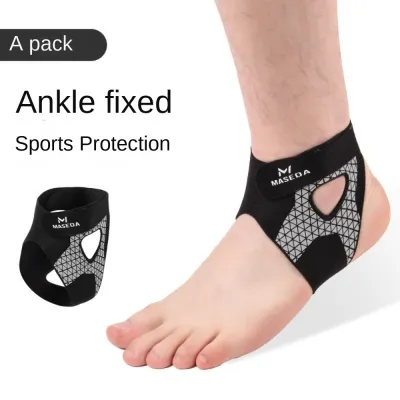
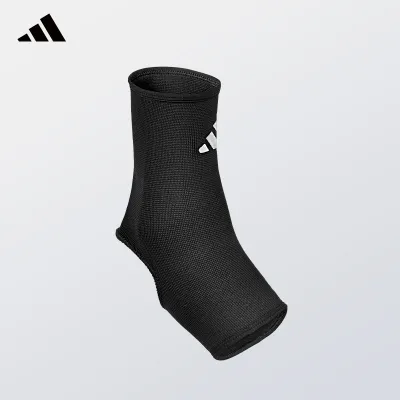
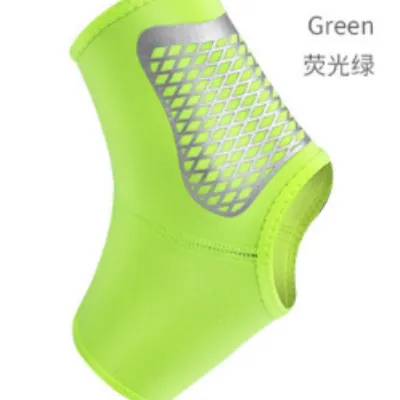
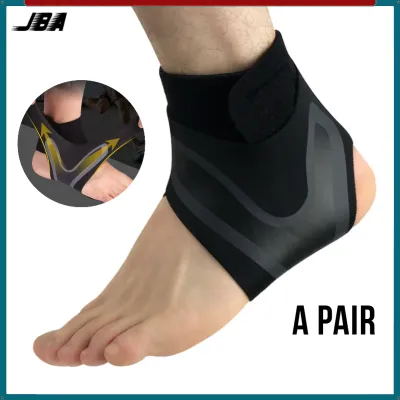
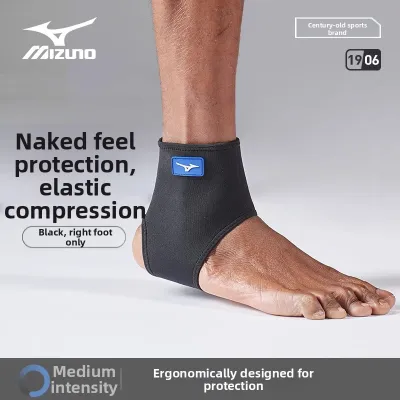
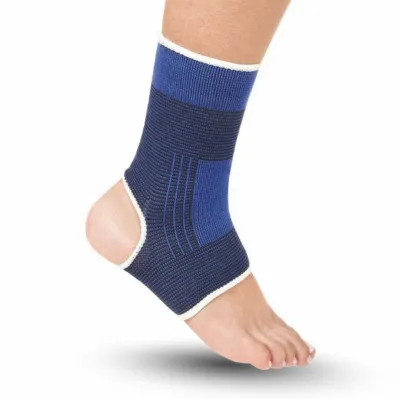
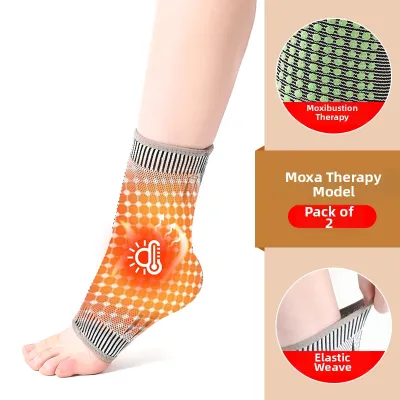
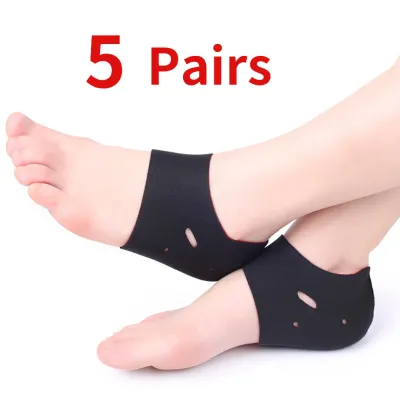
Prices are valid at publication and may change. Please refer to the product page for the latest price.
Before purchasing any device, always check the product labels and manufacturer indications. Reputable manufacturers clearly state whether a support is designed for mild compression, moderate stability, or rigid immobilization. Aligning these specifications with your observed symptoms prevents you from choosing a support that either under-protects a vulnerable joint or unnecessarily restricts healthy movement.
Match Your Pain Type to the Correct Ankle Support Category
Ankle supports are generally categorized into soft, semi-rigid, and rigid structures, each offering a different balance of mobility and stabilization. Soft supports, such as sleeves, prioritize compression and warmth, while semi-rigid options like wraps and lace-up braces use straps or inserts to limit lateral movement. Rigid supports completely restrict motion to protect healing bones or severely torn ligaments.

Evaluate your daily routine and the specific movements that trigger your pain. If your discomfort arises primarily during low-impact daily chores, a lightweight, flexible option may suffice. However, if you experience pain during lateral movements in sports like badminton or basketball, you will require a support that offers robust lateral reinforcement.
When shopping in the Philippines, you can compare options and budget in ₱ across reputable sports pharmacies, medical supply stores, and online marketplaces. Prices vary widely based on the complexity of the design, materials used, and built-in stabilization features.
It is vital to recognize that over-the-counter ankle supports are management tools designed to assist your recovery and daily comfort. They do not cure underlying structural damage or replace professional medical treatment. Using a support should always be part of a broader recovery strategy.
Compression Sleeves for Mild Swelling and Arthritis
Compression sleeves are soft, elastic slip-on garments designed to provide continuous, mild pressure and retain joint warmth. This category is best suited for individuals managing mild, generalized swelling, minor arthritis discomfort, or general muscle fatigue after long hours of standing. The compression helps promote blood flow and enhances proprioception—your body’s awareness of joint positioning—which can improve overall stability.
When selecting a sleeve, check the product tag for material breathability and elasticity retention. In hot and humid tropical climates, look for moisture-wicking knit fabrics rather than thick, non-breathable materials to prevent sweat accumulation and skin irritation.
Keep in mind that compression sleeves have clear limitations. They do not provide mechanical stability to prevent the ankle from rolling. If you have a ligament tear or severe joint instability, a simple sleeve will not offer sufficient protection against reinjury.
Adjustable Wraps for Moderate Instability and Edema
Adjustable wraps feature elastic or neoprene bands that wrap around the ankle in a figure-eight pattern, secured by hook-and-loop fasteners. These are ideal for managing fluctuating swelling (edema) and moderate joint instability, as they allow you to customize the level of compression throughout the day.
When applying an adjustable wrap, it is crucial to balance support with safety. Adjust the strap tension so that the joint feels secure and supported, but avoid pulling the straps so tight that they restrict blood flow or cause your toes to feel cold.
During use, monitor your skin for irritation, especially in humid weather where sweat can collect under neoprene straps. Check for material bunching around the heel or instep, which can cause painful friction or blisters when worn inside your daily footwear.
Lace-Up and Hinged Braces for Sprain Recovery
Lace-up and hinged braces provide semi-rigid support, making them the standard choice for recovering from moderate-to-severe ankle sprains or transitioning back into high-impact athletic activities. These braces mimic the protective taping techniques used by athletic trainers, utilizing rigid side stays, plastic inserts, or figure-eight straps to prevent the ankle from rolling outward or inward.
When evaluating these braces, verify the presence of structural elements like removable plastic stays, non-stretch nylon straps, or mechanical hinges that match your required range of motion. Hinged models allow normal forward and backward bending of the foot while strictly blocking harmful side-to-side movement.
Because semi-rigid braces are bulkier than sleeves, ensure the brace profile fits comfortably inside your specific athletic or daily footwear. You may need to loosen your shoe laces significantly or wear a slightly wider shoe to accommodate the brace without creating painful pressure points.
Rigid Supports for Severe Injuries and Immobilization
Rigid supports, including walking boots and stirrup braces with thick plastic shells, are designed to completely immobilize the ankle joint. These devices are strictly reserved for severe acute injuries, such as high-grade ligament tears, stable fractures, or post-surgical recovery where any joint movement could disrupt healing.
Because these devices alter your natural gait and completely restrict joint movement, they must only be worn under a doctor’s prescription. Strictly follow your healthcare provider’s specific weight-bearing instructions and wear schedules to avoid secondary complications in your knees or hips.
Recognizing when to transition out of a rigid support is critical. Prolonged immobilization can lead to severe muscle atrophy and joint stiffness, so always rely on professional medical advice to determine when it is safe to move to a semi-rigid brace or begin active rehabilitation.
Ensure Proper Fit, Wear, and Daily Maintenance
To maximize the benefits of your ankle support for pain, achieving an accurate fit is essential. Start by measuring your ankle and lower calf circumference using a flexible measuring tape, then compare these measurements directly against the manufacturer’s specific sizing chart. Do not rely on your standard shoe size, as ankle anatomy varies widely and a poorly fitting support can either fail to protect your joint or cut off circulation.
Once applied, adjust the fit to ensure normal blood circulation. You can verify this by checking your toe warmth and performing a capillary refill check: press firmly on your toenail until it turns white, then release it. The natural pink color should return within two seconds. If your toes feel cold, tingle, or turn blue, loosen the support immediately.
Proper maintenance is key to preserving the structural integrity of your support, especially in warm, humid environments where sweat and dirt accumulate quickly. Always follow the specific washing instructions on the care label. Generally, hand-washing in cool water with a mild detergent is recommended to preserve the elasticity of the fabrics.
Before washing, secure all hook-and-loop fasteners to prevent them from snagging the fabric or degrading over time. Avoid using fabric softeners or bleach, and always air-dry the support away from direct sunlight or high heat sources, which can warp plastic stays and degrade elastic fibers. Inspect the support regularly for worn-out straps, frayed seams, or cracked plastic components, replacing the device when it no longer provides secure stabilization.
Recognize Red Flags and When to Seek Professional Medical Care
While over-the-counter ankle supports are highly effective for managing minor discomfort and aiding recovery, they are not a substitute for professional medical evaluation. It is vital to recognize severe red flags that indicate a more serious injury requiring immediate clinical attention.
If you experience an inability to bear weight on the affected foot immediately after an injury, observe a visible deformity in the joint, or experience numbness, tingling, or coldness in your foot, seek emergency medical care. These symptoms can indicate a bone fracture, complete ligament rupture, or nerve and blood vessel compromise.
Understand that commercial supports cannot repair torn ligaments or correct chronic joint misalignment. They are designed to assist your body’s natural healing process, not replace targeted physical therapy, strength training, or surgical intervention when indicated.
If your pain worsens, swelling persists despite rest and compression, or your joint function fails to improve after a few weeks of consistent support use, stop self-care. Consult a qualified medical professional in the Philippines to obtain an accurate diagnosis, which may include imaging studies like X-rays or MRIs, and a customized rehabilitation plan.
Frequently Asked Questions (FAQ)
Can I wear an ankle support all day and while sleeping?
Generally, you should not wear compressive ankle supports while sleeping unless specifically directed by a medical professional. When you lie down, your blood circulation changes, and continuous compression can restrict blood flow, leading to numbness or skin irritation. Always check the manufacturer’s guidelines for continuous wear limits. It is important to remove the support during periods of rest to allow your skin to breathe and prevent moisture buildup, especially in humid climates.
Do ankle supports weaken the ankle muscles over time?
Prolonged, continuous use of highly supportive braces without active rehabilitation can lead to a reliance on external stabilization, which may weaken the surrounding muscles over time. To prevent this, balance the use of external joint support with targeted strengthening and balance exercises. Use the support during high-risk activities or when pain is present, but allow your ankle muscles to work naturally during low-impact daily movements as your recovery progresses.
How do I wash my ankle brace without damaging the materials?
To extend the lifespan of your ankle support, hand-wash it in cold water using a mild soap. If the care label permits machine washing, place the brace inside a mesh laundry bag and use a gentle cycle. Always secure all Velcro straps before washing to prevent them from snagging the fabric or collecting lint. Air-dry the brace completely in a well-ventilated area; never use a clothes dryer, as high heat can melt adhesive bonds, warp plastic inserts, and destroy elastic fibers.
Community discussion
Share your experience or ask a question. Comments are reviewed before publication.