
Choosing the right flotation gear for your child depends entirely on where they will be playing and how they will interact with the water. A pool session at a local resort requires a completely different level of support than an island-hopping boat trip across open coastal waters. Matching the gear to the specific activity ensures your child has the correct balance of mobility and buoyancy.
While many parents search for a versatile lifestyle vest for kids to cover all weekend activities, there is no single device that safely fits every water scenario. To keep your child safe, you must evaluate the water environment, read the manufacturer’s safety labels, and perform a physical fit check before every outing.
Understanding Flotation Device Categories for Children
Before purchasing any water safety gear, you must inspect the physical product tags and manufacturer specifications. These labels indicate whether the device is certified by relevant maritime or safety authorities and outline the specific activities for which it was designed. Never rely on aesthetic appeal or color alone; the printed safety rating is the only reliable indicator of a device’s intended use.
Products mentioned in this guide
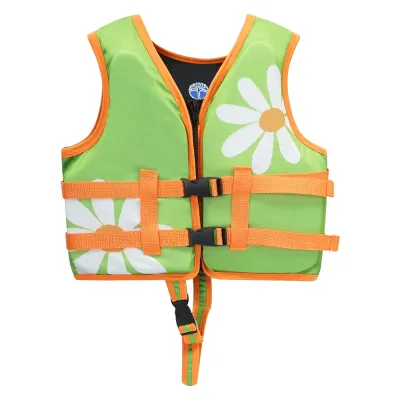
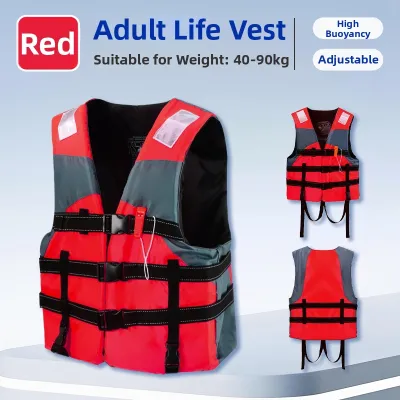
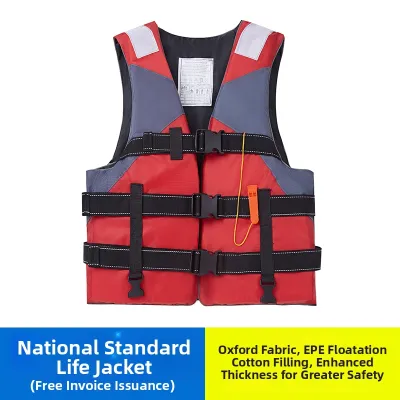
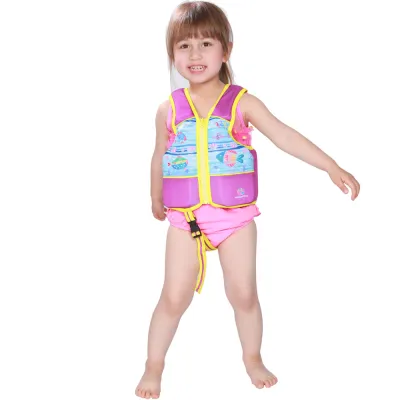
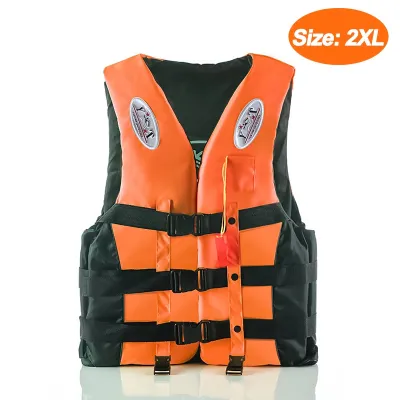
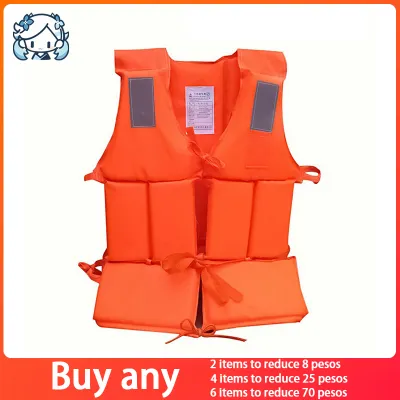
Prices are valid at publication and may change. Please refer to the product page for the latest price.
Weight and chest size ranges are mandatory selection criteria that you must verify before use. Unlike children’s clothing, which is often bought a size larger to allow for growth, flotation gear must fit perfectly right now. A vest that is too large can easily slip over a child’s head in the water, rendering it completely ineffective.
It is also critical to distinguish between officially approved life jackets and recreational swim aids or inflatable toys. Approved life jackets undergo rigorous testing for buoyancy and structural integrity, whereas recreational toys are designed solely for play. Look for explicit certification language on the inner lining of the vest to ensure it is rated as a life-saving device rather than a pool toy.
Matching Flotation Gear to Specific Water Scenarios
Water environments vary dramatically, and these differences dictate the type of gear your child requires. Factors such as water depth, current strength, wave action, and even water temperature influence how a flotation device performs. A calm, shallow swimming pool presents very different risks compared to a tidal current or an open bay.

To build a targeted safety plan, you must match the specific water activity with the appropriate gear features. The following breakdowns highlight how different environments require distinct designs to keep your child safe and comfortable.
Boating, Kayaking, and Open Water Transit
When your family is on a boat, kayak, or transit vessel, the risk of unexpectedly falling into deep, moving water is much higher. For these activities, look for devices labeled specifically for open-water or boating use. Essential safety features to verify on the product label include dedicated head support collars to help keep the child’s face out of the water and secure crotch straps that prevent the vest from riding up.
Standard recreational swim aids are entirely insufficient for moving water or deep-water transit. They lack the structural reinforcement, heavy-duty buckles, and high-buoyancy ratings needed to keep a child stable in rough conditions. If a child falls from a moving boat, the impact requires a device designed to stay securely attached to the body.
Always check the manufacturer’s guidelines to confirm high-impact or open-water suitability. Some lifestyle vest for kids designs are rated only for calm, near-shore activities, while others are built to withstand the forces of active water sports. Verify these limits on the product packaging before heading out on the water.
Swimming, Pool Play, and Shallow Water
In controlled environments like backyard pools or shallow resort swim areas, the primary goal is often water familiarity and swimming assistance. Flotation gear labeled specifically for swim training or pool play is designed to help children maintain a natural swimming position. These devices offer more arm mobility, allowing kids to practice kicks and paddle strokes comfortably.
However, no flotation device can ever replace constant, close-up adult supervision. Even in shallow water with a fully secured swim aid, a child can quickly become distressed or roll into an awkward position. An adult should always remain within arm’s reach of any child playing in or near the water.
You must also recognize the severe limitations of unapproved pool toys, inflatable rings, and arm bands. These items are prone to popping, slipping off, or losing air rapidly under the tropical sun. They are classified as toys rather than safety equipment and should never be trusted to keep a non-swimmer safe.
Snorkeling and Surface Water Sports
Surface water sports like snorkeling require a delicate balance between buoyancy and physical maneuverability. When choosing gear for these activities, check the manufacturer’s instructions to ensure compatibility with surface sports. The device must allow the child to swim face-down comfortably while keeping their snorkel clear of the water surface.
The selected gear must provide enough buoyancy to keep the child resting easily at the surface without restricting their ability to turn, paddle, or clear their airway. Vests designed specifically for snorkeling often feature manual or oral inflation tubes, allowing you to adjust the buoyancy level depending on the child’s comfort and skill.
If your child is participating in specialized surface sports like wakeboarding or water skiing, consult the gear manufacturer or a local water safety professional. These high-speed activities require specialized impact vests that offer both flotation and torso protection, which standard pool vests cannot provide.
Essential Fit and Safety Checks Before Every Use
Even a certified vest will fail to protect your child if it does not fit correctly or if its materials have degraded. Before every single water activity, perform a physical fit test to ensure the device is secure. With the vest fully buckled and zipped, gently lift the child by the shoulders of the vest; if the device slides up past their chin or ears, it is too loose and must be tightened or replaced with a smaller size.
Next, inspect all physical components of the vest, including the straps, buckles, zippers, and sewing seams. Look for signs of wear such as frayed webbing, cracked plastic closures, or rusted zippers that might fail under tension. In the humid, tropical climate of the Philippines, salt water and intense sun exposure can accelerate the breakdown of synthetic fabrics and plastics.
If you notice any ripped fabric, exposed foam, broken buckles, or faded safety labels, you must immediately retire the device. Do not attempt to sew or patch a damaged life vest yourself, as this can compromise its buoyancy and structural integrity. Consult the manufacturer’s guidelines for replacement options to ensure your child always uses fully functional gear.
Cross-Scenario Compatibility: Can One Vest Do It All?
Many parents hope to find a single, versatile lifestyle vest for kids that can transition seamlessly from pool play to open-water boat trips. While a highly rated, officially approved life jacket can technically be worn in a pool, it is often bulky and can make learning to swim difficult. Conversely, a lightweight pool aid is never safe to use on a boat or in open water.
Using a single device across different environments always involves trade-offs. A heavy-duty boating vest provides safety in deep water but limits the mobility your child needs to enjoy casual swimming. A lightweight swim vest offers excellent mobility but lacks the buoyancy and head support required to keep an unconscious child’s face out of the water in an emergency.
To determine if a multi-scenario approach is safe, you must read the manufacturer’s intended-use label carefully. If the label explicitly states the device is approved for both recreational swimming and vessel transit, you may use it for both. If it lacks these dual ratings, you must invest in separate, specialized devices to ensure your child is properly protected in every environment. While high-quality certified vests may require a larger investment in ₱, the safety benefits far outweigh the cost.
Frequently Asked Questions (FAQ)
Can my child use a puddle jumper for boating?
You must check the product label to see if the specific device is officially approved for boating use. Most standard puddle jumpers and similar swim aids are rated only as recreational swim assistants for pools and calm, shallow water. They lack the structural strength, secure harness systems, and high-buoyancy ratings required to keep a child safe during open-water transit or unexpected boat capsizes.
Do children need life vests when just playing on the dock?
Yes, children should wear approved flotation gear when playing on docks, piers, or seawalls. You should check local marina rules and facility guidelines, which often mandate life jackets for minors near the water. Unexpected falls from docks can be highly dangerous due to deep water, sudden currents, and underwater obstacles, making immediate buoyancy essential.
Community discussion
Share your experience or ask a question. Comments are reviewed before publication.