
Selecting the perfect fishing rod and reel combination is the foundation of a successful angling experience. When browsing for essential fishing accessories, many anglers make the mistake of purchasing a rod and reel separately without verifying if they are technically compatible. A mismatched setup can lead to poor casting distance, hand fatigue, and even broken equipment when fighting a fish.
To avoid these issues, you must align the rod’s power and action with the reel’s size, line capacity, and gear ratio. This guide will walk you through the process of building a balanced, high-performing setup tailored to your target species, fishing environment, and skill level.
Identify Your Target Fish and Fishing Environment
Before you look at any technical specifications, you must define what you are trying to catch and where you plan to fish. The size, weight, and fighting behavior of your target species dictate the strength of the gear you need. For example, catching small tilapia or dalag (mudfish) in local freshwater ponds requires highly sensitive, lightweight gear that makes the fight enjoyable without overpowering the fish.
Products mentioned in this guide
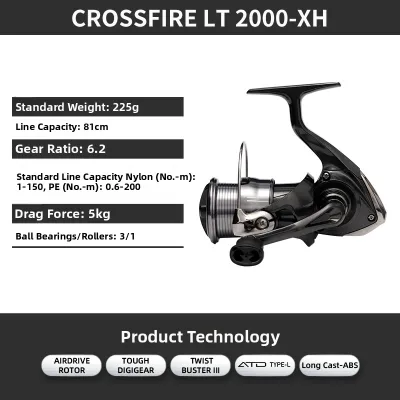
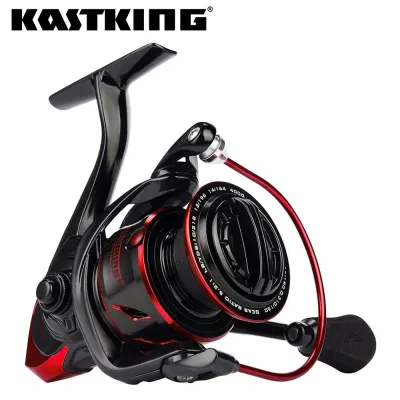
Prices are valid at publication and may change. Please refer to the product page for the latest price.
Conversely, targeting powerful coastal game fish like apahap (barramundi) or aggressive talakitok (trevally) along the shore requires robust gear. These species are known for sudden, violent runs and heavy resistance, meaning your equipment must be strong enough to withstand intense pulling force without bending or breaking.
The distinction between freshwater and saltwater environments is equally critical. Marine and brackish waters, common in coastal areas, are highly corrosive due to high salinity, heat, and humidity. When fishing in these environments, you must check the manufacturer’s specifications for corrosion-resistant components. Look for reels featuring sealed stainless steel ball bearings, anodized aluminum spools, and corrosion-resistant frames to ensure longevity.
Furthermore, the physical features of your fishing location dictate how your gear must perform. If you are fishing in tight mangrove estuaries or narrow rivers, you will face overhanging branches and underwater roots. In these confined spaces, a shorter rod is necessary to make accurate, short casts and maneuver around obstacles. On the other hand, if you are casting from open sandy beaches, rocky shorelines, or wide-open piers, you need a setup optimized for maximum casting distance to reach deeper water.
Match Rod Power, Action, and Length to Your Target
Once you have identified your target species and environment, you can select the physical specifications of your fishing rod. The three primary characteristics to evaluate are rod power, action, and length.

Rod Power (Weight) Rod power refers to the amount of force required to bend the rod, ranging from ultra-light to extra-heavy. This rating correlates directly with the weight of the fishing line and lures you plan to use. Ultra-light and light rods are designed for thin lines and tiny lures, making them perfect for targeting smaller species in calm waters. Medium-light and medium rods offer excellent versatility for everyday fishing, handling a wider range of moderate-sized fish. Heavy and extra-heavy rods are stiff, providing the lifting power needed to pull large, heavy fish out of thick cover or deep water. Always inspect the rod blank just above the handle, where manufacturers print the recommended line weight (e.g., 8–17 lb) and lure weight (e.g., 1/4–3/4 oz). Exceeding these limits can snap the rod during a hard cast or a heavy fight.
Rod Action Rod action describes where the rod bends along its blank when pressure is applied. Fast-action rods bend primarily near the tip, transferring energy quickly to the rest of the blank. This design provides high sensitivity to feel subtle nibbles and allows for fast, powerful hook sets, making it ideal for single-hook lures like soft plastics or jigs. Moderate-action rods bend down into the middle section of the blank, offering a more forgiving cushion. This slower bend prevents hooks from tearing out of the soft mouths of fish like bangus (milkfish) and is highly effective when using lures with treble hooks, such as crankbaits. Slow-action rods bend throughout the entire length of the rod, providing maximum flexibility for specialized ultra-light techniques.
Rod Length The length of a rod influences both casting distance and leverage. Shorter rods, typically measuring between 5.5 and 6.5 feet, provide superior leverage and control when fighting fish up close, making them ideal for kayak fishing or navigating dense vegetation. Longer rods, ranging from 7 to 9 feet or more, act as longer levers to catapult lures much farther into open water. They also provide better line control, allowing you to mend your line over currents or keep it clear of nearshore rocks.
Select a Reel Size and Type That Fits Your Rod and Fishing Accessories
With your rod specifications chosen, you must select a compatible fishing reel. The reel must match the rod’s physical capabilities to ensure smooth operation and prevent mechanical strain.
Reel Type The two main reel types to consider are spinning reels and baitcasting reels. Spinning reels feature an open-face design and mount underneath the rod. They are highly versatile, user-friendly, and excellent for casting lightweight lures without tangling. This makes them the preferred choice for most general fishing applications. Baitcasting reels mount on top of the rod and feature a rotating spool. They offer superior casting accuracy, direct line control, and the winch-like power needed to handle heavy lures and thick lines. However, they require practice to master, as failing to control the spool with your thumb during a cast can result in a severe line tangle known as a backlash.
Reel Size and Line Capacity Reels are categorized by numerical sizing conventions, typically ranging from 1000 to 10000. Smaller reels (1000 to 2500) are lightweight and designed for thin monofilament or braided lines, making them perfect matches for ultra-light to medium-light rods. Mid-sized reels (3000 to 4000) offer a balance of line capacity and weight, pairing well with medium to medium-heavy rods for general freshwater and light coastal fishing. Large reels (5000 to 10000 and above) are built with heavy-duty frames and massive line capacities to handle thick lines and powerful saltwater game fish. You must ensure that the reel’s recommended line capacity overlaps with the line weight rating printed on your rod.
Gear Ratio and Drag The gear ratio indicates how many times the spool rotates for every single turn of the handle (e.g., 6.2:1 means the spool turns 6.2 times per handle rotation). High gear ratios (6.0:1 or higher) retrieve line quickly, which is beneficial for fast-moving lures or catching up to fish swimming toward you. Low gear ratios (5.0:1 or lower) provide more cranking power, similar to a car’s low gear, helping you pull heavy fish or high-resistance lures through the water. Additionally, verify that the reel features a smooth, adjustable drag system. The drag must release line smoothly under tension to absorb the sudden shock of a fighting fish, preventing your line from snapping.
Balance the Rod and Reel to Prevent Mismatched Gear
Even if your rod and reel look compatible on paper, you must physically and technically verify their balance. A balanced setup ensures that the rod and reel work as a single, cohesive unit rather than fighting against each other.
Physical Balance Test To perform a physical balance test, fully assemble your rod and mount the reel (without threading the line through the guides). Place your index finger horizontally under the rod blank, just in front of the reel seat or on the foregrip. This is the natural fulcrum point of the setup. If the rod remains relatively horizontal and balanced on your finger, the combo is well-balanced. If the tip of the rod dives downward, the setup is tip-heavy, meaning the reel is too light for the rod. If the butt of the rod drops rapidly, the setup is butt-heavy, indicating the reel is too heavy. A balanced combo minimizes the leverage acting against your wrist, reducing fatigue during long hours of casting and significantly improving your ability to feel delicate bites.
Technical Matching The consequences of mismatching your gear extend beyond physical discomfort. Pairing a heavy, high-capacity 6000-series saltwater reel with an ultra-light trout rod creates an incredibly unbalanced, tip-heavy system. The excessive weight of the reel dampens the rod’s natural sensitivity, shortens your casting distance, and risks cracking the delicate graphite blank. Conversely, mounting a small 1000-series reel on a heavy-power offshore rod is equally problematic. The tiny reel will lack the drag pressure required to stop large fish, and its limited line capacity means you run the risk of running out of line entirely during a long run.
Line and Lure Verification To ensure technical harmony, use this verification checklist before heading to the water:
- Rod Line Rating: Confirm the line you spool onto your reel falls within the recommended pound-test range printed on the rod blank.
- Reel Line Capacity: Verify that the reel's spool can hold an adequate length of your chosen line diameter (braid is thinner than monofilament, allowing you to fit more line on a smaller spool).
- Lure Weight Compatibility: Ensure the total weight of your lure, hook, and sinker matches the rod's recommended lure weight range. Casting a lure that is too light will result in poor distance, while casting one that is too heavy can overload and fracture the rod blank.
Tailor the Combo to Your Current Skill Level
Your experience level should heavily influence your final gear selection. Choosing equipment that matches your current skill level ensures you spend your time fishing rather than troubleshooting gear issues.
Beginners If you are new to the sport, prioritize versatility and ease of use. A medium-power, moderate-action or fast-action spinning rod measuring 6.5 to 7 feet, paired with a 2500 or 3000-size spinning reel, is an excellent entry-level setup. This combination is highly forgiving, easy to cast, and capable of handling a wide variety of fish species in both freshwater and light saltwater environments. It minimizes line tangles and allows you to focus on learning basic casting techniques, knot tying, and fish handling. Expect to spend between ₱1,500 and ₱3,500 for a reliable, entry-level combo of this type.
Intermediate to Advanced Anglers As your skills progress, you can transition to more specialized fishing accessories and setups. If you want to target predatory fish hiding deep inside thick cover or mangrove roots, upgrading to a baitcasting combo provides the pinpoint accuracy and pulling power you need. However, this transition requires practiced thumb control to prevent backlashes and precise timing to set the hook. Advanced anglers also benefit from high-modulus graphite rods with fast or extra-fast actions. These rods offer extreme sensitivity to detect the faintest vibrations, but they are more fragile and require careful handling to avoid damage.
Upgrade Triggers Knowing when to upgrade your gear prevents you from outgrowing your equipment or spending money prematurely. Consider upgrading when you face clear performance limitations. If you consistently lose large fish because your current reel’s drag is too weak, or if you cannot cast far enough to reach the fish feeding offshore, it is time to invest in specialized gear. If your current multi-purpose setup continues to land your target catch without issue, sticking with a versatile combo is often the most practical and cost-effective choice.
Frequently Asked Questions (FAQ)
Can I use a freshwater rod and reel in saltwater?
While you can physically use freshwater gear in saltwater for a single trip, it is not recommended for long-term use. Freshwater reels lack the specialized sealed bearings, anodized coatings, and corrosion-resistant materials required to withstand harsh marine environments. If you do use freshwater gear in saltwater, you must rinse the rod, reel, and line thoroughly with fresh, running water immediately after your trip to wash away salt deposits. For regular marine or brackish water fishing, invest in dedicated saltwater-rated gear to prevent rapid rust and mechanical failure.
What is the most versatile rod and reel combo for multiple species?
The most versatile setup for targeting multiple species is a medium-power, fast-action spinning rod measuring 6.5 to 7 feet, paired with a 2500 or 3000-series spinning reel. This combo should be spooled with 10 to 15 lb braided line, finished with a 12 to 20 lb fluorocarbon leader depending on water clarity and structure. This highly adaptable configuration allows you to cast lightweight lures, fish with live bait, and handle everything from freshwater tilapia to coastal mangrove snapper. Always verify the specific line and lure weight ratings printed on your equipment labels to ensure they cover your local target species.
Community discussion
Share your experience or ask a question. Comments are reviewed before publication.