
Selecting the right pickleball rebounder is the fastest way to accelerate your skill development when practicing without a partner. The ideal rebounder type depends entirely on your primary training focus, as different designs cater to distinct aspects of the game. If you want to master deep baseline drives and serves, you need a heavy-duty, wide-framed rebounder with adjustable tilt. For perfecting soft dinks and drops near the kitchen, a low-profile rebounder with pace-absorbing surface tension is ideal. For fast-paced reflex and volley training, a multi-position or curved rebounder that returns balls at unpredictable angles is the correct choice.
Matching your equipment to your specific practice goals prevents frustration and ensures your drills translate directly to the court. By evaluating your current skill gaps, available space, and portability needs, you can select a training tool that truly elevates your performance.
Quick Guide: Identify Your Primary Training Focus
Before browsing online marketplaces or local sports stores, take a moment to analyze your current gameplay. Identifying your primary bottleneck allows you to narrow down the rebounder category that will yield the highest return on your practice time. If your serves frequently fall short or lack power, your focus should be on high-velocity baseline drives. If you find yourself losing patience or control during soft kitchen rallies, your training must prioritize precision dinking.
Products mentioned in this guide
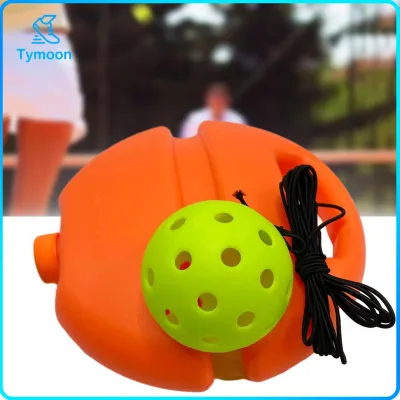
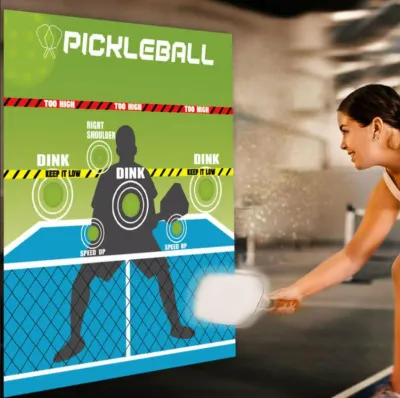
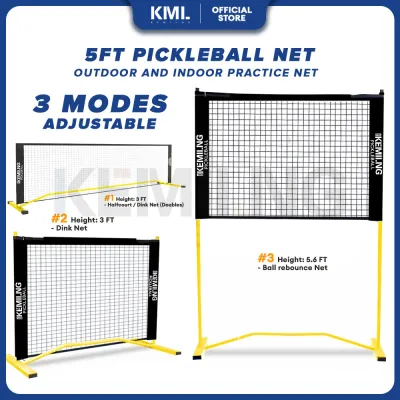
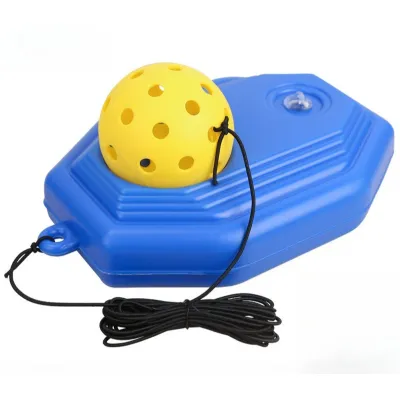
Prices are valid at publication and may change. Please refer to the product page for the latest price.
Next, evaluate your physical environment. A spacious driveway or a dedicated backyard court in the Philippines offers plenty of room for a permanent, heavy-duty setup. However, if you live in a high-density residential area or need to practice on a shared barangay court, space and storage constraints become your primary decision factors. You must balance the physical footprint of the equipment with your ability to store it safely away from tropical rains and high humidity.
Finally, consider how often you plan to transport the equipment. A permanent, heavy-duty steel rebounder offers unmatched stability but is difficult to move once assembled. If you frequently travel to different venues or want the flexibility to practice anywhere, a lightweight, folding frame with a carrying bag is a more practical choice.
Match Rebounder Types to Your Specific Drills
Different shot types require distinct rebound dynamics. Choosing a rebounder designed for your specific drill style ensures the ball returns at a realistic height, speed, and angle.

Serves and Deep Baseline Drives
Practicing full-swing drives and deep serves transfers significant kinetic energy to the training frame. To withstand these high-velocity impacts without sliding or tipping over, you need a rebounder with a heavy base and a wide footprint. Look for models that feature robust steel tubing and integrated brackets for sandbags or water weights to keep the unit anchored on concrete surfaces.
A large surface area is also critical for baseline practice. When hitting from several meters away, a small target leaves very little margin for error, leading to constant interruptions to retrieve missed balls. A wide net or solid panel accommodates slight aiming variances, allowing you to maintain a continuous, rhythmic swing flow.
Additionally, adjustable tilt mechanisms are essential for simulating realistic deep returns. By tilting the rebounder face slightly backward, you can configure the unit to return the ball with a higher, deeper trajectory. This setup mimics a deep baseline return, giving you ample time to reset your feet and practice consecutive groundstrokes.
Dinks, Drops, and the Soft Game
Mastering the soft game requires a completely different rebounder configuration. Because dinks and third-shot drops are executed near the non-volley zone, you need a low-profile design that sits close to the ground, effectively simulating the height of a standard pickleball net.
The surface material of the rebounder must also match the physics of the soft game. Standard high-tension nets return the ball with too much pace, making it difficult to practice delicate, controlled touches. For realistic dinking practice, look for rebounders with adjustable surface tension or specialized dampening materials that absorb the ball’s energy, returning it with a soft, low bounce.
Proximity placement is another key consideration for short-court drills. You will need to position the rebounder just a few feet away from your practice line. Ensure the frame design does not feature forward-protruding legs that could trip you during lateral footwork or interfere with your downward paddle swing.
Reflex, Volley, and Reaction Training
To improve your hand-eye coordination and reaction time at the kitchen line, you need a rebounder that keeps you on your toes. Standard flat rebounders return the ball in a predictable path, which does not simulate the rapid, chaotic nature of close-range volleys.
Multi-position or curved rebounders are specifically engineered for reflex training. These units feature curved surfaces or dual-angle faces that redirect the ball at unpredictable angles, forcing you to adjust your paddle face and footwork instantly. This unpredictable return pattern closely mimics a fast-paced hand battle at the net.
While these units must be stable enough to handle rapid, repetitive impacts, they should also feature lightweight frames. A highly portable design allows you to quickly reposition the rebounder during dynamic footwork drills, enabling you to practice defending against angled shots from both the left and right sides of the court.
Essential Specifications to Verify Before Buying
Because performance claims vary widely among manufacturers, you must verify specific physical and structural details against product labels and manuals before making a purchase.
- Frame Material and Base Weight: Look for the exact steel or aluminum tubing thickness in the product specifications. A heavier base weight reduces the need for external anchoring, but if you plan to move the unit frequently, verify that the weight remains manageable for your physical strength.
- Tension Adjustment Mechanisms: Check how the net or solid surface tension is adjusted. High-quality models use heavy-duty bungees, spring coils, or adjustable strap buckles that allow you to fine-tune the rebound speed to match your skill level.
- Foldability and Assembled Dimensions: Always measure your storage area and vehicle trunk before buying. Verify the folded dimensions in the product manual to ensure the unit can be stored easily and transported without blocking your line of sight while driving.
- Weather Resistance Labels: The tropical climate of the Philippines presents unique challenges, including high humidity, intense sunlight, and sudden downpours. Verify that the frame features a rust-resistant powder coating and that the net is UV-stabilized to prevent premature fraying and degradation.
Setup, Maintenance, and Safety Boundaries
Proper setup and regular maintenance are essential to prevent equipment damage and ensure a safe practice environment.
- Practice Area Clearance: Before assembling your rebounder, clear the practice area of all tripping hazards, such as loose gravel, garden hoses, or leaves. Ensure you have at least two meters of clear space behind and to the sides of your swing path to prevent accidental wall or obstacle contact. Position the unit away from glass windows, parked vehicles, and bystanders.
- Pre-Session Inspections: Inspect the entire unit before every practice session. Check all frame joints, locking pins, bungee cords, and net attachments for visible wear, rust, or fraying. Loose connections can cause the frame to collapse under the impact of a high-velocity ball.
- Base Weight Compliance: If your rebounder features a hollow base designed for sand or water ballast, always fill it to the manufacturer's recommended level before use. Never exceed the specified weight limits or make unauthorized structural modifications to the frame.
- Stop Conditions: Stop your practice immediately if you notice the frame bending, the net sagging excessively, or the base shifting during impact. Do not attempt to use a damaged rebounder, as compromised structural integrity can lead to unpredictable ball rebounds or sudden equipment failure. Consult the manufacturer's manual for approved replacement parts and repair instructions.
Frequently Asked Questions (FAQ)
Can I use a standard tennis rebounder for pickleball practice?
While tennis and pickleball share some similarities, their equipment dynamics are very different. Tennis balls are pressurized rubber and bounce highly off standard elastic nets, whereas plastic pickleballs are lighter, harder, and lose pace quickly on loose netting.
A standard tennis rebounder may not have the tight tension or specific angle adjustments required to return a lightweight plastic pickleball effectively. Always check the manufacturer’s product label to verify if the rebounder is explicitly rated for pickleball use or features adjustable tension tight enough for plastic balls.
How much space do I need to set up a rebounder at home?
To practice safely and effectively, you must account for the physical footprint of the rebounder, your full paddle swing radius, and a safe ball flight path.
As a general guideline, measure your intended practice area to ensure you have at least three to four meters of depth and two to three meters of width. Compare these measurements against the product’s assembled dimensions and the expected ball return distance to avoid hitting walls, furniture, or outdoor fixtures.
Community discussion
Share your experience or ask a question. Comments are reviewed before publication.