
Finding the perfect shin guard size is a critical step in preparing for any football match or training session. To get the correct fit, you must measure your leg from just below the knee to slightly above the ankle bone, and then compare these dimensions to the manufacturer’s specific sizing chart. A properly fitted shin guard sits securely against your leg, absorbing and dispersing the force of impact from stray tackles without shifting or restricting your movement. In the tropical climate of the Philippines, where high humidity and heavy sweat can cause gear to slide, selecting the right size and securing it properly is essential for maintaining both safety and peak performance on the pitch.
Why the Correct Shin Guard Fit Matters for Protection and Mobility
Shin guards are designed to protect the tibia, a superficial bone that runs down the front of the lower leg and has very little natural padding from muscle or fat. When a shin guard is too small, it leaves significant portions of this bone exposed to direct impact. Small guards also have a smaller surface area, which reduces their ability to disperse the force of a hard tackle across the leg, increasing the risk of painful bruises or more severe bone injuries.
Conversely, wearing shin guards that are too large introduces a different set of problems on the field. Oversized guards often extend too high up the leg, pressing against the kneecap when you bend your knees or run. They can also extend too far down, digging into the top of the foot or restricting the natural flexion of the ankle joint. This restriction not only hinders your agility, speed, and ball control but also causes constant friction, leading to painful chafing and blisters over the course of a ninety-minute match.
Products mentioned in this guide
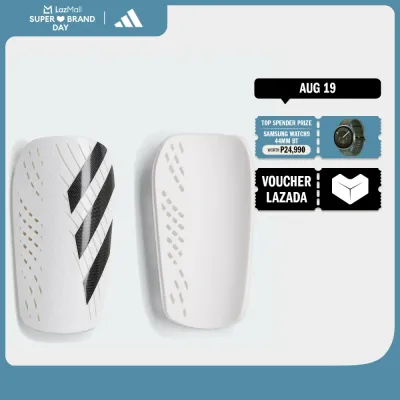
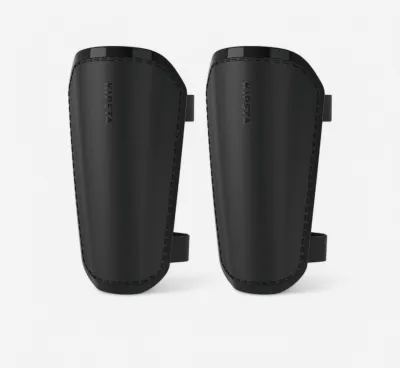
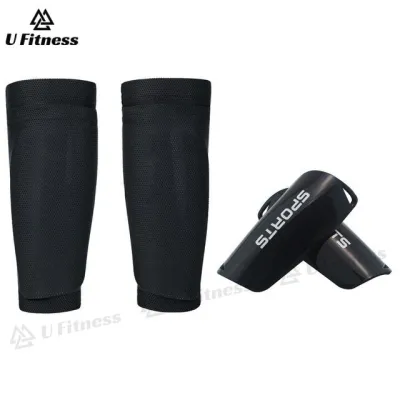
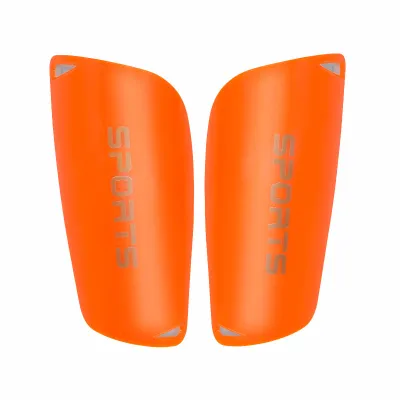
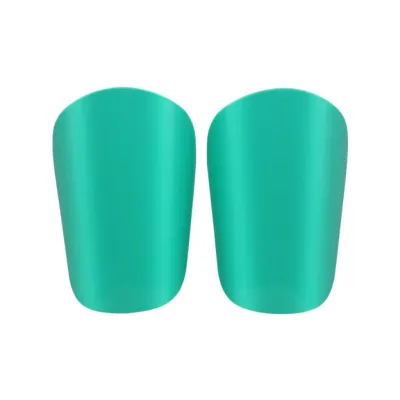
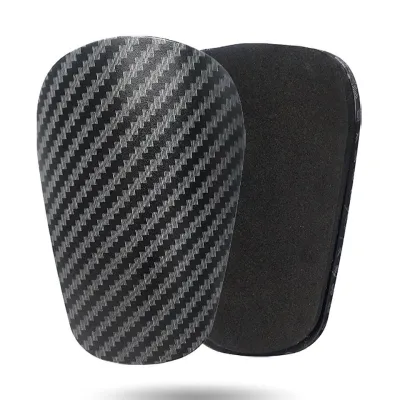
Prices are valid at publication and may change. Please refer to the product page for the latest price.
A perfect fit strikes a precise balance between coverage and mobility. The guard should cover the majority of the shin bone, starting roughly two inches below the kneecap and ending about one inch above the ankle prominence. This positioning ensures that the most vulnerable areas of your lower leg are shielded from incoming cleats while allowing your knee and ankle joints to move through their full, natural range of motion.
Step-by-Step Guide to Measuring Your Leg for Shin Guards
To find a shin guard that matches your anatomy, you must take precise physical measurements rather than relying on general estimations. Before you begin, gather a flexible fabric measuring tape and find a flat, even surface to stand on. It is crucial to take these measurements while standing upright with your weight distributed evenly across both feet, as your calf muscles expand and change shape when supporting your body weight.

The first measurement to take is your shin length. Locate the center of your kneecap and measure down approximately two inches to find the starting point of your shin bone. From there, run the measuring tape straight down the front of your leg to a point about one inch above the prominent bone on the outside of your ankle. This vertical distance represents the maximum length your shin guard should be. Taking this measurement accurately prevents you from purchasing a guard that interferes with your joints.
The second measurement is your calf circumference. Wrap the flexible measuring tape around the widest, most muscular part of your calf. This measurement is particularly important if you are choosing slip-in guards that rely on compression sleeves, or guards with integrated straps. Knowing your calf volume ensures that the sleeves or straps will fit snugly around your leg without cutting off circulation or feeling excessively tight.
Once you have these two measurements, compare them directly to the sizing charts provided by the specific brand you plan to buy. Avoid relying on generic sizing guides that categorize guards solely by player age or overall height. Different manufacturers use distinct molds and sizing scales, meaning a medium in one brand might fit like a large in another. Using your actual physical measurements is the most reliable way to guarantee a secure, protective fit.
Choosing the Right Shin Guard Style for Your Playing Position
Shin guards come in several distinct styles, each designed to cater to different playing styles, positions, and personal comfort preferences. Slip-in shin guards are highly popular among advanced players, midfielders, and forwards who prioritize speed and agility. These guards consist of a simple, lightweight protective shell that slips directly into a compression sleeve or under the football sock. Because they lack built-in straps, they offer a very low-profile fit that minimizes bulk, allowing for precise ball control and unrestricted running. However, they require separate accessories, such as guard stays, compression sleeves, or athletic tape, to keep them from shifting during play.
For players who require maximum protection, particularly defenders who frequently engage in physical battles and low tackles, ankle-protecting shin guards are an excellent choice. These guards feature a hard front shell combined with padded fabric extensions that wrap around the ankle bones, often including a stirrup strap that slips under the arch of the foot. While they are heavier and slightly more restrictive than slip-in models, the added lateral protection is invaluable for shielding the delicate ankle joint from stray kicks. This style is also highly recommended for youth players who are still developing their coordination and require comprehensive lower-leg coverage.
Another versatile option is the strap-secured shin guard, which features integrated elastic straps that wrap around the back of the calf. These guards offer a secure, adjustable fit without the need for separate sleeves or tape, making them highly convenient for quick preparation before training sessions. Some modern designs also feature integrated, step-in sleeves that combine the lightweight feel of a slip-in guard with the stability of a strapped model. When choosing between these styles, consider your position on the pitch, your physical style of play, and how much weight you are comfortable carrying on your legs.
How to Verify the Fit and Adjust for Maximum Comfort
Once your new shin guards arrive, it is essential to verify their fit using your actual football gear before heading out to a match. Put on the shin guards exactly as you intend to wear them during a game, including your compression sleeves, football socks, and cleats. The guards should sit comfortably against the curve of your shin bone, with the lower edge resting safely above your ankle and the upper edge clear of your knee joint.
To test the guards under realistic conditions, perform a series of dynamic movements in an open space. Jog in place, perform high knees, practice quick lateral cuts, and mimic kicking motions. Pay close attention to whether the guards slide down, twist to the side, or lift away from your skin. If the guards shift significantly during these basic movements, they may be too large, or the securing sleeves and straps may lack sufficient tension.
If your guards feature adjustable straps, tighten them until the shell feels firmly anchored against your leg, but be careful not to over-tighten. Straps that are too tight can restrict blood flow, leading to muscle cramping and premature fatigue during play. If you are using compression sleeves, they should feel snug and supportive without pinching your skin or leaving deep indentations after use.
During this fitting process, check for any localized pressure points or gaps between the guard and your leg. A guard that does not match the natural curvature of your shin will create pressure points that can become highly painful under the impact of a tackle. If you feel any sharp digging or notice large gaps where the guard lifts away from your leg, you may need to try a different size or explore a different brand that utilizes a mold better suited to your leg shape.
Maintenance and Care to Prolong Shin Guard Lifespan
Proper maintenance is crucial for keeping your shin guards hygienic, structurally sound, and capable of providing reliable protection over multiple seasons. After every training session or match, remove your shin guards from your gear bag as soon as possible. Leaving damp, sweat-soaked equipment sealed inside a dark bag, especially in the warm and humid climate of the Philippines, creates an ideal breeding ground for bacteria, mold, and unpleasant odors.
To clean your guards, wipe down the hard outer shells with a damp cloth and a mild soap solution. Avoid using harsh chemical detergents or submerging the entire guard in hot water, as extreme heat and strong chemicals can degrade the protective foam backing and weaken the plastic shell. If your guards have removable fabric sleeves, straps, or ankle guards, wash them by hand or in a gentle machine cycle according to the manufacturer’s care instructions.
Always allow your shin guards and sleeves to air-dry completely in a well-ventilated indoor area, away from direct sunlight and artificial heat sources like hair dryers. Direct exposure to intense tropical sunlight can cause the plastic shells to become brittle and crack, while high heat can warp the shape of the guard, ruining its fit.
Regularly inspect your equipment for signs of wear and tear. Look for cracks in the outer shell, peeling foam padding, or stretched-out elastic straps that no longer hold the guard securely in place. If the protective foam has become permanently compressed or the outer shell is cracked, the guard can no longer effectively disperse impact forces. Replacing damaged guards promptly is essential for ensuring your safety on the pitch.
Frequently Asked Questions (FAQ)
Can I use the same shin guard size for both match play and training sessions?
Yes, you can use the same shin guard size for both matches and training, as your physical leg dimensions do not change based on the session type. Maintaining consistent protection is vital, as high-impact collisions can occur just as easily during intense training drills as they do in official matches. However, some players prefer to keep a lightweight, low-profile pair of slip-in guards for training comfort and a more robust, highly protective pair for competitive match play. Regardless of which pair you choose for a session, ensure they meet the basic safety standards and fit securely without shifting.
What should I do if my shin guards keep sliding down during a game?
If your shin guards constantly slide down during play, first verify that you are wearing the correct size by re-measuring your calf circumference and shin length. If the size is correct but the guards still slip, you can secure them using specialized athletic grip tape wrapped tightly around the outside of your socks, just below the bottom of the guard. Alternatively, using high-quality compression sleeves or dedicated guard stays can provide the necessary tension to hold the shells in place. Ensuring your football socks have adequate elasticity is also key, as stretched-out socks fail to provide the compression needed to keep guards secure.
Are there specific shin guard requirements for youth football leagues in the Philippines?
Yes, many youth football leagues and school athletic associations in the Philippines enforce strict safety regulations regarding mandatory protective gear. Some leagues require young players to wear shin guards that feature integrated ankle protection to minimize the risk of injury during competitive matches. Because rules can vary significantly between different regional tournaments, school leagues, and local clubs, it is highly recommended to consult directly with your coach, team manager, or league officials to verify the exact equipment requirements before purchasing new shin guards.
Community discussion
Share your experience or ask a question. Comments are reviewed before publication.