
To find the right shin guard size, measure your shin bone from just above your ankle to about two inches below your kneecap, then compare this to the manufacturer’s specific sizing chart. A properly fitted shin guard should cover approximately 50% to 60% of your lower leg while leaving enough clearance at the top and bottom so your joints can move freely. Getting this fit right is essential for staying protected and comfortable on the pitch, especially during intense matches where gear shifting can cause distractions or leave you vulnerable to injury.
In the Philippines, where football is played on various surfaces—from muddy natural grass pitches during the rainy season to hard artificial turf under the midday sun—having gear that fits securely is a game-changer. High humidity and heavy sweating can easily cause poorly fitted shin guards to slip down, slide sideways, or chafe against your skin. By taking the time to measure your legs accurately and understanding how different brands structure their sizes, you can ensure your protective gear stays locked in place from the opening whistle to the final minute.
Why Proper Shin Guard Sizing Matters for Protection and Comfort
Using shin guards that do not fit your legs correctly poses a significant safety risk on the field. When your guards are too small, they leave large portions of your shin bone and lower leg muscles exposed to direct impacts from stray cleats, hard tackles, and fast-moving balls. The shin bone has very little muscle padding over it, meaning even a minor impact can result in painful bone bruises, deep cuts, or more severe structural injuries that could sideline you for weeks.
Products mentioned in this guide
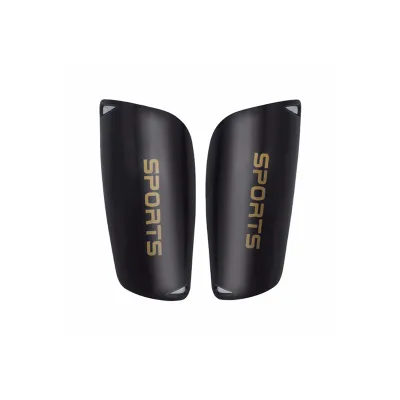
![[LIXIAOJU] 1 Pair Football Shin Pads Plastic Soccer Guards Leg Protector For Kids Adult Protective Gear Breathable Shin Guard](https://img.lazcdn.com/g/p/58f6a82f2820c7196a9ba3aa3721f967.jpg_400x400q80.jpg_.webp)
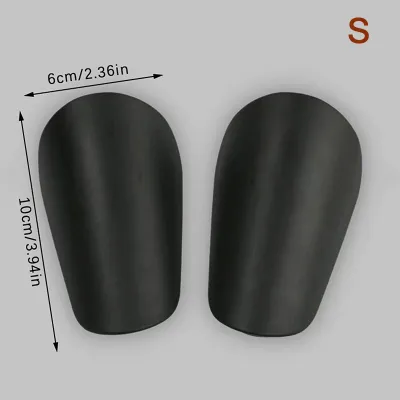
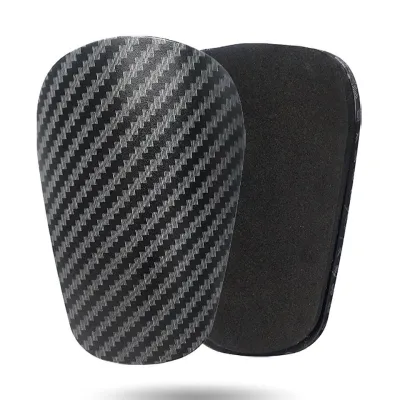
Prices are valid at publication and may change. Please refer to the product page for the latest price.
Conversely, wearing oversized shin guards introduces a different set of problems that can severely hamper your performance. Guards that are too long will press against your kneecap when you bend your legs or dig into the top of your foot when you flex your ankle. This constant friction leads to painful chafing, blisters, and restricted mobility, making it difficult to sprint, change directions, or strike the ball cleanly. Furthermore, bulky or overly heavy guards add unnecessary weight to your lower legs, causing premature fatigue during long training sessions.
A proper fit establishes a reliable barrier that works in harmony with your body’s natural movements. When a shin guard matches the contours of your leg, the impact energy from a collision is distributed evenly across the entire surface of the guard and its foam backing, rather than being concentrated on a single spot. This secure fit ensures that even during high-intensity sprints, sudden slides, and physical aerial duels, your protection remains exactly where it needs to be without requiring constant manual adjustments.
Tools You Need to Measure Your Leg Accurately
To get the most accurate measurements for your new shin guards, you will need a few basic tools that allow you to track the physical dimensions of your lower leg. The most effective tool for this task is a flexible fabric measuring tape, commonly used in tailoring. This type of tape easily conforms to the natural curves and contours of your calf and shin, providing a precise measurement that reflects the actual shape of your leg rather than a flat, straight line.

If you do not have a flexible measuring tape at home, you can easily create an alternative setup using common household items. Find a piece of non-stretch string, yarn, or even a long strip of paper, along with a standard rigid ruler or a metal hardware tape measure. You will wrap the string along your leg to mark the key points, and then lay the string flat against the rigid ruler to read the exact measurement. Avoid using elastic bands or stretchy cords, as they will deform when pulled and give you an inaccurate, oversized reading.
Before you begin measuring, it is also highly recommended to have the official size charts of the specific brands you are considering open on your phone or computer. Because there is no universal sizing standard across the sports equipment industry, a “Medium” from one manufacturer might have completely different dimensions than a “Medium” from another. Having these charts ready allows you to immediately compare your physical measurements to the brand’s recommendations, helping you make an informed decision before checking out on your preferred online marketplace or visiting a local sports store.
Step-by-Step Guide to Measuring Your Shin
To measure your shin accurately, you must first identify the correct anatomical landmarks on your lower leg. Start by locating the prominent bone on the outside of your ankle, known as the lateral malleolus. Place the starting point of your measuring tape about one inch (approximately 2.5 centimeters) above this ankle bone to ensure the guard will not press down on your ankle joint during play. Next, extend the measuring tape straight up the front of your shin bone, stopping about two inches (approximately 5 centimeters) below the center of your kneecap. This upper boundary ensures that the guard will not interfere with your knee flexion when you run or squat.
Your posture during the measurement process is critical to obtaining a reliable number. Always stand flat-footed on a level surface with your weight distributed evenly between both legs. Do not sit down, bend over, or flex your calf muscles while taking the measurement, as these actions alter the natural length and shape of your lower leg, leading to an inaccurate reading. If possible, ask a friend or family member to take the measurement for you while you stand straight, or stand directly in front of a full-length mirror so you can verify that the measuring tape remains straight and flat against your shin.
It is also important to measure both of your legs individually rather than assuming they are identical. Most people have slight natural asymmetries in bone length and muscle volume between their left and right legs. Take the measurement for both shins and write down the numbers. If you discover a difference between the two, always use the larger measurement as your primary guide when choosing a size. This ensures that both legs receive adequate coverage and that the guard on your larger leg does not pinch or feel overly restrictive during play.
How to Match Your Measurements to Manufacturer Size Charts
Once you have your physical measurements, the next step is translating those numbers into the correct commercial product size. When looking at manufacturer size charts, you will notice that brands often categorize their shin guards using two different methods: player height or shin guard length. Some charts will instruct you to choose a size based entirely on your overall height, while others will provide the physical length of the shin guard plate itself. Always read the chart labels carefully to determine which metric is being used, and prioritize the physical shin measurement you just took over a generic height recommendation.
If your measurement falls exactly between two size categories on a brand’s chart, you will need to make a strategic decision based on your playing style and personal preferences. Sizing up to the larger option provides a wider area of protection, which is often preferred by defensive players who engage in frequent tackles and block shots. Sizing down to the smaller option offers a lighter, more streamlined profile that enhances mobility and reduces bulk, making it a popular choice for fast wingers and midfielders who rely on quick footwork. However, never size down so much that a significant portion of your shin bone is left completely exposed.
In addition to the length of the guard, you should also pay close attention to secondary dimensions such as calf circumference or guard width, if the manufacturer provides them. This is particularly important if you are purchasing slip-in shin guards that come with compression sleeves. If you have highly developed, muscular calves, a standard sleeve size matching your shin length might feel excessively tight and restrict blood circulation. Checking the width or circumference guidelines helps ensure that the sleeves or straps will wrap comfortably around your leg without causing discomfort or requiring you to stretch the materials to their absolute limits.
Verifying the Fit: What to Check When Trying Them On
When your new shin guards arrive or when you try them on at a local sporting goods store, you must perform a thorough physical inspection to verify the fit before heading out to a match. Begin by placing the guards against your bare shins in the exact position they will be worn. Check the vertical coverage: the top of the guard should sit comfortably below your knee without pinching when you bend your leg, and the bottom should clear your ankle joint completely. The guard should cover the front of your shin bone and wrap slightly around the sides to protect the surrounding muscle tissue from lateral impacts.
Next, evaluate how securely the guards stay in place using their built-in attachment systems, whether they use velcro straps, compression sleeves, or require separate athletic tape. If your guards use straps, fasten them to a snug but comfortable tension; they should hold the guard flat against your skin without digging in or cutting off your circulation. If you are using slip-in guards with sleeves, the sleeve should feel firm and elastic, keeping the guard from sliding down or rotating around your calf. Any gap between the guard and your skin indicates that the shape or size is not a good match for your leg’s natural contour.
To finalize your fit assessment, perform a series of basic movement simulations that mimic the physical demands of a football match. Spend a few minutes jogging in place, performing high knees, doing deep squats, and making quick lateral hops. Pay close attention to whether the guards shift, slide downward, or twist out of alignment during these movements. You should also practice a kicking motion to ensure your ankle can flex fully without hitting the bottom of the guard. If the guards remain securely in place without causing any pinching, pressure points, or distractions, you have found the correct size.
Adjusting and Maintaining Your Shin Guards for Long-Term Use
Even with the perfect size, how you wear and care for your shin guards plays a massive role in their long-term performance and stability. To enhance the security of your guards during intense play, consider using proper layering techniques. Many players prefer to wear a thin inner sock or a specialized grip sock underneath their shin guards, place the guard on top, and then pull their main team socks over the setup. If your guards still tend to shift slightly due to heavy sweating in hot, tropical weather, applying a few wraps of specialized athletic tape or cohesive bandages directly below and above the guard on the outside of your sock can lock them firmly in place.
Proper hygiene and maintenance are also essential, especially given the high humidity and heat that can cause sweat and bacteria to accumulate rapidly in your gear. After every training session or match, remove your shin guards from your gear bag immediately instead of leaving them trapped in a dark, damp environment. Wash the guards and sleeves by hand using lukewarm water and a mild, non-abrasive soap to remove sweat, dirt, and odor-causing bacteria. Avoid using harsh chemical detergents or bleach, as these can degrade the foam padding and weaken the plastic outer shell over time.
Once washed, always allow your shin guards to air-dry completely in a well-ventilated indoor area or a shaded outdoor spot. Never expose them to direct, intense sunlight or use artificial heat sources like hair dryers, as extreme heat can warp the plastic shell and cause the protective foam backing to crack or peel away. Finally, establish a routine of visually inspecting your guards before every match. Look closely for any hairline cracks in the hard outer shell, crumbling or compressed foam padding, or stretched-out straps that no longer hold their tension. If you notice any of these signs of wear, it is time to replace your guards to ensure your safety on the pitch remains uncompromised.
Frequently Asked Questions (FAQ)
Should I size up or down if my measurement is between two sizes?
If your shin measurement falls directly between two sizes on a manufacturer’s chart, the general recommendation is to prioritize protection and size up, provided the larger guard does not physically interfere with your knee or ankle movement. A larger guard ensures that a greater surface area of your shin bone and surrounding muscle is shielded from hard impacts. However, if you highly value a lightweight, minimalist feel and have slim calves, sizing down can offer a more streamlined fit that reduces bulk under your socks. Always check the specific brand’s sizing notes, as some manufacturers design their adjacent sizes with overlapping margins to accommodate different leg shapes.
Do ankle-protecting shin guards require different sizing measurements?
Yes, ankle-protecting shin guards—which feature an attached padded stirrup that wraps under your foot and covers the ankle bones—require additional fit considerations beyond standard slip-in guards. When sizing these models, you must ensure that the stirrup fits snugly around your ankle and under your arch without being so tight that it restricts blood flow or causes discomfort inside your football boots. You should measure your ankle circumference and check if the manufacturer provides specific guidelines for the ankle sleeve portion. It is crucial to verify that when the ankle stirrup is fully secured in its proper position, the main shin plate still aligns correctly with your shin bone and does not ride up too high toward your knee.
Community discussion
Share your experience or ask a question. Comments are reviewed before publication.