
Finding the right shin guards for kids involves measuring the distance from just below the knee to about an inch above the ankle bone, alongside checking the widest part of the calf. This physical measurement is the most reliable way to ensure your young football player stays protected on the pitch without facing restricted movement or constant discomfort. While many parents rely on age or height guidelines, actual leg dimensions provide the precise fit needed to keep the guards from shifting during intense play.
In the tropical climate of the Philippines, where high humidity and sudden downpours can turn local football pitches muddy and slick, a secure fit is even more critical. Loose gear easily slips when drenched in sweat or rain, leading to painful chafing or exposed shins. By taking a few minutes to measure your child’s legs accurately, you can select gear that stays firmly in place, allowing them to focus entirely on their drills, passes, and goals.
Why Proper Shin Guard Fit Matters for Young Players
Shin guards serve as the primary barrier against painful impacts, stray kicks, and hard tackles on the field. When a guard is too small, it leaves a significant portion of the shin bone exposed to direct contact, increasing the risk of painful bruises or more severe bone injuries. Young players are still developing their coordination, which often results in accidental collisions during training sessions and weekend matches.
Products mentioned in this guide
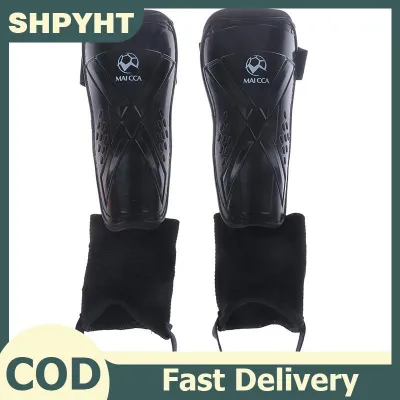
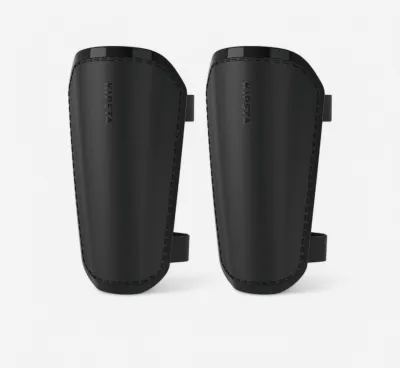
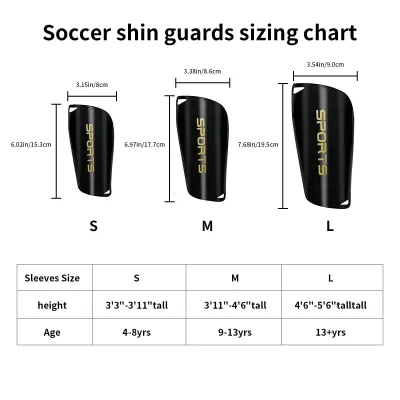
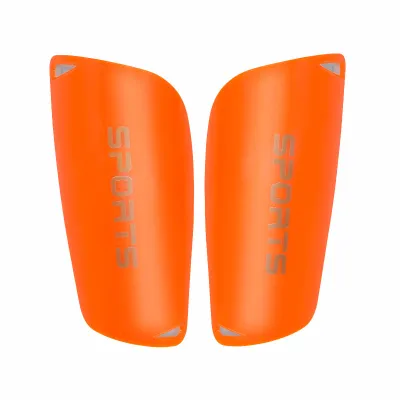
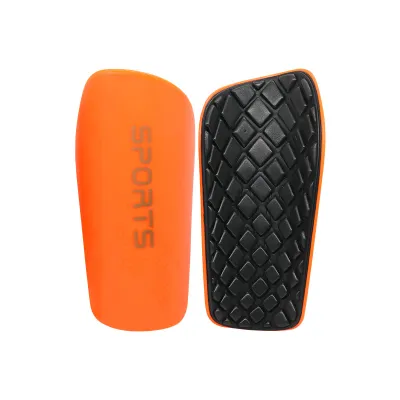
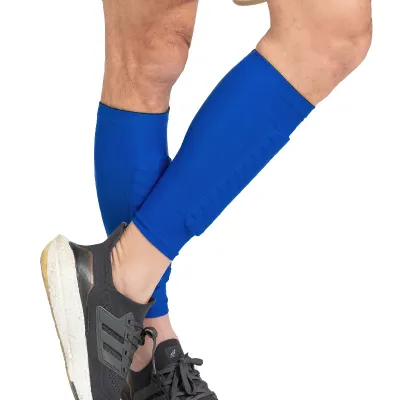
Prices are valid at publication and may change. Please refer to the product page for the latest price.
Conversely, oversized shin guards present a different set of hazards that can severely impact a child’s performance and comfort. A guard that is too long will press against the knee joint or dig into the top of the foot, restricting natural running strides and ankle flexion. This restriction not only hinders their speed and agility but can also cause painful chafing and blisters, especially during long training sessions in hot, humid weather.
Furthermore, local youth football leagues and school athletic associations across the country enforce strict safety regulations regarding player equipment. Referees routinely inspect gear before kickoff to ensure every player is wearing compliant, properly fitted shin guards covered entirely by their football socks. Equipping your child with the correct size ensures they meet league safety standards and avoid being sidelined before the match even begins.
What You Need Before Measuring
To get the most accurate measurements, you need to gather a few basic tools before starting. Avoid using rigid metal tape measures or plastic rulers, as these cannot bend around the natural curves of your child’s leg. Instead, opt for a flexible tailor’s tape measure, which conforms easily to the calf and shin for a precise reading.

It is equally important to conduct the measurements while your child is wearing the exact gear they use on match days. Have them put on their thick football socks, as well as any ankle sleeves or athletic tape they typically wear during games. Measuring over bare skin or thin everyday socks can lead to buying guards that feel uncomfortably tight once paired with thick athletic gear.
Finally, keep a notepad or a smartphone handy to write down the numbers immediately. You will need to record both vertical length and horizontal circumference in both centimeters and inches. Having these exact figures written down makes it much easier to compare them against various manufacturer size charts when browsing online marketplaces or local sports shops.
How to Measure Your Child's Leg Accurately
To begin measuring, have your child sit comfortably on a chair with their feet flat on the floor and their knees bent at a ninety-degree angle. This position mimics the natural stance of the leg and ensures the calf muscles are relaxed. Ensure their weight is distributed evenly so the leg shape remains natural during the process.
Start by locating the lower boundary of the knee cap and the prominent bone on the outer side of the ankle. Place the start of the flexible tape measure about two inches (or roughly five centimeters) below the bottom of the kneecap. Extend the tape straight down the front of the shin bone, stopping approximately one inch (or two and a half centimeters) above the ankle bone. This vertical distance represents the ideal length of the shin guard, providing maximum coverage without interfering with joint movement.
Next, measure the calf circumference to ensure the guard’s straps or sleeves will wrap comfortably around the leg. Wrap the flexible tape around the widest, most muscular part of your child’s calf. Keep the tape snug against the football sock, but avoid pulling it so tight that it compresses the skin or muscle tissue.
Note down both measurements carefully, repeating the process on the other leg. It is common for children to have slight differences in leg length or calf size between their left and right sides. If you notice a discrepancy, always use the larger set of measurements to guide your final purchase decision to prevent pinching or discomfort.
Matching Measurements to Manufacturer Size Charts
Once you have recorded your child’s leg measurements, the next step is comparing them to official manufacturer size charts. Every sports brand designs its shin guards differently, meaning a “Medium” in one brand might fit like a “Small” in another. You can usually find these specific charts printed on the back of the product packaging or listed on the brand’s official website.
Many generic sizing guides rely solely on a child’s age or overall height to recommend a shin guard size. While these estimates can serve as a rough starting point, they are often unreliable because children grow at highly individual rates. A tall child with slender legs or a shorter child with muscular calves will not fit comfortably into guards chosen purely by age brackets.
Prioritize the actual shin length and calf circumference measurements over any generic size labels or age recommendations. If your child’s measurements fall directly between two sizes on a manufacturer’s chart, look closely at the guard’s design. For slim, lightweight guards, choosing the slightly larger size often provides better coverage, whereas bulkier guards with built-in ankle protectors are usually better suited to the smaller size to prevent shifting.
How to Test the Fit During Practice
Before sending your child onto the pitch for a full match, it is essential to test the fit of the shin guards during a simulated practice session. Have your child put on their shin guards, pull their football socks completely over them, and lace up their football boots. The guard should sit securely against the shin bone, centered horizontally, with the top edge resting just below the knee bend.
Ask your child to perform a series of dynamic movements in your backyard, a local park, or a dry indoor space. Have them run in place, perform high knees, practice quick directional cuts, and mimic kicking motions. Observe the guards closely during these movements to see if they slide down, twist to the side, or ride up toward the knee.
Pay close attention to your child’s feedback and watch for specific stop conditions that indicate an improper fit. If they complain of pinching around the ankle, or if you notice them constantly bending down to adjust slipping guards, the fit is incorrect. Any restriction in their ability to flex their ankles fully or sprint comfortably means the guards are either too large or poorly shaped for their leg structure, requiring an immediate adjustment or a different model.
Frequently Asked Questions (FAQ)
Should I buy a larger size for my child to grow into?
Buying oversized sports gear to accommodate future growth is a common practice, but it poses significant safety risks when applied to shin guards. A shin guard that is too large will not sit flush against the leg, creating gaps where direct impacts can bypass the protective shell entirely. Additionally, loose guards constantly shift during play, distracting your child and leaving vulnerable areas of the shin exposed to injury.
You should only opt for a slightly larger size if your child’s current measurements are at the absolute upper limit of a size bracket and the next size up still fits securely without touching the kneecap. If the larger guard slides down or restricts ankle movement, it is unsafe for match play. A better strategy is to purchase budget-friendly, properly fitted guards—often available for under ₱500—and replace them as soon as your child outgrows the safe measurement range.
How do slip-in guards compare to ankle-strap models for sizing?
Slip-in shin guards consist of a simple protective plate that slides directly into a fabric sleeve or under the football sock, offering a lightweight feel preferred by older or more experienced players. Ankle-strap models, on the other hand, feature built-in padded ankle guards and adjustable straps at the top, providing extra stability and lower-leg protection for younger beginners.
When sizing slip-in guards, your primary focus should be on the vertical shin length, as the sleeve or sock tension is what keeps the guard in place. For ankle-strap models, you must also carefully measure the ankle circumference and lower calf to ensure the built-in padding does not pinch the skin or restrict joint movement. Always check the manufacturer’s specific instructions, as some brands recommend sizing down slightly for slip-in models to ensure a snug, low-profile fit under the socks.
Community discussion
Share your experience or ask a question. Comments are reviewed before publication.