
To find the right life vest size for your child, you must first weigh them to identify their correct weight class, measure their chest circumference at the widest point, and then conduct a physical fit check—specifically the shoulder lift test—to ensure the vest cannot slide up over their chin. Relying on your child’s age or general clothing size is not safe, as life vests are precision safety equipment engineered around physical mass and chest dimensions.
Why Proper Life Vest Sizing Matters for Kids
Selecting the correct life vest for kids is one of the most critical safety decisions you will make before heading out to the water. An ill-fitting life vest compromises a child’s safety in several immediate ways. If a vest is too large, the upward force of the water will push the vest up while the child’s body sinks down. This can cause the collar of the vest to ride up over the child’s chin, nose, and mouth, obstructing their airway and creating a severe suffocation hazard. In extreme cases, a child can slip out of an oversized vest entirely when jumping or falling into deep water.
Conversely, an undersized vest presents its own set of dangers. A vest that is too small will not have enough built-in foam or buoyancy to keep a child’s head above the surface. It can also constrict their chest, restricting their breathing and causing painful chafing under the arms. In the tropical climate of the Philippines, where high humidity and warm temperatures are the norm during beach trips to Batangas or pool outings in Laguna, a tight, uncomfortable vest will quickly cause overheating and distress, making a child resistant to wearing their safety gear.
Products mentioned in this guide
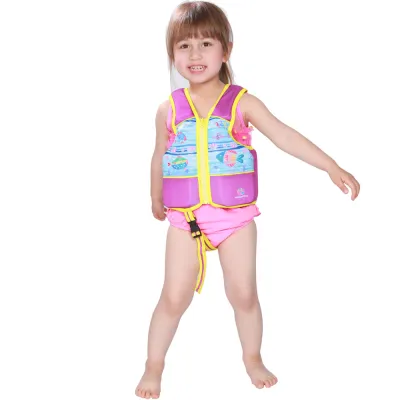
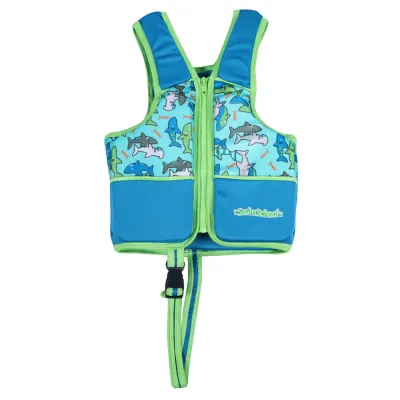
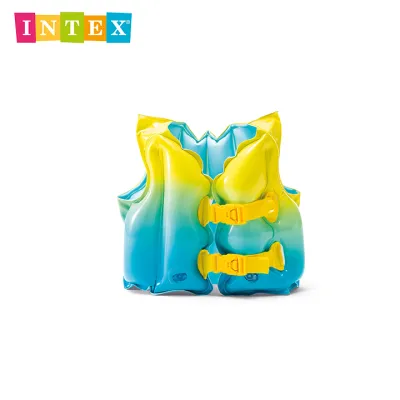
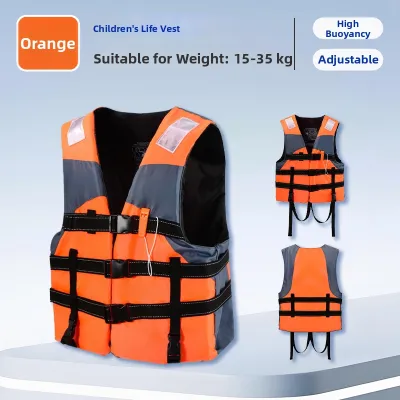
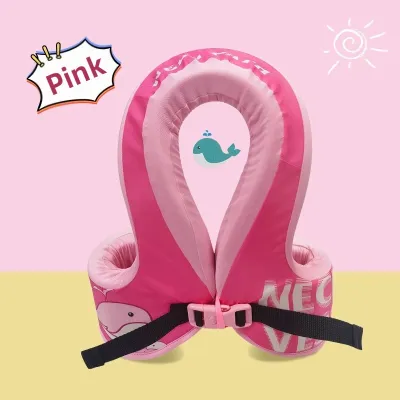
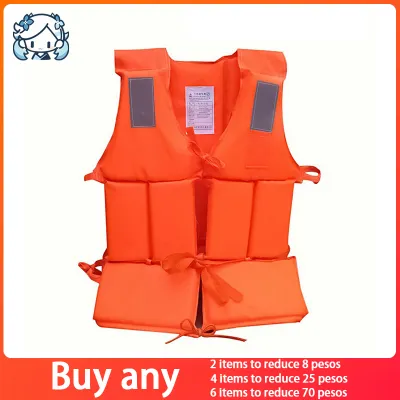
Prices are valid at publication and may change. Please refer to the product page for the latest price.
A child’s age is never a reliable metric for safety equipment because children of the exact same age can have vastly different body types, heights, and weight distributions. Proper fit requires matching your child’s physical measurements directly to the manufacturer’s specific product label and sizing chart. Never assume that a “Medium” in one brand will fit the same as a “Medium” in another, as cuts and strap configurations vary widely across different manufacturers.
Tools You Need for Accurate Measurements
To get a precise fit before purchasing a life vest online or at a local outdoor retailer, you only need two basic tools. Gather a flexible cloth measuring tape—the kind used for tailoring—and a reliable, calibrated digital bathroom scale. Avoid using stiff metal construction measuring tapes, as they cannot contour accurately around a child’s torso and can easily lead to incorrect measurements or accidental scratches.

When taking these measurements, your child should wear the exact clothing they plan to wear in the water, such as a lightweight swimsuit, rash guard, or swim trunks. Do not measure your child while they are wearing bulky everyday clothes, heavy cotton shirts, sweaters, or thick towels. These materials add artificial bulk and weight, which will distort your measurements and likely lead you to purchase a vest that is too large and unsafe once they change into their actual swimwear.
Step 1: Determine the Correct Weight Range
The first step in narrowing down your options is to determine your child’s current, accurate weight. Have your child step onto the bathroom scale without shoes and wearing only their swimwear. Record this weight in both kilograms and pounds, as manufacturers use different units depending on where the gear is produced.
Life vests are strictly categorized into distinct weight classes designed to provide the correct amount of buoyancy for specific body masses. While terminology can vary slightly, the standard weight classes generally include:
- Infant Vests: Engineered for babies and toddlers weighing under 30 pounds (approximately 14 kilograms). These vests typically feature a large, cushioned head support collar to keep the baby's face pointing up, along with a mandatory crotch strap.
- Child Vests: Designed for children weighing between 30 and 50 pounds (approximately 14 to 23 kilograms). These vests provide balanced flotation for active swimmers and non-swimmers alike.
- Youth Vests: Crafted for older children and pre-teens weighing between 50 and 90 pounds (approximately 23 to 41 kilograms).
Always verify the exact weight limits printed on the manufacturer’s product label or official sizing chart before making a purchase. Never buy a life vest that is one size larger for your child to “grow into.” While buying larger clothing is a practical way to save money on school uniforms or casual wear, doing so with water safety equipment is highly dangerous. A vest that is too large will fail to perform its life-saving function in an emergency, leaving your child vulnerable in the water.
Step 2: Measure the Chest Circumference
While weight determines the flotation capacity of the vest, the chest circumference determines whether the vest can be adjusted to wrap securely around your child’s torso. To measure this accurately, have your child stand up straight with their arms relaxed and extended slightly outward at their sides.
Wrap the flexible cloth measuring tape around the fullest part of their chest, keeping it directly under their armpits and flat across their shoulder blades. The tape should be snug against their skin or swimwear, but not pulled so tight that it pinches or restricts their normal breathing. Ask your child to take a deep breath in and out to ensure the measurement accounts for chest expansion. Note the measurement at the end of a normal exhalation.
Compare this exact measurement against the manufacturer’s chest size chart for the specific model you are considering. A correct chest measurement is vital because it ensures that the vest’s side panels can close properly, allowing the zippers, buckles, and adjustment straps to be tightened to their optimal positions. If the chest measurement is too small for a particular vest, you will not be able to buckle it securely; if it is too large, the vest will have dangerous gaps that allow water to rush in and push the vest upward.
Step 3: Perform the Fit Test and Safety Check
Once you have selected a life vest that matches your child’s weight and chest measurements, you must perform a physical fit test before they enter the water. This hands-on check is the only way to guarantee that the safety ratings on paper translate to real-world protection.
Strap and Buckle Adjustment
Before putting the vest on your child, loosen all the adjustment straps completely. This allows you to customize the fit to their body shape from scratch. Have your child put the vest on, then secure the front zipper first. Next, fasten all the buckles, starting from the bottom buckle and working your way up to the chest.
Once all buckles are securely clicked, gently pull the adjustment straps to tighten the vest. The fit should be snug, similar to a firm hug, but it must not restrict your child’s breathing, pinch their skin, or cause discomfort. You should be able to slide no more than two fingers flat beneath the straps at any point.
The Shoulder Lift Test
The shoulder lift test is the definitive safety check to ensure the vest will not slide off in the water. Have your child stand straight with their arms relaxed at their sides. Stand behind your child and grasp the shoulder straps of the life vest firmly.
Pull the shoulder straps straight upward with moderate force, mimicking the upward pressure of water. Watch the position of the vest relative to your child’s face:
- Safe Fit: The vest stays firmly in place, and the collar or neck opening does not rise past your child's chin or ears.
- Unsafe Fit: The vest slides upward, covering your child's chin, mouth, or ears. If this happens, try tightening the straps further and repeating the test. If the vest still rides up after tightening, the vest is too large, and you must select a smaller size or a different model with a more adjustable harness.
Mobility and Comfort Check
A safe life vest must also allow your child to move freely so they can swim, paddle, and enjoy their time in the water. Have your child perform a few basic movements while wearing the fully adjusted vest:
- Arm Rotations: Ask them to swing their arms in circles to simulate swimming strokes. The armholes of the vest should not chafe or rub against their underarms or the sides of their chest.
- Bending and Sitting: Have them bend over to touch their toes and sit down on the floor. The vest should not push up into their chin or restrict their ability to sit comfortably.
- Crotch Strap Verification: If the vest is equipped with a crotch strap—which is standard on infant and many child-sized vests—buckle it and adjust it so it is snug but comfortable. The crotch strap is a critical safety feature that physically prevents the vest from riding up over the head when the child is suspended vertically in deep water. Ensure it does not cause painful friction or pinching during movement.
Common Sizing Mistakes and When to Stop
When choosing a life vest for kids, parents frequently make avoidable mistakes that compromise water safety. One of the most common errors is relying solely on age recommendations printed on retail packaging. Age labels are merely rough estimates; they do not account for the wide variation in children’s physical development.
Another frequent mistake is bypassing or ignoring the crotch strap because it seems tedious to buckle or adjust. Skipping this step completely undermines the safety design of infant and child vests, as a child can easily slip out of the bottom of the vest upon hitting the water. Additionally, never attempt to modify a life vest by cutting the straps, sewing on custom fabric extensions, or adding aftermarket foam inserts. These modifications alter the vest’s certified buoyancy distribution and can cause the vest to float your child face-down instead of face-up.
When to Stop and Seek Professional Guidance: You must halt the use of a life vest immediately and consult the manufacturer, a certified water safety instructor, or a qualified marine gear professional if you encounter any of the following stop conditions:
- The life vest consistently fails the shoulder lift test, riding up past the chin even when all straps are tightened to their maximum safe limit.
- The adjustment straps cannot be tightened enough to close the gaps between the vest panels and your child's torso because the vest is too large.
- Your child's weight falls exactly on the boundary between two size categories (such as exactly 50 pounds) and the larger size fails the shoulder lift test, while the smaller size restricts their breathing or cannot be buckled.
- The physical fit you observe directly conflicts with the manufacturer's safety instructions or labels. Never guess or assume a borderline fit is safe; when in doubt, do not let your child enter the water until you have verified the fit with a professional or obtained a properly fitting model.
Frequently Asked Questions (FAQ)
Can my child wear a life vest over a thick jacket or wetsuit?
A life vest should always be fitted over the specific layers of clothing your child will actually wear while in the water. If your child is wearing a thick neoprene wetsuit or a thermal rash guard, their chest circumference will increase significantly. This added thickness can alter how the vest sits on their torso and may require you to adjust the straps outward or, in some cases, use a different size vest to ensure a safe fit. Never force a life vest over thick, bulky jackets or non-swimwear clothing, as these materials can trap air, absorb water, add dangerous weight, and prevent the vest from securing properly, which restricts your child’s breathing and compromises their safety.
What should I do if my child's weight and chest measurements fall into two different size categories?
If your child’s weight and chest measurements point to two different life vest sizes, you must prioritize their weight category first to ensure the vest provides the correct physical buoyancy to keep their mass afloat. However, the physical fit test remains the final, absolute deciding factor. If a vest in the correct weight class cannot be secured properly because your child’s chest measurement is too large, or if it fails the shoulder lift test because their torso is too short, do not simply buy a larger size. Instead, try a different model or brand of life vest, as different manufacturers design their products with varying cuts, torso lengths, and strap adjustment ranges. If you cannot find a model that satisfies both the weight rating and the physical fit test, consult the manufacturer directly for specific model recommendations.
Community discussion
Share your experience or ask a question. Comments are reviewed before publication.