
Measuring your hand accurately is the most reliable way to find batting gloves that fit like a second skin, ensuring a secure grip and preventing painful blisters. A proper fit is especially critical in the tropical climate of the Philippines, where high humidity and sweat can cause hands to slip inside loose gloves, while overly tight gloves trap heat and restrict blood flow. By taking two simple measurements—hand length and hand circumference—you can easily match your dimensions to manufacturer size charts. This guide walks you through the exact steps to measure your hand, interpret brand charts, and verify the fit so you can step up to the plate with confidence.
Tools and Preparation for Accurate Measurement
To get accurate measurements, you only need a few basic household tools. A flexible fabric measuring tape, like those used for sewing, is ideal because it easily wraps around the curves of your hand. If you do not have one, you can use a piece of non-stretch string or a clean shoelace, which you will then lay flat against a standard ruler to read the measurement.
Before you begin, decide which hand to measure. Because your hands are rarely identical, it is best to measure your dominant hand, which is typically slightly larger. If you only wear a single glove, measure the hand that will actually wear it—usually the bottom hand on the bat handle. Keep your hand completely relaxed with your fingers extended straight but not stiffly splayed. Tensing your palm or forcing your fingers apart can artificially expand your hand’s dimensions, leading to an oversized glove.
Products mentioned in this guide
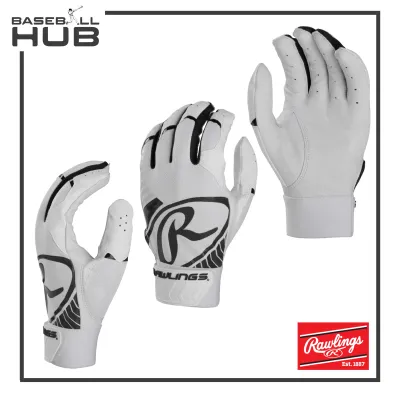
5 Lazada user ratings
The quality is excellent. The delivery was on time. Highly recommended.
Quality:Good quality!

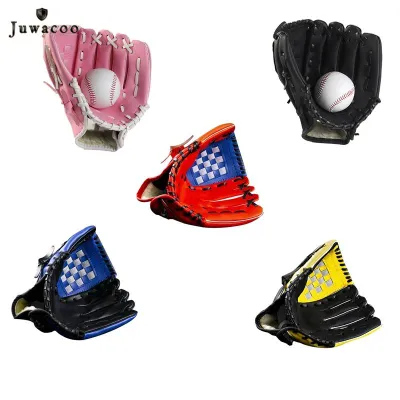
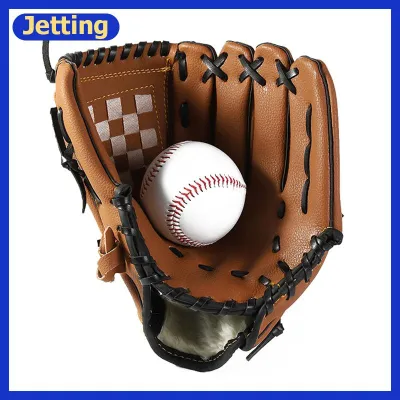
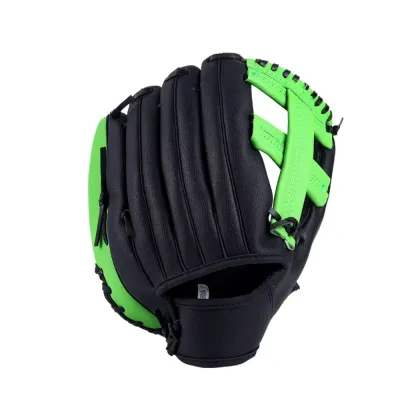
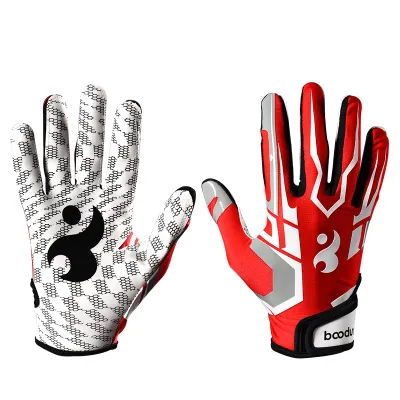
Prices are valid at publication and may change. Please refer to the product page for the latest price.
Step-by-Step Guide to Measuring Your Hand
Finding your ideal glove size requires analyzing two distinct physical dimensions: hand length and hand circumference. Relying on just one of these metrics often leads to a poor fit, as some players have long, slender fingers while others have wider palms with shorter fingers. Combining both measurements creates a comprehensive fit profile that helps you navigate different brand sizing systems with confidence.

Measuring Hand Length
Measuring hand length determines the vertical space your hand will occupy inside the glove, ensuring your fingers have enough room to extend fully without pressing painfully against the tips. To start, locate the base of your palm where your hand meets your wrist. Look for the prominent crease that runs horizontally across the inside of your wrist; this crease serves as your starting point.
Place the zero mark of your flexible measuring tape or string directly on this wrist crease. Align the tape so it runs in a straight, vertical line up the center of your palm, passing over the fleshy pad at the base of your thumb and continuing straight to the very tip of your middle finger. Make sure the tape lies flat against your skin without bending or twisting along the way.
A common mistake during this step is curling the fingers or bending the wrist backward, which shortens the measured distance and results in gloves that pinch your fingertips. Another error is measuring from the wrong palm crease, such as the one higher up near the base of the fingers. Always double-check that you are measuring from the true wrist joint to the absolute tip of the longest finger to get a reliable vertical metric.
Measuring Hand Circumference
Hand circumference measures the horizontal girth of your hand, which determines how tightly the glove will wrap around your palm and knuckles. This measurement is crucial for preventing the glove from bunching up when you close your hand around the bat handle. To measure this correctly, you will wrap the measuring tape around the widest part of your hand.
Position the tape measure just below your knuckles, where your fingers connect to your palm. Wrap the tape completely around your hand, ensuring it covers both the inside of your palm and the back of your hand. It is absolutely critical to exclude your thumb from this loop; wrapping the tape over your thumb will result in an oversized measurement, leading to a loose, slipping glove.
Keep your hand flat and relaxed while taking this measurement, or follow specific brand instructions if they recommend making a very loose fist. The tape should lie snug against your skin, mimicking the fit of a glove, but it should not be pulled so tight that it compresses your flesh or indents your skin. Note the point where the tape overlaps to find your hand’s circumference.
Interpreting Manufacturer Size Charts
Once you have recorded your hand length and circumference in both inches and centimeters, you are ready to compare these numbers to manufacturer size charts. It is important to understand that there is no universal standard for batting glove sizes. A “Medium” glove from one brand may fit like a “Large” from another, or it may have shorter fingers and a wider palm width.
Sizing scales are generally divided into Youth and Adult categories, each designed with different hand proportions in mind. Youth sizes are not just smaller; they are typically cut with narrower palms and shorter finger lengths to accommodate developing hands. Adult sizes offer wider palm dimensions and longer finger sleeves. If you have smaller hands but wide palms, you may need to look closely at the specific measurements of both categories rather than assuming you belong in one or the other.
To find the correct chart, visit the official website of the brand you are interested in, or check the back of the product packaging if you are shopping at a local sporting goods store. Avoid relying on generic online sizing guides, as they do not account for the unique cuts and patterns used by individual manufacturers. Always treat your recorded measurements as the primary decision tool rather than relying on your historical glove size from a different sport or brand.
Adjusting for In-Between Sizes and Fit Preferences
It is very common to find that your measurements fall directly between two standard sizes on a manufacturer’s chart, or that your length suggests one size while your circumference suggests another. When this happens, your personal fit preference and playing style should guide your decision. You must decide whether you prefer a tight, compressed feel or a slightly roomier fit.
As a general rule, if you prefer a highly responsive grip where you can feel every detail of the bat handle, you should size down to the smaller option. A tighter glove minimizes shifting and sliding during a swing, which is highly beneficial in hot, humid conditions where sweat can compromise your grip. However, if you prefer comfort, ease of movement, and want to avoid any restriction in your hand joints, sizing up to the larger option is the safer choice.
You must also consider any additional gear you wear on your hands. If you plan to wear an inner batting liner to absorb sweat, a wrist guard for protection, or a sweatband underneath the glove’s cuff, you will need extra space. In these cases, sizing up is almost always necessary to prevent the glove from becoming restrictively tight or cutting off circulation.
Additionally, keep in mind the material composition of the gloves. Genuine leather gloves have natural fibers that will stretch and mold to the shape of your hand over time, meaning a very snug initial fit is often desirable. Synthetic materials, on the other hand, do not stretch significantly and will maintain their original shape throughout their lifespan, so they must fit comfortably right out of the box.
Verifying the Fit During a Try-On
Even with precise measurements, the ultimate test of a batting glove is how it feels when you put it on. When trying on a new pair of gloves, start by checking the fingertips. There should be no excess material hanging off the ends of your fingers, as loose fabric can fold over, interfere with your grip on the bat, and cause painful blisters from friction. Conversely, your fingers should not press so hard against the seams that they feel restricted or painful.
Next, examine the wrist closure. Secure the hook-and-loop strap firmly around your wrist and assess how it feels. The closure should hold the glove securely in place without sliding up your hand, but it must not pinch your skin, restrict your pulse, or limit your wrist’s range of motion. You should be able to flex your wrist fully in all directions without feeling the glove pull uncomfortably against your forearm or palm.
Finally, simulate an actual swing to test the glove under realistic conditions. If possible, hold a baseball or softball bat and wrap your hands around the handle. Pay close attention to the palm area; the material should lie flat against the grip without bunching up, shifting, or creating air pockets. If the palm material folds or slides when you squeeze the bat, the gloves are too large, which will reduce your control and increase the risk of hand fatigue during play.
Frequently Asked Questions (FAQ)
Should I measure my dominant hand or my top hand for batting gloves?
You should generally measure your dominant hand, as it is typically slightly larger than your non-dominant hand. If you wear a pair of gloves, sizing them to fit your larger hand ensures that neither glove will be restrictively tight. If you only wear a single glove, measure the specific hand that will wear it—usually the bottom hand on the bat handle, which absorbs the majority of the vibration and friction during a swing.
Do batting gloves stretch out over time?
Yes, but the amount of stretch depends heavily on the materials used. Genuine leather batting gloves will naturally stretch and conform to the unique contours of your hand after a few sessions of use, meaning they should feel very snug when brand new. Synthetic leather and mesh gloves, however, possess very little stretch and will retain their original dimensions, so they should fit comfortably from the moment you first try them on.
Community discussion
Share your experience or ask a question. Comments are reviewed before publication.