
Finding the right golf grip size is one of the simplest yet most overlooked ways to improve your consistency on the course. To determine the correct size, you must measure your hand from the base crease of your wrist to the tip of your middle finger, and then cross-reference this measurement with standard grip categories. In the tropical climate of the Philippines, where high humidity and heat frequently cause sweaty hands, a properly fitted grip is essential to maintain control of your club without over-tightening your muscles.
Many golfers play with whatever grips came pre-installed on their clubs, unaware that an incorrect size can actively work against their swing mechanics. By taking a few minutes to measure your hands and verify your fit, you can reduce hand tension, improve your clubface control, and enjoy a more comfortable round of golf.
Why Golf Grip Size Matters for Your Swing
Your hands are your only physical connection to the golf club, meaning any discomfort or instability here will directly affect your swing. When your grip does not fit your hands properly, your body instinctively compensates by squeezing harder or altering your wrist release. These subconscious adjustments lead to inconsistent shots and unnecessary muscle fatigue.
Products mentioned in this guide
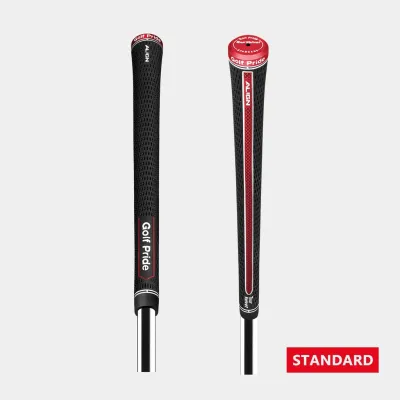
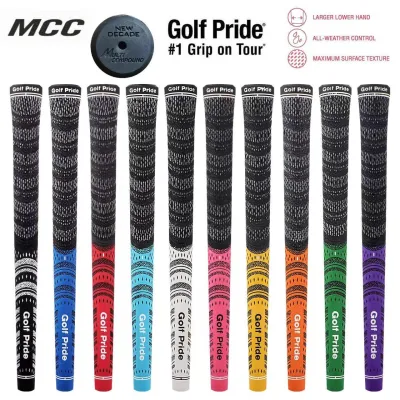
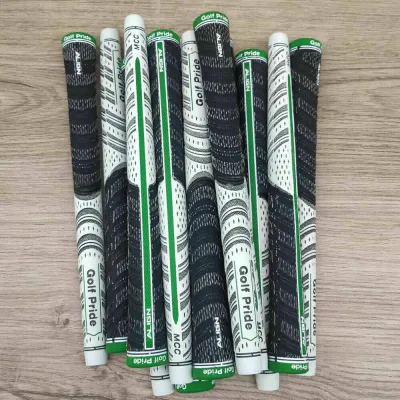
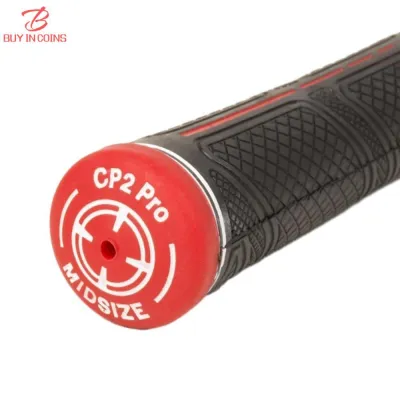
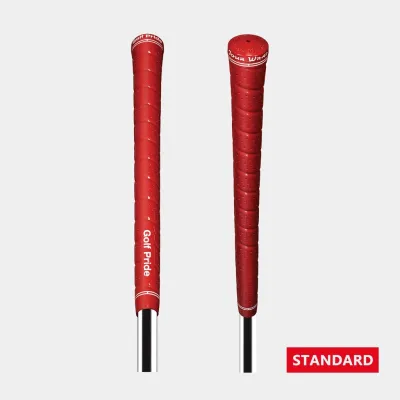
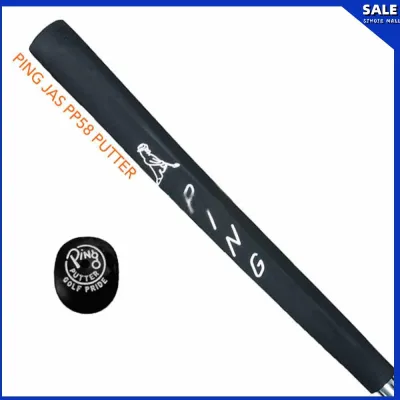
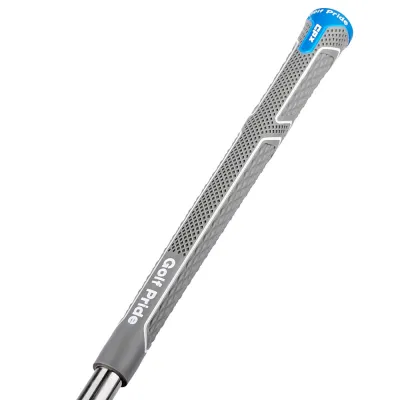
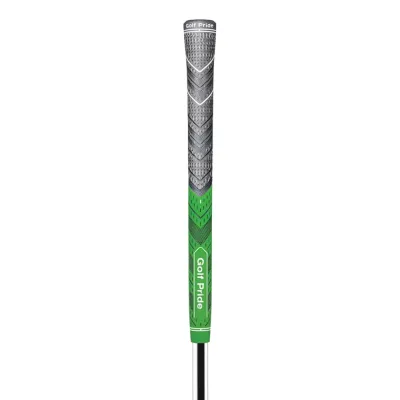
Prices are valid at publication and may change. Please refer to the product page for the latest price.
If your golf grip is too small, your fingers will wrap too far around the handle. This often leads to overactive hands during the swing, causing you to flip the clubface closed prematurely through impact. The typical result of a grip that is too small is a tendency to pull or hook the ball to the left.
Conversely, a grip that is too large restricts your ability to naturally release the club. Because your hands cannot rotate comfortably, the clubface often remains open at impact, leading to a slice or a push to the right. A large grip also limits your wrist hinge, which can rob you of clubhead speed and distance.
Choosing the correct size allows you to hold the club with light, relaxed pressure. This reduction in tension promotes a smoother swing tempo and better release, while also minimizing the risk of blisters and hand fatigue during long practice sessions.
Tools Needed for Hand Measurement
Measuring your hands for a new golf grip does not require specialized equipment or a trip to a professional workshop. You can easily gather the necessary items around your home to get an accurate reading.

To complete your measurements, you will need:
- A standard ruler or a flexible measuring tape with clear markings in both inches and centimeters.
- A flat surface such as a table or desk to rest your hand flat during the process.
- A pen and a sheet of paper if you prefer to trace your hand for a more visual measurement.
- Your current golf club to perform a physical fit verification once you have your measurements.
Step-by-Step Guide to Measuring Your Hand
To find your ideal grip size, you need to take two primary measurements: your overall hand length and your longest finger length. This dual-measurement approach ensures that your finger-to-palm ratio is fully accounted for, as some players have long palms with short fingers, or vice versa.
Step 1: Measure Overall Hand Length
Place your dominant hand flat on a table with your fingers spread naturally but held straight. Align the start of your ruler with the primary crease where your hand meets your wrist. Measure straight up the center of your palm to the very tip of your middle finger. Note this measurement down carefully.
Step 2: Measure Your Longest Finger
Next, you need to measure the length of your middle finger individually. Place the ruler at the base crease where your middle finger meets your palm. Measure straight to the tip of the finger. This step is crucial because players with shorter fingers relative to their palms often prefer a slightly smaller grip than their overall hand length would suggest.
Step 3: Record Your Measurements
Write down both numbers in both inches and centimeters. Most global golf manufacturers use inches for their sizing charts, but having both units makes it easier to compare options across different brands and online marketplaces.
Matching Measurements to Golf Grip Sizes
Once you have your measurements, you can match them to the four primary golf grip categories available on the market. While minor variations exist between manufacturers, these general guidelines will help you narrow down your choices.
Undersize and Junior Grips
Undersize grips are designed for players with an overall hand length of less than 7 inches (approximately 17.8 cm). These grips are slightly thinner than standard models, allowing players with smaller hands or junior golfers to wrap their fingers completely around the handle for secure control.
Standard Grips
Standard grips are the industry norm and are typically best suited for players with hand lengths between 7 and 7.5 inches (17.8 to 19 cm). If your hand falls into this range, standard grips will provide a balanced feel that allows for natural wrist action and release.
Midsize Grips
Midsize grips are ideal for golfers with hand lengths between 7.5 and 8.25 inches (19 to 21 cm). They are also a popular choice for players who want to intentionally quieten overactive hands or reduce a hook, even if their hands are technically on the smaller side of this range.
Oversize and Jumbo Grips
Oversize or Jumbo grips are designed for players with hand lengths exceeding 8.25 inches (21 cm). Beyond hand size, these thick grips are highly beneficial for golfers who experience joint discomfort, stiffness, or arthritis. The larger diameter requires less finger flexion to hold, making the game much more comfortable for sensitive hands.
How to Test and Verify the Grip Fit
While measurements provide an excellent starting point, the ultimate test of a golf grip is how it feels in your hands. Before you commit to regripping your entire set of clubs, you should physically verify the fit using a simple tactile test.
The Fingertip Test
Take your normal grip on a club with your lead hand (the left hand for right-handed players). Look closely at where your middle and ring fingers rest against your palm.
In a perfect fit, the tips of your middle and ring fingers should lightly touch the pad of your thumb.
- If your fingers dig deeply into your palm, the grip is too small.
- If your fingers do not reach your thumb pad at all, leaving a noticeable gap, the grip is too large.
Evaluating Swing Tension
With your hands on the club, take a few slow, controlled practice swings. Pay close attention to how much pressure you need to apply to keep the club stable. If you feel your forearms tensing up or if you feel the club twisting in your hands, the size or texture may not be providing adequate support.
Stop Conditions
If you experience blisters, calluses in unusual spots, or find the club slipping constantly during humid afternoon rounds, stop using that grip size. These are clear indicators that the diameter is forcing your hands to work too hard, and you should reassess your measurements.
Fine-Tuning Your Fit with Grip Tape
If you find yourself between standard sizes, you do not have to settle for an imperfect fit. You can customize the final diameter of your grips using double-sided grip tape during the installation process.
Adding Layers of Tape
Club builders often use extra layers of tape to build up the shaft diameter before sliding the grip on. As a general rule, adding one extra wrap of standard grip tape increases the grip size by approximately 1/64 of an inch. Adding four extra wraps can turn a standard grip into a midsize grip, allowing for precise, incremental adjustments.
Understanding Core Size
Golf grips come in different core sizes, typically designated as .580 or .600 inches. This number refers to the inner diameter of the grip. Installing a .580 core grip on a .600 shaft will naturally stretch the rubber, making the final installed grip slightly larger. Conversely, a .600 core grip on a .580 shaft will result in a slightly thinner feel.
When to Consult a Professional
While DIY regripping is a straightforward project, consulting a professional club fitter is highly recommended if you require complex tape configurations or if you are trying to match a specific weight profile. A professional can ensure that your customized grips are uniform across all your clubs.
Frequently Asked Questions (FAQ)
How often should I replace my golf grips?
As a general rule, you should replace your golf grips once a year or every 40 to 50 rounds. In warm, humid climates like the Philippines, sweat, dirt, and UV rays degrade the rubber compounds much faster. Look for visual signs of wear such as a shiny appearance, smooth spots, visible cracks, or a distinct loss of tackiness.
Does grip size affect swing weight?
Yes, changing your grip size can alter the overall balance and feel of your club. Larger or heavier grips add weight to the butt end of the shaft, which can make the clubhead feel lighter during your swing. If you make a drastic jump from standard to jumbo grips, you may notice a change in your swing tempo and timing.
Community discussion
Share your experience or ask a question. Comments are reviewed before publication.