
Finding the correct mountain bike (MTB) helmet fit starts with an accurate measurement of your head’s circumference. A helmet that fits properly is your most critical piece of safety gear, designed to absorb impact forces and stay securely in place during a fall. To find your size, you need to wrap a flexible measuring tape around the widest part of your head, just above your ears and eyebrows, and compare this measurement to the manufacturer’s specific size chart.
While choosing a helmet based on color or style is tempting, fit must always be your primary consideration. A helmet that is too loose can slide during a descent, leaving your forehead or the back of your head exposed to trail obstacles. Conversely, a helmet that is too tight will cause painful pressure points, distracting you from the trail and potentially leading to headaches. By taking a few minutes to measure your head and perform a systematic fit check, you can ensure your rides are both safe and comfortable.
Why a Proper MTB Helmet Fit Matters for Safety and Comfort
A mountain bike helmet is engineered to protect your brain from both direct impacts and rotational forces during a crash. For this technology to work as intended, the helmet must remain firmly positioned on your head throughout the entire motion of a fall. If a helmet is too loose, the force of an initial impact can knock it out of place, leaving you unprotected against secondary impacts with rocks, trees, or the ground. A secure fit ensures that the internal protective liners can manage the energy of a crash effectively.
Products mentioned in this guide
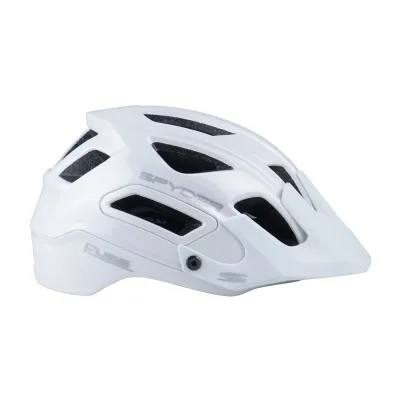
445 Lazada user ratings
Thank you Spyder! Tama ung color &size nung helmet. Maayos ung packaging.... Makapal ung bubblewrap. Makinis ung item. No scratches tlga. Qu…Read full reviewShow less
Thank you Spyder! Tama ung color &size nung helmet. Maayos ung packaging.... Makapal ung bubblewrap. Makinis ung item. No scratches tlga. Quality tlga to. Bili na mga kaPadyak! Excited n ko sa next ride! Tapos bilis pa ng delivery Manila to Pangasinan! 3 days!
👍👍👍Excellent! worth the wait. understandably. with 130k + followers mukhang na overwhelmed sila sa orders. very responsive, keeps u updated .k…Read full reviewShow less
👍👍👍Excellent! worth the wait. understandably. with 130k + followers mukhang na overwhelmed sila sa orders. very responsive, keeps u updated .kudos to LEX PH hatid din agad 🙂. Galing nang build and quality . Thanks!
I received the item in a good manner, packed properly, reasonable amount of delivery for the delivery. Must say, that the helmet has a very …Read full reviewShow less
I received the item in a good manner, packed properly, reasonable amount of delivery for the delivery. Must say, that the helmet has a very good quality, good design and lightweight. highly recommend it.
ang ganda ng quality. sakto din lang ang fit sa ulo ko at very comfortable. delivered within the given time frame and without damage. thanks…Read full reviewShow less
ang ganda ng quality. sakto din lang ang fit sa ulo ko at very comfortable. delivered within the given time frame and without damage. thanks spyder.ph and lazada.
Super duper thank you to the Seller and to the courier. Items are securely packed and no damage whatsoever. Again, thank you and more blessi…Read full reviewShow less
Super duper thank you to the Seller and to the courier. Items are securely packed and no damage whatsoever. Again, thank you and more blessings!
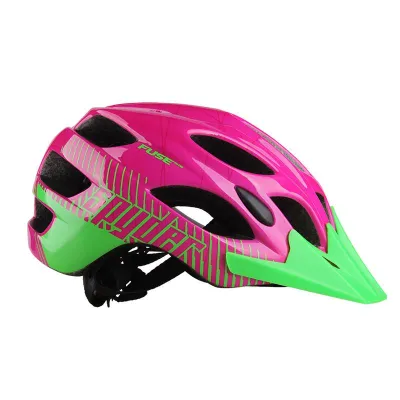
74 Lazada user ratings
This helmet is a very lightweight and airy option, making it a great choice for summer rides in the city. It features a MIPS system for adde…Read full reviewShow less
This helmet is a very lightweight and airy option, making it a great choice for summer rides in the city. It features a MIPS system for added peace of mind, and the design is incredibly breathable with its numerous air vents. The EPS construction is slim and low-profile, and the unique strap attachment to the rear retention system provides an unconventional fit. The white straps give it a clean, distinct look that stands out. It is a solid, basic helmet for those who want a simple gear setup for seasonal casual riding.
Stylish helmet with a beautiful design, great breathability, combines good looks with practicality, both attractive and functional.
The helmet has great quality, feels light and comfortable, has plenty of ventilation to keep cool, and the buckle is easy to use.
Very good, well-crafted, with high MIPS safety protection, worth buying, and can be used for skateboarding and roller skating!
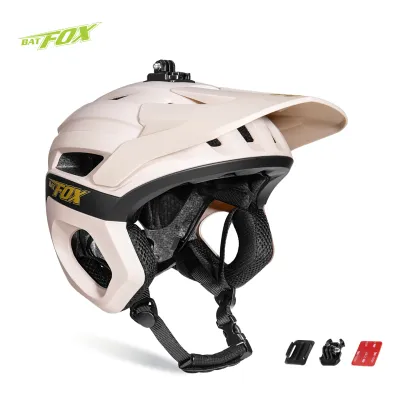
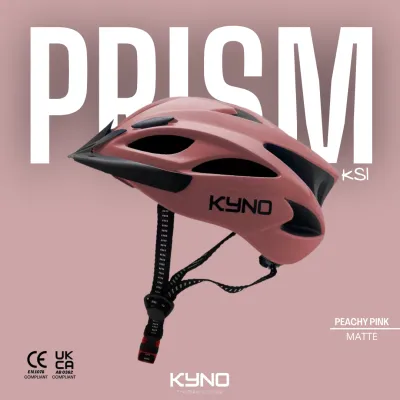
961 Lazada user ratings
Great helmet for cycling enthusiasts, Stylish color options to choose from, Lightweight and comfortable design, Perfect for both mountain an…Read full reviewShow less
Great helmet for cycling enthusiasts, Stylish color options to choose from, Lightweight and comfortable design, Perfect for both mountain and road biking, Easy to adjust and wear, High-quality materials for durability, Adjustable strap for a perfect fit, Offers great value for the price, ang angas ng design ang ganda ng kulay at ang porma pa pag suot mo na heheheh😍😍ganda sulit sa price no damage at secure na secure yung item sa box😍😍thanks lazada ang aga pa dumating hehehe😍
Easy to adjust and wear, Provides safety and comfort while riding, Perfect for both mountain and road biking, Adjustable strap for a perfect…Read full reviewShow less
Easy to adjust and wear, Provides safety and comfort while riding, Perfect for both mountain and road biking, Adjustable strap for a perfect fit, Lightweight and comfortable design,
Provides safety and comfort while riding, Perfect for both mountain and road biking, Excellent ventilation for a cool ride, Easy to adjust a…Read full reviewShow less
Provides safety and comfort while riding, Perfect for both mountain and road biking, Excellent ventilation for a cool ride, Easy to adjust and wear,
Excellent product. Looks durable enough. Lightweight as advertised. Hope it lasts. Thanks, seller.
goods naman, magaan, medyo masikip lang if malaki ung head. good for the price 👍🏻👍🏻👍🏻
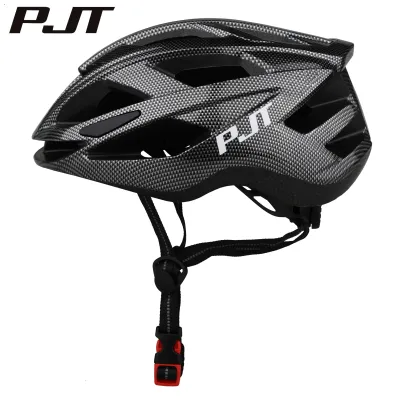
27 Lazada user ratings
I was surprised at how light it was. The design is nice too... but it feels like it's all styrofoam. The value for money is awesome, lol.
Arrived on time, very protected. It's quite light even though it fits me, I found the shape a bit big, but it shouldn't get in the way.
The product quality looks great and it doesn't look like a budget item at all. I think I'll be using it a lot.
It's lightweight with a great design, and the included sunglasses are pretty good too.
It's light and good. The finishing is a bit lacking. Good value for money.
Prices are valid at publication and may change. Please refer to the product page for the latest price.
Comfort is directly tied to how well a helmet matches the unique shape of your head. Head shapes generally fall into categories like round, oval, or intermediate oval, and different helmet brands cater to these variations. When a helmet does not match your head shape, you will likely experience localized pressure points, particularly on the forehead or the sides of the skull. These hot spots can become incredibly painful during long climbs or technical descents, ruining an otherwise excellent day on the trails.
Furthermore, a properly fitted helmet maintains the correct balance between secure retention and adequate ventilation. Mountain biking is a physically demanding sport that generates significant body heat, especially during slow, technical climbs. Helmets are designed with specific intake and exhaust vents to channel air over your scalp. If the helmet sits too low, too high, or tilted at an angle because of an incorrect size, these airflow channels cannot function efficiently, leading to rapid overheating.
Tools You Need to Measure Your Head Circumference
Measuring your head does not require specialized or expensive equipment. The most accurate and straightforward tool for this task is a flexible fabric measuring tape, often used for sewing or tailoring. This type of tape easily conforms to the curves of your skull, allowing you to read your exact measurement in centimeters or inches without any stiff gaps.

If you do not have a flexible measuring tape on hand, you can easily use a non-stretchy piece of string, a cord, or even a long strip of paper. You will wrap this material around your head in the same manner as a tape measure, mark the exact point where the end meets the rest of the strand, and then lay it flat against a standard rigid ruler or metal tape measure to find the length. It is crucial to use a material that does not stretch under tension, as elastic cords or stretchy ribbons will yield an inaccurate, smaller measurement than your actual head size.
To make the process easier and more precise, perform the measurement in front of a mirror. This allows you to verify that the tape or string remains completely level around the back of your head. Alternatively, asking a friend or family member to take the measurement for you can prevent the tape from slipping or tilting, ensuring a highly accurate reading on the first try.
Step-by-Step Guide to Measuring Your Head
To get an accurate head measurement, you must identify the correct path around your skull. The goal is to measure the largest continuous circumference of your head, which is where the helmet’s internal cradle will sit. Begin by placing the starting end of the flexible measuring tape in the center of your forehead, approximately two finger-widths (about 1.5 to 2.5 centimeters) above your eyebrows. This positioning ensures you are measuring above the brow ridge where the helmet’s front brim will rest.
Next, wrap the tape around the side of your head, keeping it just above the top of your ears. As you pull the tape toward the back, ensure it passes over the occipital bump, which is the most prominent bone at the lower back of your skull. The tape must form a straight, horizontal line around your entire head, parallel to the ground. Avoid letting the tape sag down toward your neck or tilt upward toward the crown of your head, as both mistakes will result in an incorrect reading.
Pull the tape snug against your skin and hair, but do not pull it so tight that it compresses your scalp or causes discomfort. The tape should mimic the gentle, secure pressure of a well-fitted helmet. Once the tape is positioned correctly, note the measurement at the point where the zero mark overlaps the remaining tape. It is highly recommended to record this number in centimeters, as the vast majority of helmet manufacturers use metric measurements for their official sizing guides.
To ensure accuracy, repeat this entire process two or three times. Remove the tape completely between attempts, reposition it, and take a new reading. If you get slightly different numbers, use the largest measurement of the three. This prevents you from purchasing a helmet that is too small, ensuring you have enough physical space for comfort while relying on the helmet’s internal adjustment dial to snug up any minor excess room.
How to Interpret MTB Helmet Size Charts
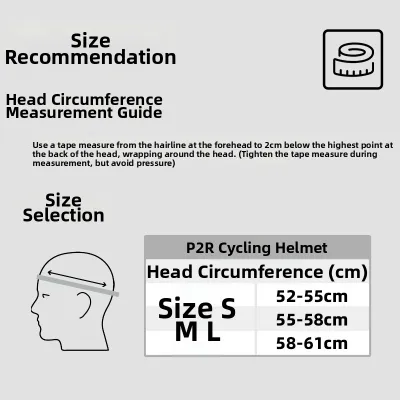
Once you have your head circumference measurement, you can begin looking at specific helmet models. It is vital to understand that generic size labels like Small, Medium, and Large are not standardized across the cycling industry. A Medium helmet from one brand might cover a range of 55 to 59 centimeters, while a Medium from another brand might only span 54 to 58 centimeters. Never assume your size based on a previous helmet; always refer to the specific size chart for the exact model you are considering.
You can typically find these size charts on the manufacturer’s official website or printed directly on the product packaging. When looking at a chart, locate your measured circumference within the specified ranges. For example, if your head measures 57 centimeters, and the size chart indicates that a Medium fits 55 to 59 centimeters, that model is a strong candidate for a proper fit.
If your measurement falls directly on the boundary between two sizes—for instance, if your head is 58 centimeters and the Small/Medium fits up to 58 centimeters while the Medium/Large starts at 58 centimeters—you must evaluate the helmet’s adjustment features. If the helmet has a highly adjustable retention system with a rear dial, opting for the larger size is generally safer, as it allows you to tighten the internal cradle while leaving room for a thin skull cap or hair. However, if the brand’s sizing advice specifically suggests sizing down for a more secure fit in that particular model, follow their instructions.
Before finalizing any purchase, especially when ordering from an online marketplace, verify the physical size label inside the helmet upon delivery. This label is usually located on a sticker or printed on the fabric lining inside the EPS foam shell. Confirming that the printed centimeter range on the physical helmet matches your measured head circumference ensures you did not receive the wrong size variant by mistake.
Checking the Fit: The 3-Point Helmet Test
Once you have the helmet in hand, you must perform a physical fit check before hitting the trails. Place the helmet flat on your head so that it sits level, rather than tilted back. The front edge of the helmet should sit approximately one to two finger-widths above your eyebrows. If the helmet sits too high, your forehead is dangerously exposed to impacts; if it sits too low, it will impair your upward vision and interfere with your riding goggles or glasses.
The second point of the test involves the side straps. These straps should form a clean “Y” shape that meets just below your earlobes. The straps must lie flat against your face without twisting, rubbing against your ears, or pulling the helmet to one side. If the junction of the “Y” sits directly on your ear or too far down your jaw, the helmet can tilt during a ride, compromising both comfort and safety.
The third point is the chin strap buckle. Fasten the buckle and adjust the tension so that the strap is snug against your jaw. You should be able to fit only one or two fingers between the strap and your chin. When you open your mouth wide, you should feel the helmet pull down slightly on your head; if the strap hangs loose or allows the helmet to lift significantly when you move your jaw, it is too loose and must be tightened.
Finally, perform the shake test to verify overall stability. With the retention dial tightened and the chin strap buckled, shake your head vigorously from side to side and nod up and down. The helmet should move with your skin and head, rather than sliding independently. If the helmet slips over your eyes or shifts backward on your skull during this test, the fit is insecure, and you may need a smaller size or a model with a different internal shape.
Adjusting the Retention System and Straps
Modern mountain bike helmets feature sophisticated adjustment systems that allow you to customize the fit to your specific skull shape. The most common system is a rear retention dial connected to an internal plastic cradle. To adjust this, place the helmet on your head and turn the dial clockwise to tighten the cradle until it feels snug and secure around the occipital bone at the back of your head. The cradle should grip your head evenly without creating localized pressure points.
Next, adjust the side strap sliders to position the Y-junction correctly. Slide the plastic clips up or down so they sit comfortably just below your earlobes. Ensure that both the front and rear portions of the side straps have equal tension so the helmet remains completely level on your head. If one side is tighter than the other, the helmet will sit crookedly, which reduces its protective capability.
Once the side straps are positioned, thread the chin strap through the buckle and adjust the overall length. Many helmets come with rubber keepers or O-rings to hold the excess webbing flat and prevent it from flapping in the wind. If there is an excessive amount of leftover strap hanging down, you can trim it, but always leave at least two inches of extra webbing to allow for future adjustments. If you trim the strap, carefully singe the cut edge with a flame to prevent the nylon from fraying, following any specific safety instructions provided in the user manual.
Always re-test the fit after making these adjustments. Walk around, move your head, and keep the helmet on for a few minutes to ensure no hot spots develop. If you feel any discomfort, loosen the rear dial slightly or readjust the side sliders until the helmet feels like a natural, secure extension of your head.
When to Replace or Return Your MTB Helmet
If you purchase a new helmet and find that it causes persistent headaches, leaves deep red marks on your forehead, or cannot be secured without painful tightening, do not attempt to ride in it. These are clear signs that the helmet is either the wrong size or the wrong shape for your head. Return the helmet immediately to the retailer or online marketplace and try a different size or a different brand that offers a more compatible internal shape.
For helmets you already own, there are strict rules regarding replacement. You must replace your MTB helmet immediately after any significant impact or crash, even if there is no visible damage to the outer plastic shell. The internal EPS foam is designed to crush and absorb impact forces once; after it has been compressed in a crash, it loses its ability to protect your head in subsequent impacts.
Additionally, regularly inspect your helmet for signs of material degradation. Over time, exposure to sweat, UV rays, extreme heat, and hair products can weaken the helmet’s materials. Check the EPS foam for crumbling, cracks, or separation from the outer shell, and inspect the straps for fraying or brittle plastic buckles. If you notice any of these issues, or if the helmet has reached the end of the lifespan recommended by the manufacturer in the user manual, it is time to replace it to ensure your safety on the trail.
Frequently Asked Questions (FAQ)
Can I wear a cycling cap or beanie under my MTB helmet?
You can wear a thin, specialized cycling cap or a low-profile skull cap under your MTB helmet, provided the helmet’s retention system can be adjusted to accommodate the extra layer. These thin caps are designed to manage sweat or provide light wind protection without significantly altering the helmet’s fit. However, you should avoid wearing thick winter beanies, baseball caps, or hoods under your helmet, as these bulky materials prevent the internal cradle from gripping your skull securely, which can cause the helmet to slide off during a crash. Always perform the shake test with your chosen headwear to ensure the helmet remains completely stable.
Do all MTB helmets come with the same fit system?
No, MTB helmets utilize a variety of fit systems that range from basic to highly advanced. Entry-level helmets may rely solely on interchangeable foam pads of varying thicknesses to adjust the internal fit, or they may feature a basic, non-adjustable plastic band. Mid-range and premium MTB helmets typically feature dial-based retention systems that allow you to micro-adjust the tension of the internal cradle. Many high-end models also offer height-adjustable cradles that can be moved up or down to better cup the back of your skull, as well as advanced safety liners designed to reduce rotational forces. Always check the product specifications to understand the specific adjustment features of a helmet before buying.
Community discussion
Share your experience or ask a question. Comments are reviewed before publication.