
Finding the right treadmill cover requires measuring your machine’s maximum length, width, and height in its designated storage position. Taking accurate physical dimensions ensures you select a cover that shields your fitness equipment from dust, moisture, and fabric wear without putting undue stress on the seams. In tropical climates like the Philippines, where high humidity and airborne dust can quickly degrade electronic consoles and belt motors, a well-fitting cover acts as an essential barrier. By taking a few minutes to measure the entire frame rather than relying on generic size labels, you protect your investment from premature wear and keep your home gym clean.
Why Accurate Treadmill Measurements Matter
A treadmill cover that does not fit properly can cause more harm than good. If you purchase a cover that is too small, you will struggle to pull it over the frame, leading to immediate zipper strain and fabric tearing. A tight cover also leaves vulnerable components, such as the lower motor housing or the rear rollers, partially exposed to the elements. This exposure defeats the purpose of having a protective barrier in the first place.
Conversely, an oversized cover presents its own set of problems. Excess fabric tends to pool on the floor, creating a serious tripping hazard in your workout space. This loose material also collects dust, dirt, and moisture at the base of the machine, which can easily transfer to the running belt. In drafty areas, covered patios, or rooms with open windows, a loose cover can act like a sail, catching the wind and blowing off entirely.
Products mentioned in this guide
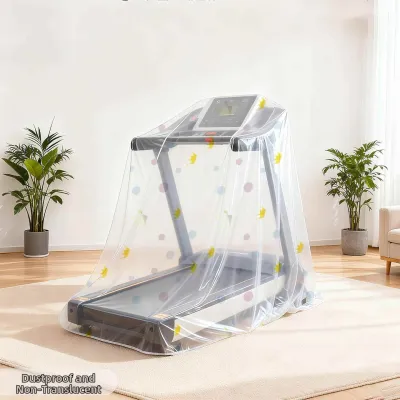
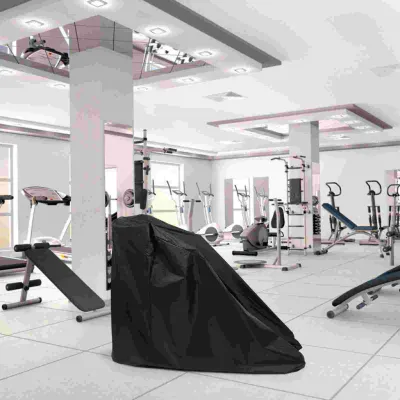
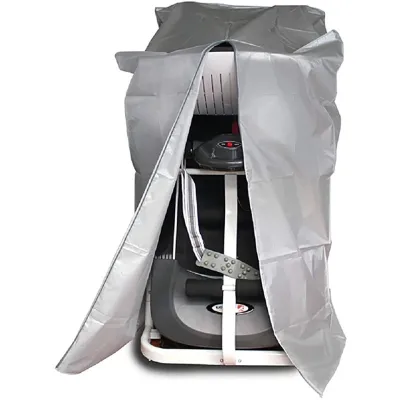
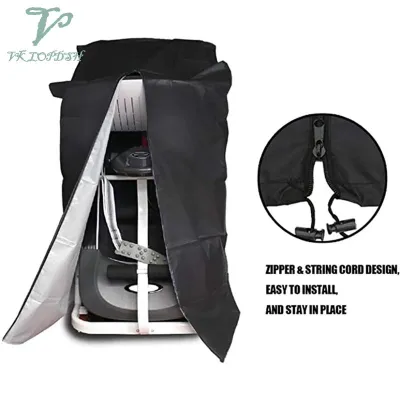
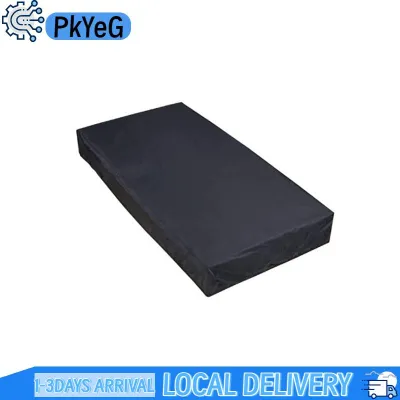
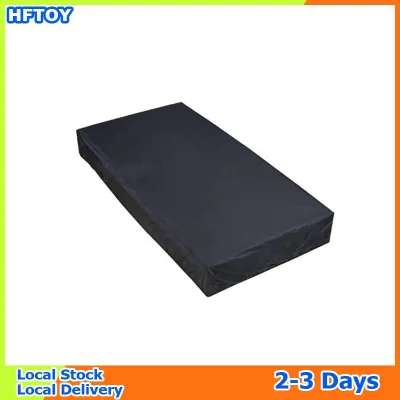
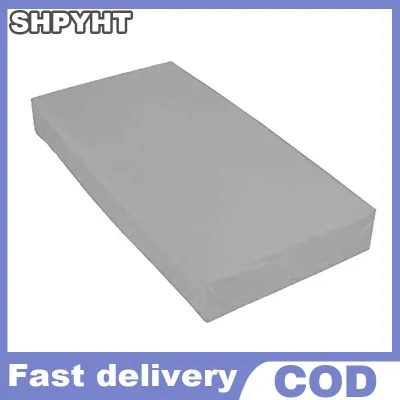
Prices are valid at publication and may change. Please refer to the product page for the latest price.
A precise fit is particularly crucial for managing environmental threats and protecting a high-value fitness investment that may have cost tens of thousands of pesos (₱). In humid tropical environments, moisture in the air can settle on the metal frame and electronic console, leading to rust and electrical malfunctions. A snug, properly sized cover keeps humid air currents, fine dust, and pet hair away from the sensitive internal wiring and the lubricated deck.
Tools You Need Before Measuring
Before you begin taking measurements, gathering the right tools will ensure your numbers are accurate and easy to record. A flexible steel measuring tape is the best choice for this task. Unlike soft fabric tailor tapes, a steel tape remains rigid over longer distances, allowing you to capture straight, reliable lines along the length and height of the machine without sagging.

You should also have a notepad or a smartphone handy to write down each dimension immediately. It is easy to forget exact numbers when moving between different sides of the machine, and writing them down prevents costly guessing later.
For larger commercial-grade treadmills or machines with high consoles, enlisting a second person to help is highly recommended. Having someone hold the dummy end of the tape measure at the floor or the far edge of the frame ensures you get a true, level reading without the tape slipping or bending.
Step-by-Step Guide to Measuring Your Treadmill
To find a cover that fits perfectly, you must capture the complete physical footprint of your treadmill. This process involves measuring three primary dimensions: length, width, and height. Taking these measurements in a logical order ensures you do not miss any protruding parts or structural angles that could affect how the cover drapes over the machine.
Measuring Length and Width
To measure the length, start at the absolute front of the treadmill, which is typically the edge of the plastic motor hood. Extend your steel measuring tape in a straight line along the side of the machine all the way to the furthest point of the rear stabilizer or roller. Do not measure along the slope of the handrails; keep the tape parallel to the floor to capture the true horizontal span of the base.
Next, determine the width by measuring the widest point of the treadmill. On most machines, this is not the running deck itself, but the outer edges of the handrails or the side console wings. Place the tape measure at the outermost edge of one handrail and stretch it straight across to the outer edge of the opposite handrail.
While measuring width, look closely for any protruding accessories that add bulk to the profile. Integrated water bottle holders, tablet mounts, or heart rate sensor grips often extend outward past the main frame. If these parts are non-detachable, make sure your width measurement includes these widest points so the cover does not snag or stretch tightly over them.
Measuring Height and Clearance
To capture the height, place the end of your measuring tape flat on the floor and extend it vertically to the highest point of the console or the top of the handrails. If your treadmill features an adjustable console or a tablet holder that stands tall, make sure it is set to its standard storage position before you measure.
If your treadmill has an incline mechanism, ensure the deck is fully lowered to its flat, zero-percent position before taking this vertical measurement. Measuring while the deck is inclined can result in an artificially high reading, which might lead you to buy a cover that is unnecessarily tall and pools on the floor.
Once you have the exact height, it is wise to leave a small clearance allowance. A cover should not drag on the floor, as this traps dirt and makes it difficult to put on. Aim for a cover that sits about two to five centimeters off the ground. This small gap allows for easy slipping and removal while preventing the fabric from snagging on the wheels or leveling feet.
Accounting for Folding Mechanisms and Accessories
Many modern home treadmills feature space-saving folding designs. Before shopping for a cover, you must decide whether you plan to store the machine in its folded or unfolded state during its idle hours. Your daily storage habits dictate which set of measurements you need to use.
If you store your treadmill vertically, the physical footprint changes dramatically. In a folded position, the height of the machine essentially becomes the length, and the length of the deck becomes the height. To measure a folded treadmill, measure from the front of the folded base to the furthest protruding point of the upright deck to find the new depth. Then, measure from the floor to the very top of the folded deck to find the vertical height.
Additionally, take a moment to assess any detachable accessories. If you use external cooling fans, custom tablet mounts, or secondary cup holders that clip onto the console, decide if you will remove them before covering the machine. If you prefer to leave them attached, you must include them in your final measurements to avoid a tight fit that could damage both the accessory and the cover fabric.
Matching Measurements to Cover Size Charts
Once you have recorded your treadmill’s length, width, and height, you are ready to compare these numbers to retail size charts. It is important to understand that cover sizes are often labeled by maximum capacity rather than exact machine dimensions. For example, a cover labeled “Standard” or “Large” is designed to fit machines up to those specific limits, not a machine that matches those numbers exactly.
Always compare your recorded dimensions against the product’s specific size chart provided on the online marketplace or retail site. Do not rely on generic labels, as sizing standards vary significantly between different cover manufacturers. Look for a cover that is slightly larger than your treadmill’s physical dimensions—ideally a few centimeters wider and longer—to ensure a comfortable fit.
To accommodate slight size variations, look for covers that feature adjustable design elements. Elastic hems, heavy-duty drawstrings, or zippered bottoms are incredibly helpful. These features allow you to cinch the fabric tightly around the base of the machine, securing the cover against drafts and preventing pests or dust from entering from underneath.
Common Measuring Mistakes to Avoid
One of the most common mistakes when shopping for a treadmill cover is measuring only the running belt. The running belt is much smaller than the actual frame, and buying a cover based on belt dimensions will result in a product that cannot even fit over the console. Always measure the outermost edges of the entire machine frame.
Another frequent oversight is forgetting to include the motor cover at the front of the machine. The motor housing often extends forward past the console and is one of the bulkiest parts of the treadmill. Leaving this out of your length measurement will leave the front of your machine exposed and put immense strain on the cover’s seams.
Finally, never assume that all treadmills within a specific brand or series share the exact same dimensions. Manufacturers frequently update frame designs, console shapes, and stabilizer widths between different model years. Always take fresh physical measurements of your specific machine rather than relying on general product manuals or online forum discussions.
Frequently Asked Questions (FAQ)
Should I measure the treadmill while it is folded or unfolded?
You should measure the treadmill in the exact state in which it will be stored when not in use. If you fold your treadmill after every workout to save space in your living room or garage, take your measurements while the machine is folded upright. If you keep the treadmill flat and ready to run at all times, measure it in its unfolded, horizontal position. Measuring the wrong state will result in a cover that is either too loose or completely unable to fit over the machine’s stored profile.
What if my treadmill dimensions fall between two cover sizes?
If your treadmill’s measurements fall between two standard cover sizes, always size up to the next available dimension. A slightly larger cover is much easier to put on and take off, and it prevents tension on the zippers and seams that can lead to tearing. To prevent a larger cover from sagging or dragging on the floor, look for models equipped with adjustable bottom drawstrings, buckle straps, or elastic hems that allow you to secure the excess fabric tightly around the base.
Community discussion
Share your experience or ask a question. Comments are reviewed before publication.